

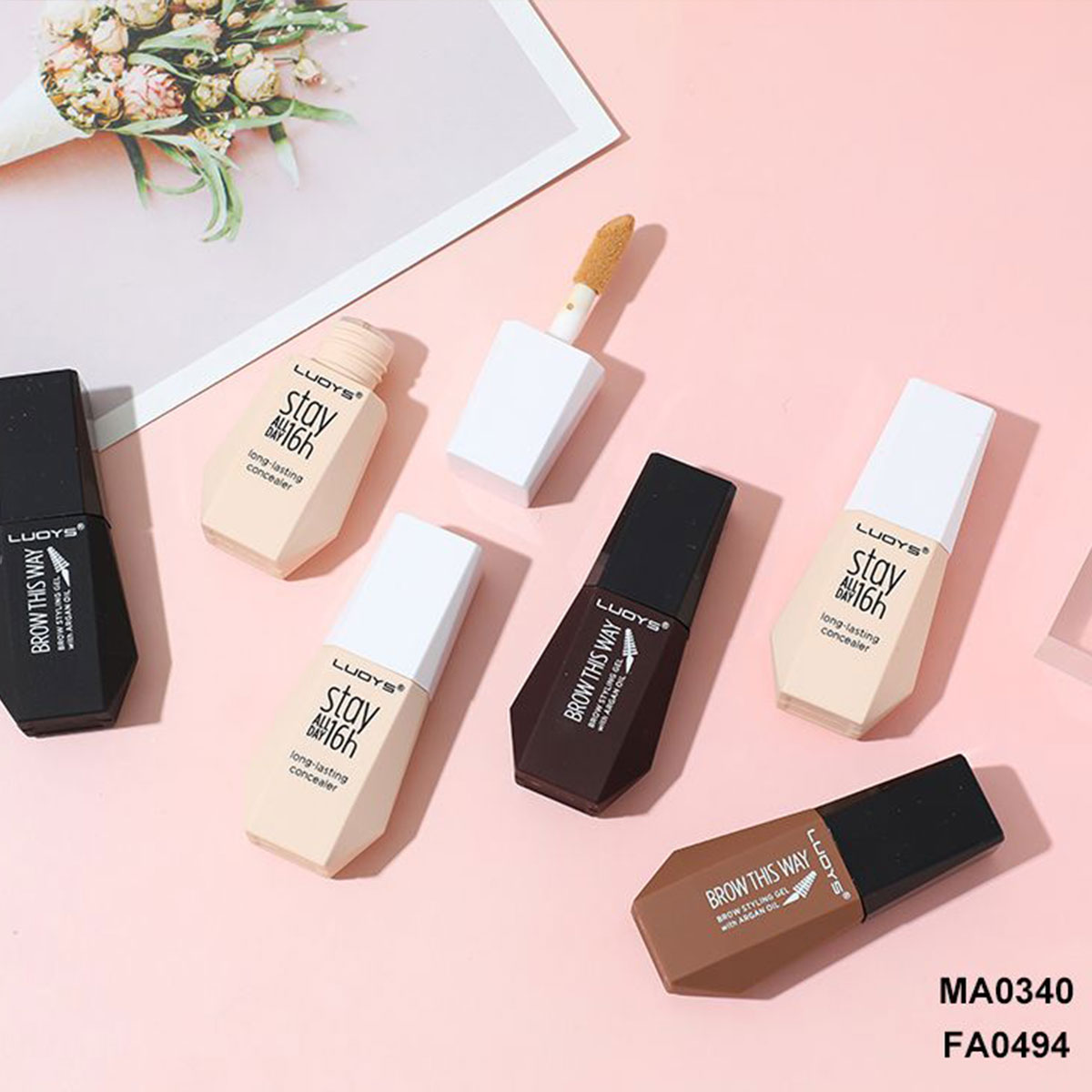
The Science Behind “Your Skin But Better”: Formulating the Perfect No-Makeup Makeup Liquid Foundation
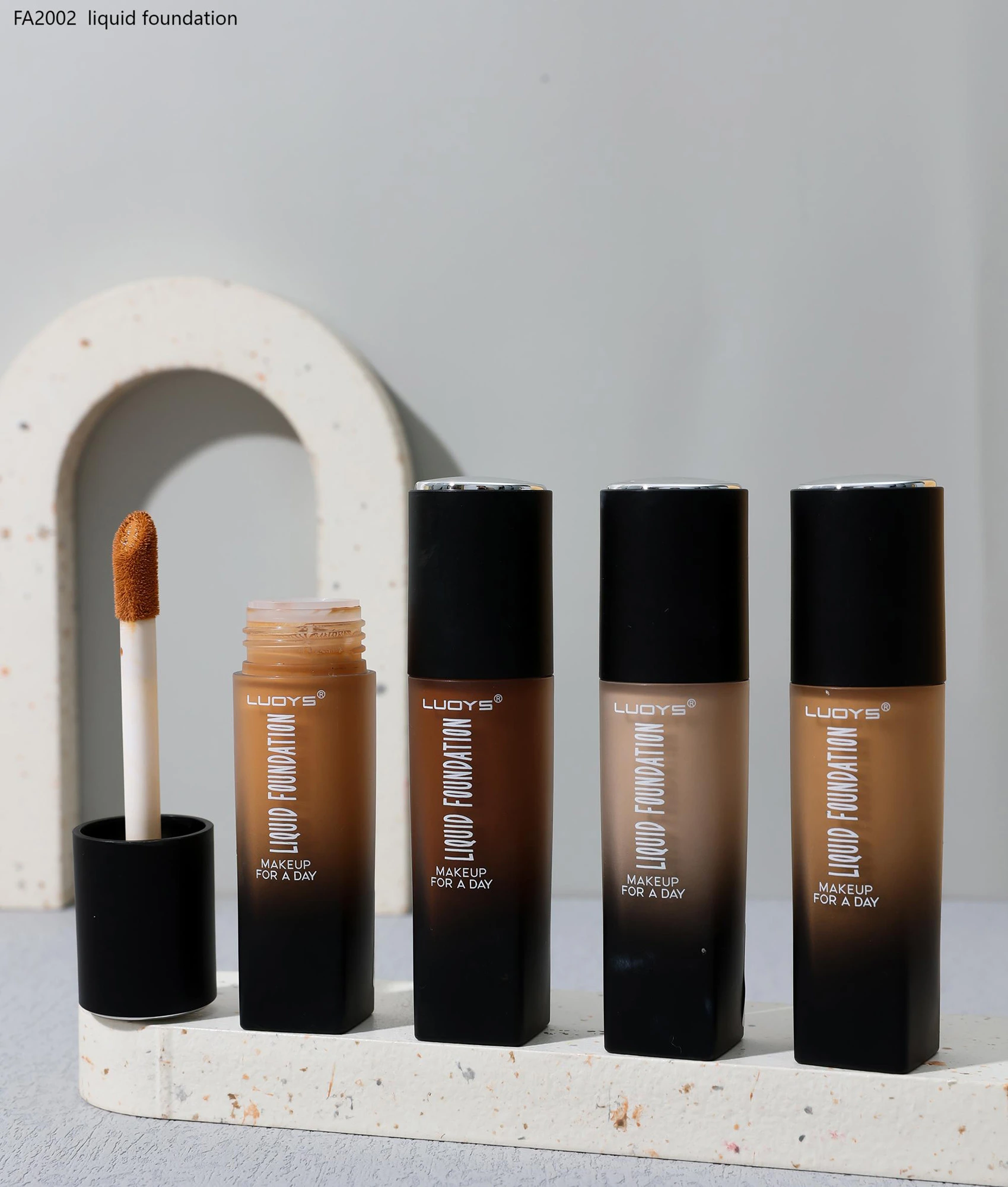
Step into almost any makeup section these days. You see the same pattern. People grab products that promise a super natural finish. Skin looks even and glowing. It feels authentic—not covered up or heavy. This “your skin but better” vibe has powered the no-makeup makeup trend for quite a while now. And right in the center of it all sits one star player: the lightweight liquid foundation.
Creating a liquid foundation that melts away on the face yet still gives decent coverage takes more than chance. It demands smart chemistry. It needs careful mixing of ingredients. Plus, it relies on plenty of real-world testing. Today we’re going to break down the actual science that lets these invisible bases perform so smoothly.
Why the No-Makeup Makeup Look Demands Smart Formulation
The goal is clear—coverage without obvious makeup. A heavy matte liquid foundation might look great in photos, but in real life? It clings to dry patches, separates around the nose, or feels tight by lunchtime. The ideal no-makeup makeup liquid foundation behaves differently:
- It blurs imperfections while letting natural skin texture show through.
- It adapts to movement, humidity, and oil production instead of fighting them.
- It feels hydrating rather than drying, so wearers forget they’re wearing anything.
Formulators chase that balance every day. Get the emulsion wrong, and the product pills under concealer. Overload pigments, and it looks flat instead of luminous. The science here is about building a system that plays nice with skin biology.
The Core of a Lightweight Liquid Foundation: Emulsion Technology
Most modern no-makeup makeup liquid foundations rely on oil-in-water (O/W) emulsions. Water forms the continuous phase, which gives that fresh, non-greasy feel right out of the bottle. Tiny oil droplets carry emollients, pigments, and actives, staying stable until applied.
Why does this matter? An unstable emulsion breaks on the skin—oily patches appear, color shifts, coverage vanishes. Formulators use emulsifiers like polyglyceryl esters or lecithin derivatives to keep everything locked together. These mild surfactants create small droplet sizes (often under 1 micron), which translates to smoother application and better blendability.
A common challenge: silicones. Dimethicone and cyclopentasiloxane give that silky slip many associate with high-end liquid foundation. But too much, and the product floats instead of melting in. The trick is layering—low-viscosity silicones for initial spread, then film-formers that lock color without heaviness.
Pigment Dispersion: Achieving Natural, Buildable Coverage
Coverage in a no-makeup makeup liquid foundation comes from mineral pigments—iron oxides, titanium dioxide, sometimes zinc oxide. These aren’t just thrown in; they’re pre-dispersed in a carrier to prevent clumping.
Surface-treated pigments (coated with dimethicone or alumina) disperse more evenly and resist oxidation, so the shade stays true over hours. Untreated pigments? They can cake or oxidize, turning orange by mid-afternoon.
Shade range is another science. A good liquid foundation offers 20–40 shades, but the real test is undertone matching. Warm, cool, neutral—formulators use spectrophotometry to measure skin’s reflectance across hundreds of real people. The result: shades that harmonize instead of fighting natural tone.
Here’s a quick look at typical pigment levels in different finishes:
|
Finish Type |
Pigment Load (%) |
Typical Feel on Skin |
Best For |
|
Sheer/No-Makeup |
8–12 |
Hydrated, dewy, skin-like |
Everyday natural looks |
|
Medium Buildable |
12–18 |
Soft-focus blur, light blurring |
Minor redness or unevenness |
|
Full Coverage (Matte) |
20+ |
Thicker, more controlled |
Acne scars, hyperpigmentation |
For the no-makeup makeup liquid foundation, staying in that 10–14% sweet spot allows buildability without heaviness.
Hydration and Skin-Feeling Actives: Beyond Basic Coverage
Nobody wants foundation that accentuates flakes. That’s why hydrators are non-negotiable. Hyaluronic acid (low and high molecular weight) pulls moisture in and plumps fine lines. Glycerin and butylene glycol lock it there.
Niacinamide often appears at 2–4%—it brightens over time and calms redness, reinforcing the “better skin” illusion. Squalane or plant-derived esters mimic skin’s natural lipids, preventing that tight, stripped feeling after wear.
SPF is common too. Micronized zinc oxide or titanium dioxide adds broad-spectrum protection without white cast—crucial for daily wear. But loading too much can drag texture down, so formulators micro-encapsulate or coat particles for elegance.
Tackling Real-Life Wear: Stability, Transfer, and Longevity
A gorgeous liquid foundation might look perfect inside the lab. But if it slides off during a humid subway ride, it fails the real test. Lightweight film-formers—acrylate copolymers are a favorite—build a thin, flexible net over skin. That net holds pigments steady. At the same time, it lets skin breathe.
Spherical particles like silica or polymethylsilsesquioxane bounce light around. They create that dreamy soft-focus look. Think gentle blurring instead of harsh filtering. These same spheres soak up extra oil too. Shine stays under control. Skin never feels parched.
Testing gets intense for good reason. Labs run samples through:
- High-speed centrifuges that mimic rough shipping
- Repeated freeze-thaw swings
- Warm storage at 40°C for weeks on end
- Wear trials with actual people in sticky heat, freezing cold, and mixed weather
One mismatched thickener can cause separation in under a month. That’s why every detail gets checked repeatedly.
The Role of Texture in the “Your Skin But Better” Illusion
Texture sells the dream more than anything else. A liquid foundation should glide on like cool water. Then it settles into a soft satin finish that feels expensive. Too thin and watery? It streaks everywhere. Too dense? It pulls and drags during blending.
Special thickeners—xanthan gum, hydroxyethylcellulose, or modern associative ones—control how the product flows. They thin out nicely when you rub them on. Application stays effortless. Once your fingers stop moving, though, viscosity snaps back. Nothing sinks to the bottom of the bottle.
That magical second when you blend and the color seems to vanish into skin? It happens because particle sizes match up perfectly. Oils and water phases share similar light-bending properties. Everything aligns just right.
Meet Limei: Your Partner in Premium Liquid Foundation Development
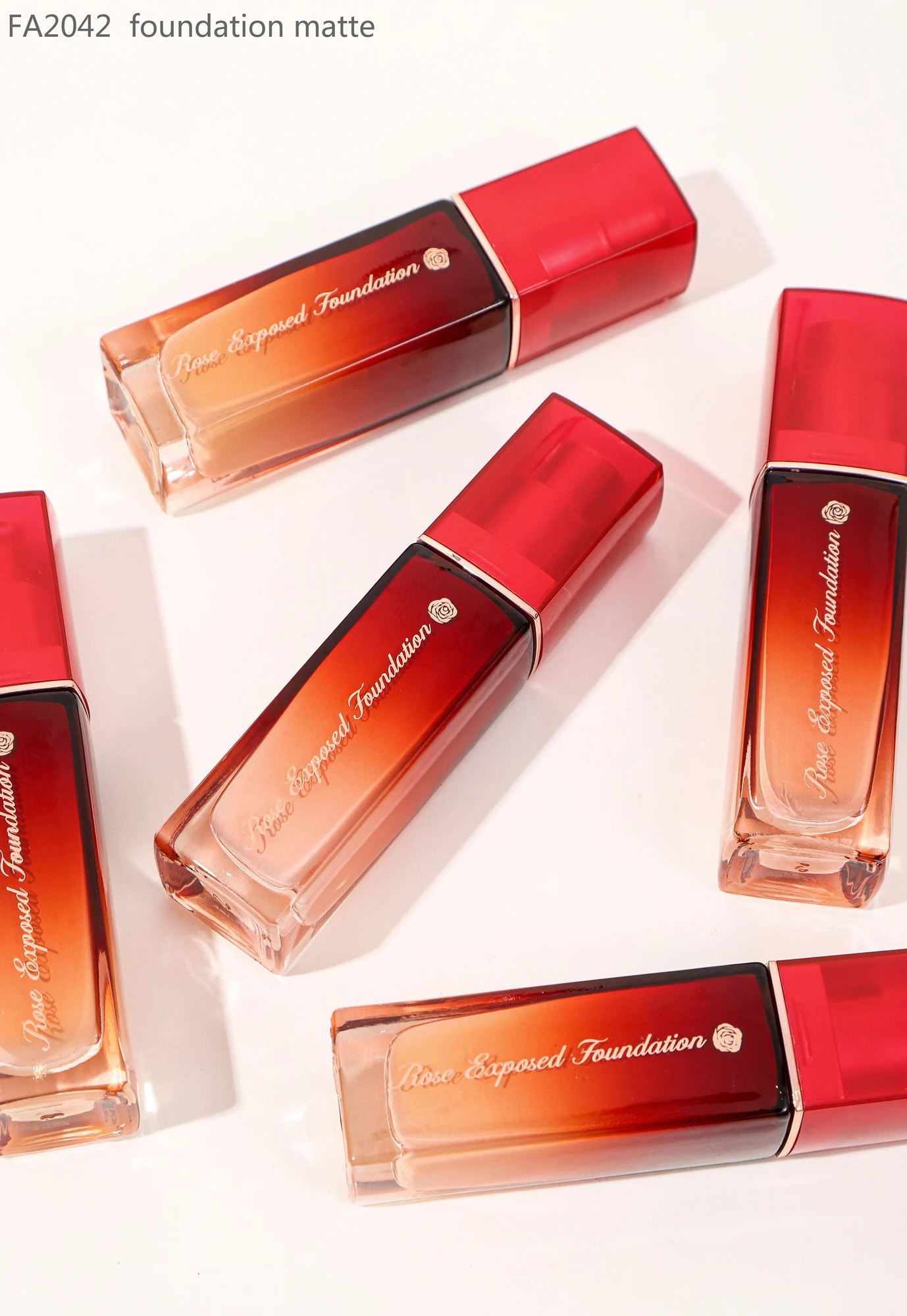
Limei Cosmetics Co., Ltd. (the team behind luoys.com) focuses on B2B OEM and ODM production of color cosmetics. They shine especially bright when it comes to custom liquid foundations. Whether you need sheer, glowy versions or softly buildable natural finishes, they manage the full process—accurate shade matching, rock-solid stability trials, large-scale manufacturing—with short lead times and dependable results. If you plan to launch a clean-leaning collection or grow an existing lineup, Limei brings formulas that match today’s huge appetite for “your skin but better” results.
Conclusion
Formulating the perfect no-makeup makeup liquid foundation blends real science with a bit of artistry. It begins by listening closely to what skin actually wants—moisture, air flow, natural flex. Then it stacks ingredients that quietly vanish while gently improving the overall look. The finished product delivers more than plain coverage. It hands the wearer quiet confidence. Skin simply appears like its freshest, happiest self. Brands that master this balance build loyal fans who return again and again. The formula never feels like wearing makeup at all.
FAQs
What makes a liquid foundation feel like “your skin but better”?
Low pigment levels pair up with hydrating ingredients and light-scattering particles. A solid liquid foundation builds on clever emulsions and gentle film-formers. That way it melts right in, softens flaws quietly, and never looks thick or obvious.
How do formulators keep a liquid foundation from shifting color or oxidizing as hours pass?
They rely on coated pigments plus small amounts of antioxidants. Stable emulsion bases help too. Extensive real-life wear tests in various climates catch problems early. Shades stay true from morning coffee through evening plans.
Does SPF really belong in a no-makeup makeup liquid foundation?
Yes—everyday sun protection counts a lot, particularly when the product gets worn solo. Carefully sized mineral filters give broad coverage. They skip the chalky look and greasy after-feel.
Can a liquid foundation stay both hydrating and long-lasting at the same time?
Definitely. Newer recipes combine humectants such as hyaluronic acid with flexible film-formers. The balance works well—good staying power through the day, yet enough give so the product flexes naturally with skin movement.
What should brands watch for when choosing a partner to create custom liquid foundation?
Pick someone with strong emulsion know-how, wide experience matching undertones, and serious wear-test data. The best partners truly get the no-makeup makeup wave. They deliver clean, refined textures even at bigger production volumes.