

Talc-Free Loose Powder: Why Clean Beauty Brands Are Reformulating Face Powders
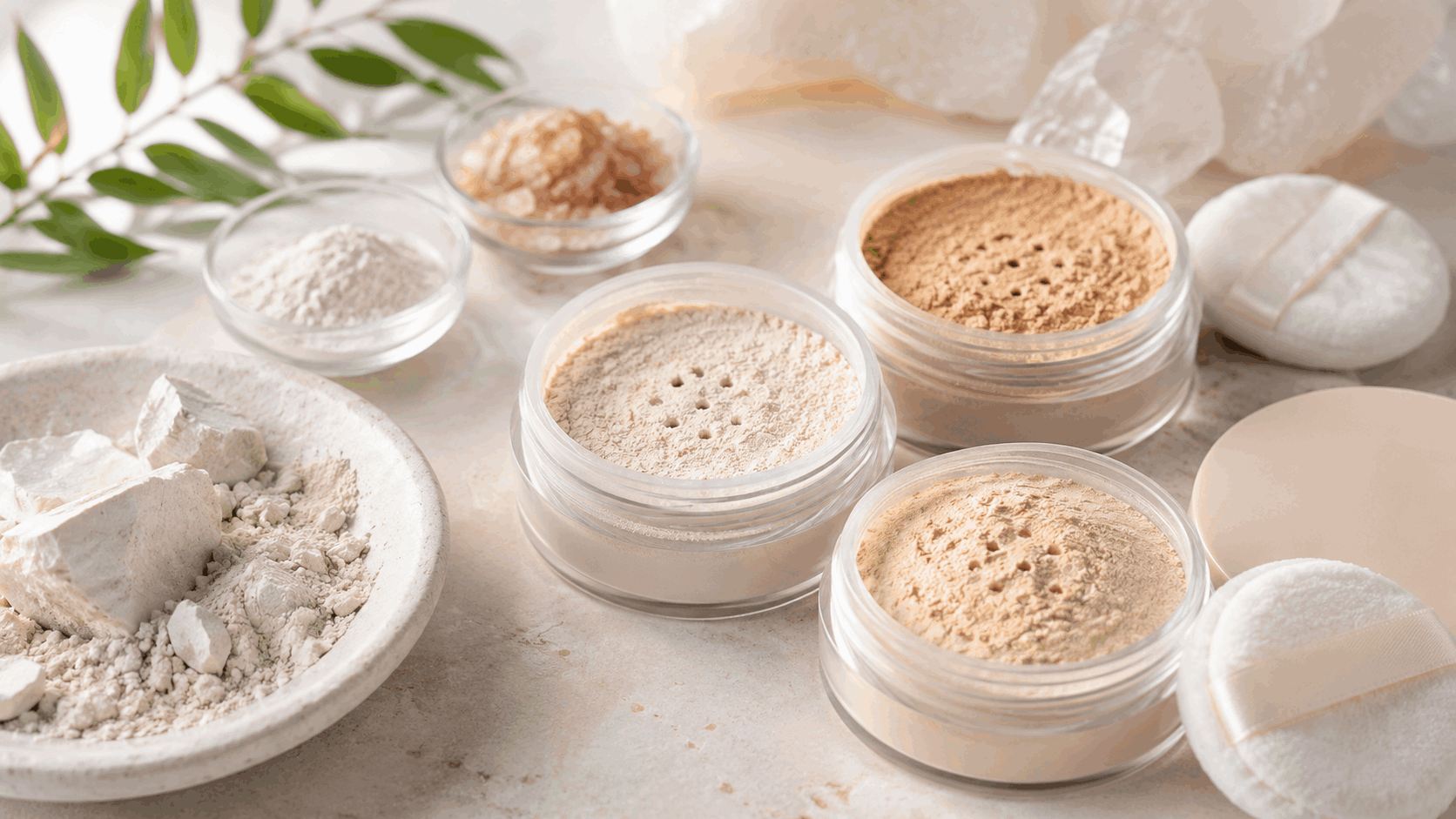
Cosmetic makers are changing face powder formulas quickly. The clean beauty trend shapes how products are made. Safety, green choices, clear lists of parts, and full trace of raw materials now matter most to brands and buyers. Consumers learn more about possible risks from some parts and about care for the earth. Many makeup brands leave talc-based loose powders. They seek safer and clearer choices. OEM/ODM makers play a key role in this change. They help brands build talc-free mixes that meet world market rules. They also keep the soft feel, oil control, coverage, and finish people expect from older loose powders.
Why Are Clean Beauty Brands Moving Away from Talc?
Interest in safer parts keeps rising. Many cosmetics firms review the old raw materials used in face powders.
Health and Safety Concerns Associated with Talc
Talc has served for many years. It gives a silky touch and strong oil pull. Talc often comes from mines near asbestos. This raises fear of mix with bad matter. Rules for talc in cosmetics grow each year. Media and groups speak out on asbestos risks. Consumers now know more about these risks. Brands feel the push to swap for new parts. These new parts give skin the same help. Most brands now show every ingredient on the label. This step builds back buyer trust. It also shows the products are safe to use.
Market and Regulatory Pressures Driving Reformulation
Health worries sit beside other forces. Global rules push brands to pick safer parts. Clean beauty marks such as COSMOS, EWG Verified™, and ECOCERT back talc-free mixes. These marks meet buyer hopes. They also give brands a sales edge. Brands stress purity and green care. Talc-free claims now shape plans for high-end loose powder products.
What Ingredients Are Replacing Talc in Loose Powders?
Drop talc from loose powders needs more than one swap. Makers must balance touch, oil pull, coverage, skin feel, and finish. Both natural mineral parts and new powder tech now fill talc-free mixes.
Natural and Mineral-Based Alternatives
Common swaps include mica for glow, rice starch for smooth touch, and corn starch for oil pull. Kaolin clay holds oil well. Silica adds light spread and does not block pores or sting skin. New talc-free loose powders match old talc ones in finish, even spread, and oil pull. These swaps also bring skin care gains. They cut the chance of skin sore spots.
Technological Innovations in Powder Formulation
Particle work lets makers set exact size of each bit. This step boosts hold on skin and good feel. Mix natural minerals with modern parts in a hybrid blend. This mix lifts the touch without loss of clean label. OEM/ODM partners use their own tech to build custom loose powders. They work with brands to hit needs such as soft touch, matte look, and long hold.
How Do Talc-Free Loose Powders Perform Compared to Traditional Formulations?
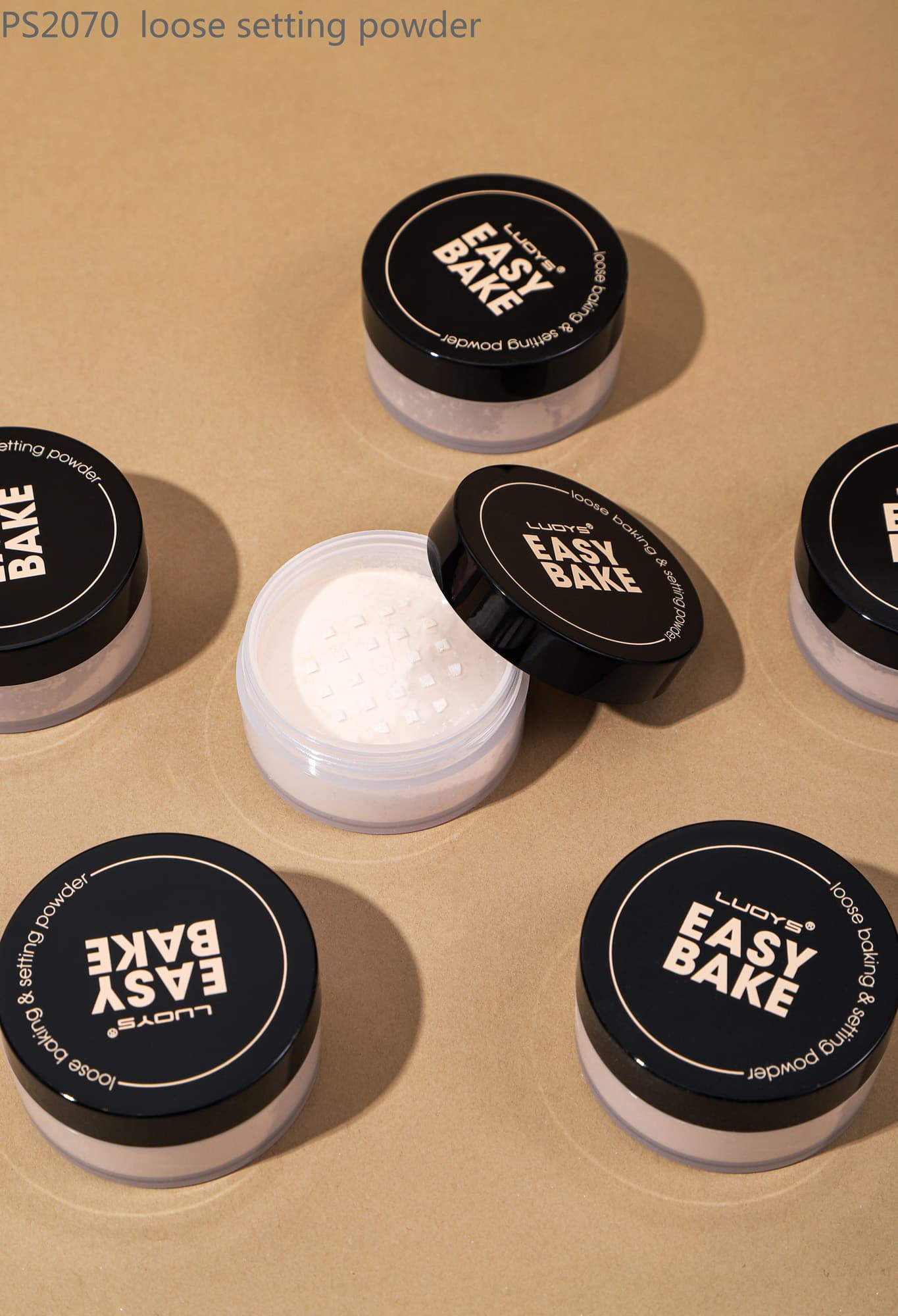
Industry moves from talc mixes to talc-free ones. People now test many ways to measure product work.
Sensory and Functional Performance Metrics
Talc-free powders feel lighter. They let skin breathe more. Finish can stay natural or turn bright. This choice comes from the parts picked by the chemist. Tests for flow, bit size, and fast aging check that parts mix well and hold in hot or cold spots. Many talc-free mixes last as long as talc ones. They also give more comfort while worn.
Consumer Perception and Market Reception
New talc-free mixes win praise from makeup pros for easy blend and no cake look. Consumers see clean lists and strong work. Brands must talk clear to buyers. This talk builds trust in both shop and pro markets.
What Role Do OEM/ODM Manufacturers Play in the Transition to Talc-Free Formulas?
OEM/ODM makers work with brands as key partners. They help brands change products. They also keep products clean and meet rules.
Custom Formulation Development for Clean Beauty Brands
An experienced OEM/ODM supplier helps brand owners work closely with cosmetic labs. They build powder mixes for specific market needs. Through advanced R&D, blends of natural powders can be adjusted. This step creates desired textures, shades, skin feel, and finishes. These mixes are then tested for stability, safety, sensory work, and rule compliance. OEM/ODM labs also run quality and compliance checks. These checks follow major market rules such as EU cosmetic rules, REACH chemical safety rules, and FDA cosmetic rules. They help brands bring powder products to world markets in a safe and fast way.
Supply Chain Adaptation to New Ingredient Demands
Replacing talc with high-quality natural raw materials from trusted suppliers is hard work. Even with the best parts, keeping the same size of each bit and enough purity across batches is tough. A wide range of advanced quality controls helps. These controls include spectroscopy and microbial tests. They make each batch of free-flowing powder uniform. This work keeps the clean-label promise.
How Does Zhejiang Limei Cosmetics Co., Ltd. Support Clean Beauty Innovation?
Zhejiang Limei Cosmetics Co., Ltd. supports clean beauty work through OEM/ODM services for powder cosmetics. These services cover loose powder and setting powder mixes. For brands that build talc-free products, the company helps with formula work, texture change, shade choice, sensory check, and production quality control. Its powder work helps brands make products with a smooth skin feel, natural finish, oil-control work, and clean beauty focus. By mixing lab work with production experience, Zhejiang Limei Cosmetics Co., Ltd. gives support for brands that need custom talc-free powder products for different buyer groups and sales ways.
Conclusion
The industry move toward talc-free loose powders shows a steady promise on safety, clear lists, and green care inside cosmetic science. As buyer hopes change toward cleaner part lists, good partnerships between brands and special makers like Zhejiang Limei Cosmetics Co., Ltd. become vital. The future of face powders will keep focus on part trace, good source ways, and tech steps that lift both work quality and green care.
FAQs
What makes a loose powder “talc-free”?
A talc-free loose powder uses swaps such as mica, rice starch, corn starch, kaolin clay, or silica. These swaps replace talc. They deliver smooth touch, oil pull, coverage, and the finish people want.
Are talc-free powders suitable for all skin types?
Modern talc-free mixes are made to be light and non-comedogenic. They suit sensitive skin and acne-prone skin. They use gentler parts.
How can OEM/ODM partners help brands transition to talc-free products?
OEM/ODM makers bring tech skill. They help brands change old formulas with new parts. They keep good work, rule compliance, and buyer appeal for clean beauty products.