

What Should Buyers Test in the Private Label Face Cream Sample Before Approval?
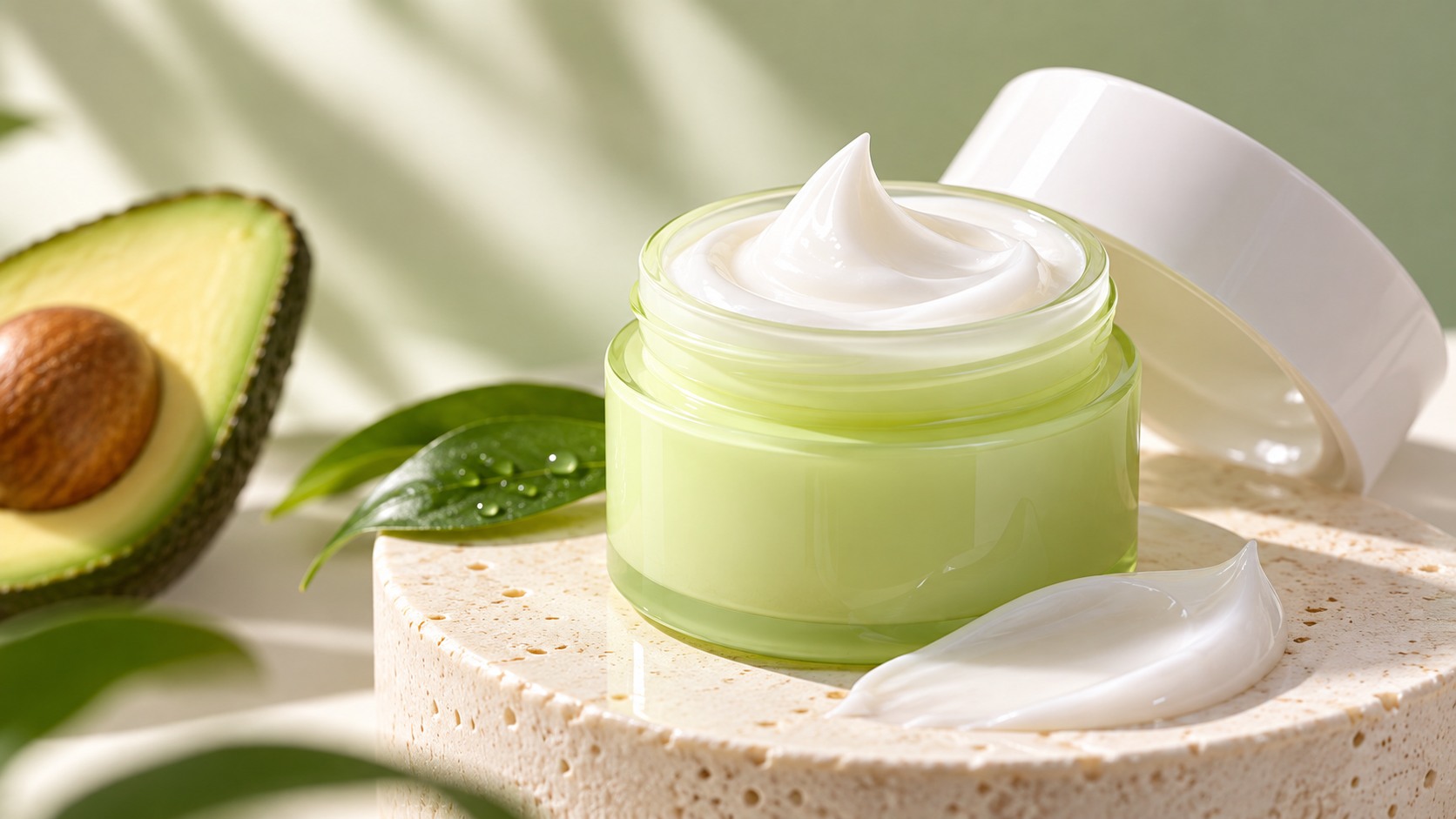
A face cream sample can feel satisfactory during the first application and still require further evaluation before production approval. Texture, appearance, stability, preservation, and packaging performance all influence whether the finished product matches the development brief. For a private label skincare buyer, the difficult part is deciding which differences between samples are acceptable and which require another formulation adjustment. A cream that feels slightly richer than expected may be commercially suitable, while a formula that changes significantly during storage needs a different response. Establishing an agreed reference before final approval makes those decisions easier to explain and gives the production team something more reliable than a general request to reproduce the first sample.
What should buyers examine during the first face cream sample review?
The first review establishes whether the proposed cream is close to the intended product. A development brief may describe the desired texture as lightweight, rich, smooth, or fast-absorbing, but those descriptions do not always mean the same thing to every reviewer.
A sample becomes easier to evaluate when the team describes how the cream behaves during application and identifies which characteristics matter most to the intended customer.
How should texture and application feel be assessed?
A cream can look thick inside its container but spread relatively easily on the skin. Another may appear lightweight during pickup yet leave a noticeably rich finish after application.
These differences matter because texture is not determined by appearance alone.
During sample review, the team can consider the initial pickup, spreadability, perceived richness, absorption experience, and residual skin feel. Using a comparable application method and observation period makes feedback from different sample rounds more useful.
If the cream feels too heavy, the development team needs to know whether that impression occurs during spreading or after the product has settled on the skin. Those are different formulation concerns, and a general request for a lighter texture may not explain which one requires adjustment.
Why should appearance and sensory performance be reviewed separately?
An attractive sample is not necessarily a satisfactory finished product. Color, surface appearance, odor, and uniformity can meet the original expectations while the application experience remains unsuitable.
The opposite can also happen. A sample may provide the desired skin feel but have an appearance that does not match the intended product presentation.
Separating these observations allows the buyer to provide more specific feedback without requesting unnecessary changes to characteristics that are already acceptable.
How can physical stability testing affect the approval decision?
A freshly prepared cream provides limited evidence of how the formulation will behave during storage. Changes in color, odor, viscosity, appearance, or emulsion structure may only become visible after the sample has spent time under defined conditions.
The first sensory review and stability evaluation therefore answer different development questions.
Which changes should be monitored during storage?
The appropriate observations depend on the formula and product specification.
| Characteristic | What the reviewer needs to examine |
| Appearance | Whether the cream remains visually uniform |
| Color | Whether an unexpected change occurs |
| Odor | Whether the product develops an unacceptable change |
| Viscosity | Whether texture remains within the agreed specification |
| Separation | Whether visible emulsion changes appear |
| Dispensing | Whether the product remains accessible through its package |
The acceptance criteria should correspond to the actual cream rather than arbitrary limits copied from another formulation.
A small change that is acceptable for one product may be unsuitable for another, particularly when the brand has established a specific texture or appearance as part of its product identity.
What should happen when the sample changes during testing?
An unexpected change needs technical interpretation before another formulation revision is requested.
A visible separation issue may require a different investigation from a change in viscosity or color. The development team should establish what changed, under which conditions it appeared, and whether the observation affects the intended product specification.
If the formula is subsequently revised, the team should determine whether previous results remain applicable to the new version.
What should buyers confirm about microbiological quality and preservation?
A face cream may contain water and other ingredients that make microbiological quality and preservation relevant to product development. A smooth texture and acceptable appearance do not establish whether the complete formulation has been adequately evaluated in these areas.
The technical assessment needs to consider the finished product rather than rely only on the presence of a particular preservative ingredient.
Why does the complete formulation matter?
Preservation performance can be influenced by the formulation, ingredient interactions, packaging, manufacturing conditions, and intended use.
An ingredient selected for preservation does not automatically demonstrate that the final cream has suitable microbiological protection.
The appropriate evaluation should be determined by qualified technical personnel with reference to the actual product and its intended market.
During sampling, purchasing teams need to establish which evaluations are required, who will arrange them, and how the results will be connected to the approved formula version.
Can a minor ingredient substitution affect approval?
A change to a fragrance, extract, preservative system, or another formulation component may alter the finished cream even when its initial appearance remains similar.
The significance depends on the material, concentration, and role within the formulation.
The technical team should review meaningful revisions and decide whether additional sensory evaluation, stability work, microbiological assessment, or documentation is necessary.
A revised sample should not automatically inherit the approval status of the previous version merely because its product name remains unchanged.
How should face cream be evaluated in its final packaging?
A cream that works well in a laboratory container may behave differently when filled into the selected commercial package. The container influences how the product is accessed, dispensed, protected, and presented to consumers.
Packaging therefore needs to be included in sample approval rather than treated solely as a separate purchasing decision.
What should be reviewed with the intended container?
The relevant concerns depend on the packaging format.
For a pump, the team may need to review dispensing consistency, product recovery, and whether the cream’s viscosity suits the selected mechanism.
A tube presents different questions involving product flow, closure performance, and leakage. A jar requires consideration of accessibility, closure, and intended consumer use.
Compatibility evaluation should use the approved formulation and production-relevant components wherever practical.
If the formula changes after packaging evaluation, the technical team should consider whether the earlier results remain valid.
Why can packaging approval change the formulation discussion?
A cream may achieve the desired sensory characteristics when applied directly from a laboratory container but prove difficult to dispense through the selected pump.
The development team must then decide whether to adjust the formula, choose another dispensing component, or reconsider the package.
Making that decision before commercial components are purchased gives the buyer more flexibility.
For buyers comparing related cosmetic formats, the official Face Products category provides a starting point for reviewing product types, although final packaging suitability must be established for the actual formulation.
What needs to be recorded before the face cream sample receives final approval?
Once the sample has completed the agreed evaluations, the buyer needs a reference that can be used during commercial manufacturing.
A satisfactory sample is useful, but it does not explain which characteristics must remain unchanged when the product moves into production.
Which details should appear in the approval record?
The final record should identify the approved formula version, physical reference sample, appearance requirements, relevant sensory characteristics, packaging configuration, fill quantity, and applicable quality specifications.
Where measurable parameters are used, their acceptance limits should come from the actual formulation and development work.
The physical reference should be identifiable and distinguishable from earlier development versions.
A production team receiving the approval record should be able to determine which sample represents the accepted product without relying on informal conversations.
How should changes be handled after approval?
A raw material may become unavailable, a packaging component may need replacement, or a manufacturing adjustment may be proposed after final approval.
The supplier should communicate meaningful changes before introducing them into regular production.
The buyer and technical team can then determine whether the existing approval remains applicable or whether another sample, additional evaluation, or revised documentation is necessary.
This procedure is particularly useful for repeat orders, when the commercial product name may remain unchanged despite adjustments to materials or production conditions.
Need Help Moving a Face Cream Sample Into Production?
Once the sample has been approved, the next consideration is how its accepted characteristics will be maintained during filling, packaging, and commercial manufacturing. Zhejiang Limei Cosmetics Co., Ltd. provides OEM and ODM manufacturing support for skincare and color cosmetics, with its official website describing formulation development, sampling, quality inspection, filling, and packaging operations. Its published product catalogue includes FA2047 Face Cream, which provides a relevant format reference when discussing texture, packaging selection, and customization requirements. For a specific project, the manufacturing discussion should remain connected to the accepted formula, retained sample, agreed testing requirements, packaging configuration, filling conditions, and procedure for reviewing changes before commercial production.
Conclusion
Approving a private label face cream requires more than confirming that the initial sample feels satisfactory. The buyer needs to understand how its texture, appearance, physical stability, microbiological quality, and packaging performance relate to the intended product specification. Once those evaluations are complete, the approved formula and physical reference should remain connected to the manufacturing order. Recording the relevant acceptance criteria and reviewing subsequent changes provides a clearer basis for comparing commercial production with the sample originally accepted during development.
FAQs
1. What should buyers evaluate first when reviewing a face cream sample?
The initial review should establish whether the cream matches the intended texture, appearance, application experience, and residual skin feel. Buyers should record specific differences from the development brief rather than rely only on a general impression.
2. Is a visually stable cream ready for commercial production?
Not necessarily. An acceptable initial appearance does not establish long-term physical stability, microbiological quality, or packaging compatibility. The appropriate evaluations depend on the formulation, intended use, product specification, and target market.
3. Why should face cream be tested in its final container?
The container may affect dispensing, product recovery, leakage, and interaction with packaging materials. Evaluating the actual formula in the intended commercial package can reveal problems that would not appear when the same cream is stored in a laboratory container.
4. Does every ingredient change require a complete new approval process?
Not automatically. The appropriate response depends on the nature of the change and its possible effect on the finished product. The revision should be documented and reviewed to determine whether existing test results remain applicable.
5. What information should be retained after approving a face cream sample?
The approval record should identify the accepted formula version, physical sample, relevant evaluation results, packaging configuration, agreed specifications, and change-control requirements. These references make it easier to compare commercial production with the approved product.