
How Will the EU Microplastics Restriction Affect Glitter and Shimmer Makeup Development?
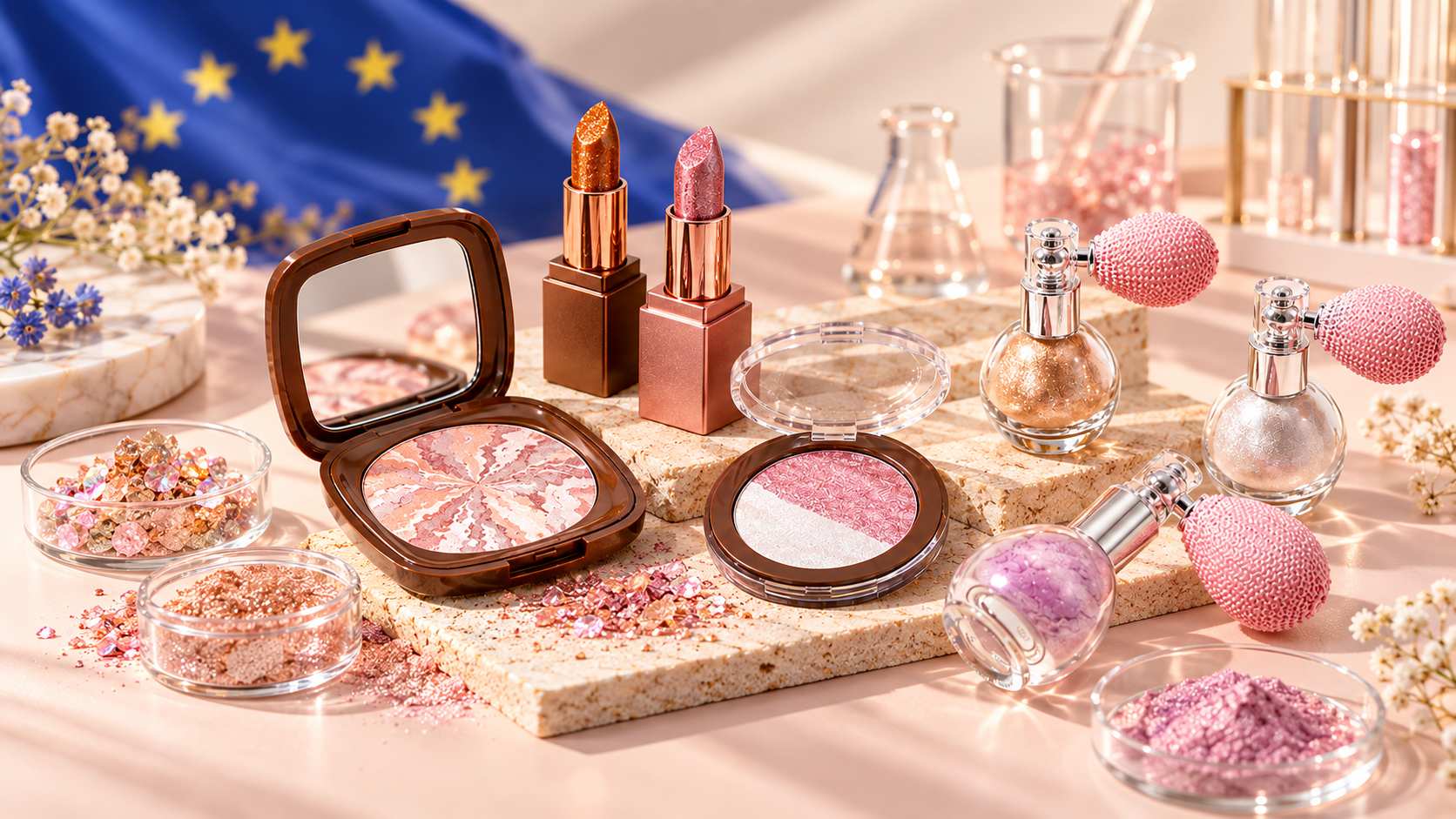
Glitter and shimmer makeup is not disappearing from the European market, but the material choices behind those effects are becoming more important. Under the EU restriction on intentionally added synthetic polymer microparticles, make-up, lip and nail products have a transitional period until October 2035. From October 2031, products in those categories that still contain covered microplastics will need specific labeling. For beauty brands, the immediate issue is therefore not to remove every sparkling finish overnight. It is to understand which materials create the effect, whether they fall within the restriction, what alternatives are available, and how an OEM project should be documented before the formula is approved.
Which glitter and shimmer materials deserve closer attention under the EU restriction?
The term ‘glitter’ can denote a variety of materials. Whilst some products may contain visible glitter particles, others may be coated with fine reflective materials or even contain mineral-based pearlescent colors. A combination of materials may also be used to produce a softer shimmering effect. The status of such products in respect of legislation cannot be determined from appearance.
The restriction on synthetic polymer microparticles by the EU means that in order to purchase safe make-up, consumers need to know the individual ingredients in a product, not just assume that all reflective particles are either prohibited or allowed. The European Commission confirm that make-up products containing covered microplastics are covered by the transitional period until 16 October 2035. From 17 October 2031 such products must be labeled with the related information.
Why is a supplier statement such as “microplastic-free glitter” not enough?
A short marketing statement is not sufficient as raw material documentation. Technical staff need to know the composition of the glitter or effect pigment, the INCI name where applicable, the supplier’s technical data and any other relevant documentation.
This becomes particularly relevant in cases where a single formula uses several different types of reflectors. These can include mineral-based materials, formulae containing synthetic polymer components and alternatives to conventional plastic glitters.
A practical product brief can differentiate between the desired end result and the materials required to achieve it. The brand may want a fine silver sparkle or a multi-dimensional shift but not necessarily the specific particle technology to achieve it.
How can brands replace conventional glitter without losing the intended visual effect?
Adapting to regulatory restrictions is made very difficult when the development brief to replace a microplastic only contains the words “remove microplastic”. The replacement has to replicate the same finish that led to the product being developed in the first place and being commercially interesting.
Just because a product uses reflective particles, doesn’t mean every body glitter, highlighter, eyeshadow and sparkling lipstick use them in exactly the same way. The size of the particles, how transparent they are, the base color of the particle, the shape, and how the formula holds the particle all affect how the product looks in the end.
For OEM development, it is more useful to describe what the end-consumer will experience.
- fine shimmer or clearly visible sparkle;
- smooth reflection or textured glitter;
- one-color shine or multi-angle effect;
- subtle daylight finish or strong editorial payoff.
What changes when the reflective material is replaced?
A new effect material can have more effects than just looking different. It can affect the way the material suspends, picks up, spreads and feels on a surface. It can also affect the way a pressed product falls in a pan.
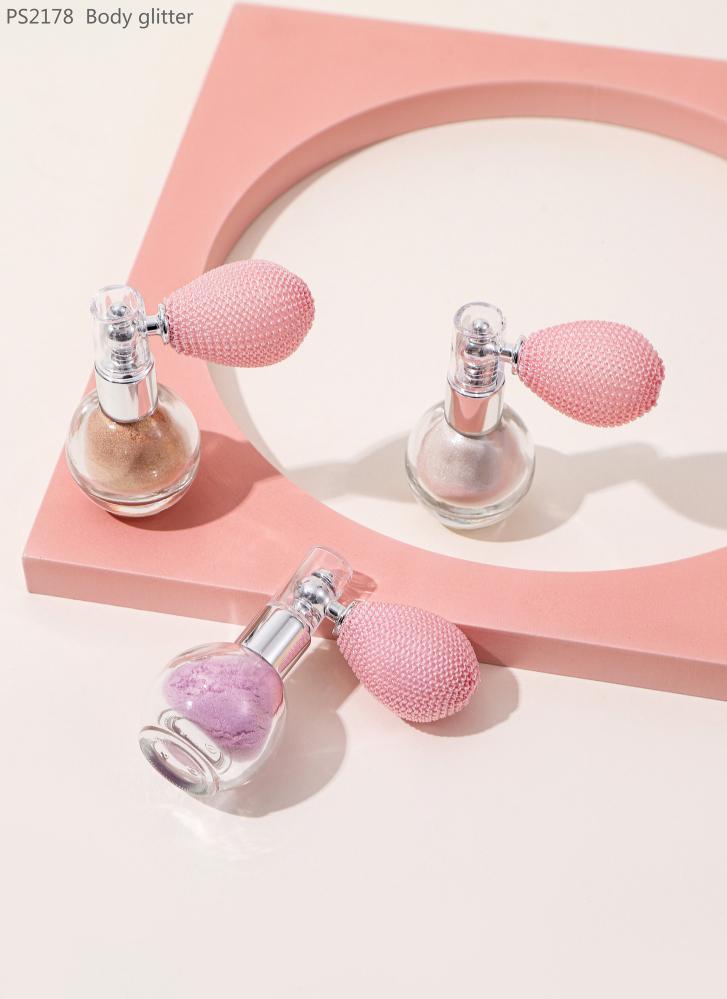
A body glitter formula may look the same at the first swatch with original particles evenly distributed in the formula, but the replacement material could be heavier or interact with the base in a different way. The formula may look the same at first but then settle differently over time.
This same problem occurs with highlighter pressed into cosmetics. A very reflective loose powder may look great in its open form but deliver a completely different color when pressed with cosmetics’ binders.
Reformulation should be judged as a finished product and not on a ‘like for like’ basis with the starting raw materials.
What should buyers test when developing shimmer makeup for the EU market?
A regulatory change can trigger a formula revision, but the revised product still needs to perform commercially. The testing plan should follow the product format and the change made.
For a glitter or shimmer formula, the following review points would be useful:
|
Development area |
What to compare |
|
Visual effect |
Reflection, sparkle, shade and particle visibility |
|
Distribution |
Whether reflective materials remain evenly dispersed |
|
Application |
Pickup, spread, fallout and feel |
|
Stability |
Changes in appearance or separation during storage |
|
Packaging |
Whether the formula remains suitable for the intended component |
A replacement sample should be compared to the product intended to be sold, not to the old formulation’s ingredients list.
Why does packaging matter for glitter and shimmer formulas?
The particles in a formula can affect how the formula moves through an applicator, how it sits in a compact, and how it looks in transparent packaging.
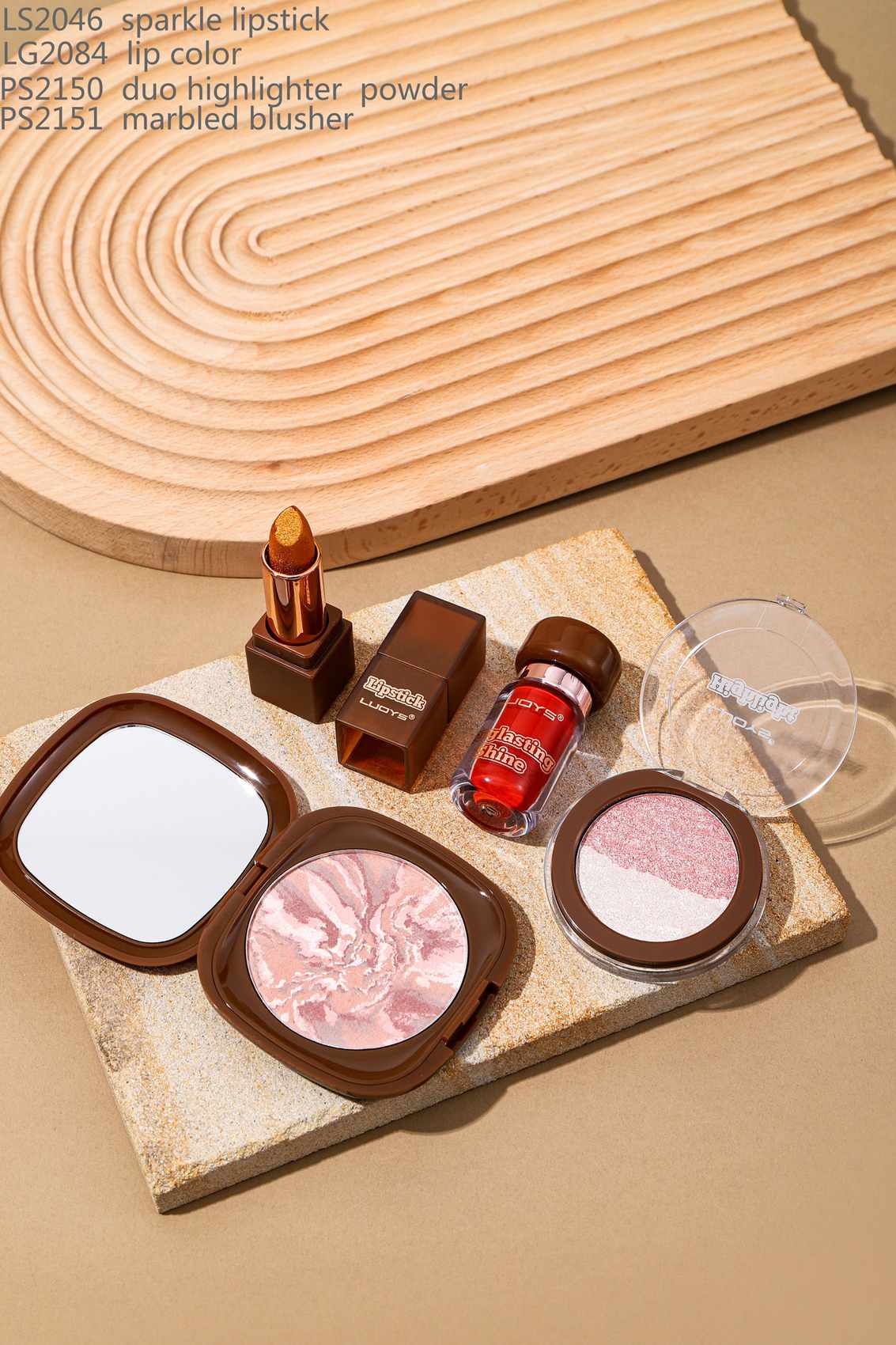
Liquid shimmer products require packaging that delivers uniform pick up to the applicator. Pressed glitter or highlighter products require a pan and pressing process to create a surface and deliver the desired payoff. Sparkling lip products add another layer of considerations with respect to application and feel.
For brands looking into creating products with reflective properties of the face, Limei’s Highlighter, Contour & Bronzer products can be a good reference point. More specific material and testing requirements for this project still need to be determined.
How should brands handle labeling, documentation, and market timing?
The long transitional period does not mean we can wait until 2035 to implement the new regulation. Products launched in 2026 could still be in your brand’s portfolio in 2030 and changing a formulation is not easy once packaging, shade architecture, marketing collateral and repeat order specifications have been set up.
Products that still contain covered microplastics need a statement indicating that the product contains microplastics for make-up, lip and nail products placed on the market between 17 October 2031 and 16 October 2035.
Should brands reformulate immediately?
There is no one-size-fits-all answer. A brand launching a very short seasonal product would likely take a different approach to a brand launching a permanent collection of glitters to sell in the EU over many years.
All the buyer needs to know is whether a particular material is affected, whether alternatives have been evaluated and what the commercial consequences of products needing to be reformulated would be.
By asking these questions in the brief stage for new products, a brand can avoid investing in a material system for a new product that will be replaced in a few years by a later system.
What should OEM buyers confirm before approving a new glitter or shimmer formula?
The buyer should be able to recognize the visual effects created with the materials before going to commercial production.
The project file does not have to develop into a huge regulatory file during the sampling stage. However, some points need to be clarified.
- which glitter, shimmer, or effect materials are used;
- whether their composition has been reviewed for the intended market;
- which documents are available from the raw-material supplier;
- whether an alternative material has been discussed;
- whether formula and packaging tests apply to the final approved version.
What happens when an effect material changes later?
A substitute ingredient should not automatically be approved based on the original approved sample, even if it looks similar. The material properties of a substitute can affect how it will perform in your application, how it will stabilize over time, and affect the feel of your finished product.
The extent of assessment of the revised formula will depend on the extent of change. A simple visual check may determine the need for another review on a small project. For larger projects it may be necessary to assess stability or packaging and repeat the earlier evaluation.
Keep the version of the formula and the documentation for the supporting material in sync.
Need Practical Support When Shimmer Makeup Has to Move From Concept to Production?
Making changes for regulatory reasons is easier when discussing manufacturing of a specific product than when only discussing replacement of glitter. Zhejiang Limei Cosmetics Co., Ltd. is a manufacturer of color cosmetics providing OEM and ODM services from formula development to production of finished products in packaging of choice. The published range of products includes glitter, highlighter, eyeshadow and other forms of make-up with reflective properties. The company’s Service information could be used as a starting point to discuss alternative effect materials, compare samples, discuss packaging and learn about production control. For EU-focused projects, however, these need to be assessed against the actual raw materials, the formula, claims and market circumstances of the project.
Conclusion
Our restriction on microplastics does not have to mean the end of glitter and shimmer to beauty products. While understanding the composition of such products, the pertinent transition dates and change management implications of replacing one effect material with another, Beauty companies can continue to develop those effects sensibly for new OEM projects. Defining the visual target first, checking the documentation of the materials considered early on and testing the finished formula only after a potential substitution for the same effect, allows for the desired aesthetic to be preserved and the product to be prepared for future EU requirements step by step.
FAQs
1. Are all cosmetic glitters banned in the EU?
No. This restriction applies only to synthetic polymer microparticles meeting the definition of glitter, not to all materials that produce sparkle. The composition of the actual glitter or effect pigment must be reviewed to determine its regulatory status.
2. When does the EU transition period end for make-up containing covered microplastics?
A transition period for make-up, lip and nail products will expire on 16 October 2035. From 17 October 2031 covered microplastics will have to be labeled if they are used in such products.
3. Can a brand simply replace plastic glitter with another reflective ingredient?
Substitutions which are technically possible may look and feel differently, have different suspension behavior and may result in a different pressing result. This has to be checked in the end formula and not only on basis of raw material substituteness.
4. Which makeup categories need particular attention?
Products using visible glitter or reflective particles deserve review, including eyeshadow, highlighter, body glitter, lip products, and other shimmer makeup. The actual regulatory assessment depends on the composition of the material used in each formula.
5. Should an existing formula be tested again after the glitter material changes?
The appropriate scope depends on the change, but the revised product should at least be compared against the approved reference. Stability, application, or packaging evaluation may also need to be reconsidered if the replacement changes formula behavior.