

FDA Does Not Issue Cosmetic Registration Certificates: What Should OEM Buyers Verify Instead?

A framed certificate seems like an easy answer to a difficult purchasing question. The buyer wants to know whether an OEM cosmetic can proceed towards a US launch; the supplier sends a document headed ‘FDA registration.’ But what has that document actually established? FDA addressed this on 9 September 2026: an agency-issued cosmetic registration certificate is not something a supplier can obtain, nor does FDA provide documents verifying registration, listing or exemption. The issuer’s name is consequently a useful place to begin reading. A seal cannot do that work.
Who issued the document and what does it claim?
There is a difference between a service provider describing work it completed and FDA confirming a regulatory status. Reading the issuer’s name is often the quickest way to work out which sort of document is on the desk.
Separate private documents from FDA action
A registration number can look like a seal of approval when it appears on a certificate. Read against the FDA clarification, though, its meaning is narrower: neither facility registration nor product listing is an approval program. Obtaining the number does not give a factory or its cosmetic an FDA-approved status. There is no confirming letter or email to obtain from FDA for a claimed facility or responsible-person exemption either. That leaves the buyer with questions about what the supplier actually submitted and who prepared the document being offered.
A consultant, US agent or registration service may nevertheless prepare a private document about its work. That document could be useful. If the service says it submitted information, its author should be able to explain what was submitted and the establishment or product concerned. That explanation would concern the service’s work. Calling its paper FDA-issued would instead attribute the statement to the agency. A retailer may have used ‘FDA certificate’ as a heading in its onboarding form. The form still needs an answer that describes the document’s actual issuer, even if that means explaining why the requested agency certificate is unavailable.
Check claims against underlying records
A service provider may simply have chosen a certificate layout to summarize its work. That choice alone would not establish fraud. A statement that a service provider submitted information raises a different question from a statement that FDA approved a factory. The first may be supported by submission records; registration does not support the second.
The description ‘FDA approved cosmetic factory’ would need correction if the supplier meant only that the facility was registered. The logo supplies no further explanation of what the number covers or whether the registration is current. It may identify the establishment while saying nothing about whether a registration is current. Asking what happened after the number was obtained is more productive than comparing the seals on two suppliers’ certificates.
Can the record be matched to the actual manufacturing site?
A registration record for the wrong establishment can be perfectly authentic and still fail to answer the buyer’s question. For a group with several plants, the buyer has to find out which one will make this order. A number for another plant would leave the production site unanswered.
Reconcile the legal name and physical address
An office handling quotations may appear under a different name or address from the plant doing the work. The difference is understandable once somebody explains the arrangement. Without that explanation, however, the buyer has a quotation from one entity and manufacturing information about another, with no clear connection between them. A brochure covering several facilities cannot show which of them will handle this order.
It is the proposed plant’s legal name and physical address that should appear in the comparison with the supplied registration information. Do those details agree with the registration information supplied? Where the work involves several establishments, somebody familiar with the production arrangement needs to explain how each is reflected in the supplied information. The discrepancy may have an ordinary explanation. Until it has been explained, the buyer cannot tell whether the registration information concerns the place where the order will actually be made.
Verify registration separately from the FEI
FDA’s registration and listing information explains the use of an FDA Establishment Identifier, or FEI, in the facility registration process. An FEI identifies an establishment. Finding one does not establish that MoCRA registration has been completed or that it remains current.
Submission information and current status therefore need their own review. The submission date and the person who handled it give the buyer a starting point for following up an unexplained item. Confidential details can remain within an appropriately limited review. The account holder can explain the relevant site and status without handing account credentials to the buyer. Once the identities agree, a further commercial question remains: how will the buyer learn about a change of manufacturing site before another order is placed?

Does the product listing belong to the product being sold?
A site can manufacture a range of cosmetics. Establishing which site will be used still leaves the buyer asking how the particular product, under the name and entity on its final label, relates to the listing information supplied.
Identify the responsible person on the final label
The name on the final label helps locate the responsible person. Under the applicable provisions, that person is the manufacturer, packer or distributor named there. The reviewer can work through the listing and submission requirements using FDA’s industry guidance. When the buyer’s entity is the one named on the label, naming the OEM in a sales document would not explain the buyer’s role in that review.
The OEM may refer to the formula by its own product code. The buyer may know it only by the brand name chosen for the pack. Those references need to be connected before the responsible person can assess the marketed item against the supplied listing information. Those facts need to be reflected in the review with the responsible person. Similar contents or packaging are a poor basis for procurement to infer that the marketed product has been covered correctly.
Map the marketed SKU to submission information
The practical difficulty is often connecting familiar purchasing information with unfamiliar submission information. The buyer knows its SKU and product name. The regulatory file may use another reference. A cross-reference that includes final ingredient information, the relevant manufacturing site and the supplied listing record helps explain the relationship.
For a range of lip products and face makeup, that explanation belongs at product level. A single facility record cannot establish that every proposed item has been listed. Producing more decorative certificates would not resolve a missing connection between a marketed SKU and the supplied listing information. If a formula or brand detail changes during development, the responsible person needs to hear about it; otherwise, the commercial discussion and listing review can begin to describe different products. A changed manufacturing site raises the same need for review and communication.
Is the evidence current or is an exemption being assumed?
An old receipt may answer what happened at submission and leave today’s status open. A claim of exemption creates another question again: which facts support that conclusion for the activities and products concerned?
Check renewal dates and current status
A facility’s first submission is not the only date the buyer needs to understand. For covered facilities, renewal comes every two years; product listing updates from responsible persons are annual. Cosmetics Direct gained fields for registration status and renewal date in February 2026. Where it is the system used, the authorized account holder can supply a dated view of those fields alongside the submission information, so the buyer can see which stage the saved receipt describes.
An initial receipt may predate a renewal that should have happened later. Reading that receipt alone cannot reveal whether the later action took place. The buyer can follow up by naming the establishment and asking about its current renewal information. If that is still missing, the vendor approval can remain conditional on receiving it from the identified person. That is a purchasing control, not an additional FDA certificate requirement.
Assess the documented exemption basis
A claim that the business is small needs to be examined against the applicable provisions, rather than accepted as a complete explanation. The MoCRA overview covers small-business exemptions but also describes product categories excluded from them. What the business does and which products are involved can therefore affect the answer, even where its size would otherwise appear relevant.
FDA does not issue an exemption certificate to finish that discussion. A documented explanation is therefore more useful than a promise to obtain one. Keeping “submitted,” “current registration,” “product listing” and “product approval” distinct also prevents one administrative record from being used to answer four different questions. Where a point remains unresolved, the review date and required evidence should be clear enough that both sides know what would close it.
What remains to check after registration and listing?
A buyer might have resolved the establishment’s identity and still be discussing a claim on the pack. Completion of the registration review would not resolve that wording question or the product’s safety review.
Confirm the safety and regulatory workstreams
MoCRA places the duty to maintain adequate safety substantiation records with the responsible person. Registration and listing do not replace that work or the label review. The FDA summary of labelling requirements also explains why intended use matters: it can bring a product under both cosmetic and drug requirements.
A sunscreen or a product promoted with treatment claims needs its regulatory route examined on that basis. A cosmetic registration file cannot answer the classification question. This is why evidence about the site should not be allowed to stand in for evidence about the formula or claims.
Record the remaining launch conditions
For most cosmetics, there is no FDA premarket approval step. Color additives have separate approval requirements, as explained in Cosmetics and US Law. A buyer who stops looking for an approval document still has to address the requirements that apply to the product.
Questions about safe use need to be considered for the final formula, just as the US wording needs to be considered for the pack that will be sold. Settling an address discrepancy at the plant does nothing to establish whether a treatment claim is appropriate. The order can therefore have satisfactory site and registration information while its claims are still under review. Purchasing needs to know about that unfinished work before releasing it.
Need an OEM product discussion supported by clear records?
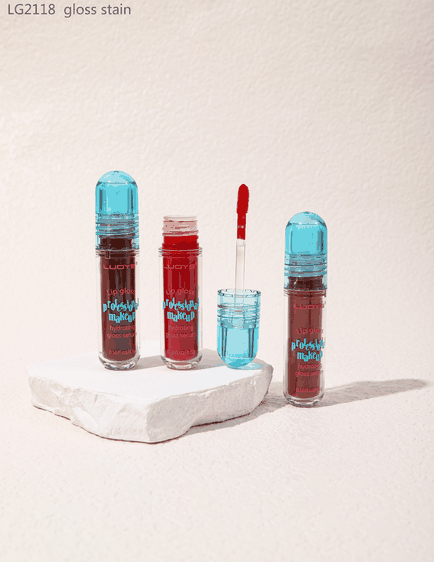
The LG2118 gloss stain page gives a buyer one product reference for a discussion with Limei Cosmetics Co., Ltd. about its makeup and skincare range. For a US project, the entity intended for the label is useful information to bring to that conversation. Through the commercial contact, the buyer can find the person able to explain which site is proposed for the order and discuss what submission information is available to share. The catalogue does not show the submission history of that proposed order. Matching it to the actual production arrangement remains part of the project discussion.
Conclusion
Before sending another request for an FDA cosmetic certificate, the buyer can name the item that remains unexplained. Perhaps the factory has been identified but its latest renewal has not been shown. Or the supplier has supplied listing information without explaining how the buyer’s branded product relates to it. That gives the relevant person a question they can answer, rather than another request for a document FDA does not issue. The launch decision still includes safety and label work, including the claims on the pack. Those questions do not disappear when the administrative information is satisfactory.
FAQs
1. Can a third-party registration certificate be useful?
As a summary of the issuer’s work, it may help the buyer understand what was done. Its statements need to be supported by the underlying submissions or other relevant information. A document prepared by a service provider remains that provider’s document; presenting it as one issued by FDA would be inaccurate.
2. Does an FEI prove current MoCRA registration?
An FEI identifies an establishment. To establish current MoCRA registration, the buyer also needs to understand the registration submission and present status; finding the identifier alone stops short of that.
3. Does facility registration cover every private-label SKU?
A factory identifier tells the buyer which establishment is concerned. It does not describe how the buyer’s SKU is covered in the product listing information. The responsible person needs to explain that relationship for the marketed product.
4. What if a platform insists on an FDA certificate?
The official FDA clarification provides a basis for asking which alternative records the platform accepts. A platform’s document policy does not make an FDA-issued certificate available.