

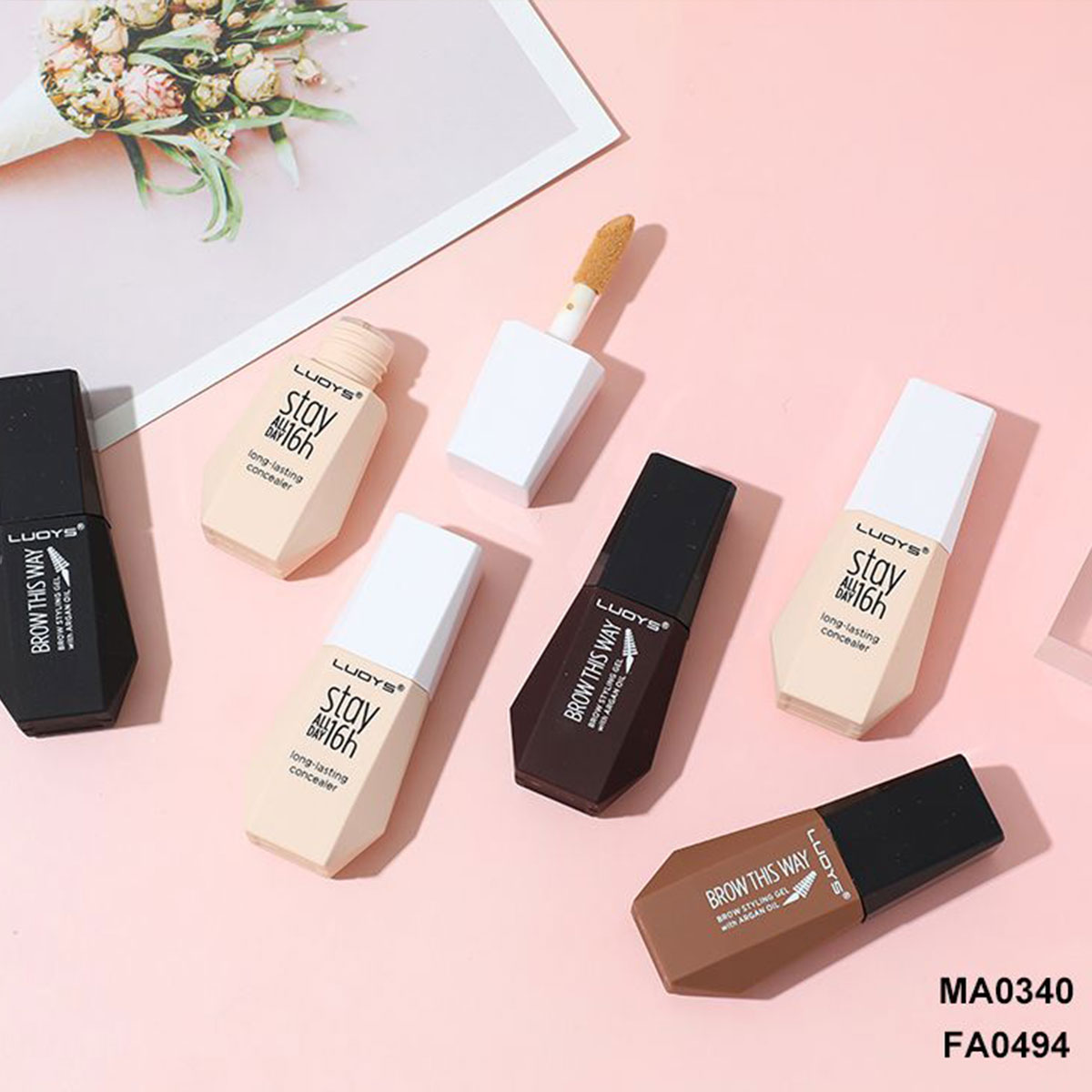
From Lab to Tube: How Each Component Works in Harmony for a High-Performance Lip Gloss
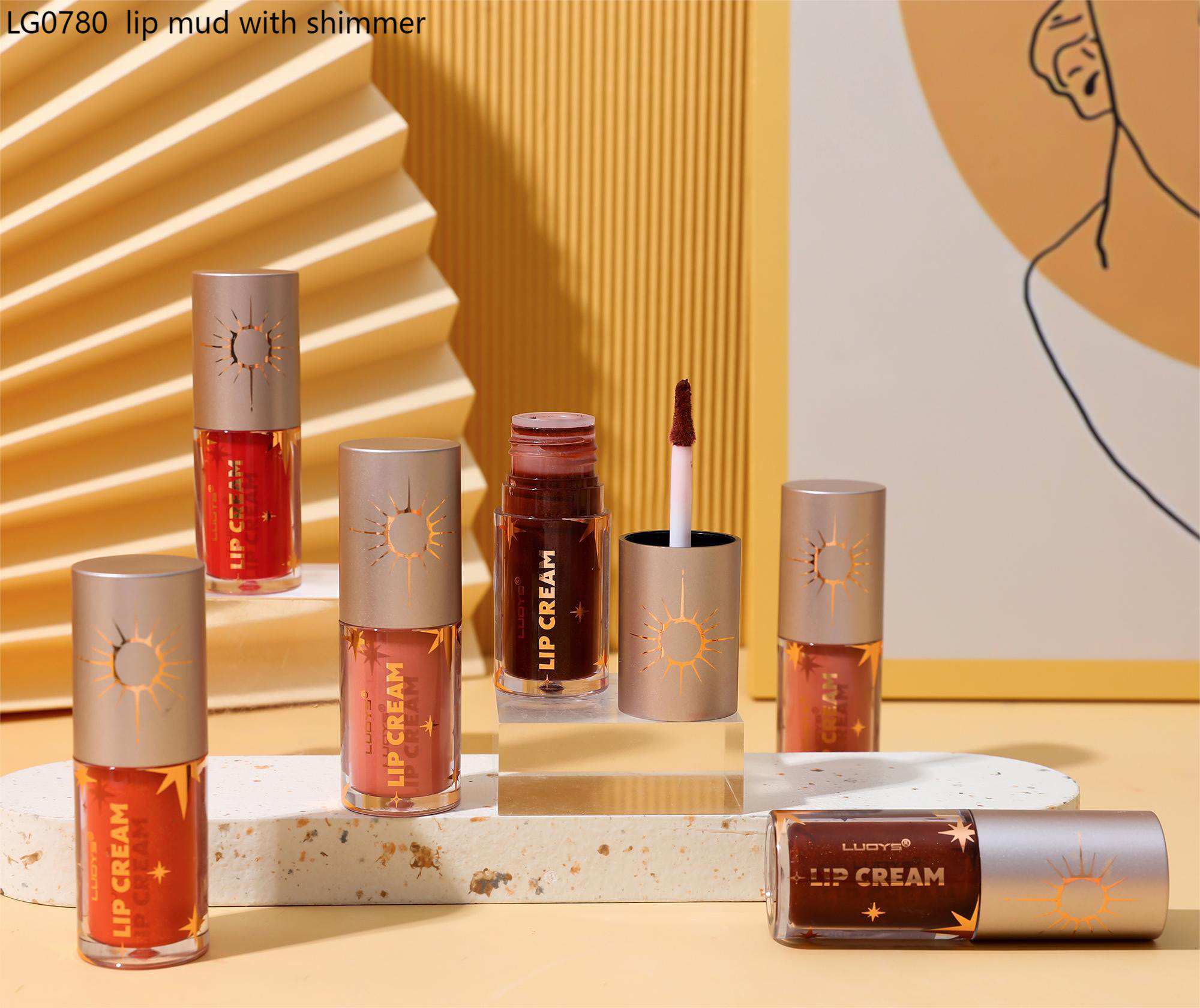
Picture this. A woman grabs her lip gloss first thing in the morning. She applies a quick swipe. Then she heads out for brunch. Coffee comes. Conversation flows. Hours pass. By late afternoon, that same glossy shine still catches the light. No smudging into fine lines. No annoying tacky drag. Just smooth, comfy coverage that hangs on. That kind of staying power isn’t random luck. It comes straight from smart ingredient choices. And even more from how those pieces play off each other.
High-performance lip gloss goes way beyond dumping shiny stuff into a tube. Real success happens through teamwork inside the formula. Oils bring the wet, glassy look. Waxes build the backbone so it doesn’t slide everywhere. Colors and sparkles deliver payoff without weighing things down. Then actives step in to keep lips from feeling parched. Mess up the proportions even a little, and problems pop up fast. Maybe it turns runny. Or sticky. Or the color patches weirdly. Or it vanishes after one sip.
Formulators tinker for months. They tweak ratios. Run stability checks across hot and cold swings. Test how it wears on real people. Because the gap between mediocre gloss and something exceptional often hides in tiny details. Let’s walk through the main building blocks. See exactly how they link up to create killer texture, beautiful color, solid wear, and that feel-good touch.
The Base: Oils and Emollients for Shine and Comfort
The liquid part kicks everything off. Oils plus emollients usually fill 60 to 80 percent of the mix. So they control the first impressions. How glossy it appears right away. How easily it glides on. Whether lips end up feeling soft and fed or just slick and heavy.
A few standouts show up again and again.
-
Hydrogenated polyisobutene and polybutene deliver serious shine. Their refractive index sits high. They form a bendy film too. That helps the gloss cling longer than plain natural oils.
-
Castor oil remains a go-to. It stays clear. It spreads pigments evenly. No weird separation shows up later.
-
Things like jojoba, squalane, or argan oil join in smaller doses. They add skin-mimicking moisture. They cut any overly synthetic vibe.
Balance is everything here. Pile on too much thin oil. The gloss runs off lips in minutes. Go too thick. It feels like petroleum jelly. Smart labs often mix high-shine synthetics with lighter esters. That combo nails mirror-level reflection. Without the greasy slide.
Structure Builders: Waxes and Thickeners for Body and Longevity
Waxes take the shiny liquid and give it shape. They crank up thickness. Stop color from bleeding into lines. Help the whole thing last through talking and light snacks.
Common ones include these.
-
Candelilla or carnauba. Plant-sourced. Hard. High melt points. They add firm structure. Without turning brittle.
-
Microcrystalline wax or softer synthetic versions mimic beeswax. They keep things flexible on lips.
-
Ozokerite or polyethylene. These allow tight control over hardness levels.
Dosage changes the game. Around 5 to 10 percent usually hits right. You get cushy body. Pigment stays locked in place for four to six hours of actual wear. Push higher than 12 or 15 percent. Application drags. It starts feeling waxy. Formulators check rheology carefully. Does it snap back smooth after bending? Or does it crack?
Color Delivery: Pigments, Dyes, and Pearls for Payoff and Dimension
Color ranges wide in gloss. Clear. Sheer. Or more built-up. Each style needs its own strategy.
-
Pre-dispersed iron oxides, titanium dioxide, or organic lakes go in oil first. That prevents streaks. Keeps color uniform.
-
Soluble dyes, often in castor, bring bold tint. They add intensity without bulk.
-
Interference pearls or synthetic fluorphlogopite create shifting sparkle. Smaller particles (10 to 60 microns) feel smooth. Bigger ones give chunky glitter vibes.
Pearls love high-refractive oils. Those oils boost shimmer dramatically. Waxes suspend them properly too. No settling in the tube over time. No floating mess.
Active Ingredients and Functional Additives for Lip Care
Today’s gloss does more than look pretty. People want comfort. Especially over long stretches.
A few favorites perform quietly.
-
Vitamin E (tocopherol) plus ascorbyl palmitate fight oxidation. They protect oils. Guard lips from daily stress.
-
Hyaluronic acid spheres or marine collagen peptides sneak in hydration. They plump subtly. No sticky residue.
-
Ceramides or plant sterols reinforce the lip barrier. Dryness stays away even after hours.
-
Trace cooling agents (gentle menthol types) refresh on contact.
These usually total under 2 to 3 percent. More risks instability or off smells. When placed right, they shift basic gloss into something that actually helps lips feel better with use.
The Manufacturing Harmony: Where Science Meets Consistency
Ingredients alone don’t cut it. Production has to nail precision. Mixing heats to 70–85°C. Waxes melt completely. Sensitive oils and actives stay safe. High-shear mixing breaks pigment clumps. Texture turns silky. Vacuum pulls out air bubbles. Those bubbles otherwise cause dull spots or uneven shine.
Testing comes next. Freeze-thaw rounds. Accelerated heat aging at 40°C. Centrifuge spins check separation. Panel wear trials measure shine retention. Color transfer. Comfort after four hours.
Only formulas that clear every hurdle reach filling lines. Automated tubes keep batches uniform. That’s huge for clients needing steady results across thousands of pieces.
Why This Balance Delivers Real Results
Imagine two glosses next to each other. One feels slick initially but fades after a single coffee run. The other applies effortlessly. Builds lovely sheer-to-medium color. Stays looking fresh through meetings and meals. The secret? Careful interplay among parts.
High-performance lip gloss formulation gets that balance spot-on. Deep shine. Real staying power. True comfort. All wrapped in one clean system.
About Limei
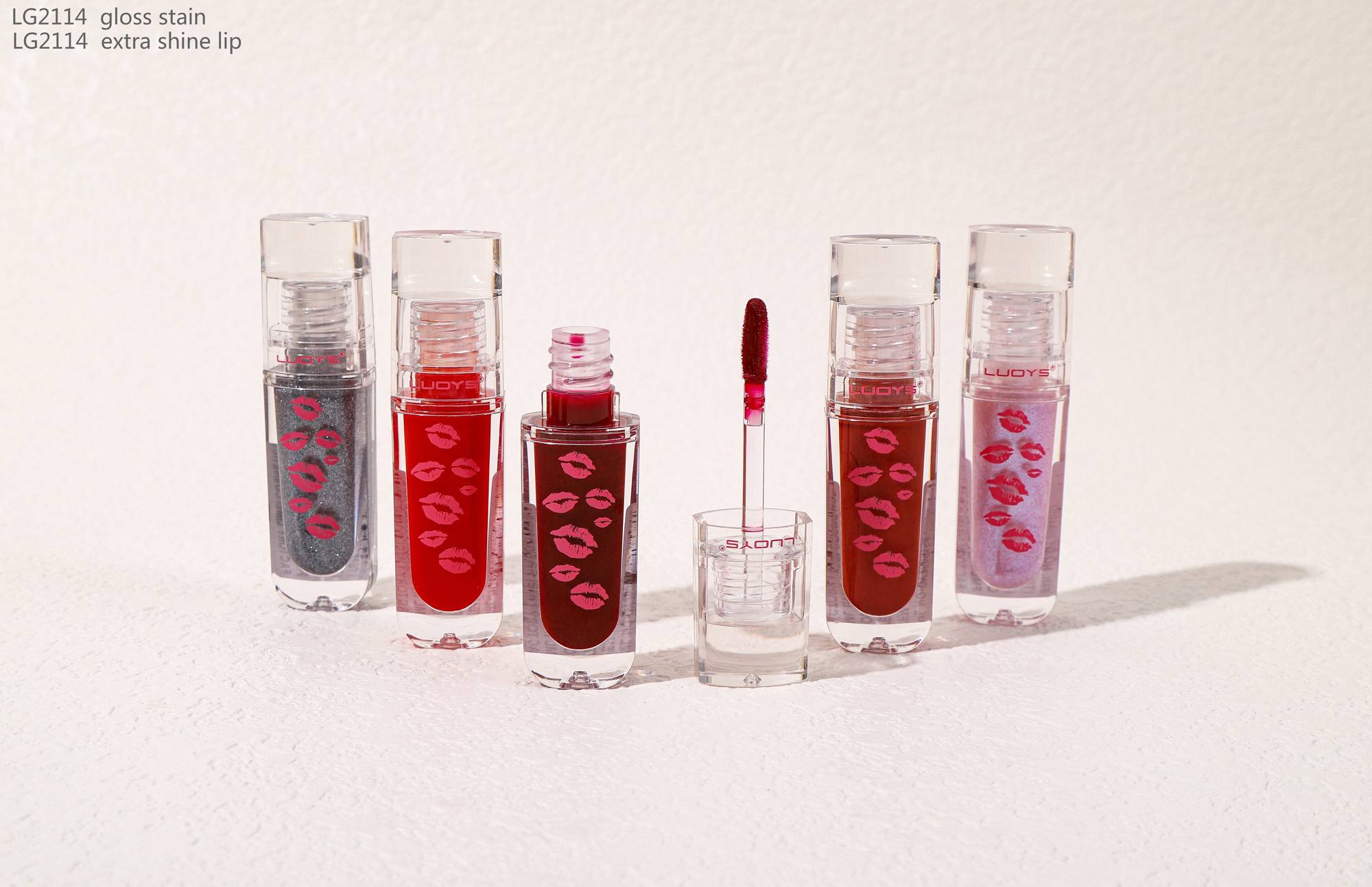
Limei stands as a dedicated B2B cosmetics manufacturer specializing in color cosmetics, including premium lip gloss, lipstick, and other face and eye products. With a focus on OEM and ODM services, the company supports brands worldwide through custom formulation, private labeling, and reliable wholesale supply. Backed by experienced R&D and strict production standards, Limei helps clients bring high-quality, market-ready lip gloss to shelves—whether for everyday shine or elevated performance.
Conclusion
Every solid tube of high-performance lip gloss hides a quiet bit of science magic. Oils, waxes, colors, and actives don’t simply sit together. They lift each other up. When ratios hit just right and processes stay tight, you end up with more than makeup. You get luxurious look. Dependable wear. Lips that feel good hour after hour. That kind of teamwork turns ordinary gloss into the one people keep grabbing.
FAQs
What makes a lip gloss “high performance”?
High-performance lip gloss mixes strong, non-sticky shine with color that lasts and comfort that sticks around. It fights feathering. Keeps lips hydrated. Holds up during chats, snacks, drinks—often four to six hours or longer. Smart oils, film formers, and steady waxes make it happen.
Which ingredients give lip gloss its signature shine?
High-refractive oils such as hydrogenated polyisobutene and polybutene create that glassy finish. Add interference pearls or fluorphlogopite. They produce shifting sparkle. The real key lies in oils that bounce light hard. Without turning greasy.
How do waxes affect lip gloss wear time and texture?
Waxes build body and hold. They help the gloss stay put longer. Prevent bleeding into lines. Candelilla, carnauba, or synthetics at proper levels form a flexible layer. Too little. It slips away fast. Too much. Application drags badly.
Can lip gloss include skincare benefits without compromising shine?
Sure thing. Formulas now slip in hyaluronic acid, ceramides, or antioxidants at low doses. They hydrate. Protect. All while blending smoothly into the oil-wax system. Shine and lightweight feel stay intact.
Why does formulation balance matter so much in lip gloss?
Components talk to each other constantly. Oils shine but need waxes for hold. Pigments demand good dispersion or they settle. Actives must remain stable without messing texture. Tiny ratio changes flip a winner into one that separates, turns tacky, or wears off quick. Getting the mix precise creates consistent, enjoyable results.