

How Can Beauty Brands Evaluate Cushion Foundation Packaging Before Launching a New Product?
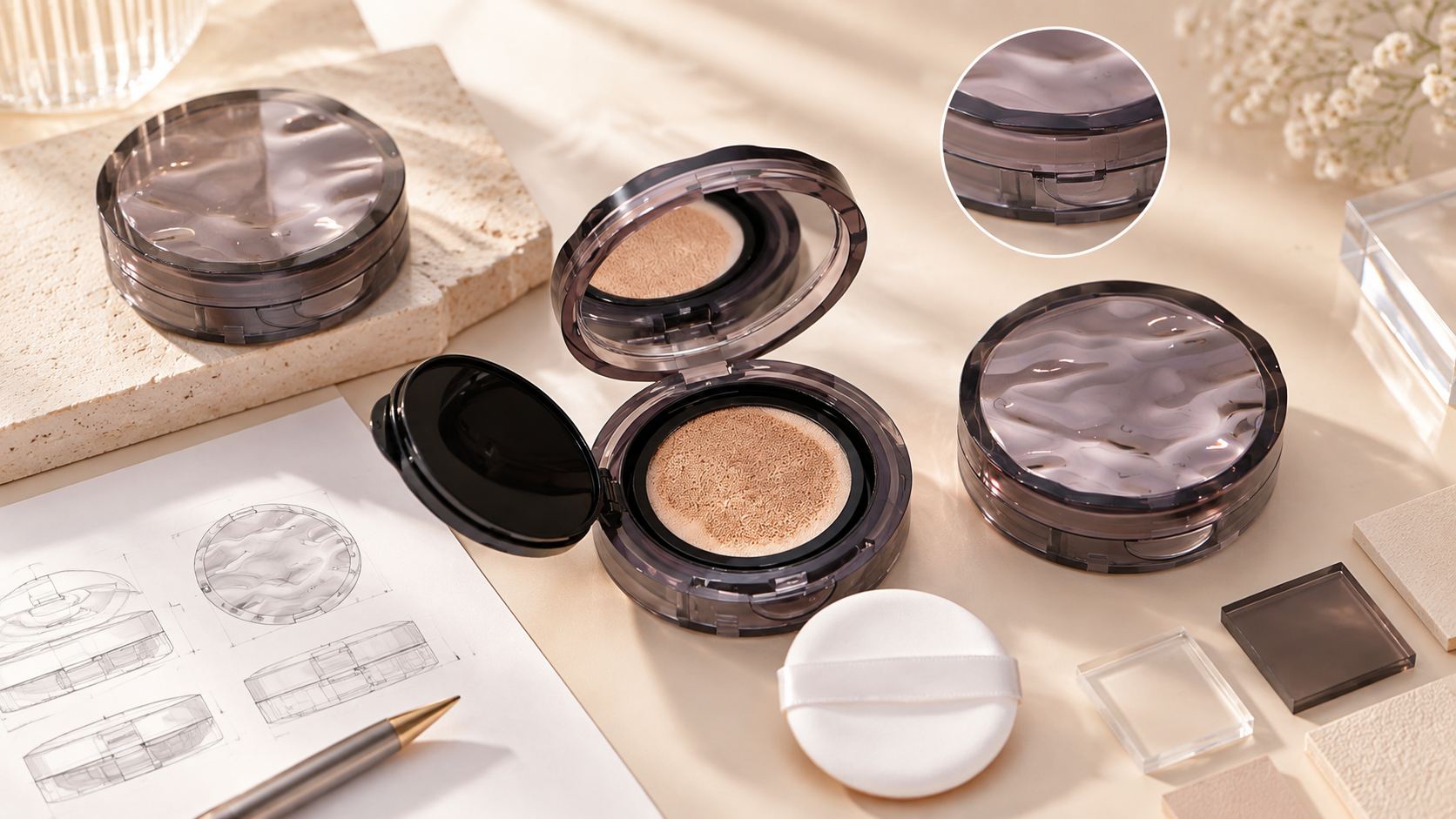
A cushion foundation project is often judged by the formula first, but the packaging determines how that formula is delivered, protected, and experienced by consumers. Unlike bottles or tubes, cushion systems combine several functions inside one compact structure, including formula storage, product transfer, and daily application. A foundation may achieve the expected coverage and finish during development, yet the final result can change after it is matched with the inner container, puff, and package design. Before launch, beauty brands need to understand whether the packaging can support the formula throughout production and consumer use. A complete evaluation helps identify possible problems earlier and creates a closer connection between the approved sample and the final product.
Why does cushion foundation packaging need to be evaluated with the formula?
Cushion foundation packaging is closely connected with formula performance. The package is not only a container; it affects how much product is accessed, how the formula is transferred, and how the consumer applies the foundation.
During development, a formula that performs well in a laboratory container may behave differently after being placed inside a cushion system. The texture, inner structure, and applicator all influence the final result.
For example, a lightweight formula may require a different internal structure compared with a thicker foundation designed for higher coverage. If the package does not match the formula characteristics, the application experience may change.
What makes cushion packaging different from traditional foundation packaging?
Traditional foundation packaging mainly focuses on storage and dispensing. Cushion systems need to manage several functions at the same time:
-
keeping the formula accessible during use;
-
controlling the amount transferred to the puff;
-
protecting the product during storage;
-
supporting convenient daily application.
Because consumers interact with the package every time they use the product, small details can affect their overall impression.
A compact that looks suitable during an initial review may feel different after repeated opening, closing, and application.
Which parts of the cushion system influence performance?
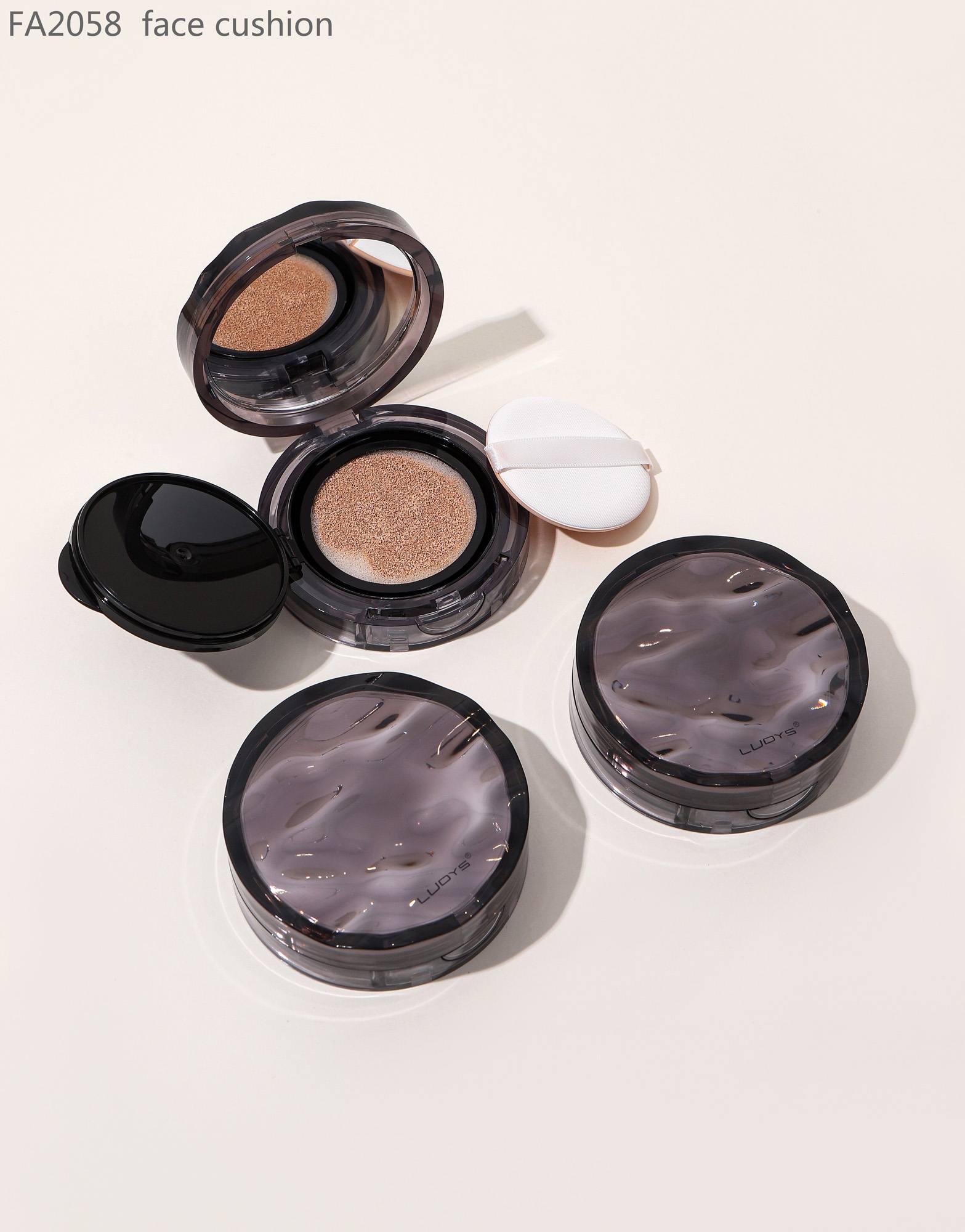
A cushion foundation usually includes several connected components:
-
compact case;
-
inner container;
-
sealing structure;
-
puff;
-
formula.
The inner container affects how the product remains available. The sealing structure influences protection. The puff controls how the foundation reaches the skin.
Looking at each component separately may not reveal issues that appear after the complete system is assembled.
How should brands review cushion compact performance before production?
A cushion compact needs to perform under real usage conditions, not only during a short internal review. Consumers may open the package several times a day, press the puff into the product repeatedly, and store the compact in different environments.
For this reason, packaging evaluation should consider practical handling.
What should be checked during compact testing?
| Component | Review focus |
|---|---|
| Compact structure | Stability and ease of operation |
| Inner container | Formula accessibility and distribution |
| Closure system | Protection during storage |
| Puff compartment | Convenience during use |
| Overall handling | Daily user experience |
These checks become more meaningful when completed with the finished formula inside the package.
An empty compact can show the external design, but it cannot show how the formula behaves during actual use.
Why are filled samples important?
Once the formula is filled into the package, several questions become easier to answer:
-
Does the product remain evenly distributed?
-
Does the puff collect the expected amount?
-
Does the foundation apply consistently?
-
Does the package remain convenient after repeated use?
This stage often reveals differences that are not visible during early packaging discussions.
Brands developing complexion products can also review the manufacturer’s Foundation category for related product formats.
How can puff selection affect cushion foundation application?
The puff is a small part of the cushion system, but it has a direct influence on how consumers use the product.
The same foundation formula may create different results depending on how the puff collects and releases the product.
What factors should be considered when reviewing cushion puffs?
Puff performance can influence:
-
product pickup;
-
blending behavior;
-
coverage appearance;
-
application comfort.
A puff that absorbs too much product may affect efficiency. A puff that releases product too quickly may make application more difficult to control.
The right choice depends on the product concept. A lightweight daily foundation and a high-coverage foundation may require different application characteristics.
Why should the puff be tested with the final formula?
Testing the puff separately cannot fully represent the final consumer experience.
The interaction between formula texture, inner container, and puff material determines how the product appears on the skin.
A puff that works well with one foundation may not provide the same result with another formula, which is why the complete combination needs to be reviewed together.
What packaging checks should be completed before cushion foundation launch?
Before production begins, packaging evaluation needs to move beyond appearance. The package should support the product during filling, storage, transportation, and daily consumer use.
Many packaging issues only become visible after the complete product is assembled.
Which areas need attention before production?
Common review areas include:
-
sealing performance;
-
component fitting;
-
formula protection;
-
application consistency;
-
long-term usability.
The focus may vary depending on the product positioning.
A daily-use cushion foundation may require more attention to repeated handling, while a premium product may place more focus on structure and presentation.
How can transportation influence packaging decisions?
Before reaching consumers, the product experiences several stages:
-
filling;
-
storage;
-
transportation;
-
retail handling.
Movement and environmental changes during these stages may influence the relationship between the package and formula.
Reviewing these situations before launch can help identify possible risks before they become production issues.
How should brands manage cushion packaging changes before final approval?
Packaging development often involves adjustments before mass production. A component may change because of manufacturing requirements, material availability, or design updates.
The important part is understanding whether the change affects the finished product.
What information should be confirmed before approval?
The final packaging reference should clearly identify:
-
package structure;
-
selected components;
-
formula compatibility requirements;
-
appearance expectations;
-
quality checkpoints.
Clear information allows different teams to work from the same product reference.
Why do similar packaging components still require testing?
Two components may look similar but behave differently after assembly.
A different inner container may influence product distribution. A different puff may affect application results. A different sealing structure may influence product protection.
For this reason, alternative components should be reviewed with the complete cushion system before approval.
Need Practical Support When Cushion Foundation Packaging Moves Into Production?
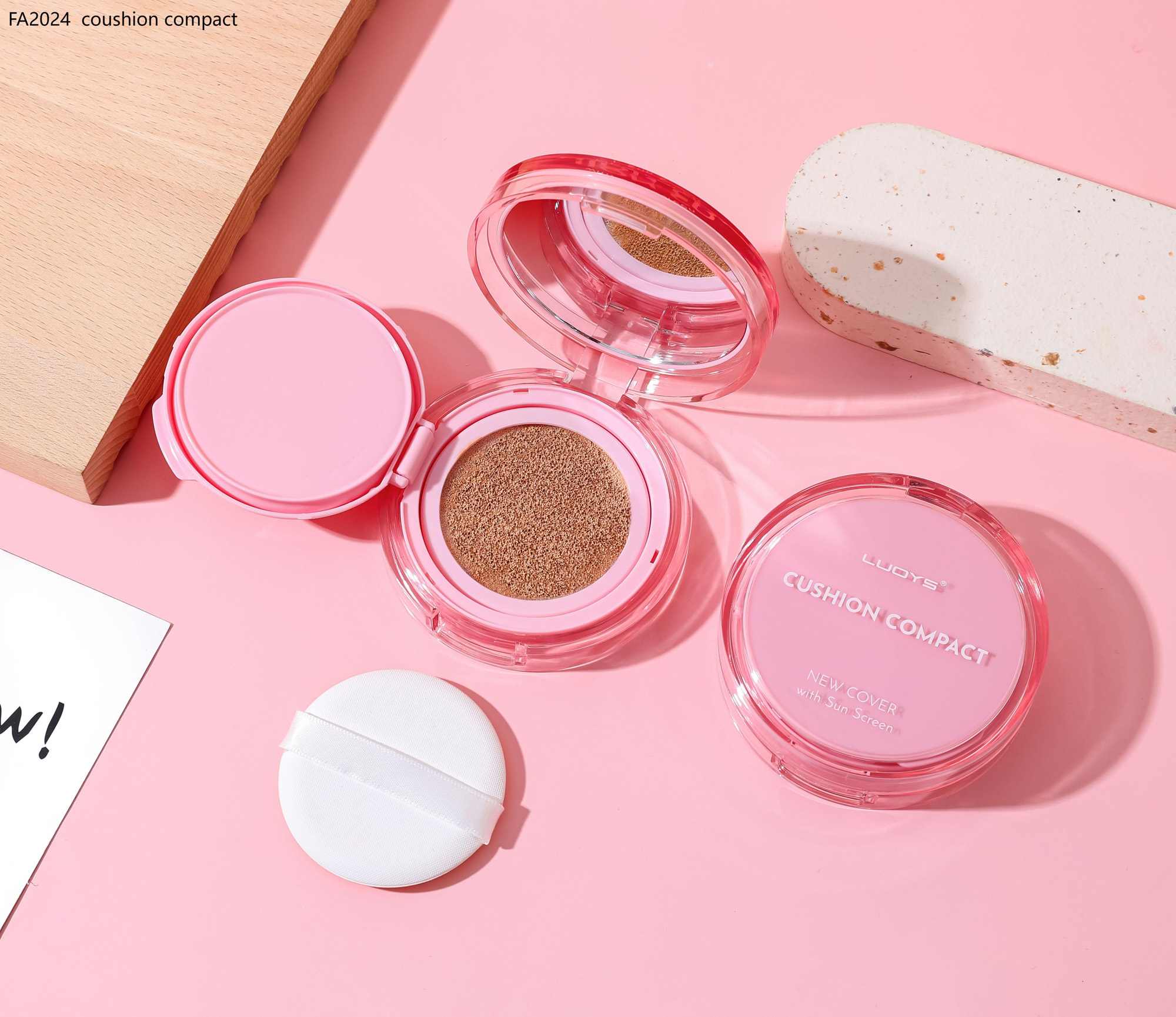
When cushion foundation development moves from concept design into manufacturing, packaging decisions need to remain connected with formula requirements, filling processes, and quality expectations. Zhejiang Limei Cosmetics Co., Ltd. provides OEM and ODM support for color cosmetics, with its website describing R&D, quality inspection, filling, packaging, and production capabilities. The company’s Foundation category provides references for complexion products, while its Service information introduces support available during customized cosmetic projects. For brands preparing cushion foundation products, discussions around compact structure, formula compatibility, sample testing, and production control help connect the initial product idea with the final commercial product.
Conclusion
Cushion foundation packaging evaluation is closely related to product performance. The compact, inner container, puff, formula, and production conditions all influence how consumers experience the final product. Reviewing these elements together before production allows brands to identify possible problems earlier and create clearer expectations during development. A complete evaluation process helps reduce differences between the approved sample and the commercial product after launch.
FAQs
1. Why does cushion foundation packaging need special evaluation?
Cushion packaging combines formula storage, product transfer, and application functions. The package needs to protect the product while maintaining a consistent user experience.
2. Should cushion packaging be tested with the final formula?
Yes. Formula and packaging influence each other, so testing them together provides a more realistic understanding of product performance.
3. How does the puff affect cushion foundation results?
The puff affects product pickup, blending, and coverage appearance. Different materials and structures can create different application experiences.
4. What should brands review before approving cushion packaging?
Brands should review package structure, sealing performance, formula compatibility, application experience, and production consistency.
5. How should cushion packaging changes be handled after approval?
Any change should be reviewed based on its possible effect on the complete product experience before entering regular production.