

How to Choose the Right Cosmetic Manufacturer for Your Liquid Foundation Line
Starting a liquid foundation line can feel like stepping into a crowded room full of options. You’ve got your vision—maybe a dewy finish for everyday wear or a matte formula that holds up in humid weather. But turning that idea into bottles on shelves? That’s where picking the right manufacturer comes in. It’s not just about finding someone who can mix pigments and emulsions. You need a partner who gets the nuances of skin tones, regulations, and market shifts. In this post, we’ll break down the essentials, from sorting out ODM and OEM differences to spotting red flags in potential suppliers. Stick around, and you’ll walk away with a clearer path to launching your line successfully.
Understanding ODM vs. OEM in Liquid Foundation Production
People throw around ODM and OEM a lot when talking about making liquid foundation. The words sound alike. Yet they change everything about how your product gets created. Pick the wrong one, and you might end up with a texture that feels off. Or colors that don’t suit your brand story. Worse yet, delays could eat up your cash fast.
What is OEM?
OEM means Original Equipment Manufacturer. Picture it like hiring a builder for your dream house. You bring the detailed plans. They follow them exactly and build it. For liquid foundation, you supply the full recipe. You decide on the silicones that give that smooth glide. You pick the titanium dioxide levels for coverage. You even choose extras like hyaluronic acid for extra moisture. The factory simply makes it using their machines and skills.
I have watched new brands do really well with OEM. They already tested a great formula in their own labs. One small team I knew created an amazing range of shades for richer skin tones. They chose OEM. The factory produced it perfectly without any changes. Every batch looked and felt the same. Shoppers loved it. But there’s a downside. If your original mix has even a tiny problem, it shows up big time when you make thousands of units. You also pay all the research costs yourself before anything gets made.
What is ODM?
ODM stands for Original Design Manufacturer. This time, the factory brings ideas to you. You tell them your wishes. You want a light liquid foundation with medium coverage. It needs SPF 30. It has to be vegan. They take it from there. They create it fresh or adjust formulas they already have.
This way works great for beginners who don’t have deep technical knowledge yet. Imagine a beauty lover who notices few good oil-free options for breakout-prone skin. They team up with an ODM company. That company has solid base recipes already proven stable. They tweak things. Maybe they add niacinamide to soothe irritation. They run all the necessary tests. Many industry reports show ODM can shorten your launch time by a good 40%. Why? You skip months of trial and error. You use their proven knowledge instead.
Key Differences in Practice
Let’s lay it out clearly. Here’s how ODM and OEM stack up when you make liquid foundation:
|
Aspect |
OEM (Original Equipment Manufacturer) |
ODM (Original Design Manufacturer) |
|
Product Development |
You provide the full formula and design. Manufacturer executes. |
Manufacturer designs and develops based on your brief. |
|
Control Level |
High—you dictate every detail, from ingredients to packaging. |
Medium—you guide, but they handle the heavy lifting on formulation. |
|
Time and Cost |
Longer setup if formula needs refinement; higher initial R&D costs. |
Faster launch; lower upfront costs since they use in-house expertise. |
|
Customization |
Total flexibility, but you bear the risk of errors. |
Good customization with built-in quality checks from their templates. |
|
Best For |
Established brands with proprietary recipes. |
Startups or brands expanding lines quickly. |
In the real world, it comes down to where you stand right now. If money is tight and you’re just starting, ODM often saves time and headaches. But if your liquid foundation has something truly special—like rare plant extracts from a certain place—then OEM keeps your secret formula safe.
Key Factors to Consider When Choosing a Manufacturer
Finding the right factory takes more than browsing lists online. You have to dig deep. Skip the important checks, and you could deal with product recalls. Angry customers. Stalled sales. Let’s go over the things you really need to look at.
Research and Development Capabilities
Good R&D keeps everything alive. A strong team can create formulas that last all day. They handle sweat. They match the latest trends, like super clean ingredients. Ask about their lab. Do they have chemists who focus on emulsions? How do they make sure shades look right on many different skin tones?
Top factories use tools like spectrophotometers. Those machines check color perfectly. I once helped a client switch suppliers. The first one couldn’t keep a light foundation from separating after sitting on shelves a few weeks. Look for partners who already launched winning products. They often show real examples of how they created long-wearing formulas with smart silicone mixes.
Minimum Order Quantity (MOQ)
MOQ means the smallest number of units they’ll run. For liquid foundation, it usually starts around 1,000 bottles. Too big, and you’re stuck holding lots of stock you can’t sell quickly. Talk it over. Base it on your sales guesses. Some places let you start small then grow.
I’ve seen brands begin with just 500 units because the factory was flexible. They tested the market first. Then they ordered more. Lower MOQ might cost a bit more per bottle. But it’s worth it when you’re trying things out.
Compliance and Certifications
Rules matter a lot. Your factory needs things like ISO 22716 for good manufacturing. They should have cruelty-free badges if that fits your story. For liquid foundation sold in the US, FDA rules apply. In Europe, check REACH for preservatives and allergens.
Don’t believe words alone. Ask for proof. Real partners welcome audits. Think about green practices too. Things like ECOCERT help when buyers care about organic ingredients. Ignore this part, and you risk big fines. Or even getting pulled from stores. It happened to several brands over hidden parabens.
Here are other things to check:
- Quality Control Processes— They test viscosity and pH during production. Every bottle stays consistent.
- Supply Chain Reliability— Steady pigment sources stop color shifts.
- Lead Times— Plan for 8 to 12 weeks. Missing a season hurts.
- Customer Support— Quick answers help fix issues fast.
Balance these against what you need. A factory strong in every area might charge more. But happy customers make it worth every penny.
Why Partnering with the Right Manufacturer Matters for Your Liquid Foundation Success
The best partner does more than fill bottles. They help your whole brand grow. Think about launching a liquid foundation that blends smoothly. It gets great reviews. It scales easily. That’s the win. Choose poorly? You get cakey texture. Colors that change on skin. Batches that vary. People talk online fast. Bad news spreads.
Studies show brands with dependable suppliers enjoy about 25% more repeat buyers. Trust goes both ways. You trust them. Your customers trust you. Focus on long-term matches instead of the cheapest price.
Introducing Limei: Your Trusted Cosmetics Supplier
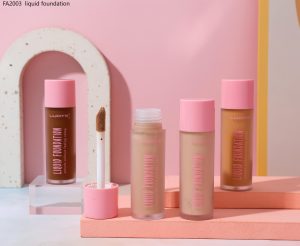
When you search for a solid cosmetics partner, Limei really stands out for brands ready to build liquid foundation collections. They run a modern facility. They focus on top-notch formulas. They mix fresh ideas with steady reliability. Over the years, they have built skill in many finishes—from soft matte to radiant glow. They always pick gentle, skin-loving ingredients.
Limei’s strong R&D team creates custom mixes. Want a hydrating foundation with serum-like feel? They deliver. Need full coverage packed with antioxidants? No problem. They handle both ODM and OEM. That gives you plenty of choices. They keep MOQs reasonable, often around 1,000 units. New brands find it easy to get started. Their certifications include GMP standards. They offer cruelty-free options too. Everything meets worldwide requirements.
People who work with them praise the fast service. They love the helpful communication. If you want a liquid foundation line that grabs attention, Limei’s experience with diverse shades and current trends makes them a great choice.
Conclusion
Picking the perfect cosmetic manufacturer for your liquid foundation line really comes down to matching goals, skills, and trust. Think carefully about ODM versus OEM. Check R&D strength. Look at MOQ. Review certifications. Do this, and you set your brand up for success. The work now avoids big problems later. You end up with products that customers love. Your business grows strong. Ready to take the next step? A dependable partner like Limei might just open the door.
FAQs
What are the main differences between ODM and OEM for liquid foundation production?
ODM lets the manufacturer create the product from your ideas. This speeds things up, especially if you’re new to formulas. OEM means you give them the exact recipe. You keep more control, but it takes more effort at the start. Both can produce excellent liquid foundation. ODM often helps new brands reach stores quicker.
How does MOQ affect my liquid foundation launch?
MOQ sets the smallest batch size—often around 1,000 bottles. It affects how much money you need upfront. A flexible factory lets you begin small. You test sales first. Then you grow. This keeps risk low in a fast-changing market like liquid foundation.
Why is R&D capability crucial when selecting a manufacturer for liquid foundation?
Solid R&D makes sure your liquid foundation stays stable. It matches many skin tones. It follows new trends like clean beauty. Without it, problems appear—like separation or short wear time. That damages your brand fast.
What certifications should I look for in a liquid foundation manufacturer?
Look for GMP to show good practices. Add cruelty-free if ethics matter. Check region-specific ones like FDA compliance. These prove your liquid foundation is safe and ready for shelves. Customers feel confident buying it.
How can partnering with Limei benefit my liquid foundation brand?
Limei provides custom ODM and OEM services. They offer reasonable MOQs. They hold strong certifications. This makes it simpler to develop standout liquid foundation formulas. Their focus on new ideas and great support helps brands grow without extra stress.