

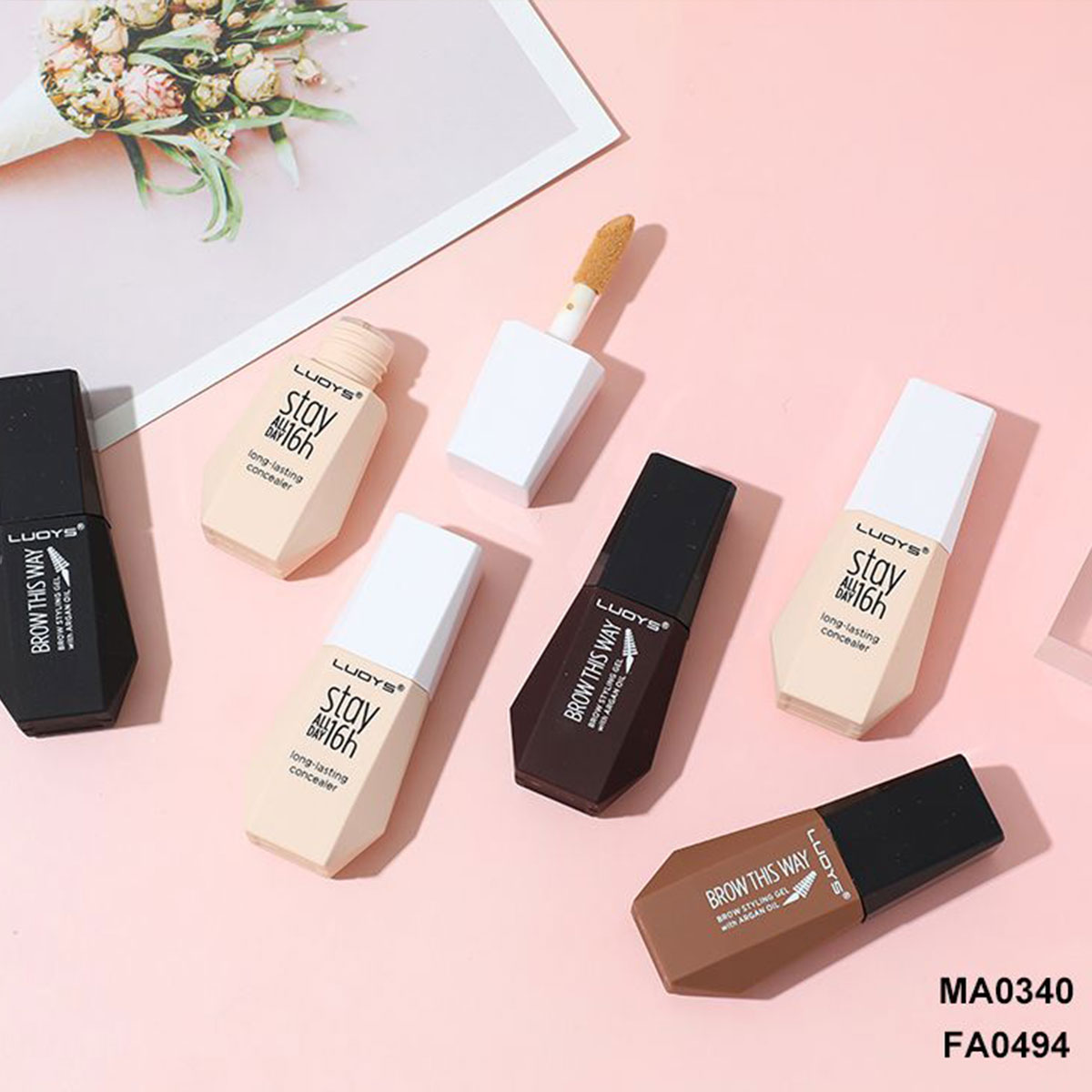
MOQ Explained: What Is a Good MOQ for a New Makeup Brand?
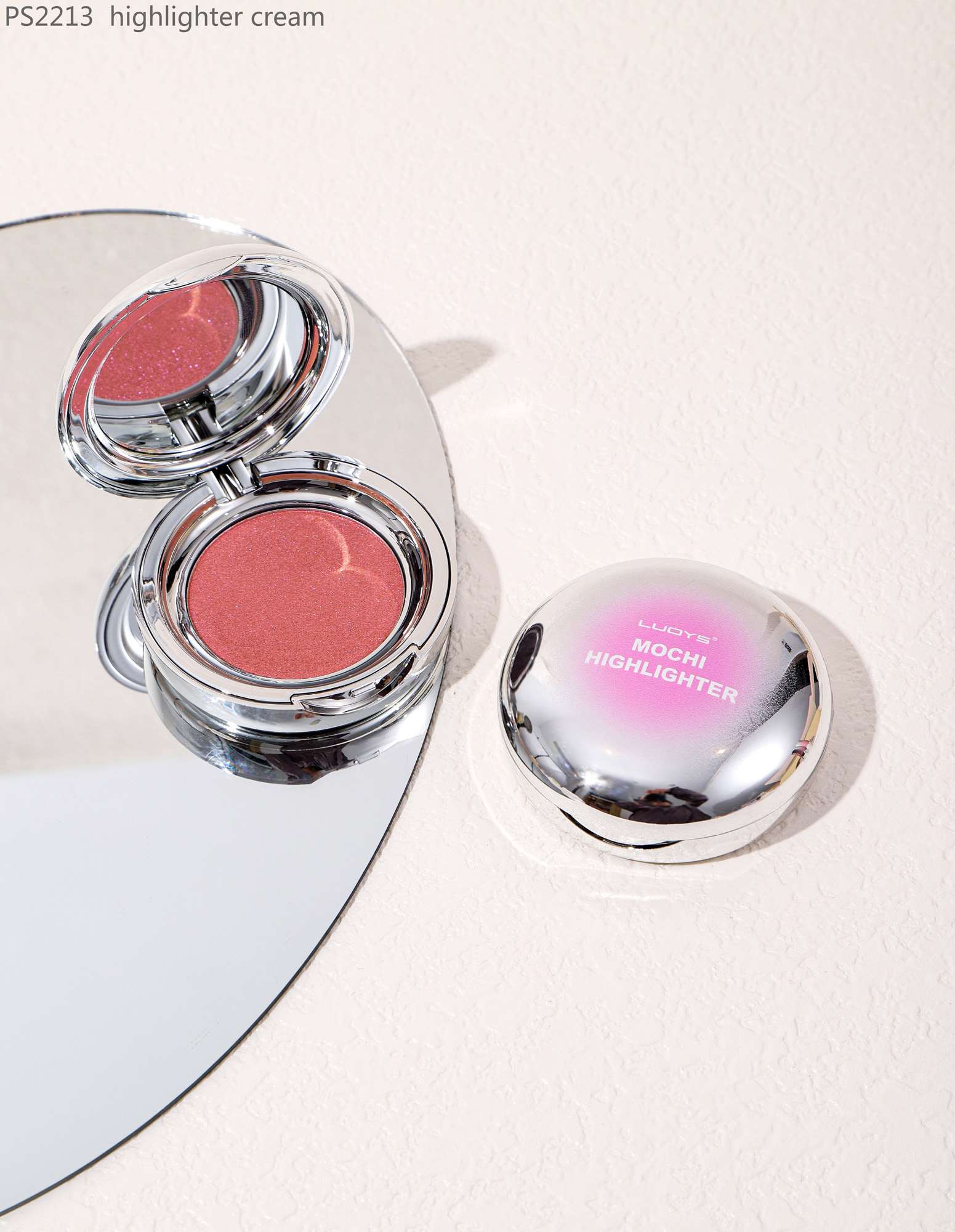
The Minimum Order Quantity (MOQ) of a product plays a major role in how a start-up company produces its products, in the pricing of its products, and in how it enters the market. The MOQ of a product has implications for a start-up company in terms of the amount of initial start-up capital required, for cash flow and the potential flexibility of a company to make changes to products as feedback is received from the market. In the cosmetics start-up industry MOQ forms an important criterion in the production of make-up products for a new label of make-up products. In this article we shall discuss what MOQ can be for a start-up beauty company, how to negotiate MOQ’s and which production factors should be used to set the MOQ.
What Does MOQ Mean in the Cosmetics Manufacturing Industry?
To explore the implications of MOQ within the makeup production, first we need to clarify what MOQ means in the make up production.
The Definition and Purpose of MOQ
Minimum Order Quantity or MOQ is the minimum amount of product a manufacturer will produce for a customer to complete a job efficiently covering the cost of setting up to make the product as well as the labor and raw materials to complete the order. MOQs for Cosmetics can be influenced by the availability of packaging, the complexity of sourcing of the ingredients and the nature of the finished product formulation. For example a custom lipstick mold or lipstick bottle will require a larger initial order to pay for the tooling.
Why Suppliers Set MOQs for Makeup Products
Your Suppliers will have a MOQ to make things cost effective for them, to keep them efficient, to make a profit. High end cosmetic raw materials are generally purchased in quantity by the Suppliers, eg natural coloring agents, active ingredients for skin care etc. Specialized cosmetic packaging such as airless pump bottles and embossed compact cases also are typically bought in quantity by the Suppliers and therefore have a MOQ controlled by the packaging factories to minimize their exposure to small custom runs which would require their own molds, custom die cutting, etc.
How Does MOQ Affect a New Makeup Brand’s Launch Strategy?
New beauty brands manage their budgets and launch product by their MOQ.
Impact on Budget and Cash Flow Management
A lower MOQ allows startups to test the market with minimal financial risk but may result in higher per-unit costs because fixed expenses are spread across fewer pieces. Conversely, large MOQs lower unit prices yet tie up significant funds in unsold stock. For early-stage brands still validating their concept or shade range, maintaining liquidity often outweighs marginal cost savings.
Inventory Risks and Storage Considerations
Stock that doesn’t sell quickly can become a loss as you get charged to hold it in a warehouse and it has a shelf life. Organic or Clean products made without preservatives are particularly sensitive to this as they have a shorter shelf life than traditional cosmetics. By producing product in smaller batches you can be more flexible and respond to customer feedback on shade and texture without having excess stock.
Market Entry Speed and Product Testing Cycles
Smaller MOQs accelerate launch timelines since less capital is required upfront and fewer logistics steps are needed before distribution. According to a 2023 Statista report, more than 60% of indie beauty brands prefer small-batch production during their first year specifically to minimize financial exposure while refining product-market fit through real-world testing.
What Factors Determine a Good MOQ for Makeup Production?
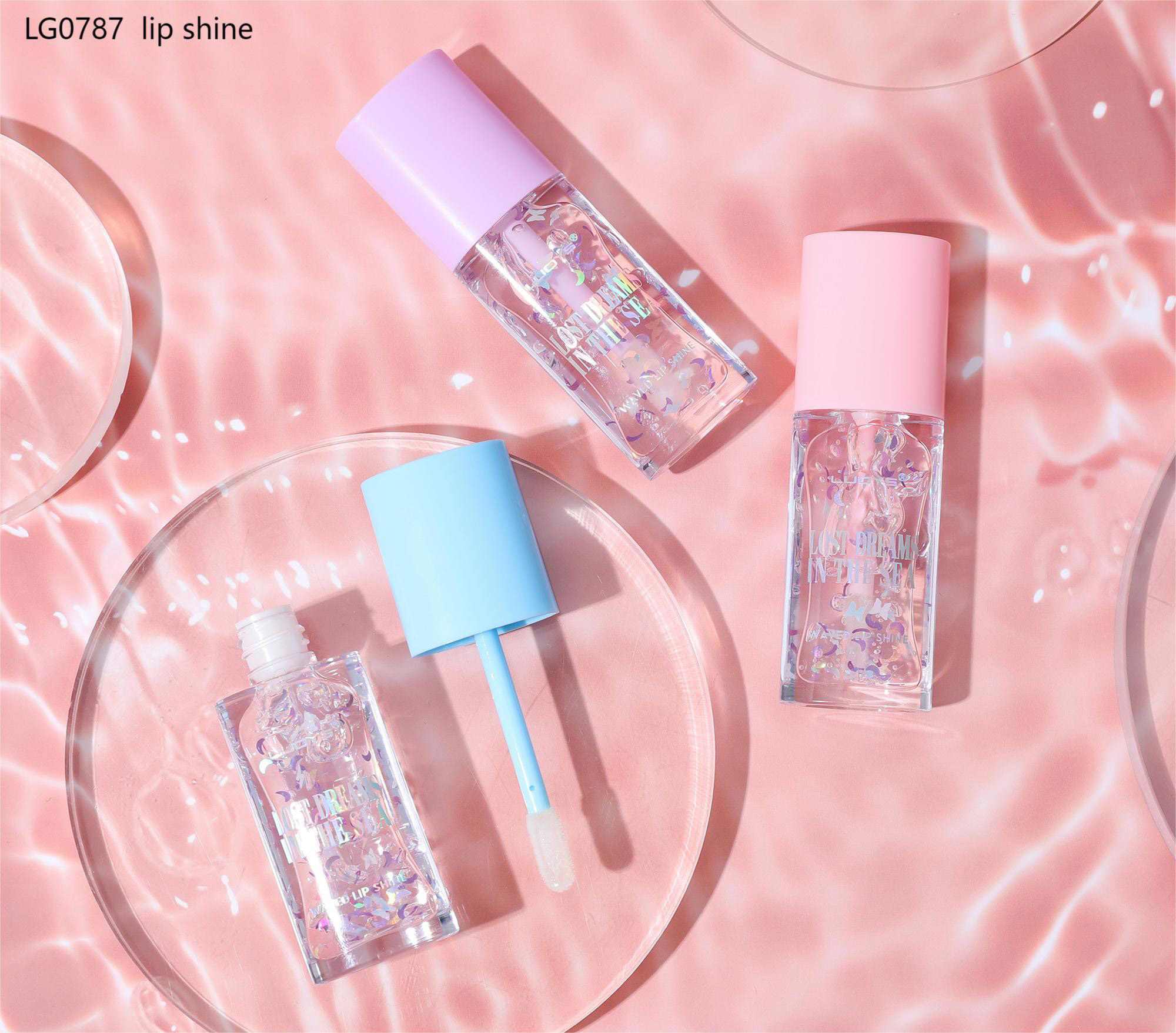
The MOQ is dependent upon several technical and operational factors that are unique to each of our product lines.
Product Type and Formula Complexity
Minimum orders for liquid foundations or serums typically are in the higher range as their production as an emulsion needs to be mixed in the right ratio for best stabilization. This often is better to do on larger scale as well. Powder products like blushes or eyeshadows on the other hand are often produced in smaller runs and therefore also are available from manufacturers with lower MOQs. A startup in the field of powder cosmetics therefore might be able to negotiate lower MOQs than a startup offering a liquid skincare line.
Packaging Customization Level
Packaging customization plays a large role in determining your order size requirements. By using custom molds for lipstick bullets or printed palettes for example, you would be required to meet higher minimums due to the setup fees charged by packaging facilities to create your custom design. Standard packaging however can still keep up a professional look while meeting lower initial commitment amounts. Many brands test out multiple different SKUs and this type of packaging is ideal for such cases.
Supplier Capabilities and Production Technology
Large manufacturers that operate on automated filling lines will typically want to stick to higher batch minimums. That’s because the production line is set up to be optimized for the highest volume of production, and for that to work it has to be set up in a very specific way. Boutique manufacturers offering semi-automated filling will generally be able to cope with much lower minimums, but expect to pay a slight premium per unit than they would with larger production runs. For many indie brands this is a small price to pay as their business is only just starting to grow, and they need the flexibility to make as many or as few units of production as they see fit.
How Can New Brands Negotiate Lower MOQs Without Compromising Quality?
When it comes to finding a balance between a tight budget and manufacturing requirements, negotiation is key.
Building Long-Term Supplier Relationships
By discussing the expected growth transparently with the supplier, the brand owner can gain trust from the supplier. By making the supplier aware of the planned seasonal launches for example, the supplier is more willing to accept lower first time orders on competitive price structures.
Combining Orders Across Product Lines
Making formulations with similar recipes into one production run is another trick of the trade. So, for example, if there are lots of different shades of lip gloss made with the same formula as the base of the product then it can be made in one production run minimizing the time spent on cleaning down between products and ultimately ensuring that the overall cost per unit of the different shades is as low as possible. In addition making products of this nature meets the demands of today’s varied and increasingly demanding customer.
Using Data to Justify Smaller Runs
Show realistic demand figures in the form of credible sales forecasts or pre-order data. Suppliers want data-driven planning, which gives them the impression of reliability. In return they will accept flexible terms and start with modest volumes.
What Are Typical MOQ Ranges in the Makeup Industry Today?
While every factory is different, there are general guidelines that apply to most major cosmetic categories found globally.
| Product Type | Typical MOQ Range | Notes |
|---|---|---|
| Lipsticks | 12000 pcs | Varies by mold customization |
| Foundations | 12000 pcs | Dependent on bottle type |
| Eyeshadow Palettes | 12000 pcs | Influenced by color count |
| Skincare Creams | 12000 pcs | Smaller runs possible with standard jars |
| Note: This MOQ is for packaging, it is available to mix different shades. | ||
MOQs can also be based on regional expectations. MOQs for manufacturers based in Asia such as China, can be more flexible in terms of the factory size. Asian manufacturers can service mass-market retailers as well as boutique product owners and therefore more flexible MOQs are generally offered. In contrast, private-label laboratories based in North America will require larger MOQs to cover the cost of the required testing under FDA guidelines.
How Does MOQ Influence ROI and Brand Scalability?
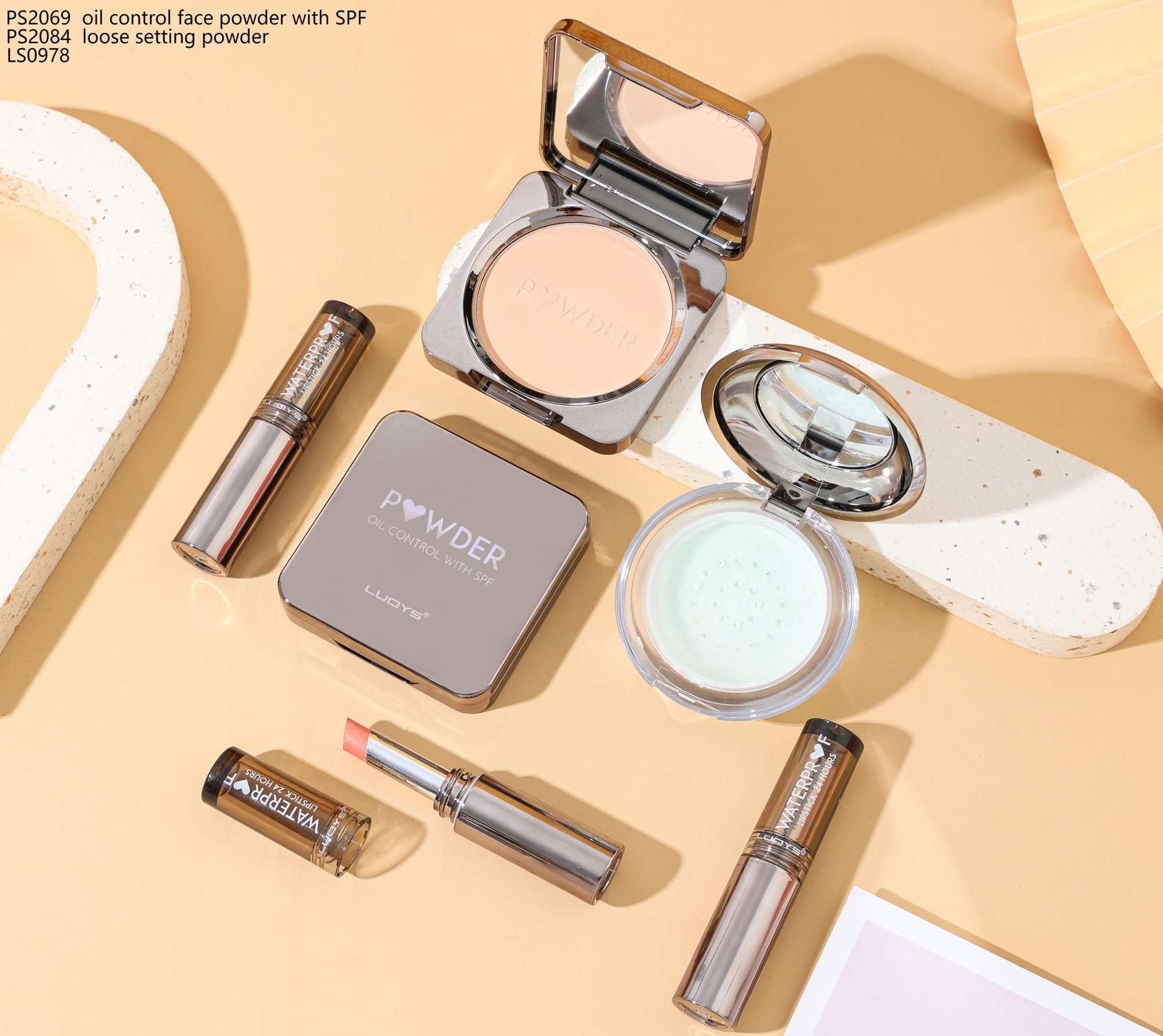
Your MOQ decisions can impact your profitability on two fronts, Return on Investment (ROI) for now, and long term scalability potential.
Cost Efficiency Versus Market Responsiveness
Placing large orders can lower the unit cost per item, but restricts the ability to be flexible if market circumstances change unexpectedly. For instance, Trendy new TikTok shades can immediately go out of style after the first season and turn into products that fade fast. On the other hand, small runs enable the brand to go through fast-turning cycles of development and go into full production only after the brand has refined the formula based on latest and continuous insights from the end-consumers, without wasting capital on stock that goes stale quickly.
Evaluating ROI Based on Sales Velocity Data
Tracking sell-through rates in different retail channels is important to confirm that increasing the amount in a single order indeed creates more value for the brand. The analytics module in Stock & Shelf allows integrating different analytics tools into the inventory management module to sync up the reordering process with the campaign’s performance metrics and prevent both overstocking and stockouts at peak times.
Who Is Zhejiang Limei Cosmetics Co., Ltd.?
Zhejiang Limei Cosmetics Co., Ltd. is a Chinese manufacturer based in the heart of Zhejiang province, specializing in OEM/ODM services for all kinds of global cosmetic brands. Their core competences include making cosmetic formulas according to clients’ requirements, providing packaging suggestions and making cosmetic package designs, quality control and tests under ISO22716 and GMPC standards, arranging logistics for clients in order to send the products to clients’ destination smoothly from the factory to the shops all around the world. They provide one-stop-shop manufacturing solutions, especially for new brand owners who don’t have enough experiences to run a cosmetic factory smoothly while meeting international requirements. The company produces a vast array of cosmetics such as makeup powder, liquid foundation, eyeshadows, skincare products like cleanser, toner, ampoule, essence, emulsion and more.
Conclusion
Determining your optimal MOQ is not just about trying to do the numbers and see how low you can go – it really is about how you can align the amount that you’re producing with what your goals are as a business and how you can keep yourself as a financially resilient business too. So for new makeup entrepreneurs who are entering into very competitive markets, one of the key things to bear in mind is that keeping things flexible, so that you can produce in smaller runs of product is a really great way to try and get into learning cycles as quickly as possible, and to keep a handle on your cash flow, and to be able to grow your business as a strategic business, not just as a manufacturer of products. Collaborating with a manufacturer who has got a lot of experience in the cosmetics industry is a really great way to try and balance your need for speed in terms of launching a new product, against your need to be able to control the quality of that product. So, treating your MOQ as something that is flexible, and that changes as you go along, rather than something that is a hard and fast rule, is a really great way for you to be able to grow your business in a very sustainable way.
FAQs
1. What is the reasonable starting point for MOQs for Indie Makeup Labels?
Typically, these emerging cosmetic brands start with making 300-500 units per SKU of product depending on the formula and packaging used by the brand. This means to start to sell the product, there is a relatively modest investment required but also there is enough made to test the market for how product will be received.
2. Can I mix up different shades within one MOQ order?
Yes. Most manufacturers will allow different shades to be mixed within the same base formula batch. However they must all be in the same container style.
3. How do ingredient sourcing issues affect MOQs?
For Rare or specialty ingredients like certain pigments or certified organic ingredients that are only sourced from a few qualified suppliers MOQs for the upstream ingredient may actually be greater than the MOQs for the small-scale downstream manufacturing process.
4. Can one reduce MOQ after the initial orders have been placed?
Yes, if one has consistent reorders then the supplier may agree to lower MOQ’s in the future once reliability has been established or the item is selling very well.
5. How does choosing local versus overseas manufacturing affect your MOQ?
Local manufacturing tends to be able to produce in smaller batches and can sometimes be more expensive due to higher labor costs. Overseas factories are usually more price aggressive on a per unit basis but typically require larger quantities and have longer lead times due to shipping logistics.