

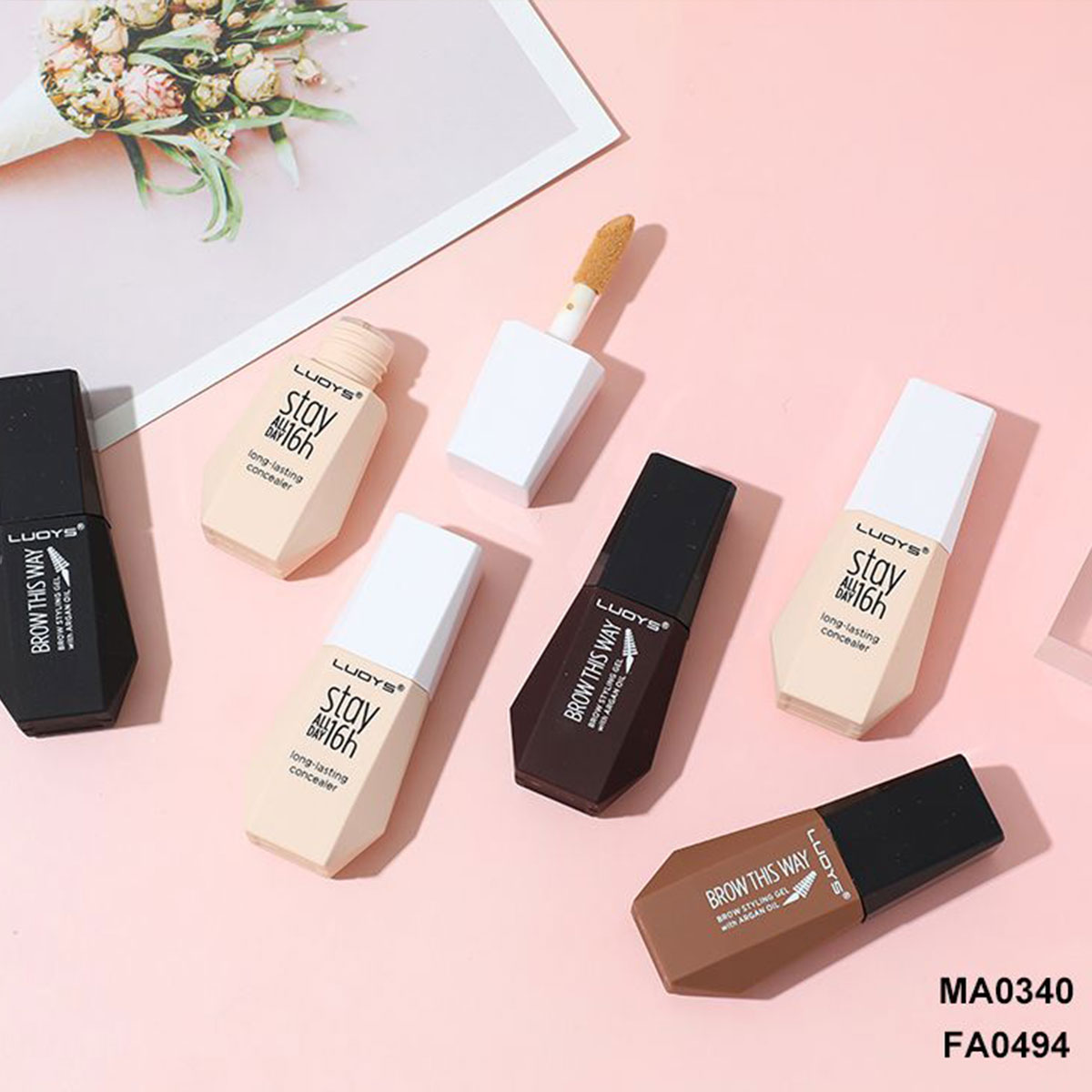
The Ultimate Guide to Lipstick Production Line Efficient Manufacturing for High-Quality Lip Cosmetics
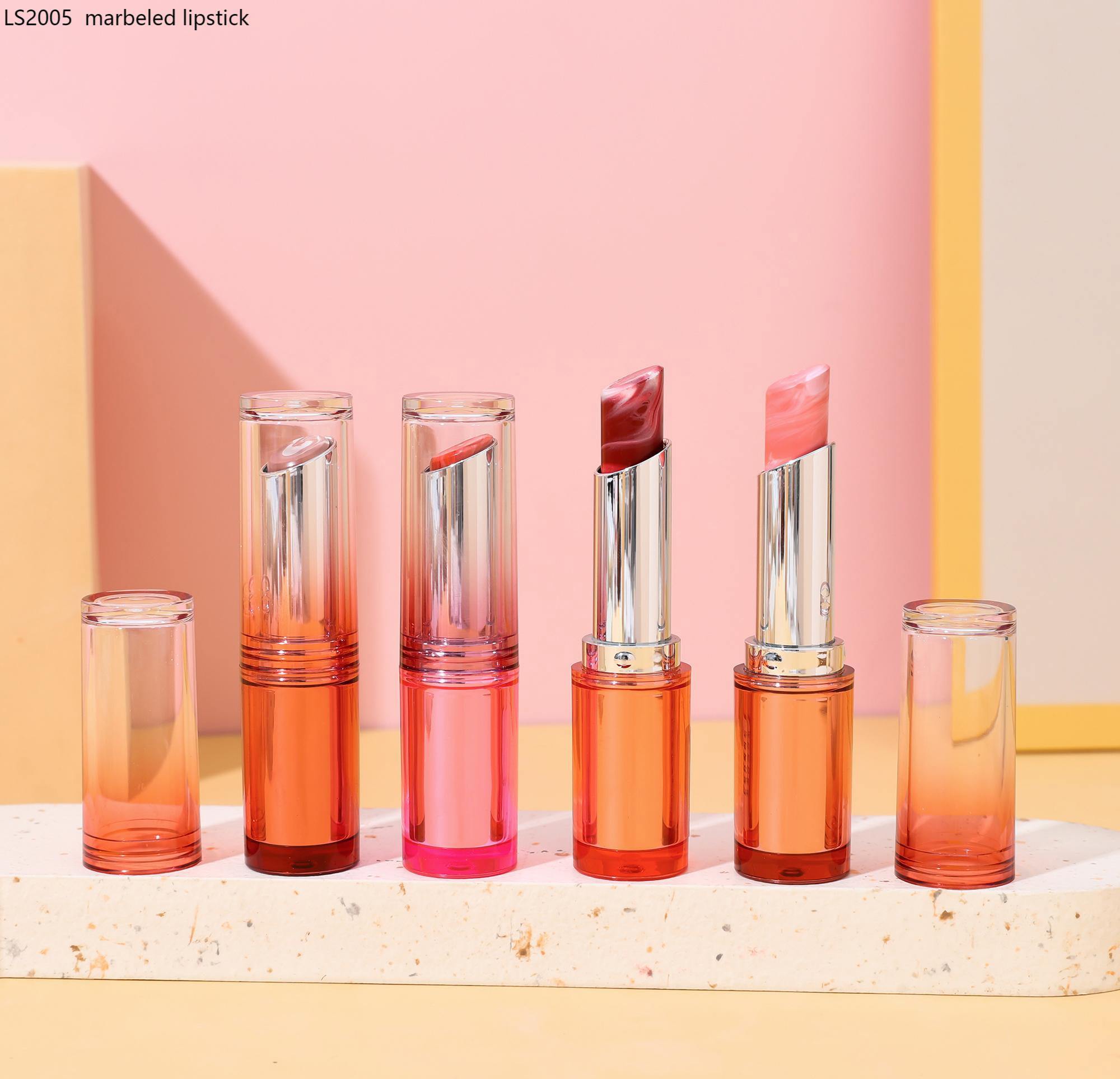
Ever wonder what really happens behind the scenes to create that perfect tube of lipstick you grab every morning? It’s not just color stuffed into a case. A smooth lipstick production line mixes science, smart machines, and a touch of skill. The goal? Produce lip cosmetics that glide on nicely, feel comfortable, and stick around for hours. If you’re part of the beauty world or simply curious, this guide walks you through it all. We’ll cover the main steps, ways to make things run faster and smoother, and how quality stays rock-solid—especially when brands team up with ODM or OEM partners.
What Makes Lipstick Manufacturing Tick?
Lipstick doesn’t just appear. It takes careful steps that start in the lab and finish on shelves. Every batch follows a precise path. Each part matters for texture, shade, and wear.
Key Steps in the Lipstick Production Process
It all begins with the formula. Experts blend waxes, oils, pigments, and softeners. They adjust amounts carefully. Too much wax, and it feels stiff. Too much oil, and it turns slippery. A good mix often includes 20-30% waxes for shape, 40-50% oils for glide, and 10-20% pigments for bold color.
Then comes melting and mixing. Everything goes into big heated tanks. Stirrers keep things even. Heat stays around 70-80°C. That melts the waxes gently. No burning the colors. Modern setups use sensors. They watch thickness constantly. That way, each batch matches the previous one perfectly.
After that, it’s time for molding. The warm liquid pours into metal molds shaped like bullets. Quick cooling sets everything firm—often in just minutes. Once solid, the bullets pop out easily. They head to the next station.
Finally, assembly and packaging take over. Machines slide bullets into cases. They add caps, labels, and boxes. Robots handle many tasks now. They twist caps on just right. That cuts down mistakes.
Common Challenges and How to Tackle Them
Problems pop up sometimes. Shades vary? Poor mixing causes it. Strong mixers break up clumps better. Air pockets ruin the feel too. Vacuum systems pull them out during stirring. The result is a cleaner, smoother product.
Real numbers show the difference. Factories with automatic temperature controls waste far less—sometimes 15% less. One line switched to on-the-spot checks. Output jumped 20%. No extra workers needed.
Boosting Efficiency on the Lipstick Line
Efficiency goes beyond quick speed. It means clever setups that save time, cut costs, and hold quality steady. In beauty, trends change fast. A flexible line helps brands stay ahead.
Streamlining Operations with Tech
Automation makes a huge difference. Belts move items smoothly from one step to the next. No waiting around. Control systems adjust speeds automatically.
Batch size plays a role too. Need small runs for special colors? Easy switches help. Big orders? Steady flow keeps going. A decent factory might turn out thousands of units every hour.
Power use counts as well. Better heaters and insulated tanks lower bills noticeably. Smart ordering keeps supplies fresh and storage light.
Real-World Efficiency Wins
Imagine a brand wants matte lipsticks in dozens of shades. Without good tools, it’s tough. But modular machines let you change pigments quickly. Turnaround shrinks. Clients smile.
Stats prove it. Lines with smart maintenance sensors face fewer stops—often 30% fewer. It’s like spotting trouble before it happens.
- Quick Tips for Peak Efficiency:
- Check your setup every few months for slow spots.
- Cross-train the team. One person can cover multiple areas.
- Use software to track supplies and products from start to finish.
Quality Control: The Backbone of Top-Tier Lip Cosmetics
Quality isn’t added at the end. It’s part of every moment. Weak checks lead to returns, complaints, and lost customers. Strong ones deliver products that perform well every time—no smudging, no irritation.
Essential Quality Checks Throughout Production
Ingredients arrive first. Labs test them right away. No heavy metals. No bad stuff. Rules like ISO 22716 demand clear records.
While mixing, teams measure pH and thickness. Wrong levels hurt lips or feel. Color scanners watch shades closely. They catch any shift early.
After shaping, eyes inspect shapes. Drop tests check toughness. Swabs look for germs in clean rooms. Heat tests mimic long shelf life quickly. They predict changes.
Packaging gets checked for tight seals. No leaks. Final samples from each batch face full reviews. Rejection stays low—under 1% ideally.
ODM/OEM: Ensuring Quality in Custom Runs
ODM and OEM setups raise the bar. Brands share ideas. Factories refine them. Regular audits and certifications build trust. A client might ask for plant-based lipstick. No animal ingredients. The line adjusts. Tests confirm it performs just as well.
One story stands out. A new brand ordered thousands of hydrating lipsticks. Early checks spotted uneven texture. A small tweak to the mix fixed it fast. The final products sold quickly.
|
Quality Control Stage |
Key Tests |
Benefits |
|
Raw Materials |
Purity, Heavy Metals |
Prevents contamination from the start |
|
Mixing |
Viscosity, pH |
Ensures consistent texture and safety |
|
Molding |
Shape Integrity |
Reduces defects in final product |
|
Packaging |
Seal Checks |
Avoids leaks and tampering |
|
Final Audit |
Stability, Microbes |
Guarantees shelf life and user safety |
The Role of ODM/OEM in Lipstick Manufacturing
ODM and OEM services help brands without factories. ODM covers design and making. OEM follows your exact plan.
For lipstick, this means custom shades, feels, and boxes at lower startup costs. Shared lines speed things up. Quality protocols match your needs.
Brands value the quick pace. A hot trend appears? Samples arrive in weeks. Experts handle tough requests—like long wear without dryness.
Many start with OEM for tested recipes. Later, they move to ODM for fresh ideas. It’s adaptable, affordable, and keeps quality high.
Introducing Limei as Your Cosmetics Supplier
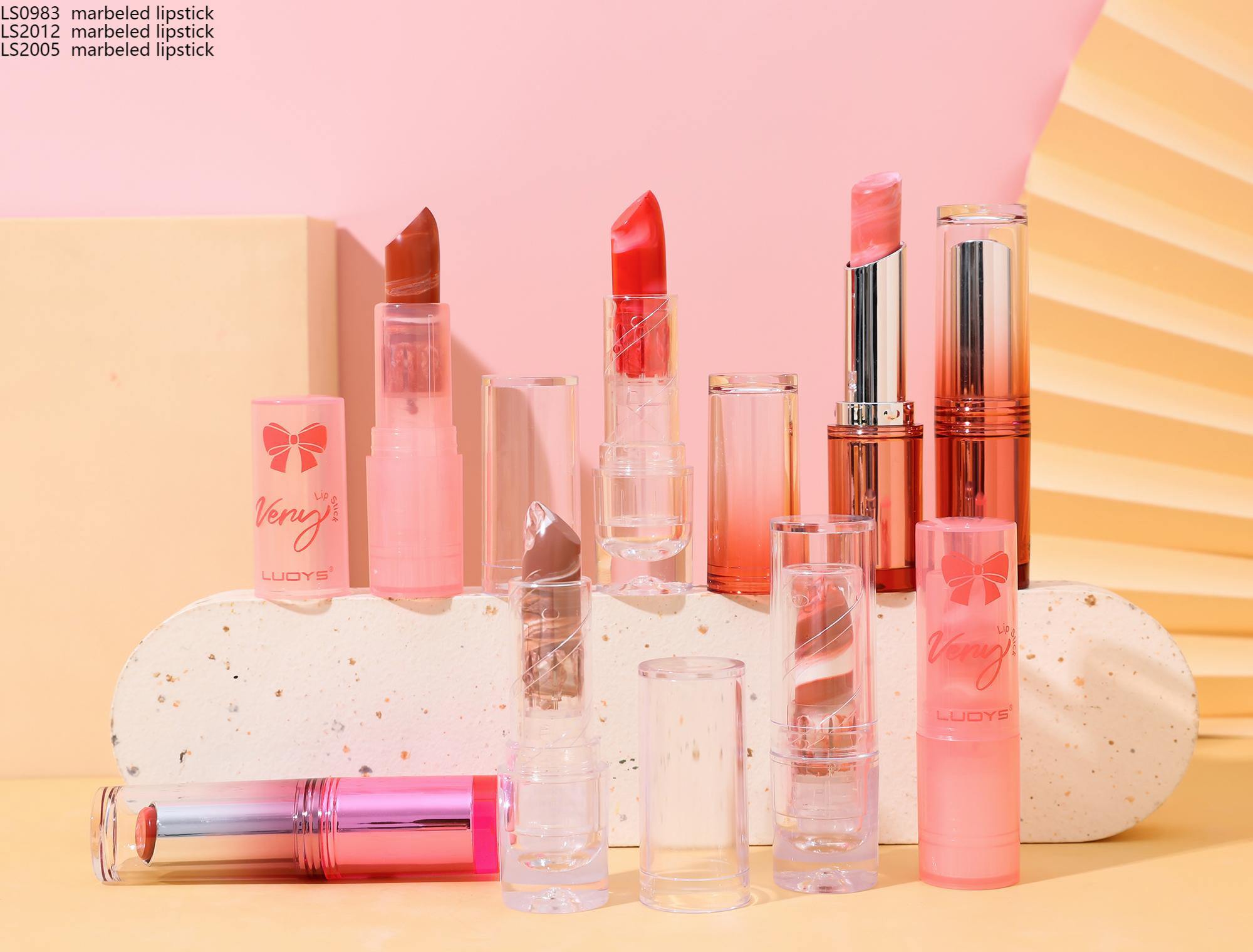
When you need a solid partner in beauty, Limei shines as a dependable B2B manufacturer. Based in Guangzhou, this company focuses on OEM and ODM services. They create high-quality lipsticks, lip glosses, and more. With plenty of experience, Limei builds smart formulas. These deliver comfort and lasting color. Their efficient methods keep production smooth. Quality never slips. Brands turn to them when scaling up lip cosmetic lines.
Conclusion
In the end, a great lipstick production line relies on clear steps, clever efficiency, and tough quality checks—particularly in ODM and OEM work. Whether starting fresh shades or handling large orders, these pieces make products reliable and operations easy. In a world where people want lip cosmetics that feel good and perform well, nailing this matters a lot.
FAQs
What are the main steps in the lipstick manufacturing process?
The process starts with the formula. Experts blend waxes, oils, and pigments carefully. Then they melt and mix everything evenly. Molding shapes the product. Cooling sets it firm. Assembly adds cases and packaging. Checks happen all along to keep things perfect.
How does efficiency impact lipstick production in ODM/OEM services?
Good efficiency uses machines and flexible setups. It speeds up work without waste. In ODM and OEM, this means fast custom runs. Costs drop. Quality stays even—great for small batches or big ones.
Why is quality control crucial for high-quality lip cosmetics?
Strong checks catch issues early. They cover ingredients to final wear. This stops fading or discomfort. For lip cosmetics, it builds trust. Products feel nice and last. ODM/OEM partners rely on it too.
What trends are shaping modern lipstick production?
Trends favor custom formulas with extra moisture. Long-lasting colors matter a lot. Factories adapt quickly. They keep lines fast while meeting demands for comfy, durable lip products.
How can ODM/OEM services help with lipstick customization?
These services let brands create unique lipsticks easily. No need for your own factory. You get custom options like vegan types or special finishes. Efficiency improves. Quality holds strong. Products reach stores quicker.