

Why Multi-Functional Makeup Products Are Dominating Gen Z Purchases
Younger consumers frequently seek out products that are useful, simple to use, and appropriate for various everyday scenarios, which presents a challenge for beauty brands. Multi-functional makeup is a product development decision that involves formula design, packaging, user experience, and production planning in addition to being a trend choice for cosmetic buyers, retailers, and brand owners. Convenience and a variety of application options are combined in products like makeup sticks, but before introducing new products, brands still need to assess texture, shade development, stability, packaging compatibility, and supplier capability.
Why are Gen Z consumers choosing multi-functional makeup products?
The popularity of multi-functional makeup is connected with changing beauty routines. Many consumers prefer products that can fit into busy lifestyles and reduce the number of items needed in their daily makeup bags.
How does convenience influence Gen Z beauty trends?
Convenience has grown in importance when choosing products, particularly for customers who like straightforward routines. Purchasing a single product that can be used in various ways might offer a more flexible experience than purchasing multiple distinct products.
This presents opportunities for brands, but it also necessitates careful product planning. A multipurpose makeup product must work well for multiple applications rather than just one.
When developing these products, manufacturers usually consider:
|
Development Factor |
Why It Matters |
|
Texture |
Affects application experience |
|
Formula stability |
Supports consistent product performance |
|
Shade selection |
Influences market acceptance |
|
Packaging design |
Affects portability and usage |
|
Application method |
Determines product flexibility |
A product designed for convenience still needs to maintain the quality expectations customers have for each individual use.
Why do younger consumers prefer products with multiple uses?
Products that fit flexible lifestyles are highly valued by many Gen Z consumers. Customers seeking more straightforward routines might be drawn to a makeup product that can be applied to various areas, such as lips, cheeks, or other cosmetic applications depending on the formula design.
Multipurpose makeup does not, however, imply that every formula can be applied to every situation. Before making multi-use claims, brands must take product positioning, safety regulations, and ingredient compatibility into account.
How should brands develop a successful makeup stick product?
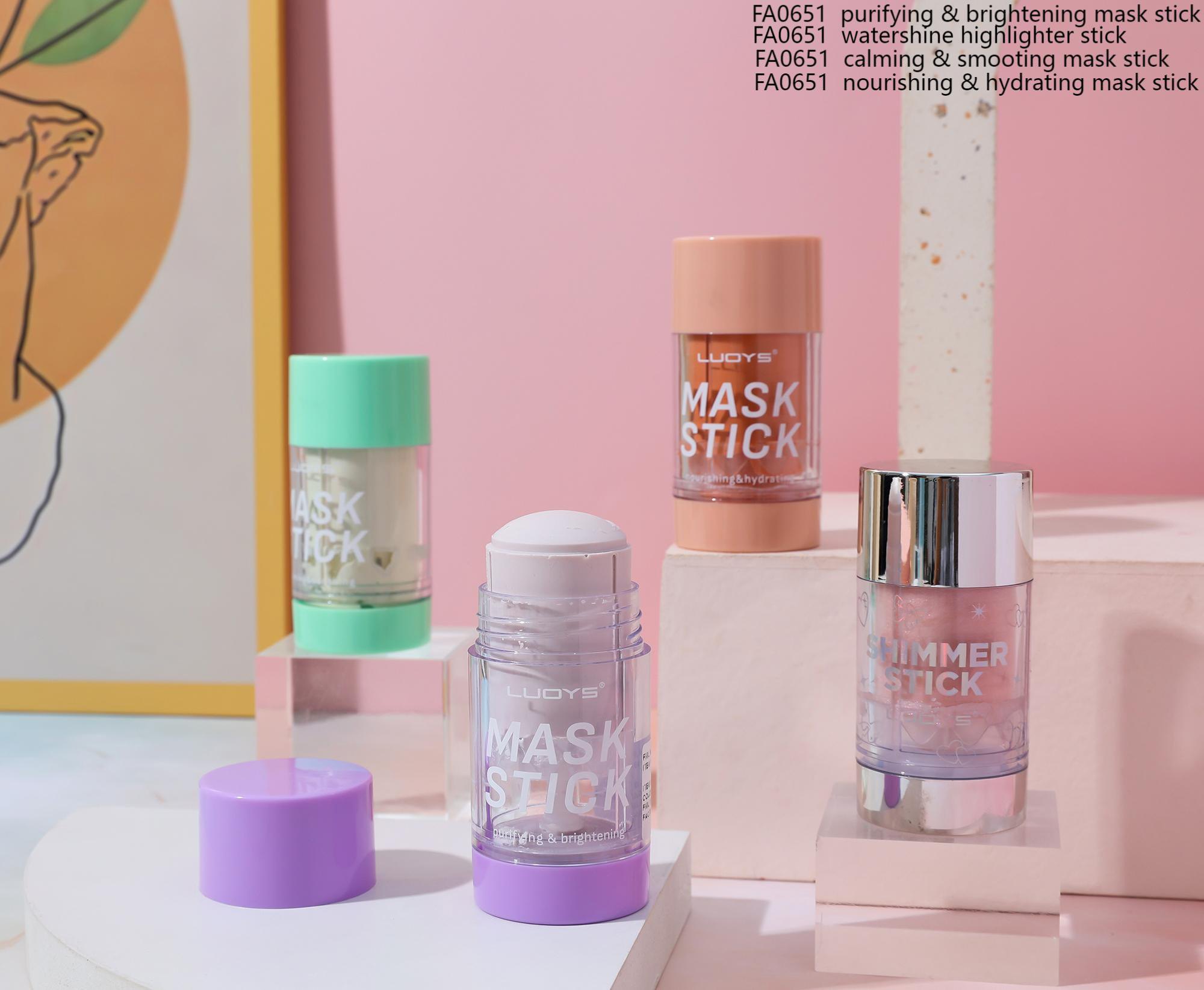
A makeup stick is one example of a format that supports portability and quick application. However, successful development requires more than choosing a convenient package.
What formula factors should brands consider for makeup sticks?
The formula determines how a makeup stick feels, applies, and performs during use. Buyers working with cosmetic manufacturers usually review several areas before approving a product.
Important factors include:
- Texture and spreadability;
- Shade consistency;
- Formula stability;
- Skin feel;
- Packaging compatibility.
A formula that is too soft may create handling issues, while a formula that is too firm may affect application comfort. The balance depends on the intended product category and target customer preferences.
Why is texture development important for multi-functional makeup?
Customers’ perceptions of a cosmetic product are directly impacted by texture. A multipurpose makeup stick must function well without causing discomfort when in use.
In order to find the ideal balance between smooth application, durability, and compatibility with various skin types, brands may test various formula options during product development.
The product concept, target market, and anticipated user experience all influence the final decision.
What should cosmetic brands check before launching multi-functional makeup?
Launching a new cosmetic product involves several steps beyond formula creation. Buyers need to evaluate product performance, production requirements, and market preparation.
How does shade development affect product success?
Color selection is an important part of makeup product development because customer preferences can vary significantly between markets.
For brands, shade development may involve reviewing:
|
Shade Consideration |
Buyer Concern |
|
Color range |
Meets different customer preferences |
|
Formula consistency |
Maintains similar texture across shades |
|
Pigment performance |
Supports expected appearance |
|
Market positioning |
Matches target customers |
A suitable shade range should be based on the intended market rather than simply increasing the number of options.
Why should brands conduct stability testing?
Cosmetic products need to maintain acceptable appearance and performance during storage. Changes in formula components may affect texture, color, or product condition over time.
Stability testing helps brands and manufacturers identify possible issues before commercial production. It is especially important when developing new formulas or changing existing products.
How do packaging and product design affect multi-functional makeup sales?
Packaging plays an important role in how consumers interact with cosmetic products. For multi-functional products, packaging needs to support convenience while protecting formula quality.
What packaging factors should buyers evaluate?
For cosmetic OEM and ODM projects, buyers usually review:
- Packaging material compatibility;
- Product filling process;
- Portability;
- User convenience;
- Appearance design.
A package should match both the formula and the intended usage method. For example, a portable makeup stick requires packaging that supports repeated handling and easy application.
How can brands balance appearance and practicality?
Cosmetic packaging frequently needs to meet both functional and aesthetic standards. Product presentation may benefit from attractive design, but protection and usability are still crucial factors.
Because packaging choices can affect production procedures, cost planning, and product timelines, brands should talk about packaging options with suppliers as soon as possible.
How can buyers evaluate cosmetic OEM and ODM suppliers for multi-functional makeup?
Supplier selection affects product quality, communication efficiency, and development progress. A suitable partner should be able to support the complete process from concept discussion to final production.
What should brands ask cosmetic manufacturers before cooperation?
Before selecting an OEM or ODM supplier, buyers may review:
|
Evaluation Area |
Questions to Consider |
|
Formula development |
Can the supplier support customized formulas? |
|
Sample process |
How are revisions handled? |
|
Production |
Can requirements be maintained during manufacturing? |
|
Documentation |
Are product details clearly provided? |
|
Packaging |
Can packaging requirements be supported? |
These questions help brands compare suppliers based on practical capability rather than price alone.
Why are MOQ and sample approval important?
MOQ and sample approval directly affect product planning, especially for new brands entering the market.
A lower MOQ may provide more flexibility during testing stages, while larger orders may require more preparation. Sample approval allows brands to review formula feel, appearance, packaging compatibility, and other details before moving into production.
Clear communication during this stage can reduce changes later.
How do Gen Z beauty trends influence future cosmetic product development?
Consumer preferences continue to affect how brands design and position cosmetic products. Multi-functional makeup reflects a demand for products that combine convenience, portability, and personal expression.
What product features should brands consider?
Brands developing products for younger consumers may consider:
- Easy application;
- Portable packaging;
- Flexible usage;
- Shade variety;
- Clear product information.
However, trends should not replace product fundamentals. Formula quality, safety considerations, and supplier capability remain important parts of cosmetic development.
How can brands avoid following trends without product planning?
A product should be developed around a clear customer need rather than a temporary market phrase. Buyers should evaluate whether a trend matches their brand positioning and production capabilities.
For cosmetic companies, successful product development usually requires balancing consumer expectations with realistic manufacturing requirements.
How can Zhejiang Limei Cosmetics Co.,Ltd. support multi-functional makeup projects?
Zhejiang Limei Cosmetics Co.,Ltd. provides cosmetic products and related support for brands developing makeup products.Through product communication, formula discussions, customization requirements, and production coordination based on project needs, the company helps customers. Cooperation between beauty brands, importers, and distributors may entail discussing product concepts, texture specifications, packaging issues, and delivery schedules. Before choosing a cosmetic supplier, buyers should still compare product specifications, documentation, pricing, delivery terms, and service expectations.
Conclusion
Multiple use cosmetic products demonstrate how customers change their preferences towards more functional and useful beauty items. In the process of developing items like makeup stick, companies need to tackle such issues of formula formulation, color making, package compatibility, or supplier readiness. The perfect combination of convenience and quality is required for a successful item. It is very important for customers to carefully study producers before switching to mass production. The specifics of the target clients, positioning of the brand, and real needs for production dictate the choice of the most suitable strategy concerning the product.
FAQs
1. What is multi-functional makeup?
Multi-functional makeup refers to cosmetic products designed for more than one potential use or application purpose. The exact functions depend on the formula design and product positioning.
2. Why are makeup sticks popular among Gen Z consumers?
Makeup sticks are often considered convenient because they are portable and easy to apply. Their popularity depends on product performance, design, and consumer preferences.
3. What should brands check when developing a makeup stick?
Brands should review formula texture, shade development, stability, packaging compatibility, sample approval, and production requirements before launch.
4. How do I choose a cosmetic OEM supplier for multi-functional makeup?
Buyers should evaluate formula development ability, sample process, MOQ, production capability, documentation, packaging support, and communication quality.
5. Why is stability testing important for cosmetic products?
Stability testing helps evaluate whether a cosmetic formula maintains acceptable appearance, texture, and performance during storage and before commercial production.