

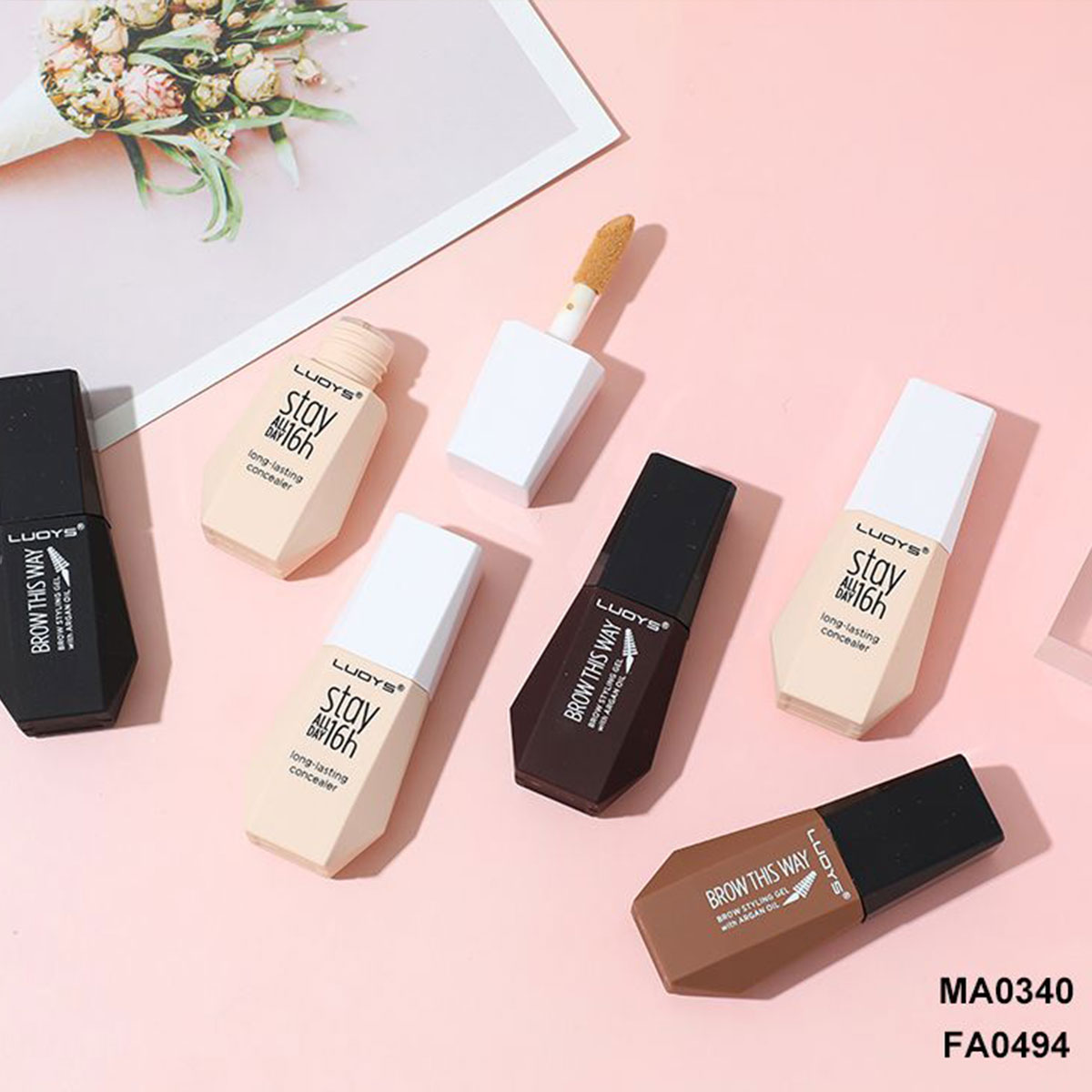
Why Skin Barrier Products Are Still Dominating the Market
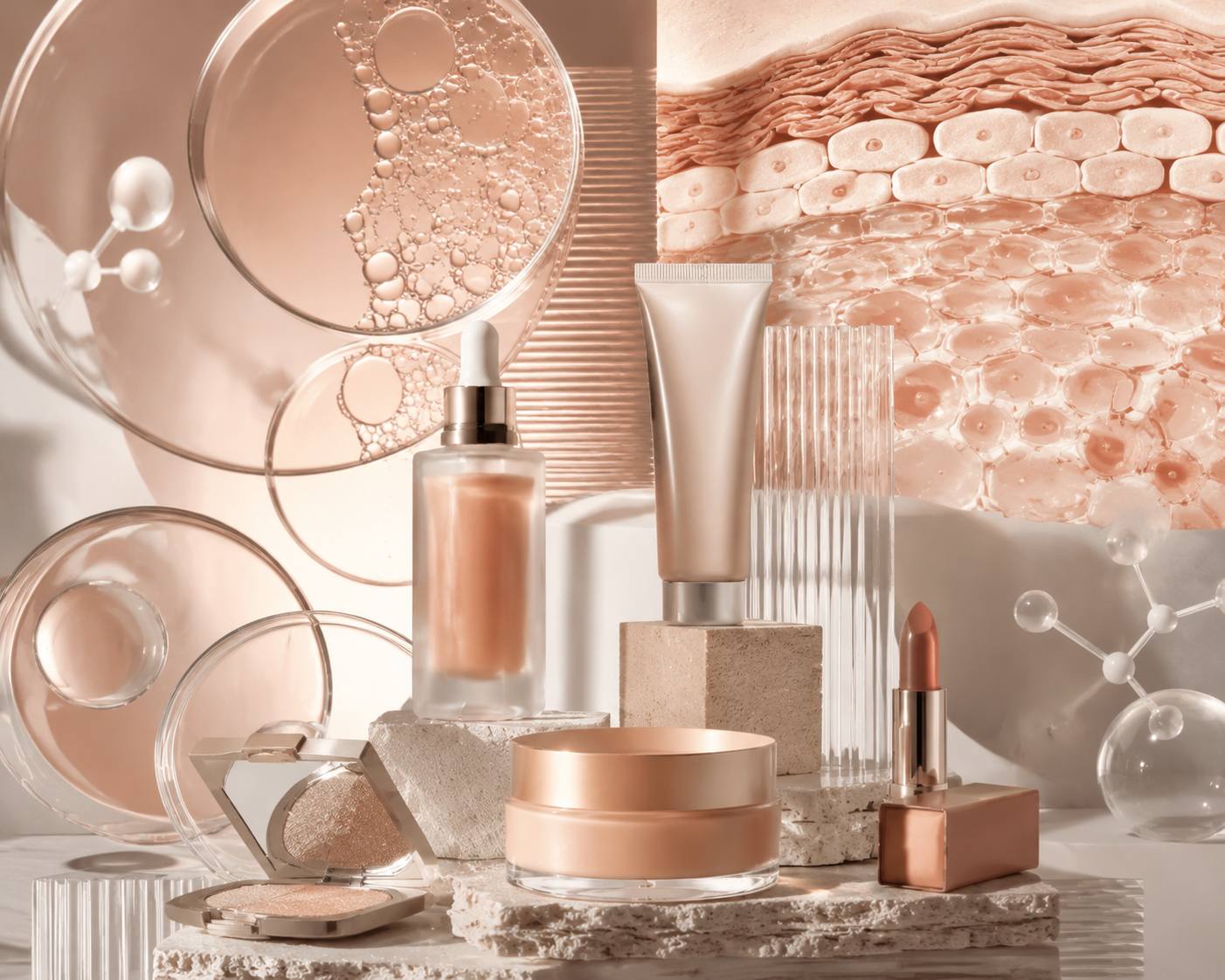
Skin barrier products continue to attract attention from beauty brands, distributors, and consumers because modern skincare buyers are becoming more focused on long-term skin condition rather than short-term cosmetic effects. For cosmetic companies planning new product lines, developing a successful barrier skincare product requires more than selecting popular ingredients. Brands must consider formula stability, ingredient compatibility, packaging performance, manufacturing capability, compliance requirements, MOQ, and supplier support. Products such as skin barrier repair creams, ceramide cream formulas, and ectoin serum solutions require careful development to meet both consumer expectations and market requirements.
Why is skin barrier repair becoming a priority for skincare brands?
As our way of life, environment and skin care routine change and become more complex, there is an increasing need for skin comfort products that help balance the skin.
How does the skin barrier influence product positioning?
The skin barrier or outer layer of the skin is meant to prevent moisture loss and to protect against external influences. If the skin barrier is affected it can lead to dry skin, sensitive skin and / or uncomfortable skin.
From a brand and product perspective, there are opportunities for items positioned as a way to support hydration, repair the barrier of the skin and support users of sensitive skin products to create the best skincare routine for their individual skin type. It is essential that the claims made on products for distribution into international markets comply with local cosmetic regulation. Unsophisticated buyers may make medical-style claims on products that are actually cosmetics. It is essential that these claims are removed and replaced with relevant and compliant cosmetic descriptions.
Why are consumers looking for barrier skincare products?
Today’s consumer is a busy person. He or she is streamlining their skincare routine, taking a closer look at the ingredients in the products that they use. Gone are the days of using several harsh products that will aggressively treat the skin, hopefully for the better. Today’s customer is seeking products that can be used on a daily basis as part of their maintenance regimen, that are comfortable on the skin and are made up of transparent and recognizable ingredients.
This trend has encouraged brands to explore ingredients such as ceramides, ectoin, and other moisturizing or conditioning components. However, ingredient selection alone does not determine product success. Texture, absorption, packaging, and user experience also influence purchasing decisions.
What ingredients make ceramide cream and ectoin serum popular choices?
Selecting ingredients for your cosmetic product is one of the most important elements of developing a cosmetic product. It’s necessary to consider the choice of ingredients not only from the perspective of their potential appeal to consumers but also in terms of their performance in the product formula.
How do ceramides support barrier skincare formulas?
Ceramides are found in the skin’s own lipid layers. They are frequently used in skin care products and are often included in the formulation of Ceramide creams as a moisturizing and skin-conditioning ingredient.
Formulating for stable OEM products such as skincare can be challenging as there are many variables that affect the finished product, i.e. how ingredients work together, concentration, texture and preservation to name a few. Stability testing rather than just including trending actives is key to creating an effective formulation.
Why are brands developing ectoin serum products?
Another ingredient found in skincare products is Ectoin. Typically marketed within a hydration and skin protection concept, products with Ectoin, formulated as a serum, can offer a lightweight texture with focused ingredients to meet the demands of contemporary consumers seeking out products with clear ingredient statements.
When looking at the manufacturing side of things, brands should consider the quality of the raw materials, the stability of the serum formula and how compatible the packaging is. The serum formula should remain the same in terms of appearance and texture and also perform in the same way throughout the life of the product, even when it has been left to store or has been sent for distribution.
How should brands evaluate cosmetic OEM and ODM suppliers?
Picking the right manufacturing partner has huge implications for product quality, time to market and long-term business development.
What capabilities should a skincare OEM factory provide?
A suitable OEM partner should support all phases of product development.
- Formula development.
- Ingredient selection.
- Sample preparation.
- Stability testing support.
- Packaging matching.
- Filling and production.
- Quality inspection.
- Documentation support.
Experienced buyers want to review the supplier’s development process before discussing large production quantities with them. A factory only offering standard formulas is unlikely to support a brand seeking to offer customized, barrier skincare products.
What questions should buyers ask before selecting a supplier?
Before cooperation, buyers should review the following areas:
- Formula development: Can the formula be customized?
- Ingredient information: Are specifications and sourcing details available?
- Testing support: What stability and safety tests are performed?
- Production capability: What are MOQ and lead times?
- Packaging support: Can packaging compatibility be evaluated?
This process can help prevent brands from making costly mistakes before launching into full production.
What quality checks are important for barrier skincare products?
The quality of cosmetics is determined by the consistency of the manufacturing process and of the pre-launch evaluation.
Why are stability tests necessary?
A skincare formula must remain stable during storage and transportation. Stability testing helps evaluate changes in color, odor, texture, separation, and other physical characteristics.
When purchasing products such as the ceramide cream or ectoin serum that we offer, as a buyer you should check whether the manufacturer is conducting the necessary tests for the respective requirements of the product. The corresponding tests are dependent on the respective formula, the packaging as well as on the target market.
How does packaging affect skincare product performance?
Packaging for your products is more than just a branding tool. It can also affect how your products are protected, how customers use them, and how long they last on the store shelf.
Brands should consider:
- Container material compatibility.
- Dispensing method.
- Light protection.
- Air exposure.
- Leakage prevention.
- Transportation safety.
For sensitive formulations packaging must be discussed during the product development process and not after the formula has been completed.
How can brands manage cost and risk when launching barrier skincare products?
Combining high quality products with commercial planning for a new skincare product.
Which factors influence cosmetic OEM costs?
Major cost factors include:
- Formula complexity.
- Ingredient selection.
- Packaging type.
- Testing requirements.
- Order quantity.
- Customization level.
- Production schedule.
Just because you get a low quote for production does not mean that it will save you money in the long run. There are several ways that a low quote can end up increasing your costs in terms of consistency, in terms of packaging, and in terms of delivery.
How can buyers reduce development risks?
A practical OEM workflow includes:
Step 1: Define product positioning and target market.
Step 2: Confirm formula direction and ingredient requirements.
Step 3: Review samples.
Step 4: Evaluate packaging compatibility.
Step 5: Complete necessary testing.
Step 6: Approve mass production.
Identifying problems before large-scale manufacturing takes place.
What compliance issues should skincare brands consider?
Cosmetic products must correspond to the requirements of their target markets, i.e. limitations on ingredients, labeling and documentations on the product.
Why should brands review regulations early?
In various markets there are different specifications with respect to cosmetic ingredients, claims, packaging labels and other information of the product. A formula for a certain market can be too strong for other markets and must be adjusted in order to be able to market it successfully.
Brands should confirm:
- Ingredient compliance.
- Labeling requirements.
- Product claims.
- Import documentation.
- Packaging information.
Early compliance review helps avoid delays during launch.
How should brands evaluate product claims?
When making claims with regards to cosmetics it is best to be truthful and support them with adequate information about the product. Claims about hydration, skin conditioning, and improvement of the appearance of the skin are generally considered to be quite different from medical treatments.
We recommend you work with suppliers who understand the limitations of any claims made and are able to supply relevant documentation for products they supply.
Which supplier can support barrier skincare OEM projects?
Zhejiang Limei Cosmetics Co.,Ltd. is supplier for cosmetic OEM and ODM, mainly producing skincare products for brands. We can support the product developing, customization communication, production management, packaging solutions, etc. For the brands launching skin barrier repair products, the supplier cooperation can be discussed on the formula, and the samples can be approved, the producing planning can be made, and the quality communication can be kept. However, the buyer should also compare the ingredient, the technical data sheet, the price, the delivery terms and the service etc. for the different suppliers to choose the most suitable one for his business.
Conclusion
Another popular category of skin care products currently gaining attention from consumers are products designed to support the skin’s barrier on a daily basis using specific active ingredients. Creating effective barrier care products requires a thoughtful evaluation of key characteristics of a number of factors including the ingredients, the formulation, packaging, manufacturing, and regulatory compliance. While popular ingredients such as ceramides and ectoin are found in a number of products on the market, the key to a successful skin care product is creating a stable formula that can be consistently manufactured by the brand. While working with a capable cosmetic OEM can help to alleviate many of the challenges associated with product development, it is still imperative to thoroughly evaluate any potential supplier to ensure long-term success of the product.
FAQs
1. What is skin barrier repair skincare?
Skincare that supports the repair of the skin’s barrier function consists of regular cosmetic products, which in terms of their ingredients and formula, are designed to foster the skin’s own functions of hydration and smoothness of surface.
2. Why are ceramide cream products popular?
Ceramide cream is formulated into a number of products that are currently popular on the market today because the word ‘ceramides’ is associated with skin moisturizing and conditioning functions in cosmetic formulations.
3. What should brands check when choosing a barrier skincare OEM supplier?
These are the key aspects a brand should be checking to see if a manufacturer is suitable, including the ability to develop a formula, providing ingredient information, the ability to test, packaging options, MOQ, production capacity and communication.
4. Are ectoin serum products suitable for all skincare brands?
The ectoin serum could be a good fit for a brand that is positioned in the market around hydration and/or sensitive skin. However, then the formula would also have to fit the target market and the needs of the respective consumers.
5. What documents should cosmetic buyers request from OEM factories?
The Buyer should request the following product information; full product specifications, ingredients, test results, packaging details, production information and any relevant documentation that proves compliance to relevant laws and regulations.