

Pressed vs. Loose Highlighter Beads: Which Formula is Right for Your Cosmetic Line?
Hey, beauty creators. If you spend your days building or growing a makeup brand, chances are you’ve stared at mood boards packed with radiant skin shots. You’ve probably asked yourself how to nail that perfect glow. Highlighters sit right at the heart of any solid cosmetic collection. They deliver a burst of shine that lifts a simple makeup look into something totally shareable online. Yet picking the right formula—pressed versus loose highlighter beads—often feels tricky. One stays neat and simple. The other stays flexible and fun. Right now, let’s dig into this head-to-head so you can choose what really suits your lineup. We’ll cover the fundamentals. We’ll look at the good and the tough parts. We’ll toss in some honest tips straight from real product work. Hang tight. By the finish, you’ll see more clearly which one matches your brand’s style.
Understanding Highlighter Formulas
Let’s start simple. What really drives a highlighter? Deep down, it’s about catching and throwing back light. The product pulls in pigments, shiny pearls, and occasionally fine shimmer bits. Those elements reflect light from the skin’s raised spots—cheekbones, brow bones, the little dip above your lip. The actual mix decides how smoothly it goes on, how long it lasts, and how boldly it catches eyes on display shelves. Pressed highlighters remain the classic go-to that lots of brands pick first. Loose highlighter beads, though, add a lively new angle. More and more custom collections now feature them.
What is a Pressed Highlighter?
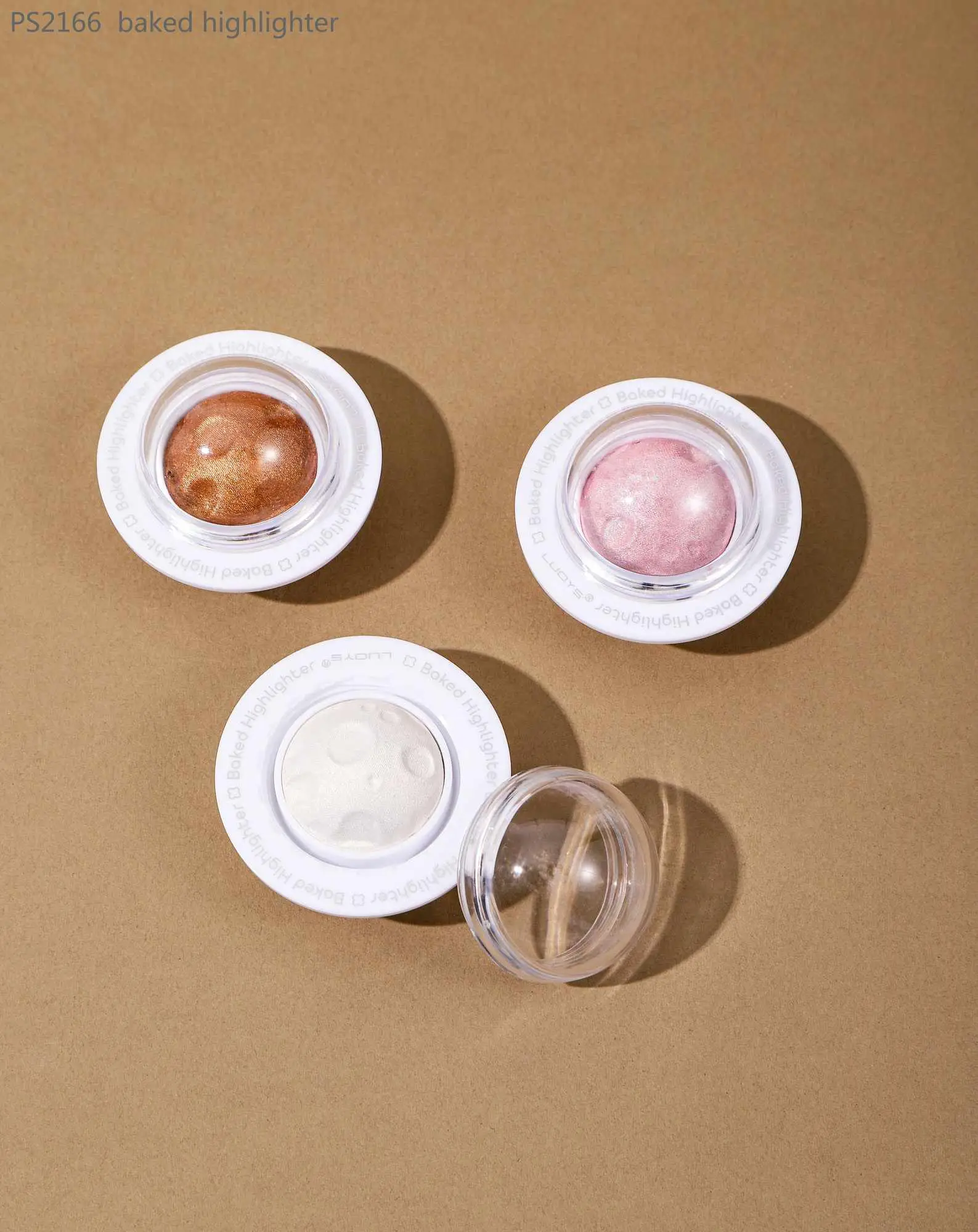
Picture a classic compact. Pressed highlighters are powders compressed into a solid form, often baked for extra smoothness. They’re dense, with ingredients like mica, talc, and binders that hold everything together. Baking involves mixing the formula into a slurry, pouring it into pans, and slowly heating it to create a domed, silky texture. This process locks in the pigments, making the product less prone to fallout.
In action, pressed highlighters glide on effortlessly with a brush or finger. They build up from subtle to intense glow without much mess. Think of a busy makeup artist backstage at a fashion show—they grab a pressed compact for quick touch-ups because it’s portable and precise. Data from beauty market trackers shows that pressed formats dominate sales, accounting for about 70% of highlighter purchases in North America last year. Why? Consumers love the no-fuss application. For brands, production is straightforward: mix, press, bake if needed, and package. Customization is a breeze too—you can swirl in multiple shades for a marbled effect or add skincare boosters like hyaluronic acid for a hydrating twist.
What are Loose Highlighter Beads?
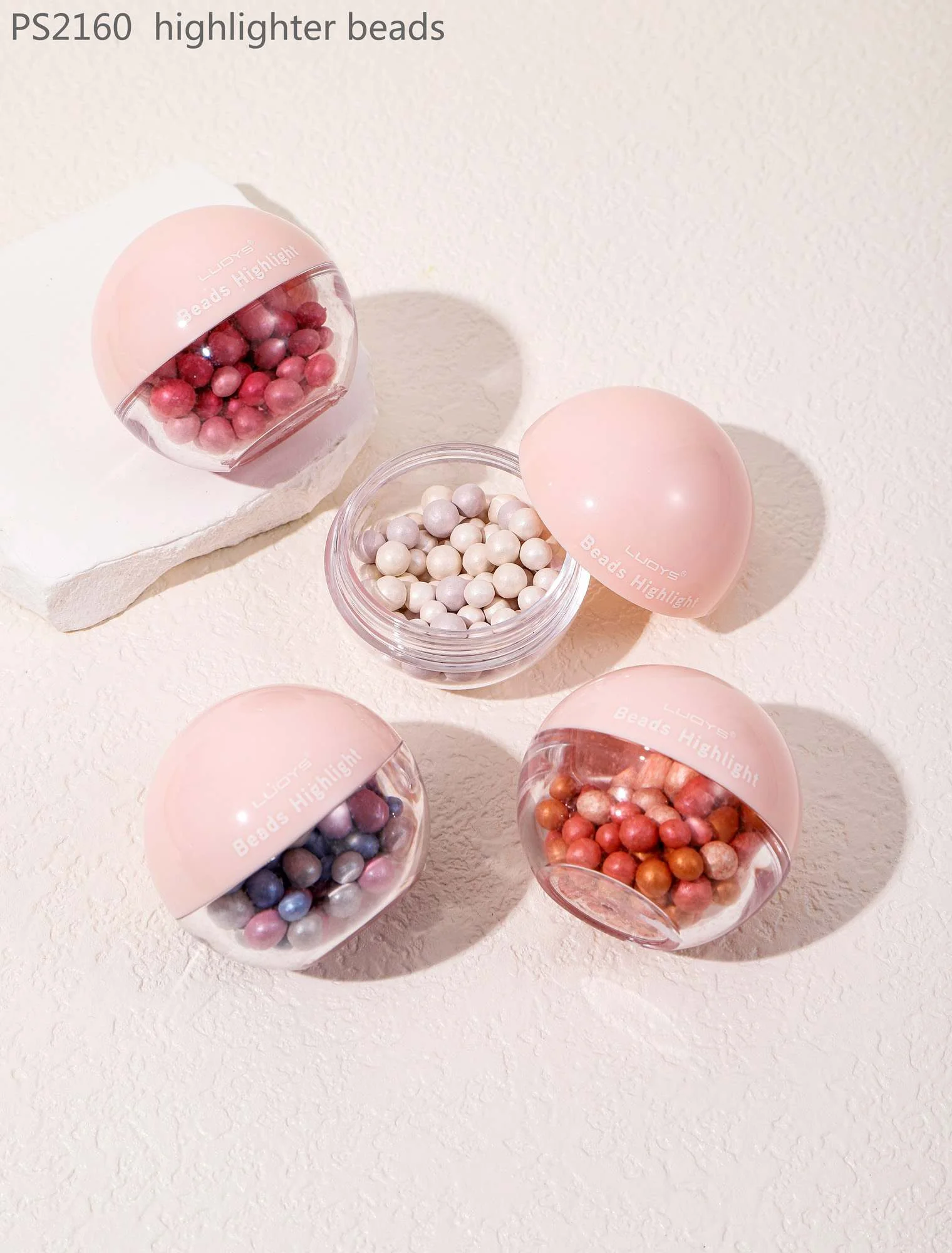
Now, flip the script to something more playful. Loose highlighter beads are tiny, spherical pearls of shimmer that roll around in a jar. They’re not bound together; instead, they’re free-flowing, often made from compressed powder extruded into bead shapes. Key ingredients might include synthetic fluorphlogopite for that high-shine pearl effect, along with oils or waxes to keep them intact yet blendable.
Applying them? It’s a bit of an adventure. Users can crush a few beads between fingers for a custom intensity or mix them into foundations for an all-over glow. I’ve seen indie brands use them in tutorials where creators blend beads with moisturizer for a dewy base—perfect for that “lit from within” look trending on TikTok. Industry insiders note that loose beads appeal to experimental consumers; sales in this niche jumped 25% in 2022, per cosmetic trend reports. For manufacturing, beads require precise extrusion tech to form uniform spheres, which can add a unique selling point. Brands often highlight the fun factor—shaking the jar creates a satisfying rattle that draws eyes in stores.
Pros and Cons: A Side-by-Side Look
Deciding pressed or loose never feels totally clear-cut. It comes down to who buys your stuff, what your factory setup looks like, and the performance you aim for. Let’s line them up plainly.
Here’s a fast table showing the main contrasts:
| Aspect | Pressed Highlighter | Loose Highlighter Beads |
|---|---|---|
| Texture | Smooth, solid compact | Free-flowing spherical beads |
| Application | Easy brush or finger swipe | Crush and blend for custom use |
| Portability | Travel-friendly, no spills | Jar can be messy if not sealed well |
| Customization | Marbling, multi-shade pans | Mixable for unique shades |
| Shelf Life | Longer due to binding agents | Prone to drying if exposed |
| Consumer Appeal | Everyday users seeking simplicity | Adventurous types loving versatility |
Advantages of Pressed Highlighters
Pressed highlighters win big on dependability. They rarely break apart in transit. E-commerce sellers deal with that headache far less often. They also build up layers smoothly. No blotchy spots appear. Think about your shopper dashing out the door to work. She pats on a little pressed highlighter. It holds strong for hours. No need to touch up. Brands see stronger repeat purchases here. The payoff stays reliable every time. If your collection speaks to low-key customers, pressed slides in perfectly.
Any downsides? They sometimes come across as ordinary. Glow items flood the market these days. A plain pressed pan risks getting lost unless you boost it with special pearls or greener components.
Benefits of Loose Highlighter Beads
Loose highlighter beads spark real excitement. They work in so many ways. Dab them on as eyeshadow. Dust them over body lotion. Even sprinkle some on nails. That multi-tasking opens doors for extra sales inside your own range. Picture launching during festival season. Bright bead colors let people craft bold, ready-for-the-party looks. They mix shades freely. From the factory view, beads support stronger color payoff. No pressing squeezes intensity away.
Still, keep an eye on the negatives. They get messy fast. Over-crushing wastes product. Jars must seal tightly. Otherwise clumping happens. Newcomers sometimes hesitate. The extra step turns some away. Early sales might suffer a bit.
Key Factors in Your Decision-Making Process
How do you finally pick? Begin with your buyers. Brands aimed at pros or busy people usually go pressed. Creative crowds, especially younger ones? Loose highlighter beads give you that sharp advantage.
Think about making them too. Pressed highlighters run smoothly on regular equipment. Costs stay lower for new brands. Beads call for fancier tools. Yet that extra effort supports higher price tags. Jars often sell for $25 or more. Pressed compacts might go for $15.
Trends play a role as well. Clean beauty keeps rising. Both styles can use natural micas or plant-derived binders. Run small test batches. Hold focus groups. See what clicks. One brand I followed switched over to beads. Surveys showed 40% of people liked the adjustable shine best.
Regulations stay important. Formulas need to pass FDA rules on colors and preservatives. Test for stability. Pressed versions handle humid weather better in many cases. Beads often do well in drier conditions.
Spotlight on Limei: Your Go-To Cosmetics Supplier
Bringing highlighter concepts into reality takes a solid partner. That changes everything. Limei stands out as a committed cosmetics supplier. They focus on OEM and ODM work for brands everywhere. Years of know-how in creating formulas and producing goods help Limei shape ideas into shelf-ready items. They provide tailored choices for pressed highlighters and loose highlighter beads alike. High-grade ingredients come standard. Textures stay fresh and inventive. From picking the right pearls to wrapping the final product, Limei covers each stage. Safety stays front and center. Sustainability matters too. Performance shines through. If you’re still developing formulas, their crew walks you from early samples all the way to full runs. Your highlighters end up glowing brightly. They also fit your brand’s overall message perfectly.
Conclusion
To wrap things up, choosing pressed highlighters or loose highlighter beads depends heavily on your brand’s personality and what customers want. Pressed brings classic simplicity that never goes out of style. Beads hand over that exciting wow moment for people who love to play. No matter which direction you take, put real effort into top-notch ingredients and clever promotion. That lifts your whole collection. A smart formula choice eventually brightens sales. It helps your brand keep glowing strong even when competition heats up.
FAQs
What’s the main difference between pressed highlighters and loose highlighter beads?
Pressed highlighters get squeezed into a firm shape. That makes swiping on quick and clean. Daily routines love them. Loose highlighter beads roll around freely as little spheres. You crush them and blend however you want. That opens up way more custom options.
How do I know if loose highlighter beads are better for my brand?
Look at your crowd. If they enjoy experimenting with makeup and appreciate items that do double duty, loose highlighter beads often win big. They shine in creative marketing pushes. Just double-check whether buyers mind the tiny extra step during application.
Can pressed highlighters be customized as much as loose ones?
Sure thing. You can swirl colors together in pressed highlighters. Add moisturizing ingredients. Even bake them for an ultra-soft finish. Loose beads stand out for blending freedom. Still, pressed versions leave plenty of space to get creative. You avoid the usual mess too.
Are there any tips for testing highlighter formulas during development?
Kick off with small trial batches. Wear them through real-life days—long shifts, workouts, whatever—to gauge staying power. Collect thoughts from all kinds of skin tones. That way you confirm the highlighter works well across everyone.
How long do loose highlighter beads typically last compared to pressed?
With good preservatives, both hold up nicely. Pressed highlighters usually edge ahead thanks to their tight binding. They often reach 18 to 24 months. Loose highlighter beads need really secure jars to dodge drying out. When packaged right, they hit close to the same timeline.