

Lip Oil vs Lip Gloss: Which Product Should Beauty Brands Launch Next?
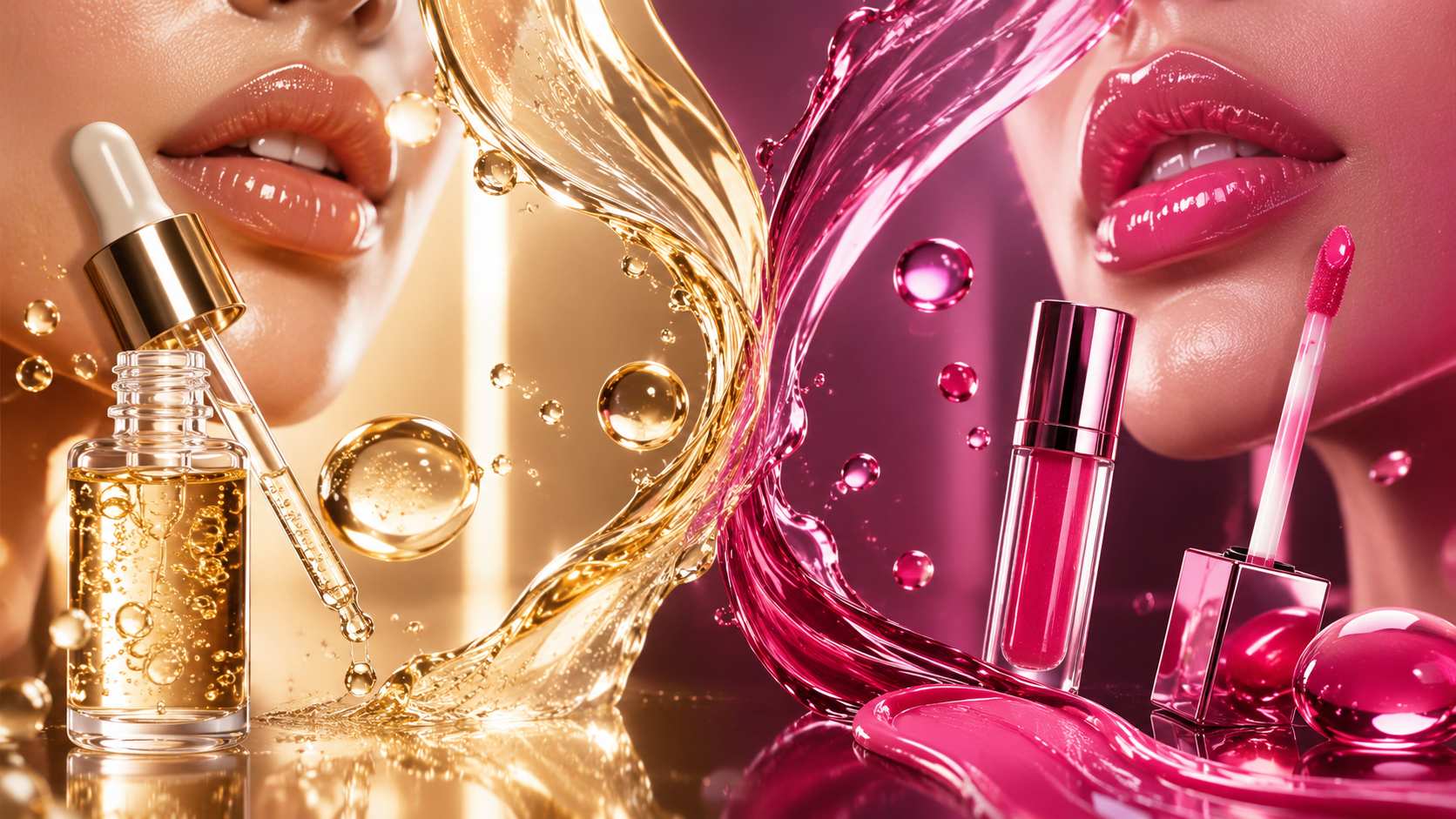
Beauty brands entering the lip care market often face a difficult product decision: should they launch a lip oil, a lip gloss, or develop both? The answer depends on target customers, product positioning, formulation requirements, packaging choices, and production costs. While lip gloss has a long history in the cosmetics market, lip oil has gained attention because consumers are looking for products that combine shine with a lighter, more comfortable feel. For brand owners and buyers exploring private label lip products, choosing the right formula requires more than following trends. Ingredient selection, texture, stability testing, packaging compatibility, and supplier support all affect the final product.
Why are lip oil and lip gloss becoming different choices for beauty brands?
Although the two products are quite similar in appearance as they both have a glossy finish, the two different product concepts are considerable.
How does lip oil create a different user experience?
Lip oils are formulated to be extremely light weight and nourishing. Many of the formulas that work with are intended to smoothly apply to the lips to provide a natural looking shine. Ultimately, the finish of the product should be light weight and comfortable to wear without feeling heavy on the lips.
For the end-consumer the difference between a lip oil and a lip care can be felt during application. A lip oil can have the characteristics of a skincare product, being a fluid oil based product containing care ingredients for the lips. The product is suitable for consumers seeking simple make up which also has care qualities.
When developing lip oils, brands must pay close attention to the selection of oils, as well as the texture and absorption of the finished product. Even the best feeling formula in a lab sample can change dramatically after packaging and storage.
What makes lip gloss different from lip oil?
Lip gloss is well known for its high shine cosmetic finish. But the formula can also produce a thicker product with a strong visual impact and varying degrees of coverage.
Many brands choose to work with lip gloss as it is a familiar product category to consumers. The formula lends itself to a lot of creative freedom in terms of color, shimmer and finish.
A gloss formula needs to have a balance of gloss and comfort. If the formula has too sticky or heavy a texture then it will detract from the user experience.
How should beauty brands compare lip oil and lip gloss before launching?
Choosing a product to launch a new brand with should start with the brand concept and customer expectations not with the most popular formulas.
Which product offers better positioning opportunities?
Lip oil may be suitable for brands that are focused on clean beauty, daily lip care, light makeup formulas or hybrid cosmetic products. It can be positioned between typical lip makeup and a lip treatment.
For a brand positioned around stronger visual effects, makeup collections or around trends, lip gloss may be a suitable starting point because it is a familiar product type to existing markets.
A comparison depends on the brand direction:
|
Factor |
Lip Oil |
Lip Gloss |
|
Texture |
Usually lighter and more fluid |
Often thicker with stronger shine |
|
Main appeal |
Comfort and glossy care feeling |
Visible shine and makeup effect |
|
Product positioning |
Hybrid lip care and color products |
Traditional cosmetic lip products |
|
Formula focus |
Oil balance and smooth application |
Shine, texture, and appearance |
Ultimately, the right choice for you will depend on the preferences of your customers, the price range in which your products fall, and the overall strategy behind your products.
How do production requirements differ between the two?
Both products require a formulation to be developed, however differences may exist in their focus.
Some things to consider when making Lip Oils are oil compatibility, the oils resistance to oxidation and the texture and feel of the Lip Oil. When making Lip Glosses you have to pay more attention to the viscosity of the product, the dispersion of the pigment and the finish of the Gloss.
Other packaging aspects such as applicator design, bottle type and filling process also have to be compatible with the respective formula. A supplier must therefore evaluate the entire product system and not treat formula and packaging as two separate items.
What should buyers check when developing private label lip products?
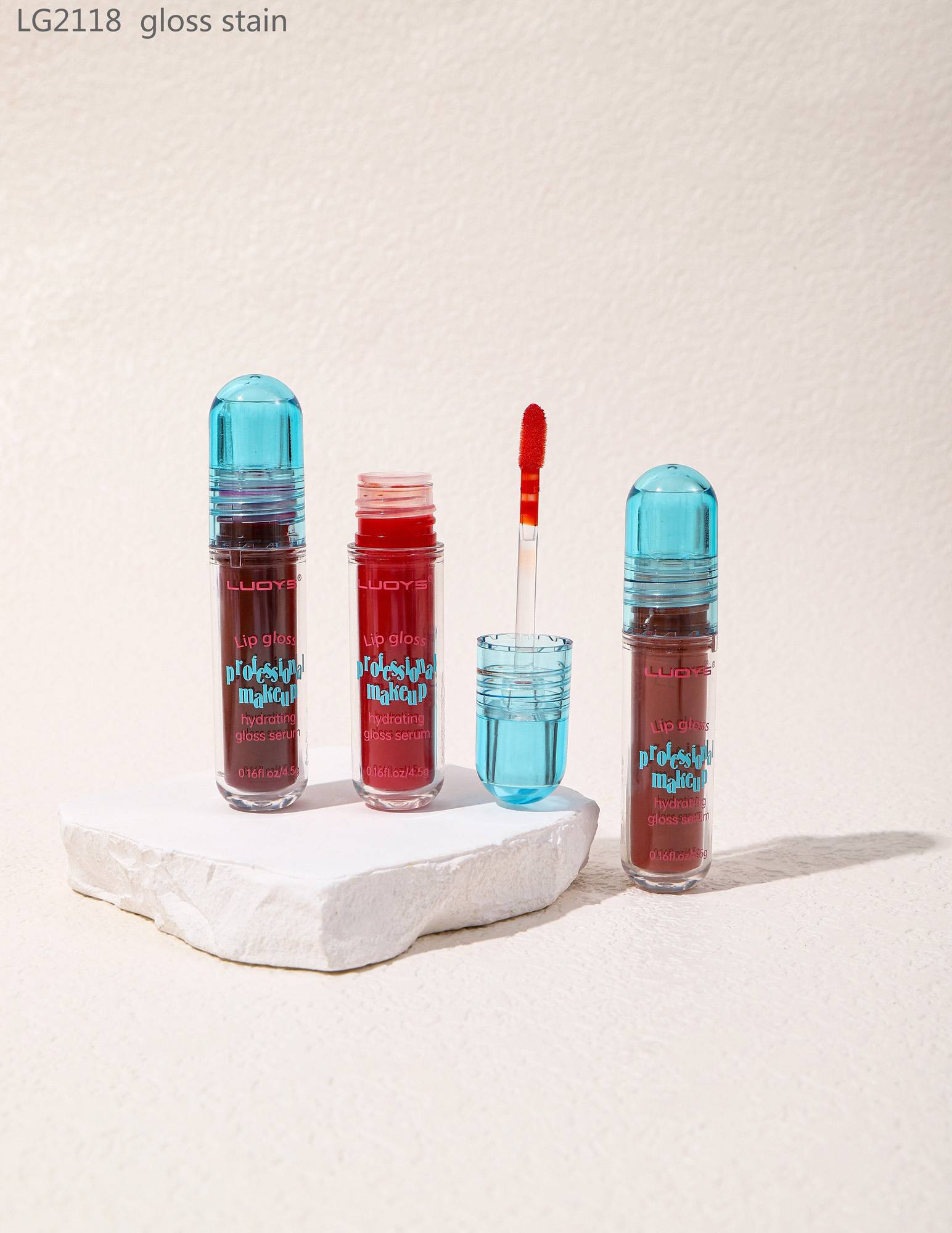
For beauty brands, supplier selection can influence product quality, launch timing, and market response.
Which formulation details should brands review?
Before production starts, it is important that buyers discuss key formula information with suppliers to agree on details such as ingredients, texture, colors, fragrances and plans for stability testing.
Sample approval is very important for us. As well as carrying out functionality tests, we check things like appearance and feel of application as well as the compatibility with the packaging and storage conditions for the product before we go into full production.
At sample stage formulae can look correct but then need adjustment after filling trials or even packaging tests.
Why are packaging and compatibility important?
Cosmetic packaging is part of the product’s overall performance. The formula in a given product can affect how it performs in different containers, with different brushes or applicators.
For lip oils and lip glosses, the packaging should allow for smooth application and also preserve the product during storage.
Packaging can also reflect a company’s brand image. High end packaging could support a high position in the market while simple packaging supports a more affordable positioned brand.
How can brands manage quality and compliance risks in lip product development?
The development of cosmetic products has to be monitored with regard to safety, quality consistency and document keeping.
What testing should buyers consider?
The testing requirements will depend on the target market and the type of product. Most brands look at the formula for stability, the appearance for any changes, packaging for compatibility and safety requirements.
It is very important to test packaged before they go into mass production. This will help to identify problems such as separation, texture changes and packaging performance problems before it is too late.
How do MOQ and lead time affect launch planning?
For new brands, minimum order quantity and production schedules are practical concerns. A large MOQ may create inventory pressure, while a small order quantity may affect pricing or customization options.
In planning for your marketing campaign, the lead time for the sample, the production time, the time for packaging and the delivery time should be confirmed in advance of any launch date being announced.
How can beauty brands choose the right cosmetic supplier?
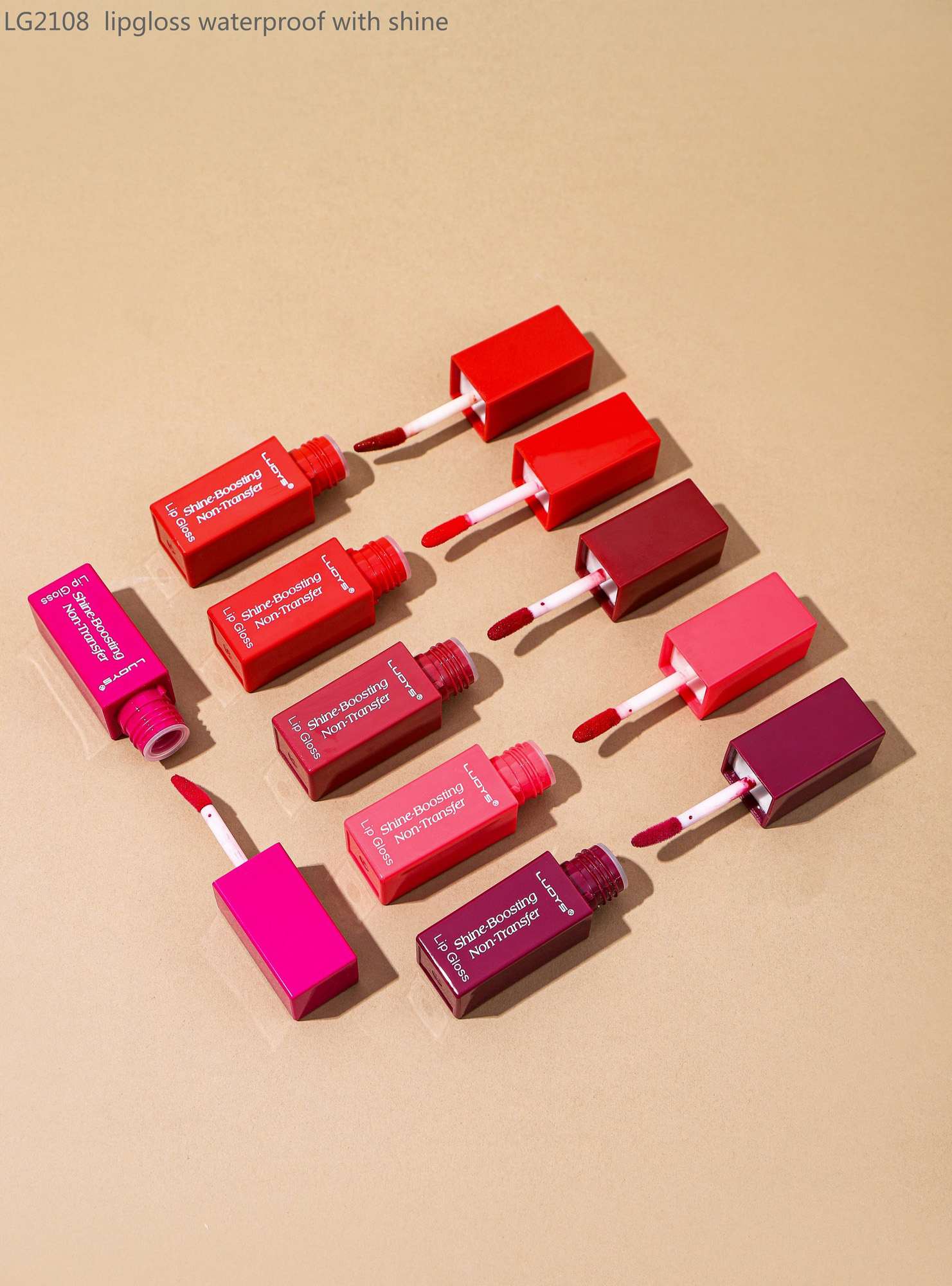
A suitable supplier is not just about having the capacity to make something. Good communication, development support and production management are important too for a new product.
What should buyers ask during supplier evaluation?
When selecting a supplier to make your brand’s products, it is smart to evaluate whether they can support formula development, can make product customized to your brand, can work with your brand to ensure proper packaging, and can provide documentation to support quality of the product.
Experience with private label lip products in the past can be relevant because different markets can have different expectations as to the ingredients, look and feel, and packaging style that are preferred.
Why does communication matter during OEM and ODM projects?
Multiple adjustments can be required when developing cosmetics such as texture, color, fragrance and packaging details when sampling.
Clear communication between brands and suppliers reduces the risk of delays and misunderstandings during production.
How can Zhejiang Limei Cosmetics Co.,Ltd. support beauty brands developing lip products?
Zhejiang Limei Cosmetics Co.,Ltd. is a professional cosmetic manufacturer of private label lip products and other cosmetics, providing cosmetic contract manufacturing service for start-up cosmetic brands to develop and launch lip products and other related beauty products. For start-up brands who are looking for a cosmetic contract manufacturer, it is important to compare a supplier with following factors: formula sharing, production capacity, provided documents, offered price, delivery time and after sales service etc. By comparing these factors with potential manufacturers, you can choose the most suitable contract manufacturer to help you to achieve your cosmetic business goals.
Conclusion
For beauty companies deciding between lip oil and lip gloss, the decision is largely based on the brand positioning, the customer’s expectations, the formula requirements, and the production planning. Lip oil can be a light cosmetic care product, while lip gloss is mainly a product that provides a lot of shine and is used as makeup. Both products need to be mixed with the right ingredients and have to be packed in the right packaging. Also, lip products need to be tested on different volunteers and the supplier needs to be contactable. For companies that offer private label lip care products, choosing the right formula is only a part of the process. It is also very important to find a reliable development and manufacturing company that can help to minimize risks during the launch of new products.
FAQs
1. What is the main difference between lip oil and lip gloss?
Lip oils are mostly light, hydrating products that provide a shiny finish for a short time, whereas lip glosses are stronger products that are used as make-up and provide a glossy finish.
2. Which product is better for a new beauty brand, lip oil or lip gloss?
The better choice between OEM products and private labels will depend on several key factors including the brand concept, the target customers, the price point and the way in which the product will be positioned on the market.
3. What should brands check when developing private label lip products?
Review the available formulas and their corresponding ingredients, packaging types, required testing, MOQ, lead time, and supplier support.
4. Can lip oil and lip gloss use the same packaging?
Not always. Packaging should be selected according to formula texture, applicator requirements, and storage conditions.
5. How do beauty brands choose a cosmetic supplier?
Brands should compare product development support, manufacturing capability, documentation, customization options, price and delivery terms.