

How to Develop a Best-Selling Face Serum From Scratch
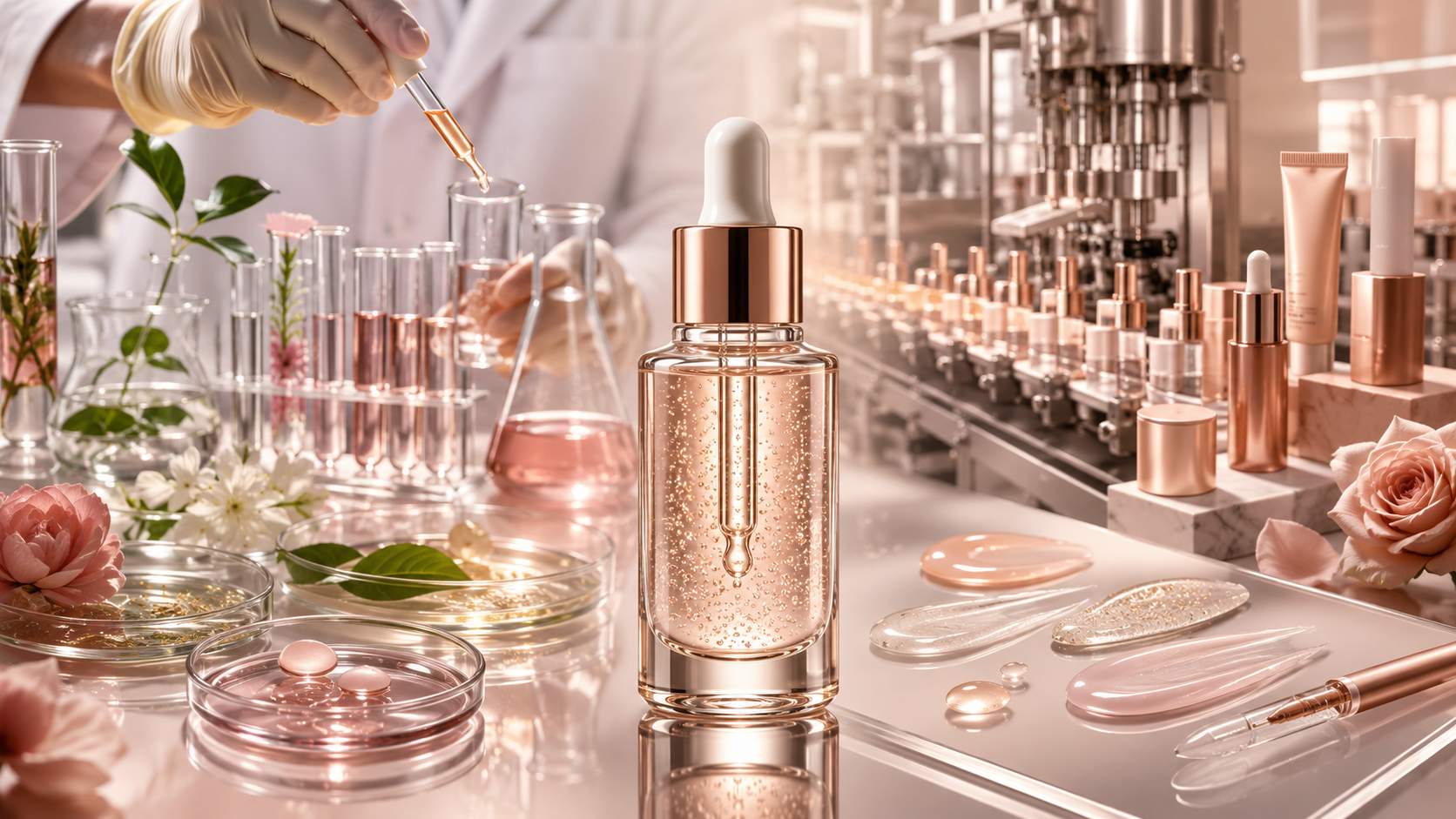
A successful face serum is built backward from a clear buyer promise, not forward from a fashionable ingredient list. The product has to feel good, remain stable, fit its packaging, support defensible claims, and reach a price that leaves room for marketing and distribution. Those demands often conflict. A richer texture may improve skin feel but slow pump recovery; a high active load may sound attractive yet create color, odor, or stability problems. Developing a face serum from scratch therefore requires disciplined choices at every stage, from concept and formula architecture to pilot filling and repeat-order control.
Which Product Concept Is Strong Enough to Guide Formulation?
Many serum projects begin with a vague request such as “brightening,” “hydrating,” or “anti-aging.” That is not enough for a formulator to make consistent technical decisions. The brief needs one primary use case, a defined user, and a realistic reason to choose the product over similar options.
What Should the Brief Specify Before Lab Work Starts?
Define your skin type, the time of day you want to apply the serum, your desired finish, consistency, absorption rate, scent, color and routine. State whether you want it to go under foundation, be used in hot and humid weather or not irritate dry skin. These factors will determine humectants, emollients, thickening agents, solvents and preservation systems.
Prioritize claims. A serum that promises to moisturize, exfoliate, brighten, firm, soothe and control oil at the same time is going to be harder to formula than one that has a primary function with 2 or 3 sub-functions.
How Should Benchmark Products Be Used?
Reference products help communicate texture and finish, but they should not become instructions to copy an ingredient list. Ask what the benchmark gets right: spread, cushion, dry-down, slip, or after-feel. Also note what should change.
This comparison prevents a common problem. The buyer asks for the feel of a silicone-rich serum while excluding the materials that create that feel. Identifying the trade-off early saves repeated sample rounds.
How Should the Formula Architecture Be Built?
A face serum is a system. Water phase, oil phase, active ingredients, rheology modifiers, preservatives, chelators, antioxidants, fragrance, and pH all interact. Adding an active is never just a line-item change.
Which Ingredients Carry the Main Performance?
Humectants manage water binding and immediate skin feel. Emollients change glide and softness. Film formers can influence smoothness and wear. Botanical extracts, vitamins, peptides, acids, and other actives need suitable pH, solubility, and use levels.
The formula should be designed around compatible ingredients rather than the longest possible label. Some combinations cause precipitation, discoloration, viscosity loss, or odor drift. Others remain technically stable but create tackiness that consumers dislike. Sensory testing belongs beside ingredient review, not after it.
Why Do pH, Viscosity, and Preservation Need Early Attention?
pH affects active stability, preservative performance, skin comfort, and thickener behavior. Viscosity determines dispensing, spread, suspension, and filling speed. Preservation depends on the full formula, package, water activity, and manufacturing hygiene.
Changing one of these variables late can disturb the others. For example, adjusting pH may thin the gel network or change color. A sound development plan sets target ranges early and checks them after every meaningful revision.
How Should Packaging Be Selected for the Formula?
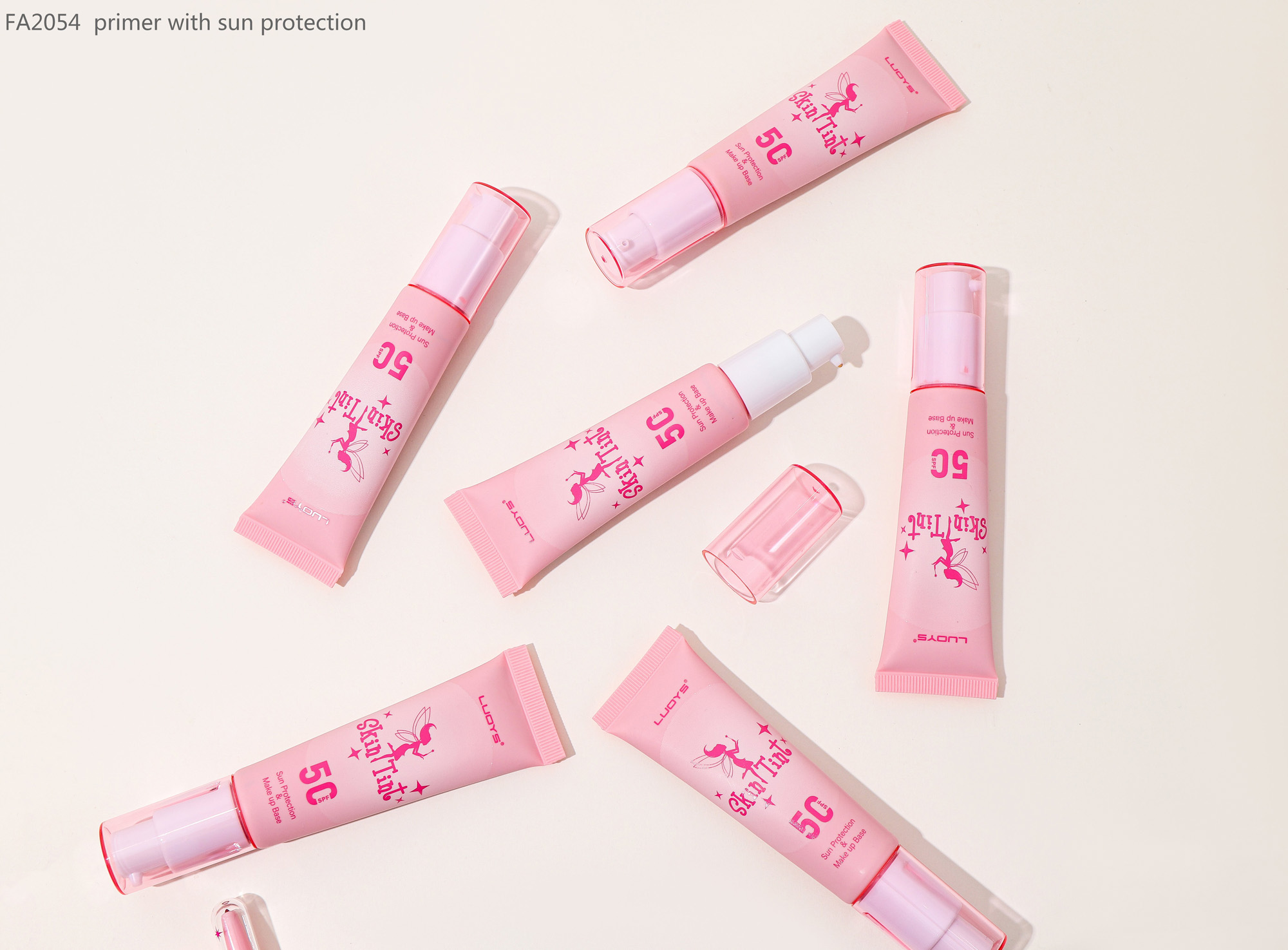
Packaging is part of product performance. A serum that works in a glass beaker may leak, clog, oxidize, or dose poorly after filling into the chosen bottle.
Which Package Features Matter Most?
Pump output, dropper fit, neck finish, wiper geometry, gasket material, dip-tube length, and closure torque all affect use. Airless packs can reduce product exposure, but they require suitable viscosity and filling methods. Droppers suit some fluid serums, although very low-viscosity products may drip down the bottle neck.
The decoration process matters too. Coatings, printing, and hot stamping must survive filling, packing, and normal handling. A visually attractive component that scratches during assembly will create avoidable rejects.
How Is Formula-Packaging Compatibility Checked?
Use the final formula and production-intent components. Store samples in multiple orientations and at relevant conditions, then inspect leakage, paneling, swelling, discoloration, odor transfer, pump function, and dose consistency.
Compatibility failures can be subtle. A seal may soften, a tube may curl, or the product may collect in a shoulder that the dip tube cannot reach. These issues affect usable fill and customer perception even when the formula itself remains stable.
What Testing Is Needed Before Mass Production?
A serum should not move from an attractive lab sample directly into a large purchase order. Development, stability, compatibility, pilot filling, and production approval answer different questions.
What Should Stability and Quality Review Cover?
Track appearance, color, odor, pH, viscosity, separation, precipitation, and package function under defined conditions. Microbiological and preservative-related evaluation should reflect the formula type and intended market. The finished-product specification needs measurable limits rather than phrases such as “normal texture.”
Claims also require review. Ingredient presence alone does not automatically support a broad performance statement. Marketing language should match the evidence available for the formula, ingredients, and intended market.
Why Is a Pilot Run Worth the Extra Step?
Scale changes influence mixing energy, heating/cooling, degassing, and addition of ingredients. A pilot batch exposes you to foaming or poor dispersion that was not seen in the lab, as well as color differences or changes in viscosity.
Pilot fills show if the serum flows nicely through the pumps and hoses, if the fill weights are consistent, and if the packaging can assemble without leaks. It is where the formula and the production process begin to come together.
How Should Buyers Control Cost, MOQ, and Repeat-Order Risk?
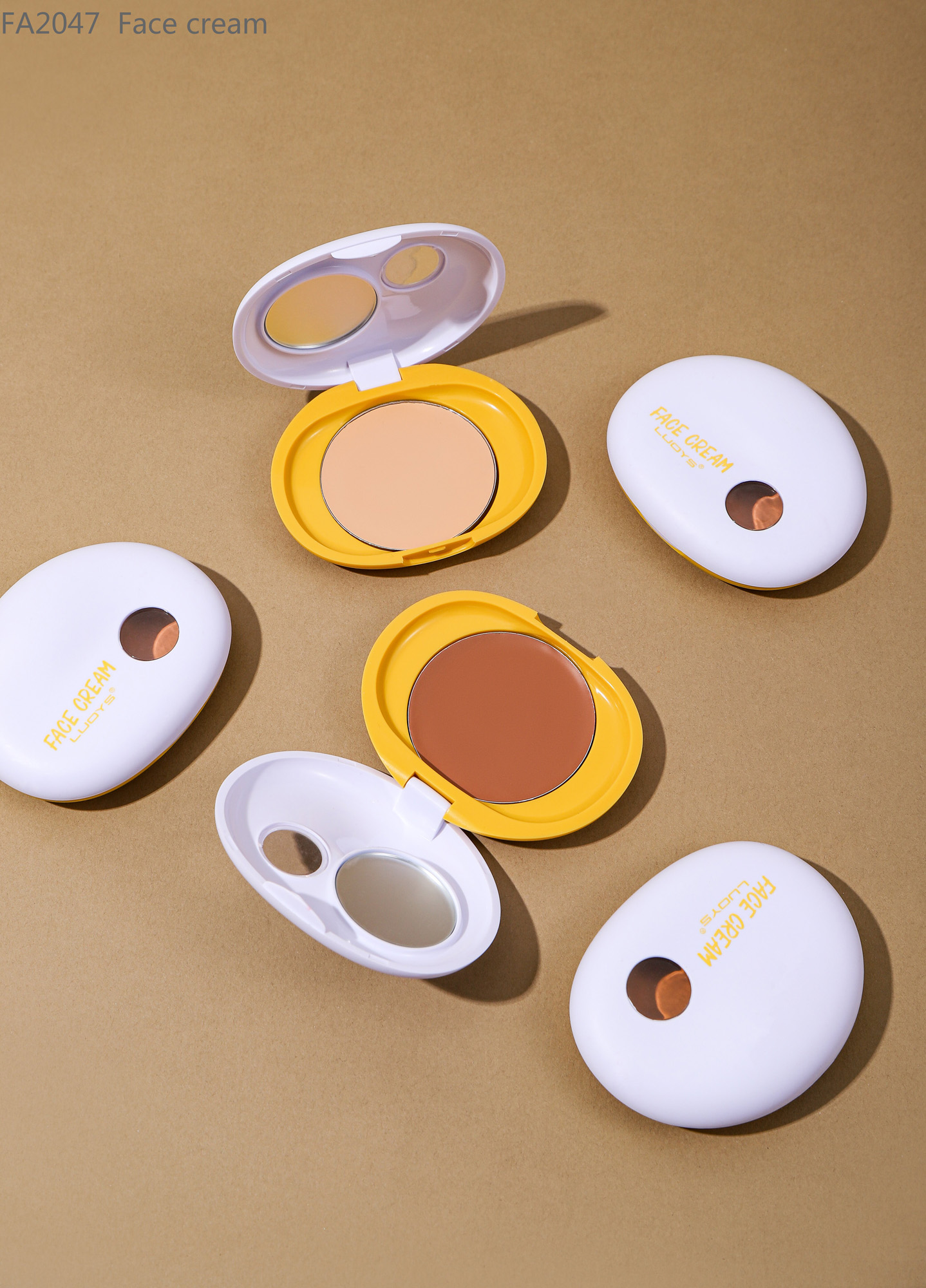
A serum can be technically sound and still fail commercially if the cost structure is wrong or the approved version cannot be reproduced. Cost control should begin before the formula is finalized.
Which Choices Have the Greatest Cost Impact?
Actives, fragrance, specialty emollients, packaging, decoration, and small quantity orders often factor more into the cost of your cream than the cost of the formula itself. Variations in shades or perfumes may also require separate minimums.
Get a costed bill of materials or at least a breakdown of costs by formula, components, decoration, testing, and packing to understand whether you can make a more economical choice in the formula or the packaging without compromising the intended message of your product.
What Should Be Locked Before the First Production Order?
Approve the formula version, ingredient list, physical standard, pH and viscosity ranges, fill weight, package components, artwork, coding, packing method, and inspection criteria. Retained samples should represent the accepted product.
Written change control is equally important. Substituting an extract, preservative, pump, gasket, or bottle coating can alter performance. Repeat orders should stay tied to the same approved specification unless both parties review the change.
How Can a Cosmetics Manufacturer Support Serum Development?
Zhejiang Limei Cosmetics Co.,Ltd. supports OEM and private-label cosmetics projects involving concept review, formula development, sampling, packaging coordination, pilot filling, and production inspection. A buyer can provide the target user, skin feel, claims direction, active preferences, exclusions, package concept, destination market, order quantity, and launch schedule. Project review should then define the formula route, sample standards, stability and compatibility plan, component requirements, MOQ, costing, and acceptance criteria. Before mass production, both parties should approve the final formula, physical reference, packaging components, artwork, fill weight, testing records, packing method, and change-control process for documented receiving inspection and later production comparisons.
Conclusion
Producing a face serum from scratch involves more than mixing the most popular actives into an appealing emulsion and putting them in a fancy bottle. The most effective way to approach such a project is to identify a limited product claim and build the whole campaign around it, designing the formula, its esthetics, packing, cost, and quality control in accordance with the claim. Pilot filling helps determine the commercial viability of a product and establish specifications for mass production. One should always be aware that the biggest commercial success is built through careful moderation and prioritization rather than extravagant promises and ingredients lists.
FAQs
1. How Long Does It Take to Develop a Custom Face Serum From Scratch?
Timing depends on formula complexity, sample revisions, testing, packaging, and component lead times. A realistic schedule should separate laboratory development, compatibility work, pilot filling, artwork approval, and production.
2. Which Ingredients Should a Face Serum Include?
The formula should reflect one primary benefit, the target skin type, desired texture, package, and market requirements. More actives do not automatically improve stability, sensory performance, or consumer clarity.
3. Can a Stock Serum Formula Be Customized?
Yes. Common changes include fragrance, color, viscosity, selected actives, and packaging. Each change should be reviewed for stability, preservation, compatibility, claims, cost, and minimum order quantity.
4. What Packaging Is Suitable for a Face Serum?
Droppers, pumps, and airless bottles can all work. The choice depends on viscosity, oxidation sensitivity, dose target, filling method, seal materials, decoration, and how much product must remain usable.
5. What Should Buyers Approve Before Ordering Face Serum?
Approve the formula version, specification, pH, viscosity, appearance, fill weight, packaging, artwork, testing plan, inspection limits, retained sample, packing method, and written change-control requirements.