

The Rise of Refillable Makeup Packaging: Opportunity or Challenge?
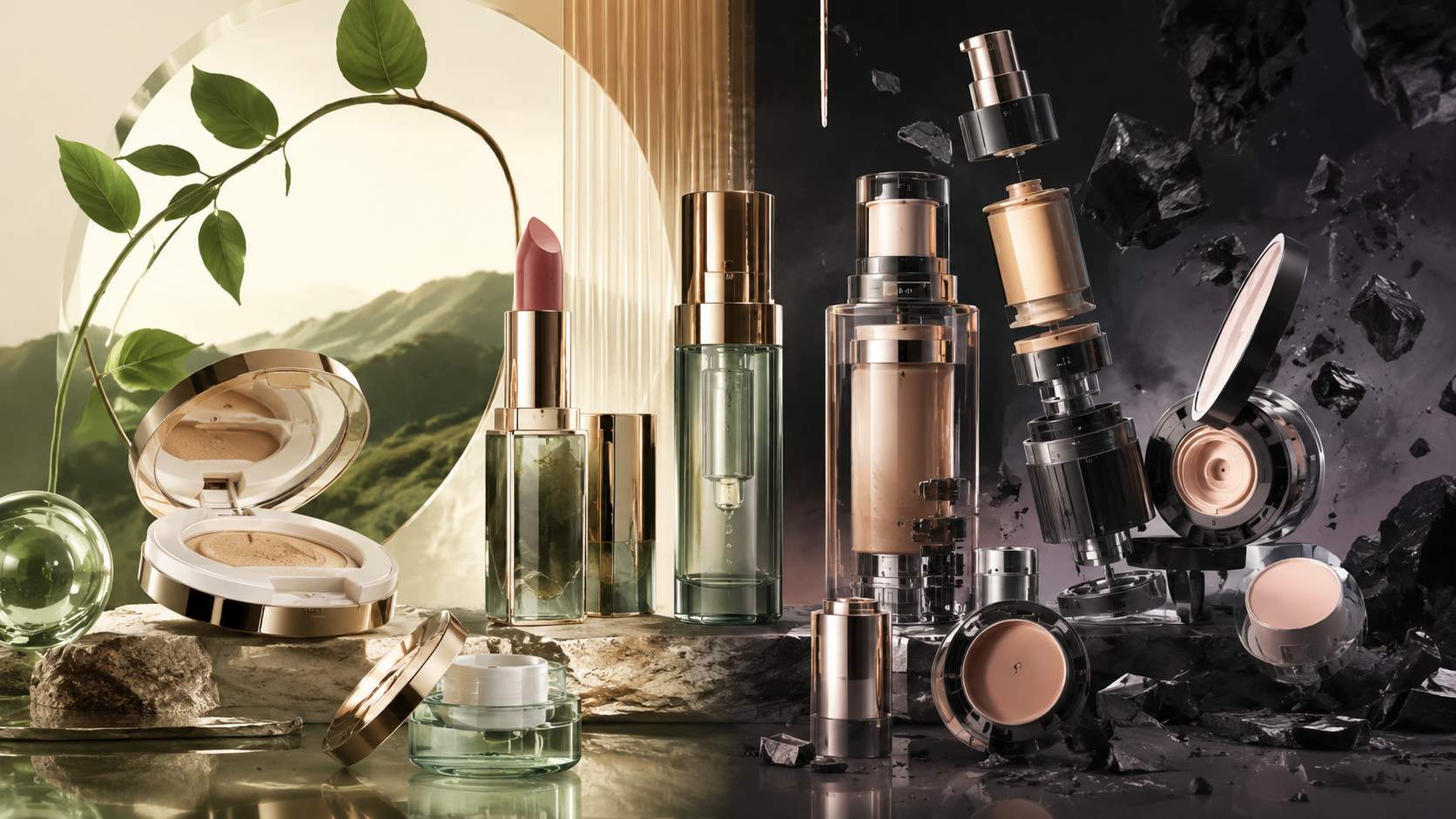
Refillable packaging is transitioning from an interesting novelty to a strategic and complicated decision that has the potential to lower wasted material, promote secondary purchase, and enhance premium positioning. However, it also has the potential to create leakage, compromise hygiene, and introduce challenges related to compatibility, assembly, and refill availability that single-use packaging does not have to face. The central question that cosmetic brands, retailers, and contract manufacturers should ask is whether the specific packaging, formula, filling process, and repeat purchase scheme will be able to withstand the test of everyday use.
What makes refillable makeup packaging commercially attractive?
The strongest opportunity is not packaging reduction by itself. A refill system can change how a brand manages customer retention, product architecture, and assortment planning. A durable outer case may carry more perceived value than a disposable compact, while refills create a separate stock-keeping unit with a lower material burden.
Where can the model improve customer retention?
A refill invites the consumer to renew the format rather than re-buy the entire product. It is perfect for products such as pressed powder, blush, eye shadow, lipstick, cushion foundations, and some other stick cosmetics. The case remains with the consumer carrying the brand, and only the active part is replaced and renewed.
The model is less convincing when replacement pans are difficult to find, cost nearly as much as a complete pack, or disappear when shade ranges change. Retail availability and reorder continuity matter as much as the mechanical design.
Why can premium positioning help?
Refillable packs often need stronger hinges, magnets, threaded parts, decorative shells, or metal components. These features add cost but may also create a more substantial hand feel and longer service life. The commercial case is easier to support when the outer component is reused and the refill is clearly cheaper, lighter, or easier to ship.
Which refill formats suit different makeup products?
There is no universal refill mechanism. The correct format depends on formula type, filling method, viscosity, exposure to air, and consumer handling.
Which systems work for powders and color cosmetics?
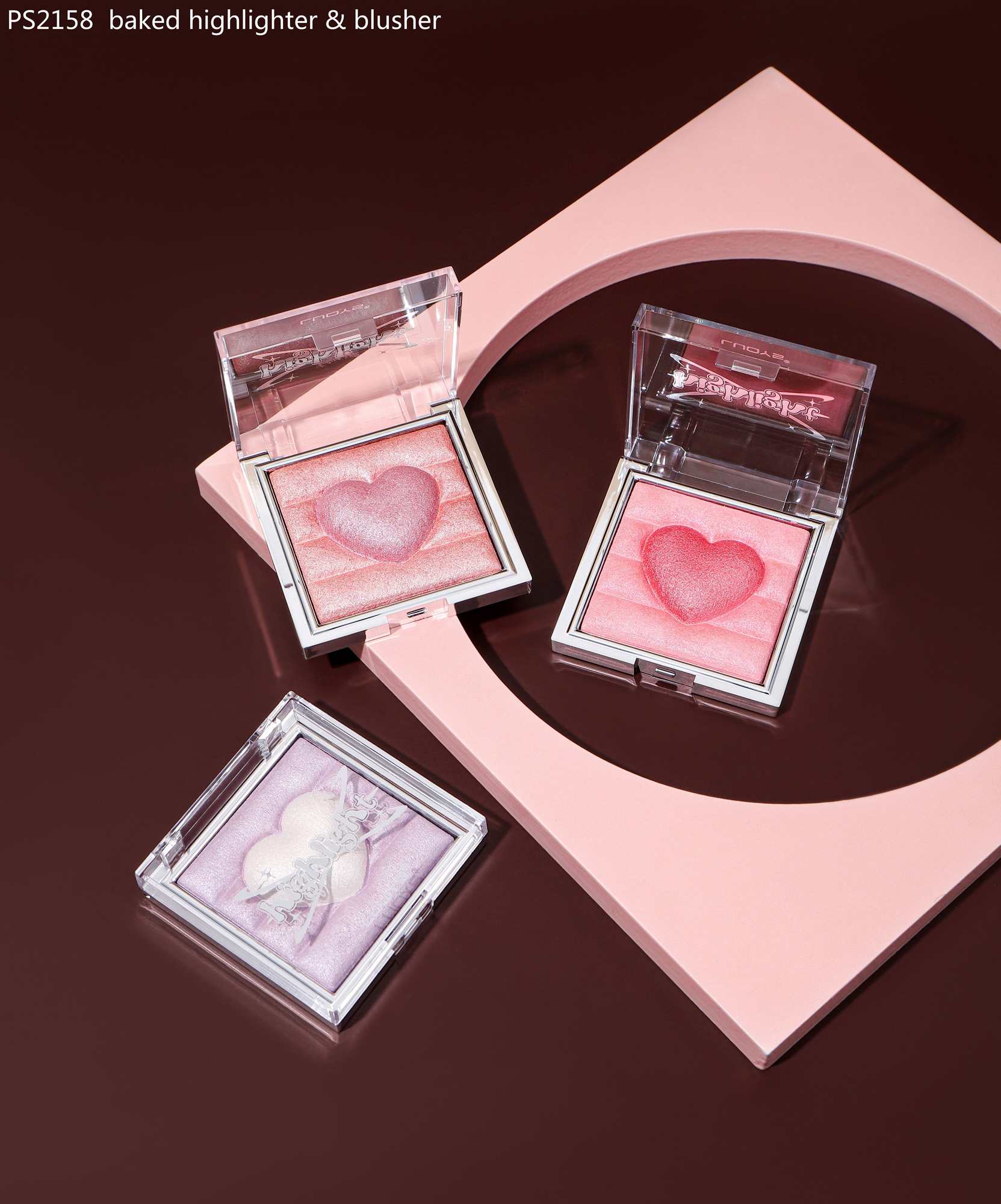
Pressed powders commonly use removable pans held by magnets, snap rings, adhesive, or shaped trays. The pan must sit flat, resist movement during transport, and remain easy to remove without damaging the compact. Magnet strength, pan material, tolerance, and drop resistance need to be checked together.
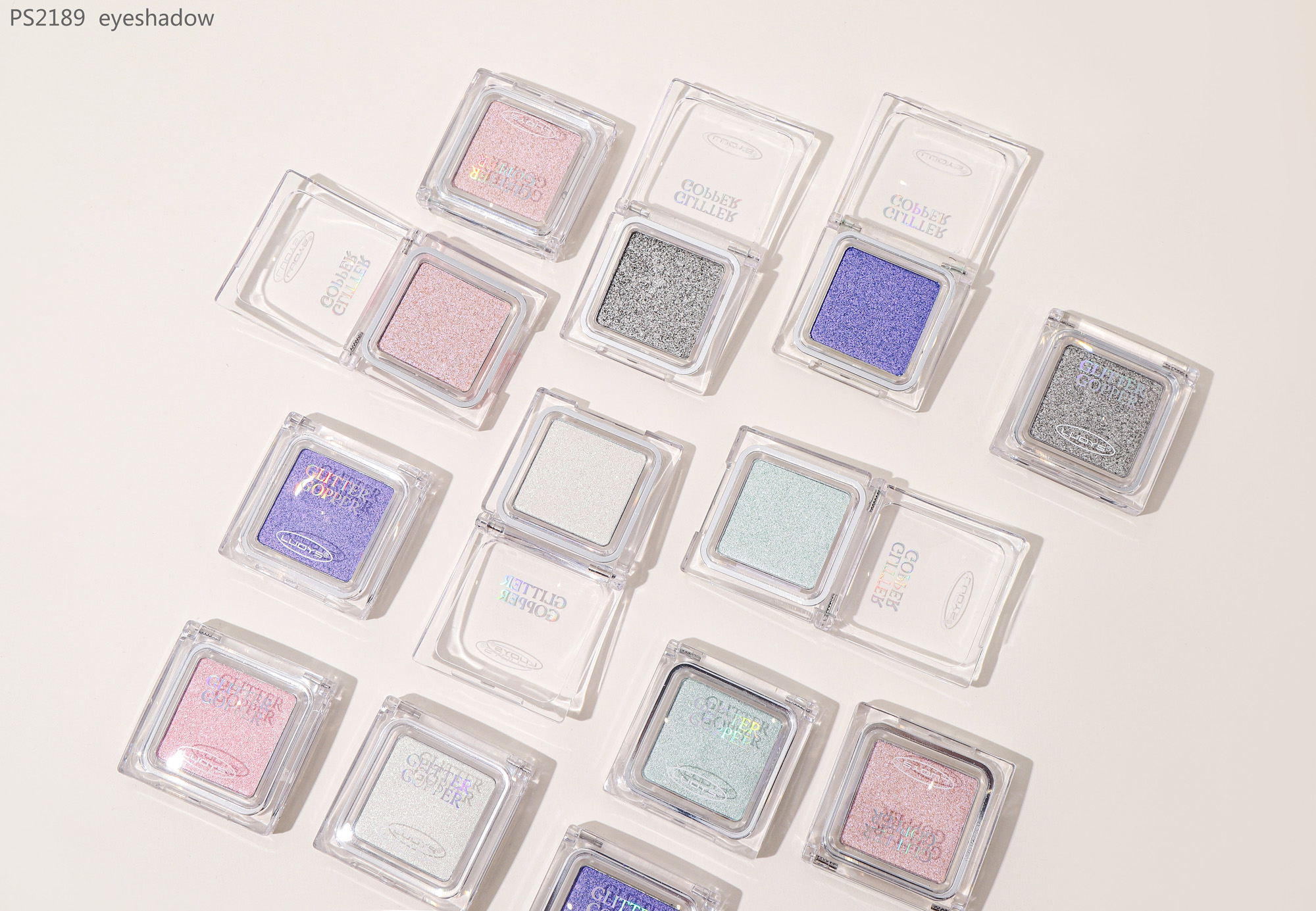
For eye shadow palettes, a refillable layout can improve shade replacement but complicate labeling and batch traceability. Small pans are also easier to misplace or contaminate. Each refill needs enough identification for shade, lot, and required product information.
What changes for liquid, cream, and stick formulas?
Liquid foundations and creams require tighter control of sealing, pump fit, air exposure, and residue around the refill interface. A cartridge may use a pouch, bottle, cup, or inner container locked into a reusable shell. Each added joint creates another possible leakage path.
Lipstick and stick products need reliable alignment between the refill cup, drive mechanism, and cap. Incorrect installation may cause the bullet to scrape, jam, or extend unevenly. Consumer assembly should not require tools or excessive force.
Where do refillable systems create technical and operational challenges?
A refillable pack is a system, not two separate components. The outer case, refill, formula, decoration, filling equipment, and distribution conditions must be qualified together.
How can formula compatibility create failures?
Cosmetic formulas may contain oils, solvents, waxes, surfactants, pigments, or volatile components that interact with plastics, elastomers, coatings, and adhesives. Possible results include swelling, stress cracking, discoloration, odor transfer, softening, or seal failure.
Compatibility testing should use the final formula. Filled samples need storage at relevant temperatures and orientations. Weight loss, leakage, torque, appearance, odor, pump output, and package opening should be checked over time. A refill that passes an empty mechanical test may still fail after prolonged formula contact.
Why are hygiene and consumer handling important?
Repeated use introduces contamination risks around refill openings, compact recesses, threads, and reusable applicators. The design should limit areas where residue accumulates and allow replacement without touching the formula.
Instructions must be clear. If consumers need to pry out a pan, remove a pump, or clean an exposed cavity, misuse becomes likely. Tamper evidence, first-use protection, and disposal of the empty refill should be addressed during design review.
How should brands test refillable makeup packaging before launch?
Testing needs to cover the package as sold, the package after repeated refills, and the refill by itself. One drop test on an unused sample does not represent months of opening, closing, carrying, and replacement.
Which performance checks matter most?
Common checks include dimensions, closure force, opening torque, hinge cycling, magnet retention, pump output, leakage, vacuum loss, actuator return, pan retention, decoration adhesion, and drop performance. Refill insertion and removal should be tested across production tolerances, not only on matched prototypes.
Environmental conditioning also matters. Heat can soften components or raise internal pressure. Cold can reduce impact resistance. Humidity may affect paper parts, labels, adhesives, and finishes. Shipping vibration can loosen pans or damage locks before the product reaches retail.
How should filling and assembly be validated?
The refill must run on the intended filling line without distortion, contamination, or repeated manual correction. Buyers should confirm filling temperature, nozzle clearance, line speed, capping force, sealing where used, and inspection access.
Assembly errors should be easy to detect. A refill installed backward or only partly locked may pass a quick visual check but fail later. Keyed features, audible clicks, alignment marks, and simple end-of-line checks reduce this risk.
What should buyers verify when selecting a refillable cosmetics supplier?
A supplier should be able to discuss both cosmetic formulation and packaging behavior. A visually attractive sample is not enough when the refill format depends on tight tolerances, stable materials, and repeat availability.
Which documents and samples reduce purchasing risk?
Buyers should request drawings, material descriptions, component tolerances, filling requirements, compatibility plans, packaging specifications, and change-control procedures. Samples should represent the proposed production materials, decoration, formula, and assembly method.
The refill and outer pack need separate item codes and traceability. If a magnet, pump, gasket, resin, coating, or adhesive changes, performance may change even when appearance does not. Approved samples and retained production references support later comparison.
Which commercial questions affect long-term viability?
Minimum order quantity, refill MOQ, component lead time, mold ownership, tooling maintenance, decoration setup, and spare-part availability – are all factors that should be taken into account when developing such a program. The question of whether one refill interface can be used for multiple shades or formulas should also be studied.
A refill system works only when replacement units remain available. Buyers should plan inventory for the outer case and refill, define discontinuation procedures, and decide how revisions will be communicated to existing customers.
How can a cosmetics manufacturer support refillable product development?
Zhejiang Limei Cosmetics Co.,Ltd. manufactures cosmetic products for brands developing color makeup and related formats. For refillable projects, buyers can submit the target formula, package drawings, refill mechanism, filling method, shade range, decoration, order quantity, and destination-market requirements. Sample work should confirm formula stability, component compatibility, filling behavior, seal performance, refill insertion, and finished appearance. The quotation should separate formula, primary package, refill unit, decoration, tooling, testing, and lead time where applicable. Before production, both parties should approve the formula sample, packaging components, filling parameters, inspection criteria, labeling, and change-notification process so repeat orders remain tied to the same specifications.
Conclusion
Unlike the initial purchase, refills are an ongoing process: they need to be bought, installed, stored, and used. They should also be compatible with the existing packaging, require little maintenance, and have the ability to seal, sanitize, meter, fill, and endure numerous cycles. A refillable system is an excellent way to encourage repeat purchases, create a premium feel and reduce material consumption per use – but only if the specifics of the refill integration are taken care of. The brands that want to think through their refill programs beyond launch need to treat the packaging as an ecosystem and consider all the points of sale, interaction, and operation within the system.
FAQs
1. Is refillable makeup packaging suitable for every cosmetic product?
No. Powders, lipsticks, and selected creams may adapt well, while volatile, highly sensitive, or difficult-to-seal formulas can require more complex refill structures and compatibility testing.
2. What should brands test before approving refillable makeup packaging?
Test formula compatibility, leakage, closure strength, repeated refill cycles, drop resistance, temperature exposure, filling behavior, decoration adhesion, consumer handling, and traceability of both the outer pack and refill.
3. How can brands prevent refill cartridges from being installed incorrectly?
Use keyed shapes, alignment marks, guided tracks, audible locking features, and simple instructions. The design should prevent partial insertion and make incorrect orientation obvious before the consumer applies force.
4. Does refillable packaging always reduce environmental impact?
Not automatically. The result depends on outer-pack durability, refill weight, material mix, transport, consumer adoption, and the number of refill cycles. The complete system should be evaluated.
5. What should a refillable cosmetics supplier include in a quotation?
The quotation should identify formula, refill and outer-pack components, decoration, tooling, MOQ, testing, filling requirements, packaging, lead time, inspection criteria, and change-control terms for repeat orders.