

What Does an EU Cosmetic Product Information File Mean for B2B Buyers?

A Product Information File (PIF) is one of the documents a brand needs to understand before placing a cosmetic product on the EU market, particularly when product development is handled through an OEM or ODM manufacturer. The practical difficulty is that the PIF is not created from one document or one test report. Formula details, safety information, manufacturing records, claims, packaging information, and product identification all need to correspond to the finished cosmetic. For purchasing managers and product developers, this makes documentation control part of supplier management. Knowing what information the manufacturer can provide, what needs to be prepared elsewhere, and how changes are recorded can prevent a technically finished product from reaching the final compliance stage with missing or inconsistent records.
Why should a B2B buyer understand the PIF before approving a cosmetic project?
The PIF matters because it follows the finished product rather than the supplier relationship. Under Regulation (EC) No 1223/2009, the responsible person must keep a PIF for each cosmetic product placed on the EU market, and the file must be kept for ten years after the last batch was placed on the market. The file must also be readily accessible to the competent authority at the address specified on the product label.
That creates a practical issue during procurement. A buyer may work with one factory for formulation, another company for packaging, and a separate regulatory specialist for safety assessment. If the product specification changes between those stages, the documents need to follow the same final version.
What does the PIF actually identify?
The file contains information that allows the product to be identified clearly. This sounds straightforward until a development project contains several sample versions, different shades, or changes in packaging.
A purchasing team should therefore keep a clear connection between the commercial product name and its approved formula, packaging configuration, shade reference where applicable, and final artwork. A product name alone is not a reliable document-control system when several versions have been exchanged during development.
The useful question to ask an OEM supplier is not simply, “Can you provide the PIF?” It is, “Which technical documents can you provide, and which version of the finished product do they describe?”
Who is responsible for the file?
The responsible person carries the regulatory responsibility for the PIF. A manufacturer can provide technical information and manufacturing records, but the buyer should not assume that the factory automatically becomes the responsible person merely because it developed or produced the cosmetic.
This distinction should be settled early. It affects who coordinates the safety assessment, who retains the complete file, and who handles updates when the formula, labeling, or intended use changes.
Which technical information needs to be connected to the PIF?
The PIF is broader than a formula sheet. Regulation (EC) No 1223/2009 specifies information including a description of the cosmetic product, the Cosmetic Product Safety Report, a description of the method of manufacture and a statement of compliance with good manufacturing practice, and evidence supporting the effect claimed for the product where justified by the nature or effect of the cosmetic.
For a buyer, this means the supplier’s technical package should be reviewed as a set of related records. One document cannot compensate for another document describing a different product version.
Why does the Cosmetic Product Safety Report matter?
The Cosmetic Product Safety Report, or CPSR, is a central part of the PIF. The safety assessment must consider relevant information about the ingredients and the finished cosmetic, including exposure associated with the intended use. The regulation also sets qualification requirements for the person carrying out the safety assessment.
This is where formula control becomes particularly important. Suppose an ingredient is replaced after sample approval because of availability or sourcing issues. The change may look minor to purchasing, but the final safety documentation still needs to correspond to the product that will actually be placed on the market.
For that reason, buyers should avoid treating the CPSR as a document that can simply be requested once the formula is finished. Formula revisions need to be visible to the people responsible for the safety assessment.
What manufacturing records should be available?
The PIF includes a description of the manufacturing method and a statement concerning compliance with good manufacturing practice.
The exact production documentation supplied to a buyer will depend on the project and supplier arrangement. What matters is that the commercial formula and manufacturing version can be identified clearly. If the production team changes a critical process or substitutes a relevant material, the buyer needs a defined way to determine whether the existing documentation remains appropriate.
How should brands control formula, claims, and artwork changes?
Documentation problems often appear when product development moves through several departments. R&D may approve one formula, purchasing may negotiate another raw material, and marketing may prepare artwork based on an earlier product description. None of these actions is unusual on its own. The problem begins when the final documents no longer describe the same cosmetic.
A simple version-control process can prevent much of this confusion.
What happens when the formula changes after testing?
The impact depends on the change. A minor adjustment in a non-critical material may have a different documentation consequence from changing an active ingredient, preservative system, fragrance, pigment, concentration, or intended use.
The buyer should therefore require a documented change review rather than relying on the supplier’s judgment that the new version is “basically the same.” The review can determine whether a new sample, additional testing, or an update to safety documentation is appropriate.
This is especially useful for repeat orders. A product can retain the same commercial name while its formula or packaging has changed, so the purchase order should point back to the approved version rather than only to the product name.
How should cosmetic claims be handled?
Claims need their own review because a statement on packaging can create an evidence requirement. EU Regulation (EU) No 655/2013 establishes common criteria for cosmetic claims, including requirements concerning legal compliance, truthfulness, evidential support, honesty, fairness, and informed decision-making.
For a B2B buyer, the practical distinction is between an ingredient description and a finished-product claim. A raw-material supplier may provide technical information about an ingredient, but that does not automatically substantiate every statement a brand wants to print on its packaging.
The claim, final formula, intended use, and supporting evidence should therefore be reviewed together before artwork is released.
What should buyers check when the PIF is connected with packaging and market notification?
Packaging is part of the product record because the information presented to consumers needs to correspond with the cosmetic being placed on the market. The EU framework sets labeling requirements for cosmetic products, including information concerning the responsible person and other mandatory particulars depending on the product and circumstances.
This is why artwork approval should happen against an identified product version rather than in isolation.
Why should the final artwork be controlled?
During development, several artwork files may circulate. A preliminary label can contain an outdated ingredient declaration, an earlier product name, or information that no longer matches the final package.
A buyer should keep the approved artwork version connected with the final formula and packaging components. If the formula changes after artwork approval, the label should be reviewed rather than assumed to remain valid.
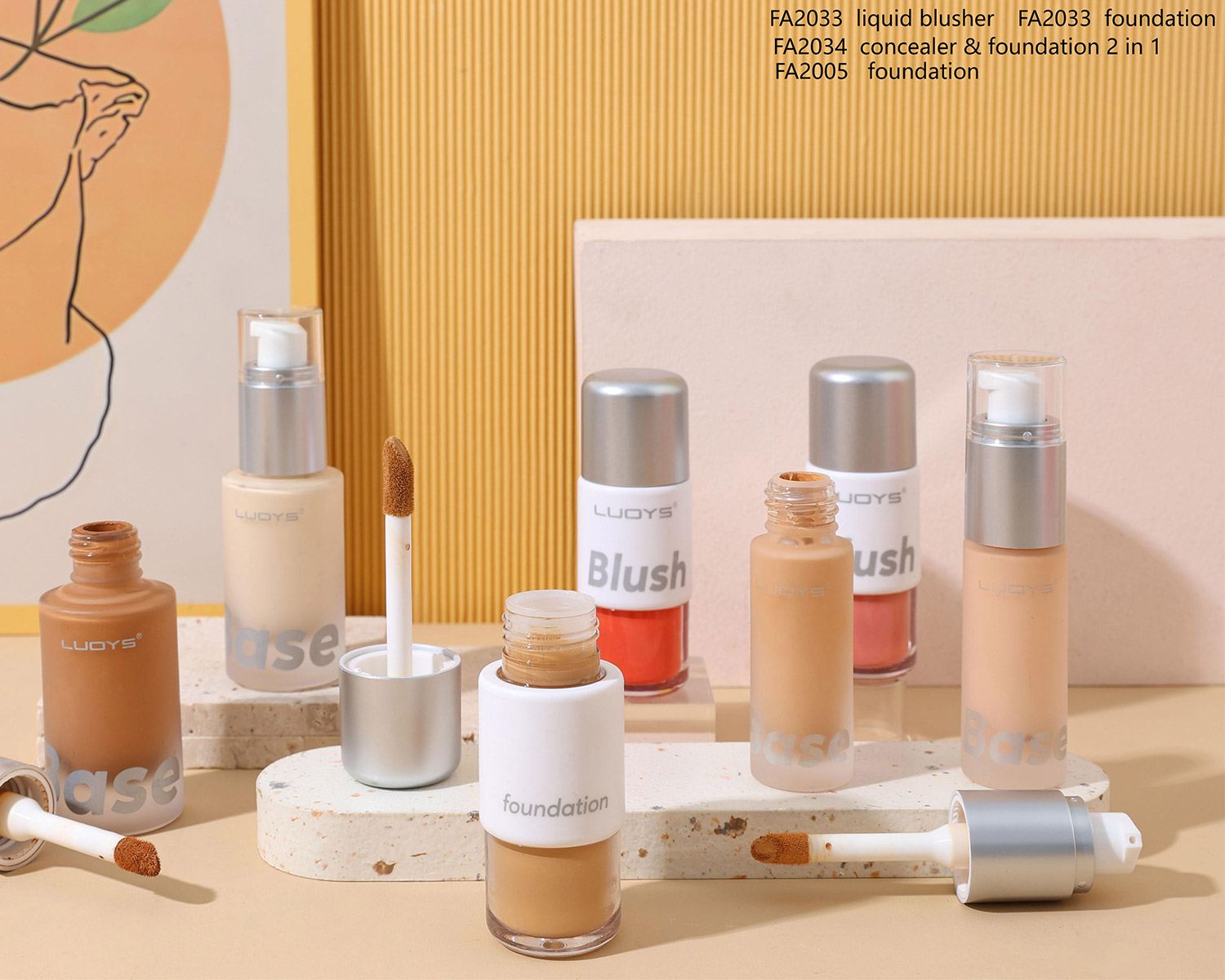
The Faces category and Foundation category on the manufacturer’s website illustrate how different cosmetic formats may involve different product configurations. For an actual EU launch, however, the relevant compliance review must always be performed against the specific finished product.
Is CPNP the same as the PIF?
No. The Cosmetic Products Notification Portal, or CPNP, is the EU notification system established under the cosmetics regulation. The European Commission explains that responsible persons and, in certain circumstances, distributors use the portal to submit required product information.
Notification and the PIF serve different purposes. A CPNP notification does not replace the product information file or the safety documentation supporting the cosmetic.
For procurement teams, this distinction is worth keeping clear because a supplier saying that a product has been “notified” does not, by itself, answer whether the buyer has all the documentation needed for the product.
How should a buyer evaluate an OEM supplier’s documentation support?
Once the regulatory responsibilities are clear, supplier evaluation becomes much more practical. The question is no longer whether a manufacturer can produce a sample; it is whether the manufacturer can provide reliable technical information that stays aligned with the formula, manufacturing process, packaging, and approved product version.
What should be discussed before the production order?
Before releasing an order, buyers should establish:
-
which formula version has been approved;
-
which technical documents the manufacturer can supply;
-
how formula substitutions are communicated;
-
how packaging changes are handled;
-
which manufacturing records are available;
-
who coordinates regulatory documentation.
These points are particularly useful when a project involves several rounds of sampling. A clear record of the final version prevents earlier development files from being mistaken for production documentation.
A buyer can also review the manufacturer’s Service information and About Us page when assessing the scope of its OEM/ODM support. These pages provide company-level context; they should not be treated as substitutes for product-specific compliance documents.
What should happen if a supplier cannot provide every document?
Not every document necessarily comes from the factory. Safety assessment, regulatory review, packaging, raw-material supply, and manufacturing can involve different parties.
The important point is to assign responsibility for each item before launch. A useful supplier discussion identifies what the factory supplies, what the buyer or responsible person arranges, and which party updates the information when a product changes.
Need Practical OEM Support for EU Cosmetic Product Documentation?
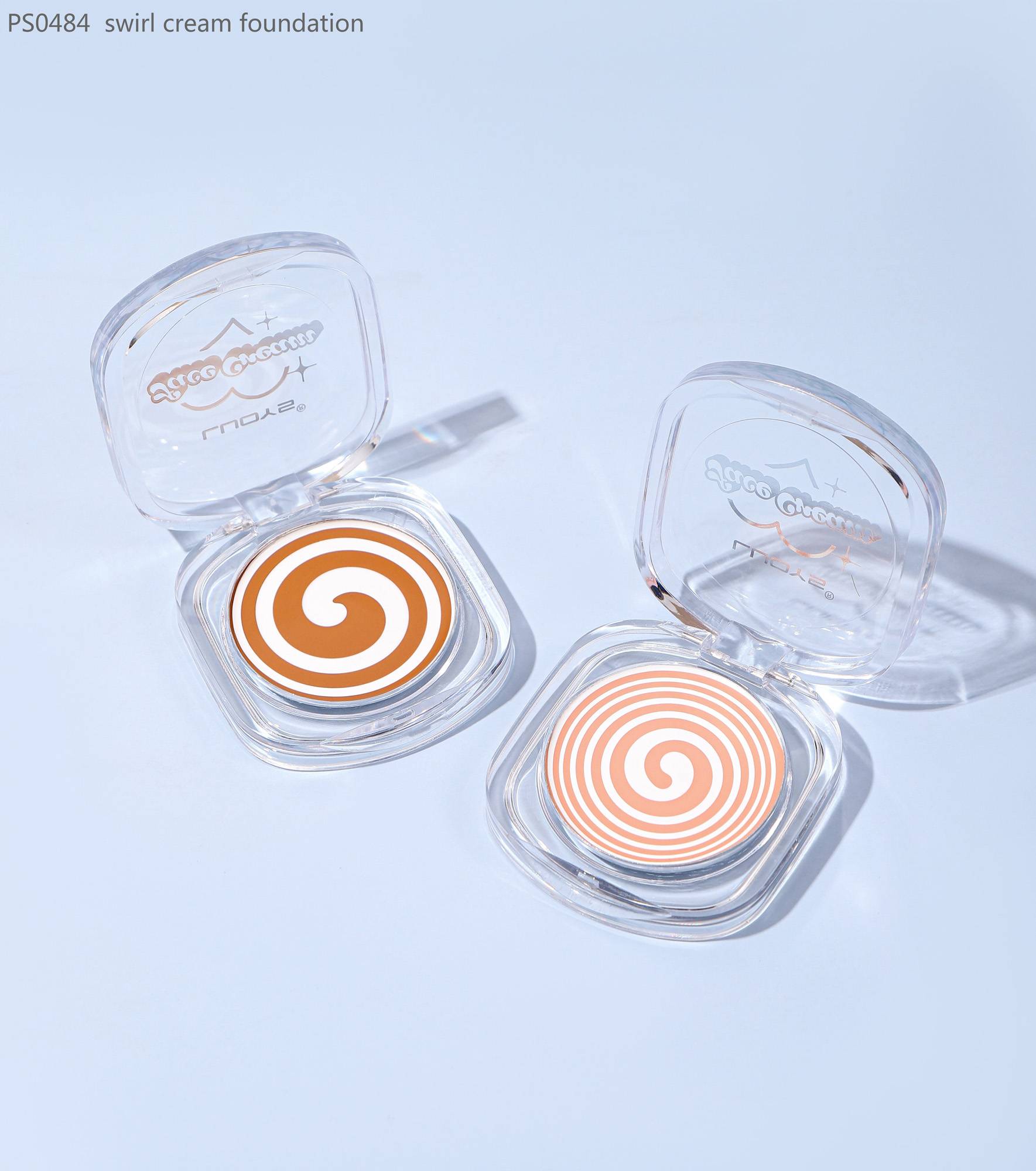
Once formula, manufacturing, packaging, and quality records need to remain aligned for an EU-bound project, the manufacturer’s technical support becomes one part of the buyer’s overall documentation process. Zhejiang Limei Cosmetics Co., Ltd. provides OEM and ODM manufacturing support for skincare and color cosmetics, with the company’s website describing R&D, quality inspection, filling, packaging, logistics, and production capabilities. Its published FA2033 liquid blusher, FA2033 foundation, FA2034 concealer & foundation 2-in-1, and FA2005 foundation references give buyers concrete examples of product formats for which formulation, packaging, manufacturing, and product documentation need to remain connected. The company’s Lips and Eyes categories also show the broader range of cosmetic formats covered by its manufacturing operation.
Conclusion
For a B2B cosmetic buyer, the PIF is best understood as a product-specific record that needs to stay consistent with the cosmetic actually placed on the EU market. The safest approach is to control the approved formula, packaging, claims, manufacturing information, and responsibility for regulatory documents from the beginning. Before production, buyers should confirm who owns each documentation task, how changes will be reviewed, and which supplier records support the final product. That preparation makes the compliance process easier to manage when the project moves from sampling into repeat commercial production.
FAQs
1. Does the manufacturer automatically become responsible for the PIF?
No. The responsible person has the regulatory responsibility for maintaining the PIF. An OEM manufacturer may provide technical records and manufacturing information, but the contractual and regulatory roles should be confirmed before the product is placed on the EU market.
2. Can a buyer use the same PIF after changing the formula?
Not without reviewing the change. The effect depends on what was changed and how it affects the product’s safety, composition, claims, or supporting evidence. The responsible person should determine whether the existing documentation remains appropriate.
3. Is CPNP notification enough for an EU cosmetic launch?
No. CPNP notification and the PIF are separate requirements. Notification submits specified product information through the EU portal, while the PIF contains the broader technical and safety documentation associated with the finished cosmetic.
4. Does every formula change require a completely new safety assessment?
Not necessarily. The appropriate action depends on the nature and significance of the change. A documented review should determine whether existing safety information remains valid or whether additional assessment or supporting information is needed.
5. What should a buyer ask an OEM supplier about EU documentation?
Ask which formula, manufacturing, packaging, and quality records the supplier can provide, how revisions are documented, how substitutions are communicated, and which party is responsible for coordinating the complete regulatory file for the finished product.