

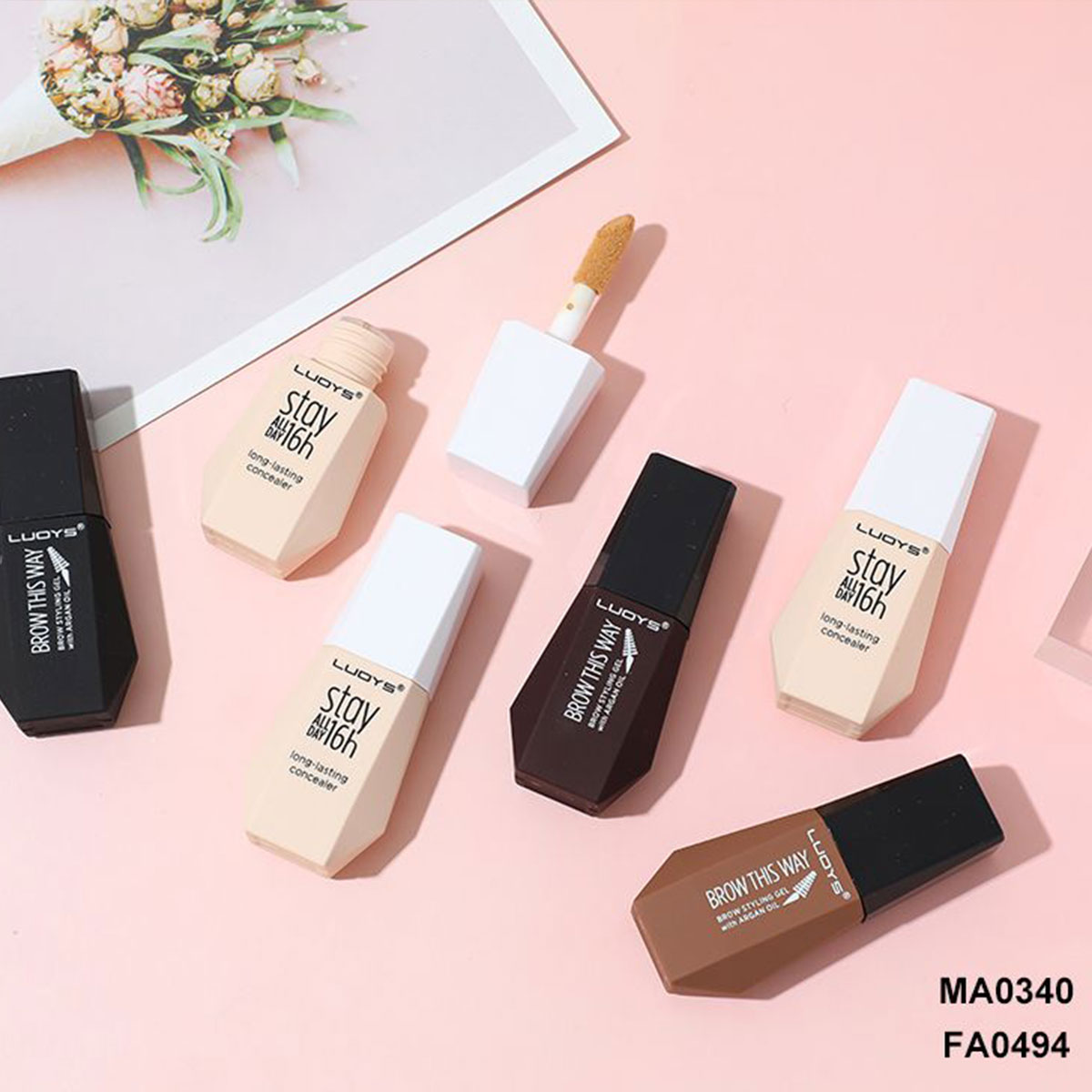
Private Label Cosmetics Reorders How to Keep Specifications Consistent
A cosmetics reorder can go wrong before any ingredient or component changes. The buyer may mean the version last shipped while the supplier reaches for the first approved sample. Replace ‘same as last time’ with a traceable order and accepted specification. That gives both sides a common reference from which to review the next batch, including seemingly minor changes.
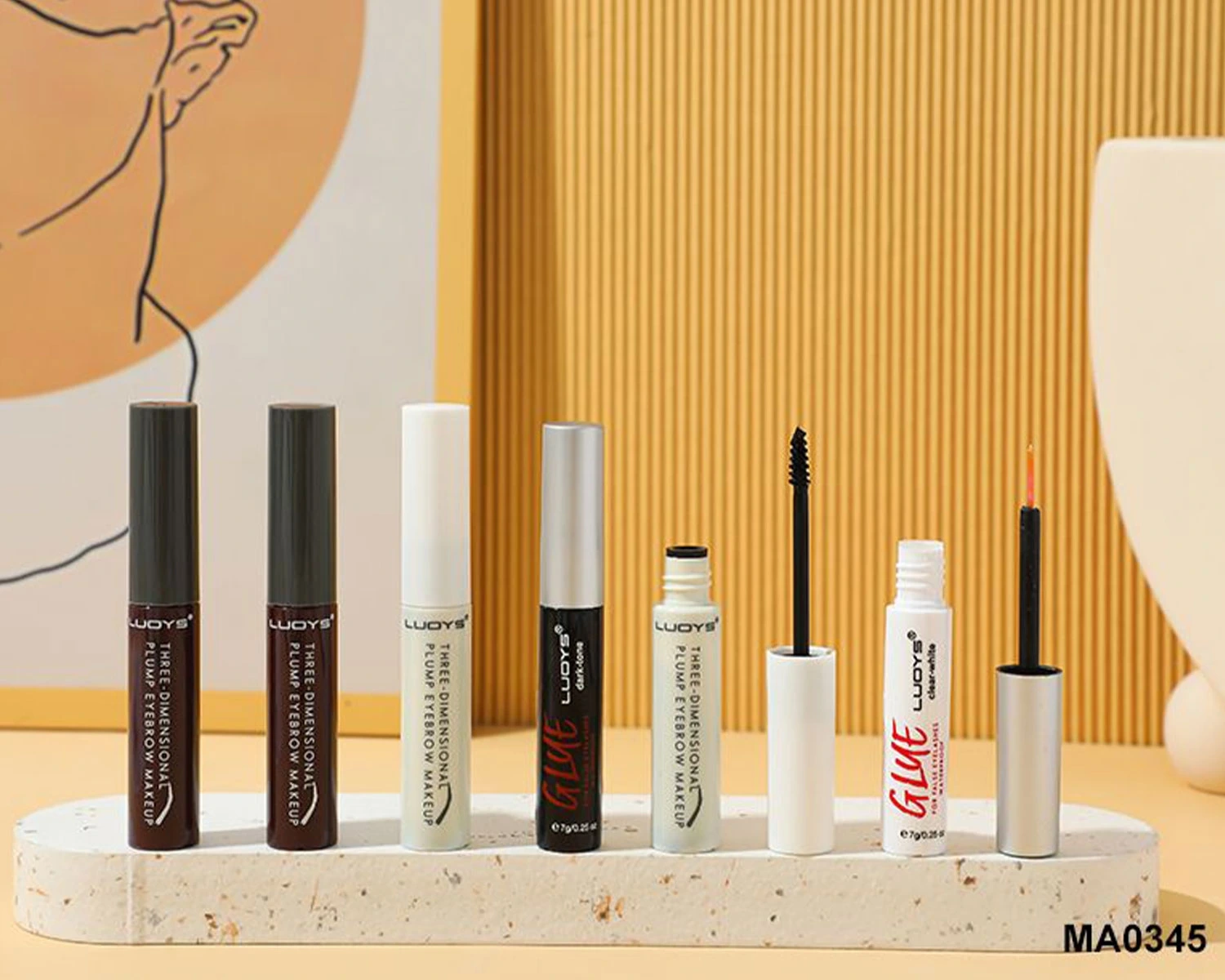
Find the order behind the product name
Retrieve the release records for the previous order, then locate the formula revision, shade codes, packaging references and artwork they identify. The product name alone does not distinguish those versions. An early development sample may look familiar without representing the configuration that was finally accepted for production.
There is a simple reason to do this before copying the old purchase order: development may have continued after that order was issued. Suppose the team approved a different cap in a later email. Copy the purchase order alone and you could order the rejected cap again. Copy the email alone and you lose the rest of the specification. The accepted order needs to bring both pieces of information together.
An inquiry to Zhejiang Limei Cosmetics Co., Ltd. can begin with the order number and a request to confirm the specification associated with it. There’s no need to reconstruct the entire development story in the opening message. If the reply names a different revision from yours, there is a record to reconcile before discussing an identical repeat.
Decide whether you want a repeat or a revision
A reorder discussion can uncover two different needs: replenishing the accepted product and improving something about it. Keep those needs distinguishable. Otherwise, purchasing may request an identical product while the development team expects an improvement from its latest feedback.
Take a hypothetical complaint about a messy applicator. Useful investigation material would include the affected item, batch information where available, photographs and a description of what happened. “Change the formula” is already a proposed solution. The person investigating the complaint hasn’t yet been given enough information to support it.
The improvement request could be narrower: “We want to retain the accepted shade and finish. Please investigate the dispensing concern before proposing a revision.” That is an example of feedback, not a diagnosis. It leaves room for the supplier’s assessment without putting the whole product back into development.
Compare the two orders, including unanswered items
A comparison needs a place for uncertainty. Give each old reference a space for its proposed replacement and a status: unchanged, changed or awaiting an answer. That third status matters when a reply is incomplete. The list is short enough to work through with the supplier:
The comparison should cover:
- Formula revision and shade identifiers.
- Container, closure and applicator references, where applicable.
- Decoration, labels, cartons and artwork versions.
- Quantity by item and shade, plus the packing arrangement.
For lip gloss products, include the tube code as well as a photograph in that comparison. If the new offer uses a different code, don’t try to settle its meaning from the picture. Request an explanation of the old and new references; only then can you decide whether there’s a component change to assess.
Quantity creates a similar trap. “Repeat the total” doesn’t tell anyone whether the shade mix stays the same. Write the quantities against the individual items, even if the overall figure hasn’t moved. This is information the supplier needs when confirming the offer.
Decide who can accept a substitute
Purchasing may be the first to hear that a component is unavailable. That doesn’t necessarily make the buyer the person qualified to assess a substitute. Put the approval route in the order instructions: who receives the proposal, who assesses its technical implications and who communicates the decision back to the supplier. The urgent email then has somewhere to go.
“Equivalent replacement” without an explanation gives a reviewer very little to assess. Ask for the old and proposed references, a description of the difference and its reason. A reviewer who requests another sample or test information should explain what question it needs to answer. Keep the proposed substitution open until the required evidence has been considered, even if a stock reservation expires earlier.
If an exception is accepted for one batch, where does that leave the next batch? Write both decisions down. The record needs the orders covered by the exception and the reference to use afterward. Otherwise, an email permitting a temporary substitute could become the only instruction a new colleague finds when arranging the next replenishment.
Know what a retained sample can tell you
An unlabelled sample from an office drawer may look convincing beside a new delivery. Without an identity or storage history, however, what exactly is the team comparing? Start by finding the retained reference associated with the accepted order. If that reference cannot be located, say so in the review record.
Even an identified sample has limits. An old opened pack and a sealed reference may offer different evidence, depending on their condition and the attribute under review. Let the technical reviewer assess that suitability. If the sample cannot answer the disputed question, record what is missing and obtain other evidence rather than declaring the new delivery defective from that comparison alone.
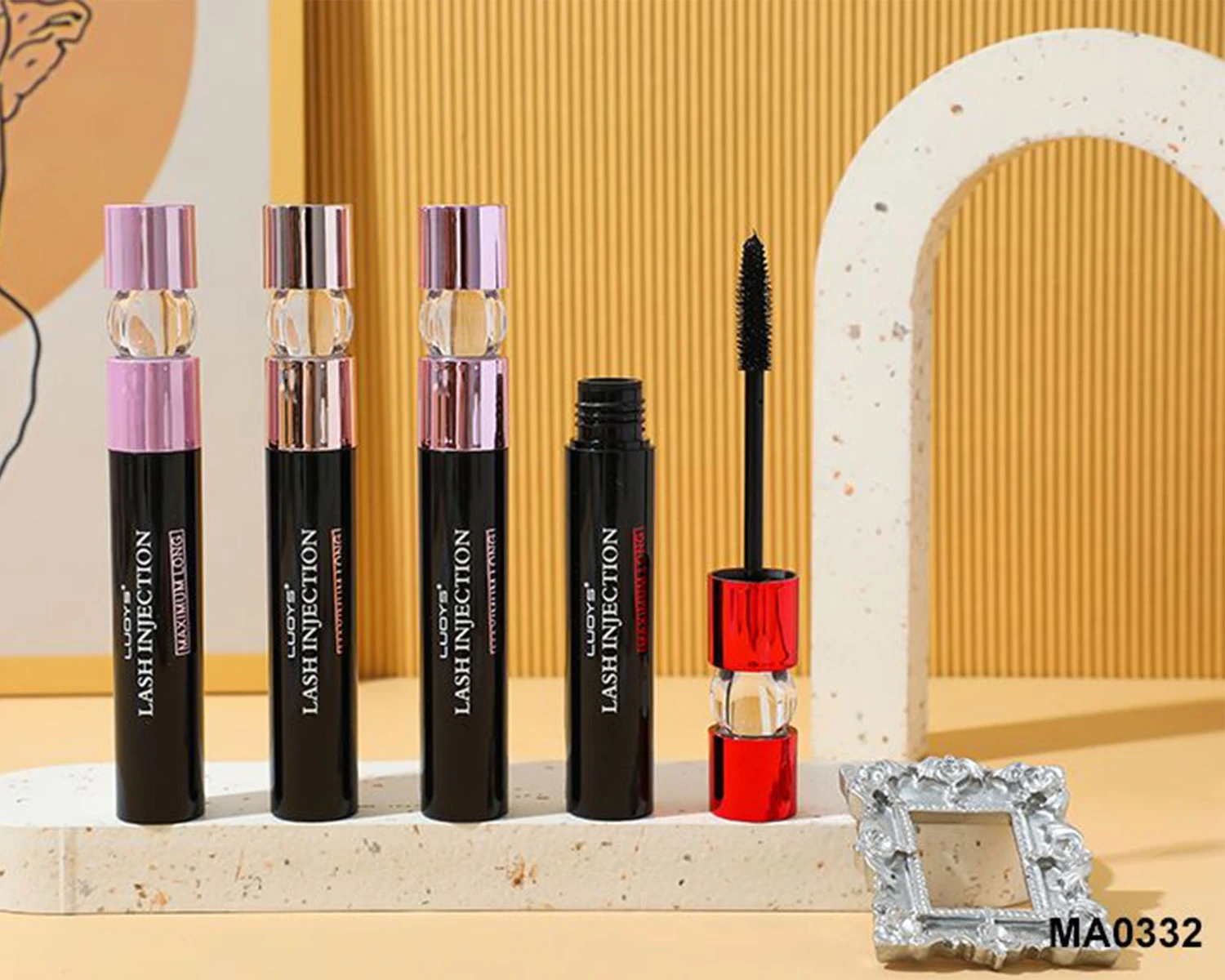
An inquiry about mascara products can include a product photograph to help identify the item. For a repeat purchase, attach the agreed formula and assembly references as well. The photograph starts a discussion about appearance; those records establish the configuration to be ordered.
Open the artwork before sending it to print
“We haven’t changed the design” doesn’t answer whether its text is still correct. Open the artwork used for the last run. Check the product and shade names, ingredient information, quantity declarations, business details and market versions with the responsible reviewers. An unchanged layout can contain text that needs updating.
A corrected shade name needs to reach every affected file. Updating the carton while sending an old tube label would produce two different names for the same item, despite both files being ready to print. Review the set together, then take superseded versions out of the production instruction.
Price acceptance needn’t close a pending artwork discussion. For a hypothetical order, a note could read: “Price accepted against the listed quantities. Artwork approval remains outstanding; printing is not released.” That records a narrower decision than an unexplained approved stamp. The label still needs review for the actual product and intended market.
Find the starting point for the delivery schedule
Read the new quotation with the comparison beside it. Does the price cover the quantities, decoration and packing you have just agreed? Are changed charges and the delivery basis clear? Highlight unanswered points in the reply, so the next person reading it can see why the offer has not yet been fully accepted.
In discussions about OEM and ODM services, a useful timing question is: what has to be complete before this quoted interval begins? Order confirmation and approval of the remaining artwork might be different dates. The supplier’s answer matters more than the interval remembered from the first purchase. No delivery promise should be inferred from that earlier experience.
A collection booking shouldn’t force a release decision. If the buyer wants a pre-shipment review, arrange its checks, acceptance criteria and reviewers while the schedule can still accommodate an investigation. What happens if a check raises a question? Agree that route before the goods are waiting for collection. Criteria should be assessed for this product, not borrowed as numerical tolerances from an unrelated item.
Close the records as well as the order
The order folder should contain the accepted specification, lasting changes, temporary exceptions and release records. Add a short instruction naming the specification to use for replenishment. It’s a small amount of work compared with asking a new buyer to reconstruct the decision from a long conversation, especially when the people who made it are unavailable.
Ready for a cosmetics reorder review? Send the previous order reference with the new item quantities, intended markets and change list. Use the supplier’s reply to settle which references belong on the next purchase order, leaving any unresolved substitution visible until its review is complete.
FAQ
Is a new development sample necessary for every reorder?
Not automatically. Ask what the sample would need to establish. The reviewer may find enough evidence in the records for an unchanged configuration, while a proposed component or formula revision raises a different question. Save the reasoning for the sampling decision with the order.
Can the buyer use a photograph as the specification?
Keep photographs as appearance references alongside the order file. They cannot identify a formula revision or establish every component detail. When several samples look alike, the written references are what distinguish the version that the buyer accepted.
How should a component replacement be approved?
Show reviewers the existing reference beside the proposed one, identify affected items and provide the information needed to assess the difference. If they accept it, record whether the approval applies only to this order or also changes the requirement for future reorders.
Should a complaint automatically change the next order?
Trace the feedback to the item and the circumstances first. A complaint about application does not yet tell the formulator what needs to change. Send the details for assessment, then decide whether the next order requires a revised specification.
Which file should a new purchasing colleague use?
Refer to the production specification accepted for that order, including permanent changes and any clearly identified exceptions. The development brief explains where the project began. It does not take precedence over the configuration subsequently approved for production.