

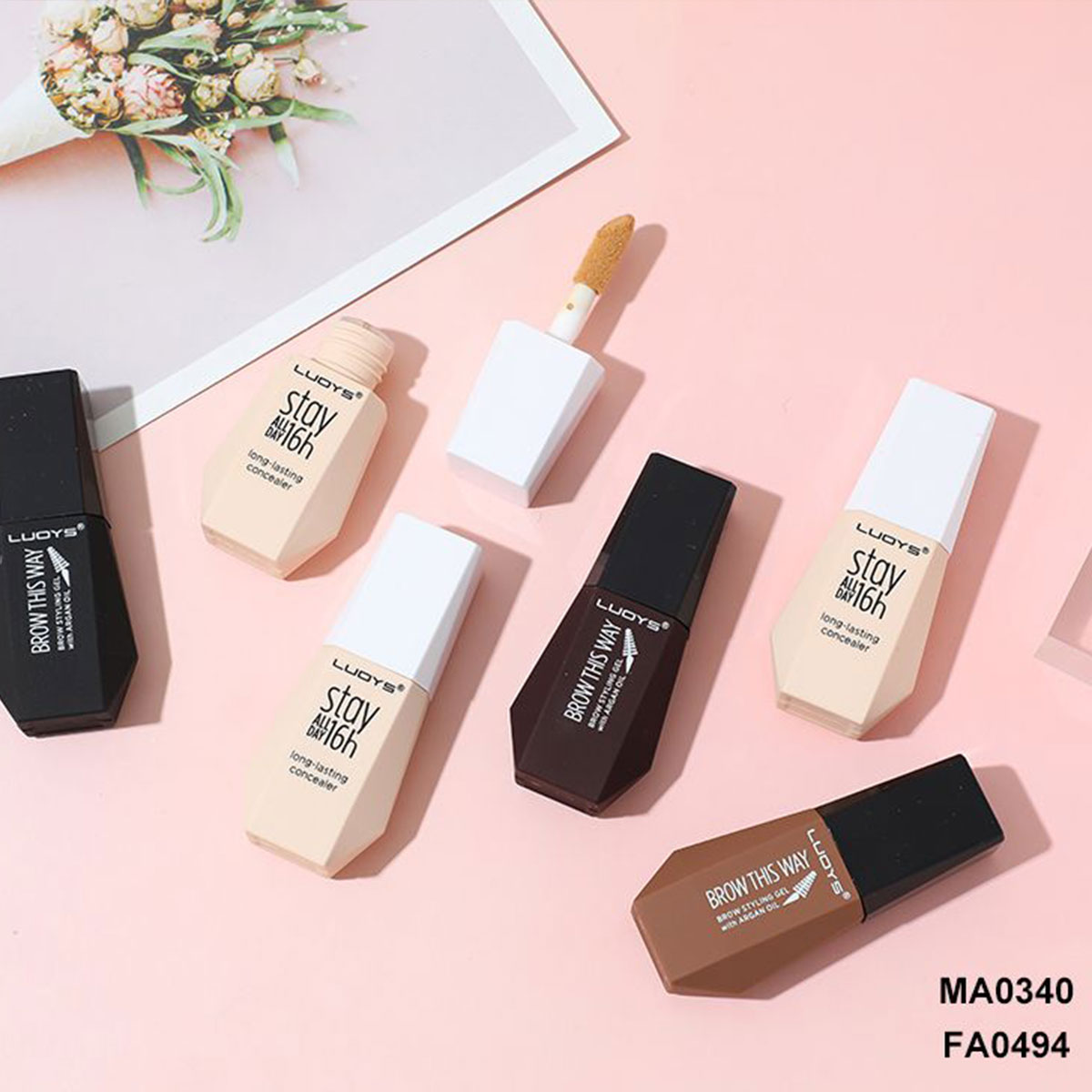
Private Label Lip Gloss Sample Approval Checklist
Before approving a private label lip gloss sample, identify the decision you are making. A parcel may contain three shades, loose cartons and a tube that is still being reviewed. Saying ‘we like it’ could be taken as approval of the shade, the packaging or the whole configuration. Specify which of those decisions the sample review covers before anyone signs it off.
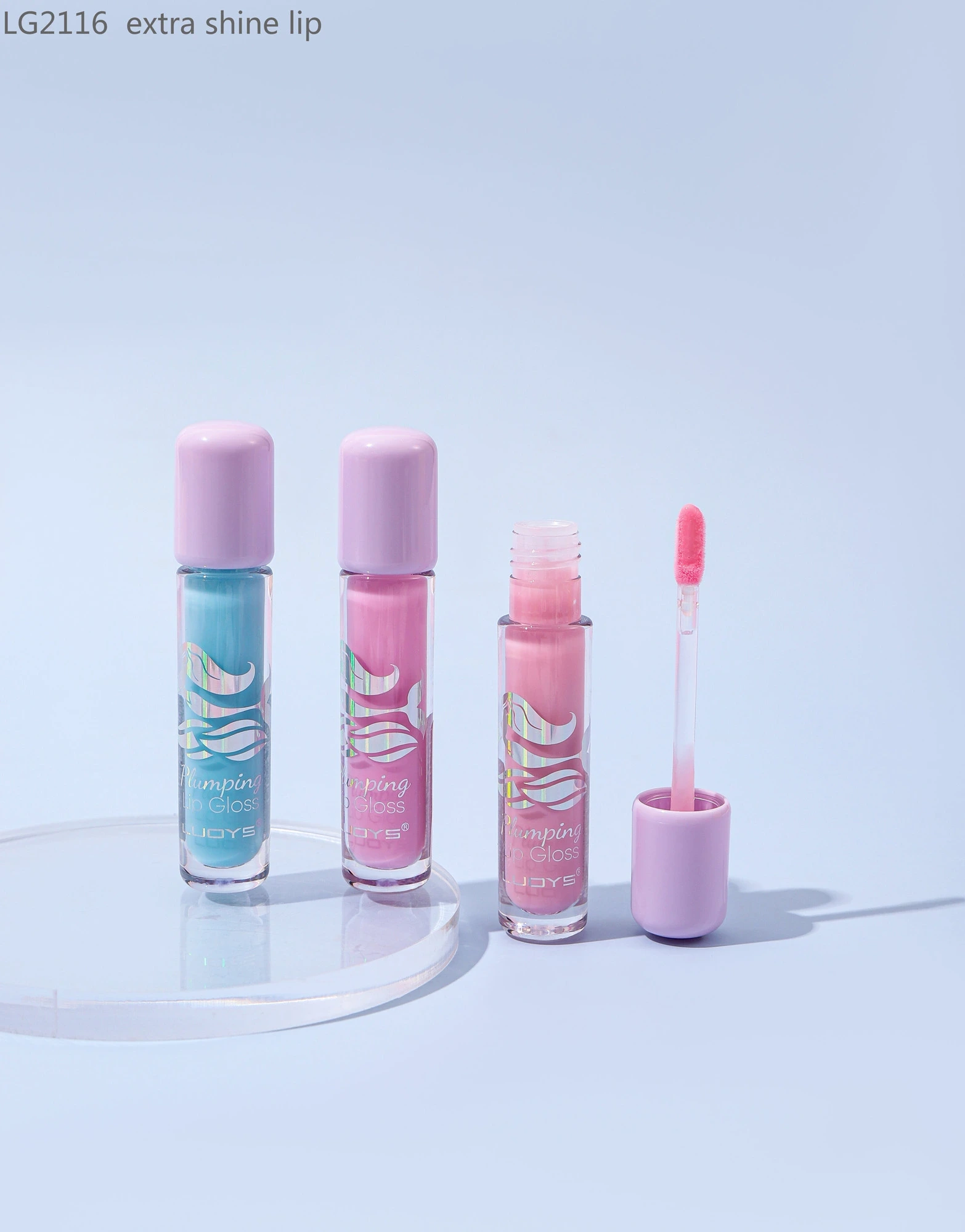
What is in the parcel?
List the samples before distributing them for review. Each should have a code linked to its formula revision, shade and packaging reference, with a filling date where available. Ask the supplier to resolve missing identifiers. An office nickname may help colleagues recognize a tube, but it cannot tell production which formula was approved.
There may be a good reason for an unfinished pack. A plain container could be intended for texture review while the retail tube is still being sourced. An empty decorated tube may be there only to settle the print position. Those are legitimate intermediate decisions. Write down their limits rather than rejecting useful samples simply because they aren’t finished goods.
When corresponding with Zhejiang Limei Cosmetics Co., Ltd., include the identifiers in your feedback. A message referring to “the second pink one” stops being useful as soon as someone rearranges the tray.
Give the benchmark a specific job
Put a note beside every benchmark used to compare lip gloss options. “Match this shine; ignore the scent” is clear. “Make ours close” is not. The useful reference may even be the tube rather than the product inside it.
On the review sheet, describe the intended application and whether the gloss goes on bare lips or over colour. Circle the features that cannot change. Comments then return through one named reviewer, who resolves any conflict between colour and pack feedback before it reaches the supplier.
Describe the shade you saw, not the correction you imagine
A shade note is only reproducible when it names the reference and sample code and records the light, application and observation time. Keep a photograph in the file, but do not let two differently calibrated phones decide a fine colour match. Use the physical references for that judgement.
If the sample reads cooler, say exactly that and identify the two samples. Leave pigment selection to the formulator. The buyer’s job here is to describe the difference accurately, not to guess at its chemical cause.
The same distinction applies to feel. “Heavier than reference A after application” gives a comparison. “Reduce ingredient X” assumes a cause that the reviewer may not know. Where application reviews are appropriate, follow the manufacturer’s guidance for the development stage of the sample. Don’t improvise use testing with an unidentified formula.
Try the pack that the customer would receive
A shade decision made from a laboratory container leaves a separate question: how does the product behave in the proposed retail pack? Request the intended formula with the selected tube, stem, applicator, neck insert and cap. If one part is temporary, the result remains a preliminary review of that assembly.
Withdraw the applicator as a customer would. How much product comes out? Is the neck clean, and does the cap close? If residue appears, take the picture before cleaning and add a few words about what happened first.
Do not throw out a good colour because the wiper is wrong. Mark the shade accepted and request a second pack sample. That keeps the next comparison focused on dispensing.
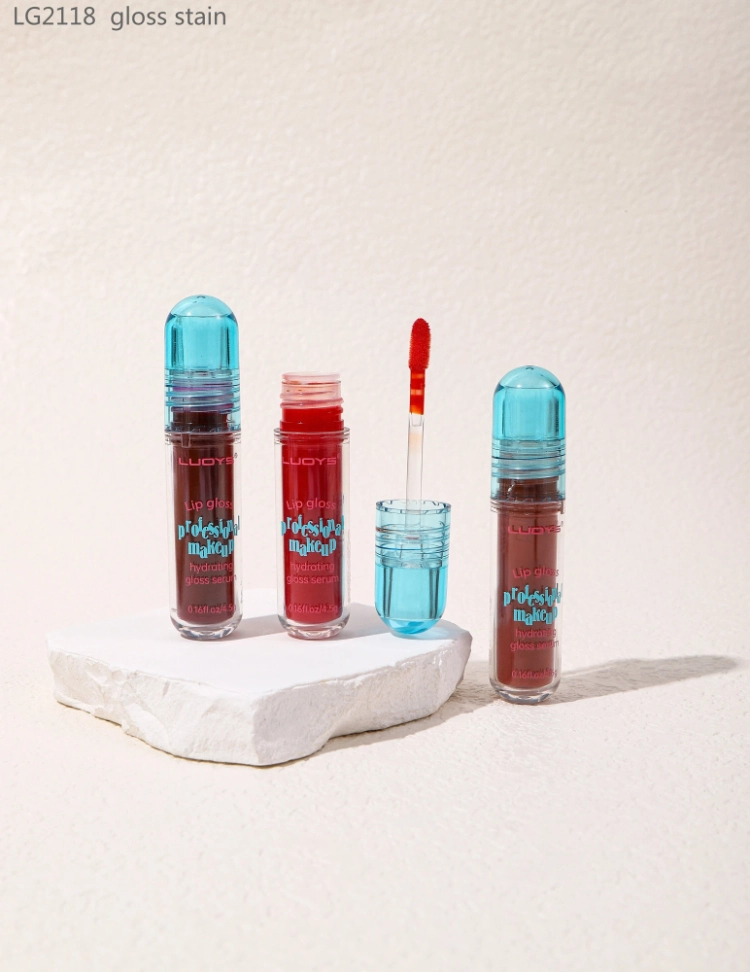
Referencing the LG2118 gloss stain tells the supplier where an inquiry began. It does not replace the specification or sample for the customised version.
What exactly does your signature release?
Imagine the record arriving tomorrow with somebody who was absent. The code and date should sit beside a precise decision, its boundary and the next owner.
“Shade accepted; final tube pending” settles the colour without closing the packaging work. “Carton layout accepted; ingredient text pending review” separates design from content. Adapt this wording to the actual order; neither example authorises production.
Keep both the retained sample and the written specification. The first supports a later visual comparison; the second preserves requirements that cannot be seen. Label the reference clearly and agree how long it will be retained.
A liked sample is not a completed technical file
There are questions the purchasing team’s review cannot settle. Shelf life, packaging compatibility and support for performance claims need suitable evidence for the actual product. Ask the technical reviewer which evaluations are required, what has been completed and what remains open. A generic “tested” answer leaves too much unexplained.
The useful details are the identity of the evaluated sample, the conditions, acceptance criteria and results. The reviewer must decide whether those details cover the intended production configuration. Copying a temperature or test duration from an unrelated project would not establish that coverage.
Final label review depends on the destination market. Raise proposed carton claims early enough for the responsible reviewer to confirm the evidence or change the wording. A team liking the sample’s appearance is not evidence for a wear claim.
Put the approved version into the quotation
Set quotation and approval record side by side. Do their shade quantities, decoration and retail pack match? Is unfinished development visible? Confirm the minimum and timing anew for this configuration.
In an OEM or ODM discussion, assign each component to a supplier and define the production start point. “Four weeks” is not usable if nobody knows whether the count begins before or after artwork, materials and samples are cleared.
The handoff package combines accepted references and current artwork, followed by a supplier acknowledgement. A later component substitution sends the affected decisions back for review. When you discuss a lip gloss project, include the benchmark, destination markets and quantity per shade, then say what is needed now: first sample, pack revision or quotation.
Add a change-control checkpoint
A sample approval is a reference, not a blanket permission to substitute. Add a short change-control line to the checklist: what changed, why it changed, which documents were updated and which tests must be repeated. This is especially useful when a tube, applicator, pigment source or outer carton becomes unavailable after the first order.
For a repeat batch, bring out the accepted shade record and component references, including the date of the last approved sample. Ask which batch or lot the factory has supplied for comparison. Review the samples side by side under the same light; recollection of the previous gloss is a poor reference for a shade decision.
Keep the signed checklist with the artwork revision, formula or specification reference and packaging decision. Any unfinished action should have an owner in that file. Purchasing, quality and customer service can then work from the same accepted version when the product is reordered.
FAQ
Can a photograph be enough for approval?
Only for a defined visual decision. You still need a suitable physical sample to judge feel, dispensing and closure. A photo approval should specify what it covers.
Does accepting one shade cover the whole range?
No. List the shades covered by the decision. The responsible reviewer must assess whether results from one shade can apply to any others.
Can review continue before the intended tube arrives?
Review the available sample only for its agreed purpose. Reserve time for the intended filled pack once components arrive; that packaging decision is still open.
What remains after sample approval?
Shade acceptance does not approve the formula, label or claims. Those still require the technical and regulatory reviews applicable to the exact product and destination, with the appropriate supporting documents.
How is a later component change handled?
Identify the changed reference and send it back for review. The reviewers need to establish which previous evidence still applies and what further work is required. Record acceptance of the revised configuration before proceeding.