

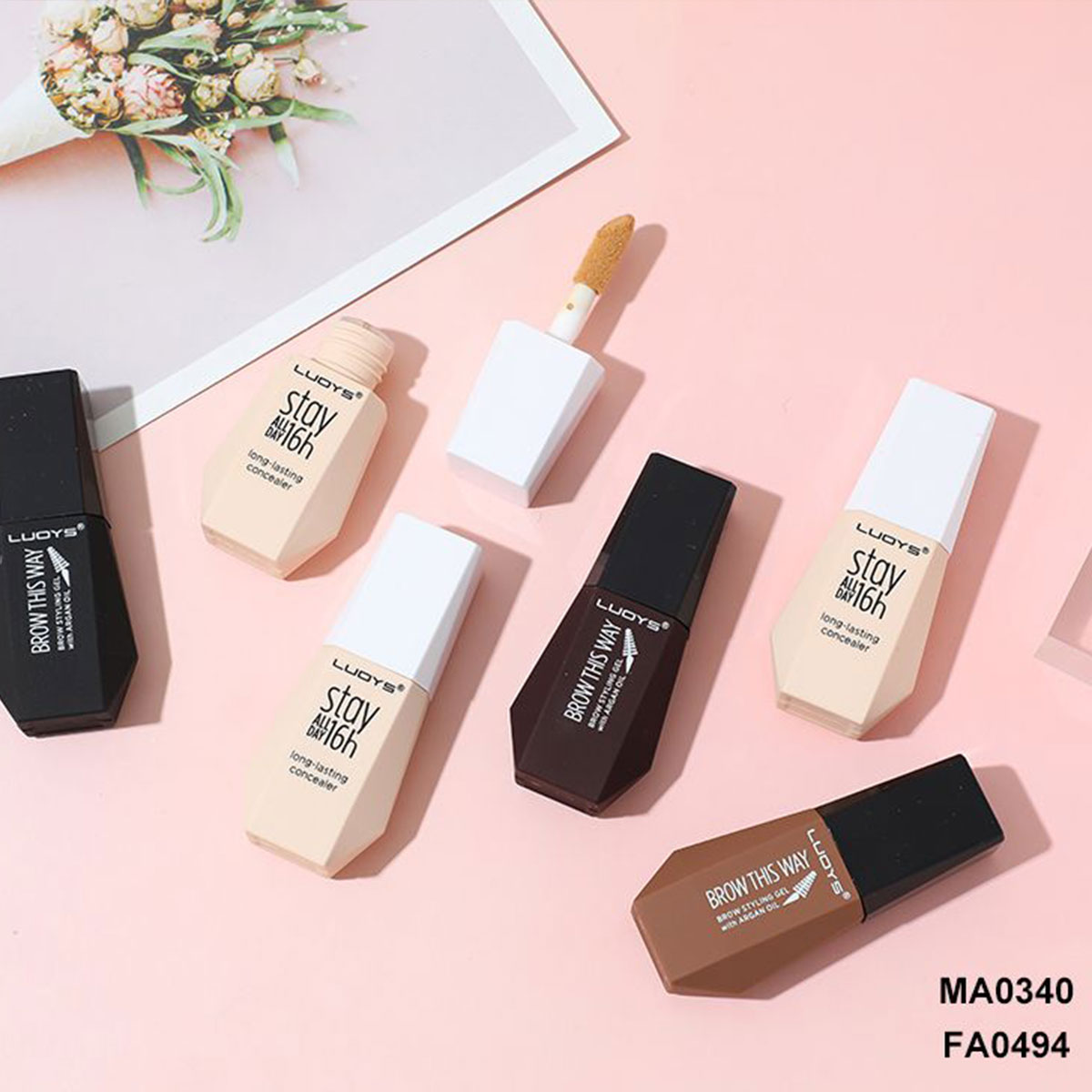
How to Review Makeup Samples Remotely Before Approving Production
The courier box contains two foundation bottles, three swatch cards and a note that says “new version.” One reviewer opens it under office lights. Another takes a bottle home. By Friday, the supplier has photographs, voice messages and two opposite requests about coverage. Remote makeup sample review breaks down this way surprisingly easily. A better process gives each parcel one question and sends back one decision.
Stop at the packing list
Leave the parcel together for ten minutes. Read its packing list against the bottles, cards and loose components. Each code should lead somewhere useful: a formula revision, shade, date and pack status. When it doesn’t, photograph the labels and settle the identity before samples leave the room. “The warmer one” survives a short meeting, not a laboratory search next Tuesday.
An unfinished pack may be intentional. A plain jar could carry foundation for texture review while the retail bottle is being sourced. An empty decorated component may be there only to approve its color and print position. Neither is a finished-product sample. Keep the useful decision, but write down its boundary.
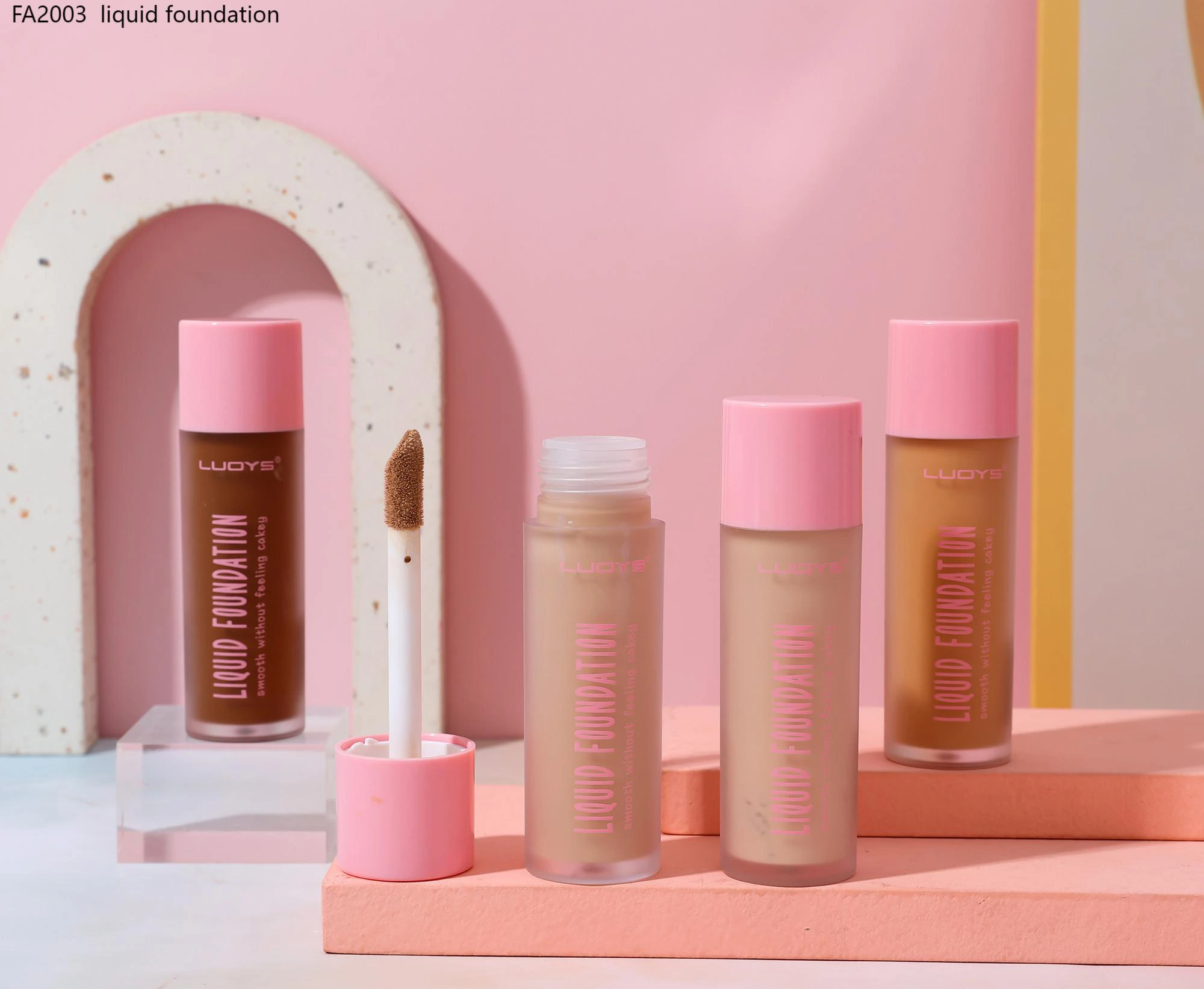
Brands comparing face formats can use the foundation range to name the product under discussion. The customized parcel still needs its own codes; a category name or photograph cannot identify the formula on the reviewer’s desk.
Give this round one main job
What must be known before another sample is worth making? Perhaps this parcel is only about texture and finish. The next can narrow shades, and a later filled component can settle dispensing. Put that sequence on the project calendar rather than asking the first bottle to answer every question.
This keeps a partial success. If the shade is right and the pump overdoses, write “shade accepted; dispensing open.” The next parcel is about the pump. Color doesn’t drift back into development merely because another bottle is traveling.
Give the shipment record a line called “decision requested.” Copy that line into the reply and add the exclusions. “Formula reviewed in a temporary bottle; retail package not approved” is difficult to confuse with permission to buy pumps.
Use one table, one light setup and one application method
No two desks will become matching laboratories. Control the easy variables instead. Move away from the red wall, choose a stable main light and write down when the comparison occurred. If the team also checks daylight, the hour and weather belong in the note. Tuesday’s gray window is not Friday’s sunny one.
Before opening a bottle, settle the application: tool, approximate amount, surface and observation interval. A wet foundation swatch may pass and its set film may not. Lipstick painted from a brush may also leave a different impression from the bullet consumers would handle.
For a comparison, retrieve the earlier physical sample rather than relying on memory. Put both codes in view before the call. By round three, “old” and “new” are labels with no dependable meaning.
Photograph the parcel before making it tidy
Resist the urge to clean up for the photograph. A leak, loose cap, dent or settled layer should be captured where it was found. Touch the outside of the pack and note unusual heat or cold. Once the neck has been wiped and the bottle shaken, the arrival story cannot be recreated.
Send the arrival note and ask for the next handling step. The answer might be to let the unit stand or to roll it in a defined manner. Skip the kitchen fixes. Hot water and a refrigerator change the sample again, leaving the technical team to separate a transit effect from the reviewer’s intervention.
Look again after that recovery and write both states: “settling on arrival; absent after the requested handling.” Neither “separated” nor “fine” carries the sequence. This note helps an investigation, although it cannot stand in for the stability or pack evidence required for the product.
Report what your hand saw and felt
Begin the review notes with verbs: picked up, spread, dragged, streaked, built or flaked. Add the applicator behavior that mattered. Then describe the finish and later change at the agreed observation times. This produces feedback the next reviewer can attempt to repeat.
Don’t diagnose from the desk. If the new sample feels heavier, locate the difference: during spreading or in the residue afterward? Include the amount and method. Telling the lab to remove ingredient X skips the question of whether X caused the problem at all.
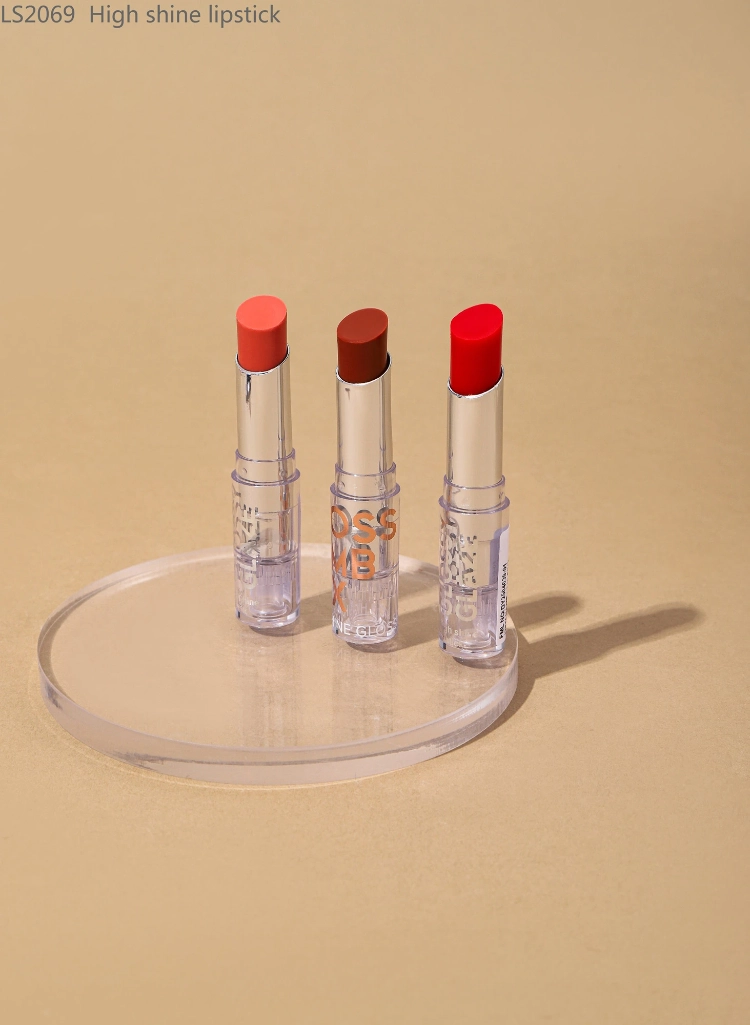
The checklist should bend with the product. On lipstick, operate the bullet, check cap clearance and observe ordinary handling. On a pump, count priming strokes and look at the delivered amount. The lipstick category provides examples of solid formats, while the coded item on the desk remains the reference for this project.
The phone camera is a witness with bad memory
The phone quietly changes white balance, exposure, contrast and saturation. A colleague then opens the file on a display that changes it again; video adds compression. That chain can locate a streak or damaged print. Asking it to settle a subtle beige match is asking too much.
Make the photographs boringly repeatable. Keep the camera, background, distance and light position. Put the code and a neutral reference in view. Give the pack, the bulk and the applied swatch their own frames. Filters, selective edits and portrait mode have no useful job here.
Final shade discussion returns to the physical master and the agreed application. If the team also measures color, retain the substrate, film preparation and instrument method with the result. Otherwise, the neat-looking number may describe a procedure nobody can repeat.
Send one answer back to the supplier
Marketing asks for more shine. Product development asks for less slip. The supplier should not be made referee. One owner resolves the conflict or deliberately requests two coded alternatives before feedback leaves the brand.
Use three labels in the response. Observation: “pump needed six strokes to prime.” Decision: “keep shade S03.” Supplier question: “would another wiper alter pickup?” A question can now be discussed without being copied into the next sample as an instruction.
Rank the requested edits. If only shade blocks approval, protect the accepted odor, texture and pack color from casual revision. Changing four variables in the next parcel turns one answer into four new questions.
The OEM/ODM service overview can frame a discussion about sample stages. The actual review sequence, revision terms and responsibilities still belong in the project record.
Put the formula inside the intended pack before final approval
A good formula in a laboratory jar may dispense badly from the retail component. Review representative bulk in the intended package before releasing production. Depending on the format, that can include leakage, closure, priming, dose, product recovery, applicator pickup, wiper action and visible interaction with the component.
Artwork is connected but separate. Approve the physical print or decoration by version, check legibility and confirm that the label information matches the final formula and market review. A rendering cannot show how a coating survives assembly or whether print lands where expected.
Ask how the unit was prepared. A bench sample and a production-intent fill do not settle the same questions. List the remaining scale-up checks beside the decision, and keep the coded bottle as the item that later production will be compared against.
Write for the colleague who missed the calls
Purchasing, quality or production may see the decision next. Give that reader the code, formula and shade revision, pack, review date, exact acceptance, exclusions and next owner. Briefs and photographs belong with it. The approval sentence itself should not be hidden halfway down an email thread.
Keep an identified retained unit where practical and agree on the supplier’s reference. If a component or material changes, return to the affected decision. The replacement should not inherit an old signature merely because the product name stayed the same.
The B2B information from Zhejiang Limei Cosmetics Co., Ltd. can help a buyer prepare its inquiry. Through the contact channel, send the brief and name the next decision required. That gives the discussion a formula or sample question, not just a broad category.
Conclusion
Remote teams will not remove every subjective judgment. They can stop losing sample identity, mixing review methods and forwarding contradictory edits. Photographs preserve context; the coded physical reference and bounded approval preserve the decision.
FAQ
How long should a shipped makeup sample rest before review?
There isn’t a universal number of hours. Note the arrival state, obtain the handling step for that coded formula and review after following it.
Can a cosmetic shade be approved from a phone photograph?
Use the image to show where you looked. For final color, return to the agreed physical master; lighting, automatic camera correction and the receiving display all sit between it and the picture.
What should appear on a makeup sample label?
Its unique code should retrieve the formula revision, shade, issue date and packaging status. Put the longer narrative in the linked project record, not on a tiny bottle label.
Should every reviewer email the manufacturer directly?
Usually no. One owner should resolve conflicting comments and send a prioritized instruction. The supplier then has one controlled brief for the next round.
Does approval of a laboratory sample release mass production?
No. Write down what the bench sample settles. Pack evaluation, technical evidence, artwork and production checks may still be open, depending on the project.