

How to Compare Private Label Cosmetics Quotes Without Missing the Real Costs
Quote A says $2.10 per piece. Quote B says $2.34. It is tempting to circle A and move on, until somebody notices that B includes a printed carton and A doesn’t mention cartons at all. Put both offers aside for a moment. The question isn’t which decimal is lower yet. It is whether the decimals describe the same formula, shades and finished pack.
One RFQ, not three evolving email threads
Prepare one request and send that version to every shortlisted factory. Give it the format, intended finish and texture, approximate fill, shades, component idea, decoration, carton, quantity and destination. Include the launch date as context. A date presented as an ultimatum can produce a fast-looking offer that has simply skipped work.
Beside each choice, write one of three words: fixed, preferred or open. The brand may already be committed to the pump but not to the cap color. A supplier can now reduce cost in the open column rather than “value engineering” the feature the product depends on.
A reference product needs a note about its job. Are you showing its slip, its color, its case or its retail position? “Something like this” leaves too much to interpretation. It can also make two suppliers price different products while both believe they answered correctly.
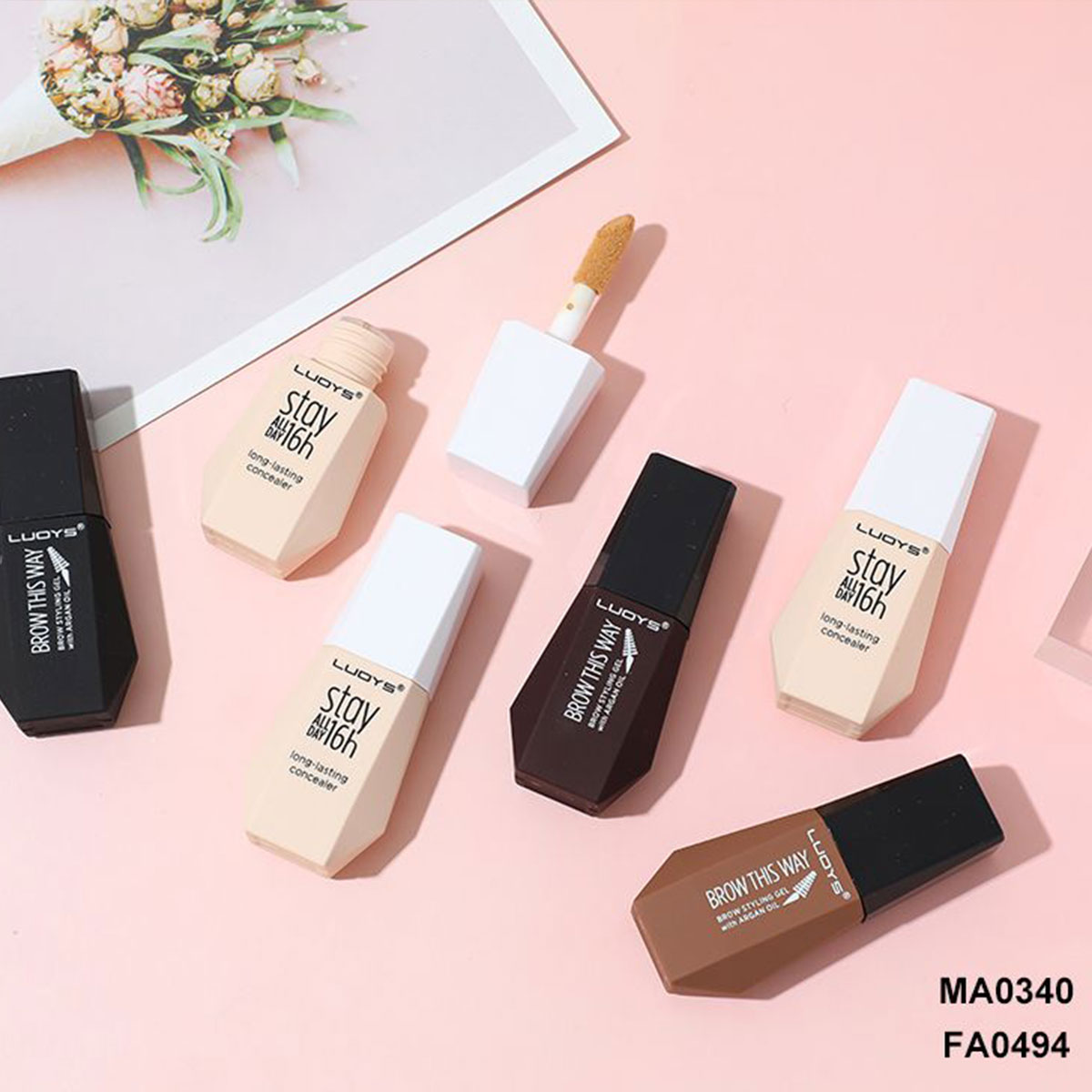
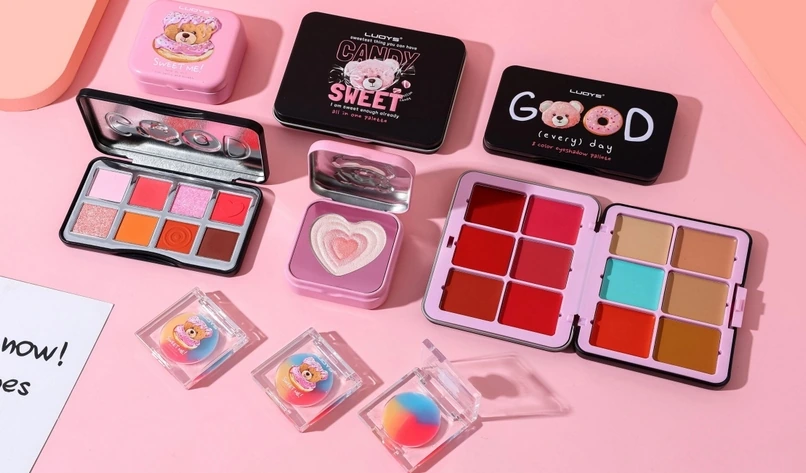
If the category is still being settled, use the published cosmetics product range to name the relevant format. A liquid foundation, pressed palette and lipstick won’t have the same component, filling or inspection costs.
Ask what the unit price would put on your loading dock
Read the noun beside the price. “Finished lipstick” sounds complete, but is the folding carton inside that phrase? What about the decorated case, label and export carton? Send those questions back. An empty cell is better than an assumption typed in by the buyer.
The factory doesn’t need to open its internal accounts. It does need to say what the buyer receives. Split the offer into:
- bulk formula and shade work;
- primary components and applicators;
- printing, coating or other decoration;
- cartons, labels, inserts and shipping cases;
- filling, assembly, coding and inspection;
- samples, testing and one-time setup or tooling.
Now the $0.24 gap has somewhere to come from. Perhaps A buys a stock black case and a label, whereas B buys a matched case, a logo print and a carton. A may be exactly what an early launch needs. At least the brand is choosing that simpler specification deliberately.
A 6,000-piece MOQ can hide 10,000 bottles
“MOQ: 6,000” may describe filling while every input follows another rule. Put bulk and shade quantities beside the component and print quantities. Keep the headline number if it helps, but make the route to it possible to audit.
Say the range has six shades and the forecast calls for 1,000 of each. Filling fits. Decoration does not: the bottle color starts at 10,000. Only 6,000 bottles go through the line, so 4,000 wait for a reorder that might use different artwork. The brand has bought those bottles whether consumers see them or not.
Put that remainder on the cost sheet. Confirm ownership after payment and the terms for factory storage. Add a disposal decision in case the second order changes pack. Unused inventory remains inventory even when it sits outside the brand’s own warehouse.
Now repeat the exercise for color. A bulk minimum divided across six shades is not necessarily six separate formulas that can be adjusted at will. Ask the supplier to sketch the actual shade allocation.
Identify the development route that has been priced
A standard formula with an existing component, a modified base and a new formula are three different jobs. The quote should say which route it assumes. Ask what may be adjusted, how samples will be identified and what happens after the included revision rounds are used.
Packaging deserves a route name too: existing component, decorated standard component or new mold. A tooling note should answer five unglamorous questions. What does it cost, who owns it, how long is it expected to run, who maintains it and what does a trial cost? If the project ends after sampling, that note explains what the payment purchased.
Use the OEM and ODM service overview to prepare for the first call. Bring the conversation back to this order in the written offer: which formula route, which samples and which package are included?
Make a separate list called “not priced yet”
Read this column before ranking anything. It often catches sample freight, outside lab work, compatibility checks, artwork setup, plates, inspection, shipping, insurance, duties and local paperwork. Several may be impossible to fix at the RFQ stage. Write an owner and a decision date beside each one instead of converting “unknown” into zero.
The word “testing” is especially slippery. Included for which formula, in which pack, under what conditions? Ask for the proposed scope once the claims, destination and commercial pack are known. An old base-formula report may be useful background without covering the finished SKU.
Give every technical item a person as well as a price. The factory may provide some records while an importer, brand or specialist completes other market work. If everybody thinks somebody else owns a task, it usually becomes urgent just after the artwork is supposed to be final.
Put each payment beside the decision that unlocks it
Add the deposit, packaging purchase, tooling invoice and balance to the calendar. Beside each payment, note the approval available that day. A custom pack paid while formulation is moving puts cash at risk earlier than a stocked pack purchased after the sample is fixed.
Write down what triggers each payment. “Before production” is vague if the formula, decoration and carton all reach production at different times. The schedule should also say which buyer approvals must arrive before a promised lead time begins.
Product format affects these questions. The foundation category shows multiple pack and formula presentations. A quotation for “foundation” should identify the selected version, component and fill rather than borrowing assumptions from another format.
Turn the offers into three simple scenarios
Scenario one follows the quoted purchase order. Add setup, technical work, inspection, freight and import charges, then divide by sellable finished units. In the six-shade example, divide by the 6,000 foundations available to sell. The remainder belongs in cost, not in finished inventory.
Next, slow the sales forecast and expose cash parked in extra shades or components. For the third view, place a reorder and test whether stored packaging still fits. A quotation can change rank once the spreadsheet moves beyond launch day.
Keep pending figures visible. Label the source, owner and confirmation date. A range is more honest than a precise total built on invented freight or testing costs.
Make the purchase order point back to the samples
Have the preferred supplier restate the deal without the history of negotiation around it. Compare that page with the approval file. Formula code, shade quantities, components, decoration and cartons should match; open work, exclusions, dates and payments should still be there. A substitute cap returns to the relevant review. The signature on its predecessor cannot travel with it.
Buyers can review the manufacturing scope presented by Zhejiang Limei Cosmetics Co., Ltd. before making an inquiry. Send the controlled brief through the contact channel, not only a category name. The reply can then address a recognizable product instead of filling every gap from scratch.
Conclusion
The lower price may win. It should win after cartons, excess components, development work and payment timing have been compared, not before. Tie the final offer to named samples and artwork. That allows price to move without an unnoticed specification moving with it.
FAQ
Which details make a cosmetics quote comparable?
At minimum, identify the product and quantity. The offer or its named attachments should also reveal the shade split, development route, pack, decoration, technical work, setup charges, payment dates and exclusions.
What usually explains a large gap between supplier prices?
Lay the formula, pack, decoration, carton and technical rows side by side. A mismatch there explains at least part of the price difference. Correct that before deciding one factory is cheaper.
Is a low MOQ always better for a startup beauty brand?
No. Check the minimum for every shade and component. Decorated components left after filling still consume cash, even if the finished-unit MOQ looks friendly.
Where should tooling and sample fees appear in the comparison?
Put both into the first-run scenario and list a later credit separately. For a tool, record what the payment creates, who owns it and what happens to it if work stops.
How can a buyer tell that an offer is ready for purchasing review?
Give the file to someone who missed the calls. If they can locate the approved versions, open actions, owners, price basis and change rules without a spoken translation, purchasing has a workable record.