

5 Viral Beauty Brands We Can Learn From: Formula and Packaging Analysis
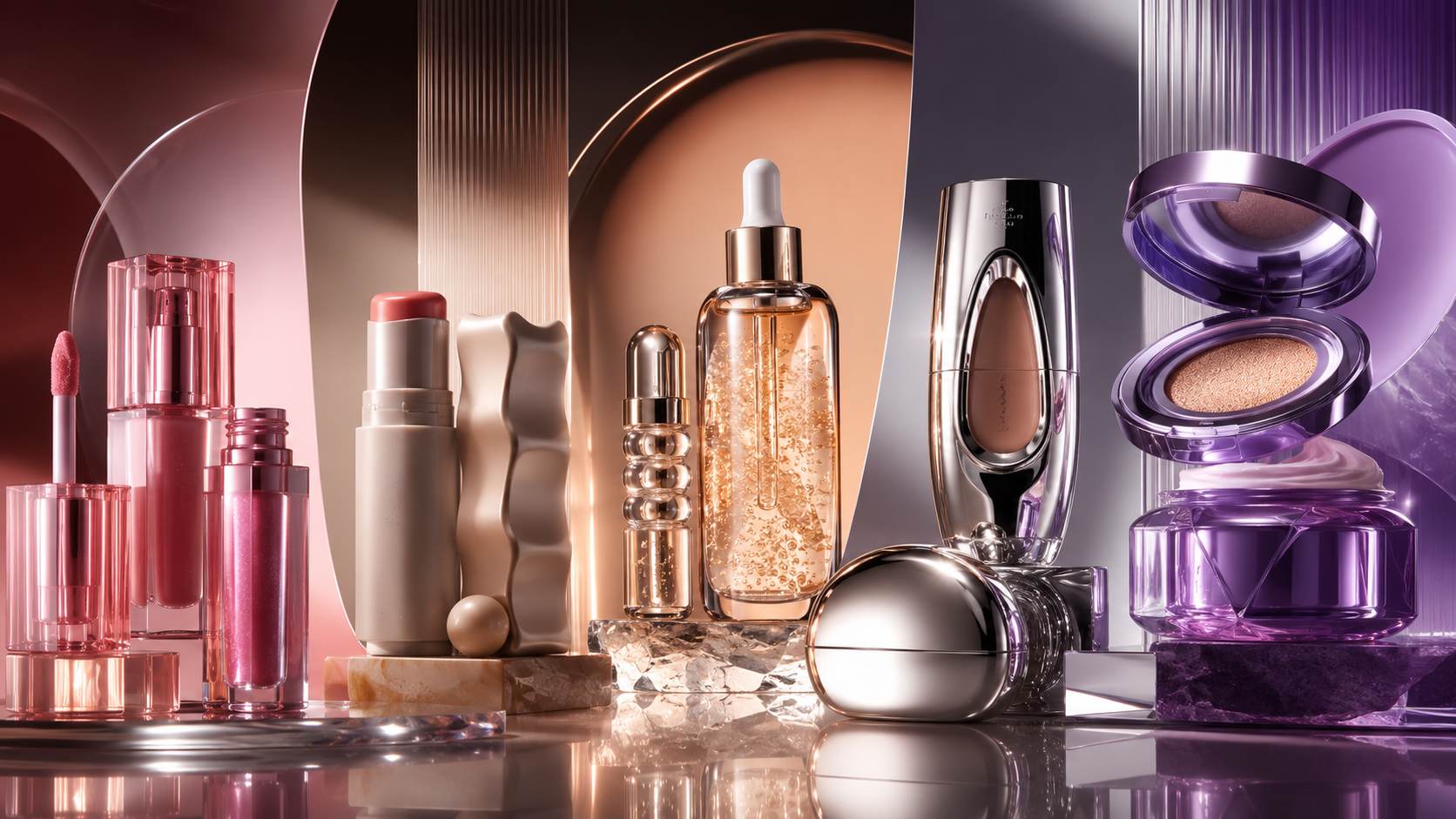
Beauty products rarely go viral because of formula or packaging alone. The strongest launches create an action people can show in seconds: a visible glow, a concentrated dot of pigment, a glossy squeeze, or a shade comparison. Virality may generate the first order, but repeat sales still depend on stability, compatibility, dispensing, and reliable production. These five brand examples show how a clear consumer promise can be translated into formula design, packaging behavior, and purchasing controls.
What do e.l.f. and Rhode show about a clear product promise?
Both brands make the product purpose easy to grasp before the shopper studies the ingredient list. That clarity reduces explanation at retail and gives creators a repeatable demonstration.
1. e.l.f.: one formula, several practical uses
Halo Glow Liquid Filter is positioned as a makeup-skincare hybrid that can be worn alone, under or over makeup, mixed with foundation, or used as a highlighter. The current range contains 15 flexible shades in a glass container.
The lesson is controlled versatility. A multi-use complexion product needs stable pigment suspension, even spread, predictable layering, and an applicator that does not overload the face. Buyers should check separation, viscosity drift, neck wipe-off, shade consistency, and compatibility with primer, sunscreen, and foundation.
2. Rhode: texture and package tell the same story
Peptide Lip Treatment centers on a thick glossy texture and a concise ingredient message around peptide, shea butter, and vitamin E. Its packaging information identifies PCR content in the tube and cap, with an FSC-certified paper carton.
For product developers, the important point is alignment. The balm should extrude smoothly across normal temperature changes, resist oil bleed, maintain gloss, and stop dispensing when pressure is released. Orifice size, tube softness, cap sealing, fill temperature, and formula viscosity must be qualified together.
How do Rare Beauty and Summer Fridays turn texture into content?
Texture becomes commercially useful when the package shows how little product is needed, how it moves, and what finish appears after blending. Applicator design and dosage control therefore deserve the same attention as color.
3. Rare Beauty: concentrated color needs precise dosing
Soft Pinch Liquid Blush uses a doe-foot applicator, and the brand directs users to remove excess product and apply one or two dots per cheek. It is designed for layering over bare skin and other complexion products.
A concentrated liquid creates a strong visual transformation, but dispensing errors become more obvious. The wiper must control pickup, the stem must remain stable, and the formula needs enough playtime for blending. Qualification should cover dot weight, staining, patchiness, dry-down, shade shift, neck contamination, and leakage after upright, side, and inverted storage.
4. Summer Fridays: a stable base supports line extension
Lip Butter Balm combines sheer color, shine, flavor, and a squeeze-tube format. The Pink Sugar version highlights shea and murumuru seed butters with a plant-based lipid complex, while the wider line uses a recognizable package across multiple tints and flavors.
Adding pigment, flavor, fragrance, or pearl can change viscosity, oxidation, taste, and tube flow. Each variation should be checked for sweating, graininess, separation, cap residue, and low-temperature extrusion. A familiar package attracts recognition; consistent texture earns the repeat purchase.
What does Fenty Beauty teach about shade architecture?
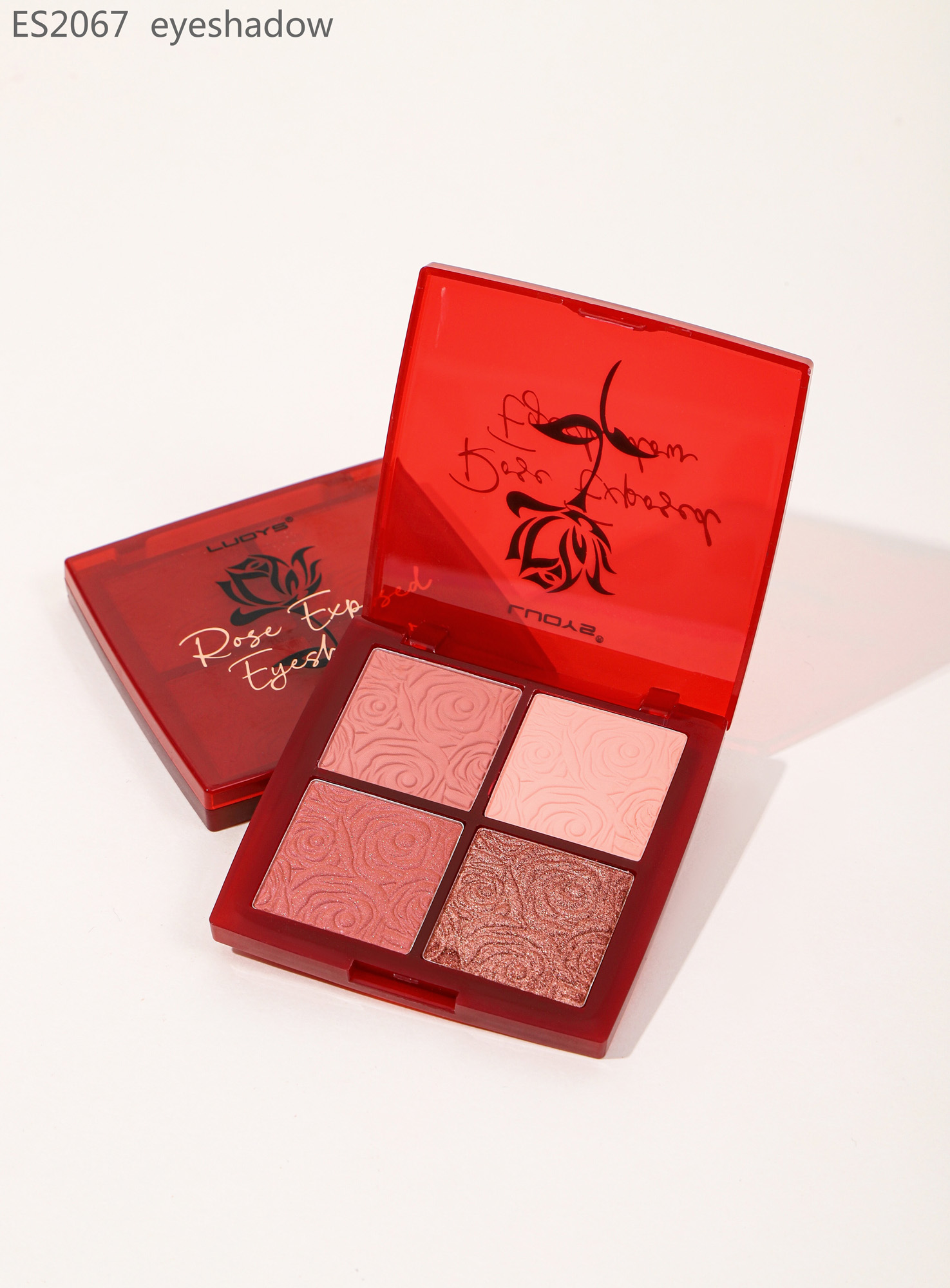
Fenty Beauty presents Pro Filt’r Soft Matte Longwear Foundation in 50 shades with buildable medium-to-full coverage. Shade breadth became part of the product proposition rather than a later correction.
5. Fenty Beauty: inclusion begins with formula control
A wide range is not simply a longer pigment list. Undertone spacing, titanium dioxide, iron oxide balance, dispersion, coverage, dry-down, and oxidation must remain controlled. Dark shades can reveal ashiness, while pale shades can expose excessive opacity or weak undertone separation.
Operations matter as much as formulation. Similar bottles require readable shade codes, accurate labels, controlled filling, and warehouse segregation. Retail testers and digital swatches should correspond to production. A smaller coherent range is safer than a large launch built from unstable shades or poor spacing.
Why does shade expansion create procurement risk?
Every shade adds raw materials, bulk approvals, labels, cartons, filling changeovers, samples, and inventory. Before launch, buyers should map pigment lead times, shade-level MOQ, component commonality, replenishment frequency, and the procedure for discontinuing or replacing a color.
Which formula and packaging choices make beauty products easier to share?
A shareable product usually has a simple visual event: glow appears, pigment spreads, or gloss catches light. Development should make that moment repeatable without sacrificing wear, comfort, or package function.
Which formula properties support demonstration?
Immediate payoff, spread, buildability, dry-down, transfer, and shine all influence how a product appears on camera. A striking swatch that pills over foundation or separates in storage will not support repeat demand.
Stability work should monitor odor, color, viscosity, separation, temperature response, light exposure where relevant, microbial quality, and package compatibility. Claims must reflect the final formula and the method used to substantiate them.
Which packaging details create recognizable use?
Applicators create repeatable gestures: a dot, swipe, twist, click, or squeeze. They also control dose. A large doe-foot may overload a concentrated formula; a soft tube may dispense too much when warm; a glass bottle needs stronger transport protection.
Buyers should inspect component tolerances, closure torque, wiper fit, pump output, cap retention, leakage, decoration adhesion, and compatibility with oils, waxes, solvents, or volatile ingredients. Appearance starts the interaction, but reliable function keeps the product in use.
How should buyers turn viral beauty lessons into an OEM brief?
“Viral lip product” is not a workable specification. The brief should describe the user action and measurable result: finish, payoff, viscosity, dispensing, wear, fill weight, temperature behavior, and cleanliness after repeated use.
What should be fixed before sampling?
Define the product category, finish, coverage, texture, shade count, target fill, applicator, package material, decoration, price tier, and destination market. Reference products can clarify texture or finish, but a supplier should not be asked to duplicate another brand.
Samples should use representative bulk and production-intent components. Evaluate stability, compatibility, filling temperature, closure, dispensing, transport, and consumer handling as one system. A polished laboratory sample may behave differently on production equipment.
How should suppliers and pilot batches be evaluated?
Ask for ingredient documentation, component drawings, testing plans, batch traceability, change control, MOQ, and realistic lead times. Pilot inspection should include units from the beginning, middle, and end of filling.
Check appearance, shade, odor, viscosity, fill weight, leakage, dispensing, assembly, labeling, and carton condition. Retained bulk and finished samples help separate formulation problems from packaging damage or production drift. Virality cannot be ordered, but preventable failures can be removed before launch.
How can a cosmetics supplier support formula and packaging development?
Zhejiang Limei Cosmetics Co.,Ltd. supplies cosmetics for brands developing color makeup and related formats. A project brief should identify formula type, finish, shade range, target texture, package, applicator, fill weight, decoration, testing needs, quantity, and destination market. Sampling should confirm color, viscosity, payoff, wear, stability, filling behavior, dispensing, leakage, and component compatibility. Quotations should separate formula, packaging, decoration, tooling, testing, and lead time where applicable. Before production, buyers should approve the final bulk, component set, shade standards, filling parameters, inspection criteria, labels, and change-notification process. Retained samples then provide the reference for repeat orders, receiving inspection, and complaint review during future production.
Conclusion
These five viral beauty brands show that visibility grows when formula, packaging, and product language express one clear idea. The transferable lesson is not a particular shade, tube, or applicator, but alignment between texture, dosage, demonstration, wear, and manufacturing control. Cosmetic buyers should convert creative concepts into measurable specifications, test production-intent packaging with the final formula, and plan shade inventory carefully. Social attention may open the door; consistent use and repeat supply determine whether a launch lasts.
FAQs
1. What can cosmetic buyers learn from viral beauty brands?
They can study how a clear promise, visible texture, controlled applicator, recognizable packaging, and focused shade story work together. The lesson should guide development rather than encourage direct copying.
2. Which formula properties make makeup easier to demonstrate online?
Immediate payoff, smooth spread, visible shine or pigment, buildability, and predictable blending help. These properties still require stability, comfortable wear, compatible layering, and controlled dispensing in daily use.
3. Should a new brand launch a large shade range immediately?
It depends on formula maturity, pigment sourcing, shade-level MOQ, testing capacity, and replenishment plans. A coherent smaller range may be easier to control than an ambitious but inconsistent launch.
4. How should packaging be tested for a viral makeup product?
Test leakage, dosage, closure, applicator fit, drop resistance, transport, decoration, and formula compatibility. Include warm, cold, upright, side, and repeated-use conditions with the final filled package.
5. What should an OEM quotation include for a viral beauty concept?
It should identify formula scope, shade count, packaging, decoration, fill weight, sampling rounds, testing, MOQ, tooling, lead time, inspection criteria, documentation, and procedures for material or component changes.