

How Should Brands Evaluate Custom Lipstick Packaging Before Mass Production?
Custom lipstick packaging needs to be judged as part of the finished cosmetic, not simply as a decorative shell around the formula. A case may look excellent in a catalogue and still create trouble when the bullet is filled, the mechanism is operated repeatedly, or the product is transported. For purchasing and packaging teams, the useful questions are therefore practical: does the package fit the product, does the mechanism work consistently, will the decoration hold up, and can the same specification be reproduced in later orders? Answering those questions before mass production gives a brand a much better basis for approving a component and reduces the chance of discovering packaging problems after a large quantity has already been produced.
What should buyers define before selecting a custom lipstick package?
Packaging selection should begin with the product rather than with a catalogue photograph. The lipstick format, approximate bullet dimensions, formula characteristics, intended positioning, and user experience all influence which package is suitable.
This does not mean every packaging decision has to wait until formulation is completely finished. It does mean the package should remain connected to the product concept throughout development.
Which requirements should be fixed early?
A buyer should establish the desired package format, approximate size, closure style, exterior finish, decoration, and general handling experience. If a specific component is being considered, a physical reference is often more useful than a photograph because dimensions and surface details are easier to compare.
It also helps to separate fixed requirements from flexible ones. A brand may require a particular visual finish while remaining open to different internal mechanisms if they provide the same functional result.
Why should the formula be considered before final packaging approval?
The lipstick inside the tube influences how the package performs. Formula hardness, surface condition, temperature sensitivity, and bullet structure can affect the relationship between the product and its internal holder.
The packaging supplier does not necessarily need the final commercial formula at the quotation stage, but the development team should know enough about the intended product to identify potential compatibility issues before the component is finalized.
How should buyers evaluate the mechanical performance of a lipstick package?
A lipstick package is handled repeatedly throughout its life. The consumer twists the product up, applies it, returns it, closes the cap, and carries it around. A mechanism that feels acceptable during a ten-second inspection may behave differently after repeated operation.
What should be checked during a component review?
The exact checks depend on the package, but the following areas are useful:
| Area | What to observe |
|---|---|
| Cap fit | Whether the cap closes securely |
| Twist action | Whether movement is smooth and controlled |
| Bullet stability | Whether the lipstick remains properly positioned |
| Base movement | Whether the mechanism operates consistently |
| Closure | Whether accidental opening is unlikely |
| Decoration | Whether the finish withstands handling |
Repeated operation matters. A loose cap, uneven twist, rubbing surface, or unstable bullet may not be obvious when the component is brand new.
How does the bullet-to-package relationship affect performance?
The internal holder needs to suit the finished bullet. Too much movement can affect the user’s perception of quality, while an overly tight fit can interfere with assembly or movement.
This is one reason filled samples are more informative than empty components. The final assembly shows how the actual product and mechanism behave together.
What packaging materials and finishes should a brand compare?
There is no single packaging material that suits every lipstick project. Appearance, durability, cost, manufacturing process, decoration, and positioning all influence the choice.
A brand looking for a premium visual effect may consider a particular coating or metallic appearance, while another may place more emphasis on transparency, weight, or simplicity. The important point is to understand what the chosen finish needs to withstand during production and use.
What should buyers ask about decoration?
Printing, coating, metallization, labeling, embossing, and other decorative treatments can behave differently during assembly and handling. The buyer should ask how the selected finish performs where components contact each other and whether repeated handling creates visible wear.
Color matching also deserves a physical review. A digital rendering may communicate the general concept, but it cannot fully represent the appearance of a coated or decorated component.
Why should packaging samples be handled before approval?
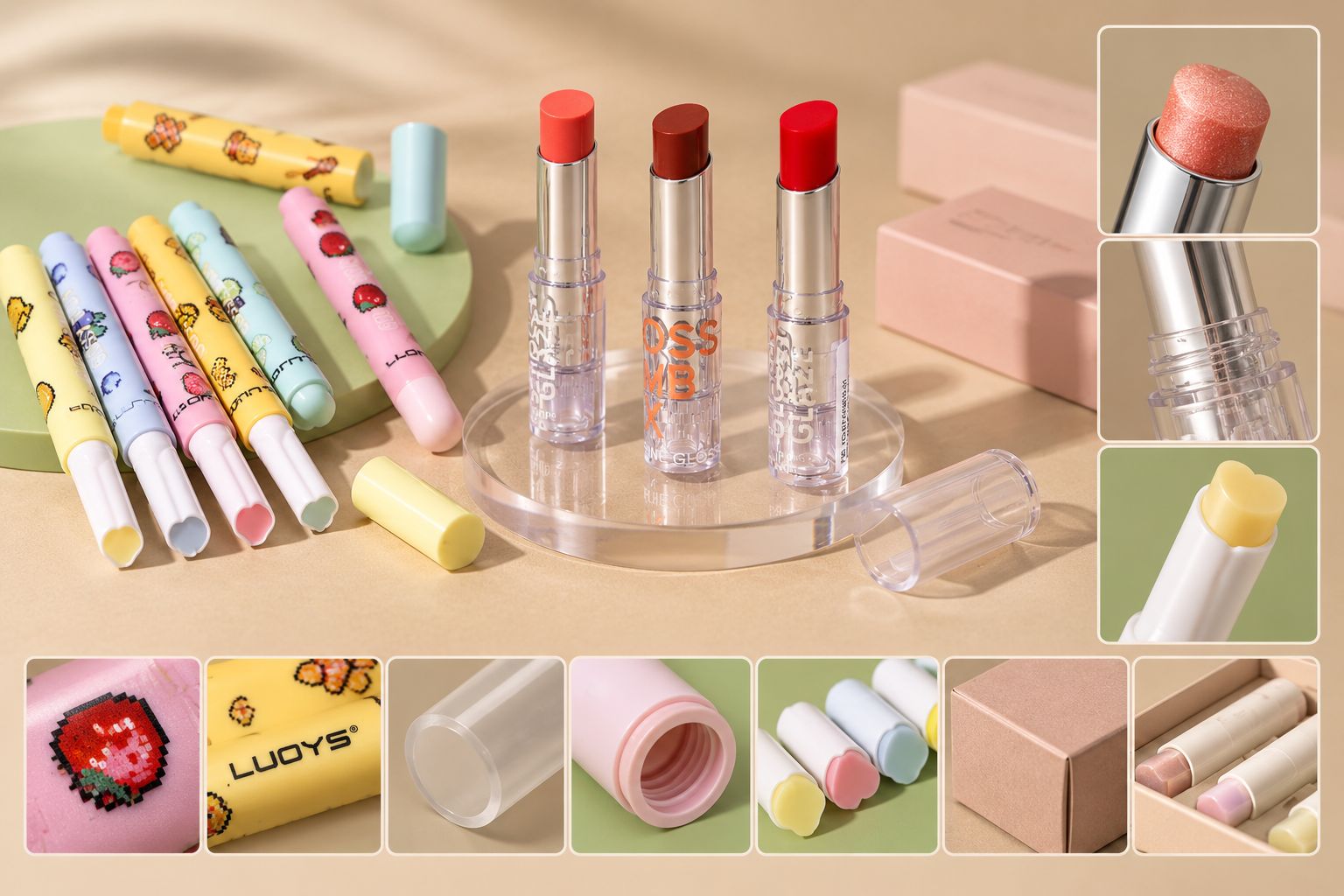
A package should be opened, closed, twisted, packed, unpacked, and handled in the same general manner expected during normal use. This can reveal fingerprints, scratches, coating wear, loose components, or print damage that may not appear during a static visual inspection.
Brands comparing lipstick formats can also review the manufacturer’s Lip Stick category for published product references and packaging directions.
How should brands test lipstick packaging before mass production?
The purpose of pre-production testing is not to create an excessive number of laboratory procedures. It is to identify the packaging problems that would be expensive to correct after the commercial components have already been produced.
What should be checked with filled samples?
The assembled product should be reviewed for fit, movement, closure, appearance, and protection of the lipstick. If the product contains a softer formula, particular attention should be paid to the way the bullet moves within the internal mechanism.
Repeated opening and closing can also reveal issues that are invisible during the first operation.
What should be checked during transport and handling?
Packaging has to survive more than the consumer’s hands. Components may pass through filling, assembly, secondary packing, storage, distribution, and retail handling before reaching the end user.
The appropriate evaluation depends on the actual packaging configuration and distribution route. Buyers should therefore discuss the expected supply chain with the supplier instead of assuming that a component that survives a basic handling check will behave the same way throughout commercial distribution.
How can buyers control packaging changes and repeat-order consistency?
The first production order establishes a reference for everything that follows. If the packaging specification is vague, repeat orders can gradually move away from the original version without either side noticing immediately.
What should be included in the approved packaging specification?
The record should identify the component, relevant dimensions, material where applicable, surface treatment, decoration, color reference, closure requirements, and assembly configuration.
A retained physical sample is equally useful. It allows the quality team to compare future packaging against something tangible instead of relying only on written descriptions.
What should happen when a component becomes unavailable?
A supplier may occasionally need to suggest an alternative because a component is discontinued or difficult to source. That replacement should be reviewed rather than assumed to be equivalent.
The buyer should compare dimensions, appearance, function, compatibility, cost, and production requirements. A small change in an internal component can affect the finished lipstick even when the outside of the package looks almost identical.
What should buyers confirm with an OEM partner before ordering custom packaging?
At this stage, the conversation should move beyond appearance and into execution. The buyer needs to know how the component will be sampled, decorated, assembled, filled, inspected, and controlled once production starts.
Which questions are worth asking before approval?
A purchasing team should establish:
-
which package specifications will be recorded;
-
which components are standard and which are customized;
-
how decoration will be approved;
-
whether filled samples can be reviewed before mass production;
-
how component substitutions will be communicated;
-
which checks are performed during production;
-
how approved packaging samples are retained.
The answers can reveal how closely the supplier treats packaging as part of the finished product rather than as a separate purchasing item.
The manufacturer’s Service page provides additional information about its production support, while the broader Products section shows the range of cosmetic formats covered by its manufacturing operation.
How should final packaging approval be recorded?
The approved record should identify the exact configuration that will enter production. If several finishes, mechanisms, or decorative versions were sampled, the final version should be clearly distinguished.
This becomes particularly valuable when repeat orders are placed months later and different purchasing or quality personnel are involved. A retained sample gives everyone a common physical reference.
Looking for Practical Support with Custom Cosmetic Packaging?
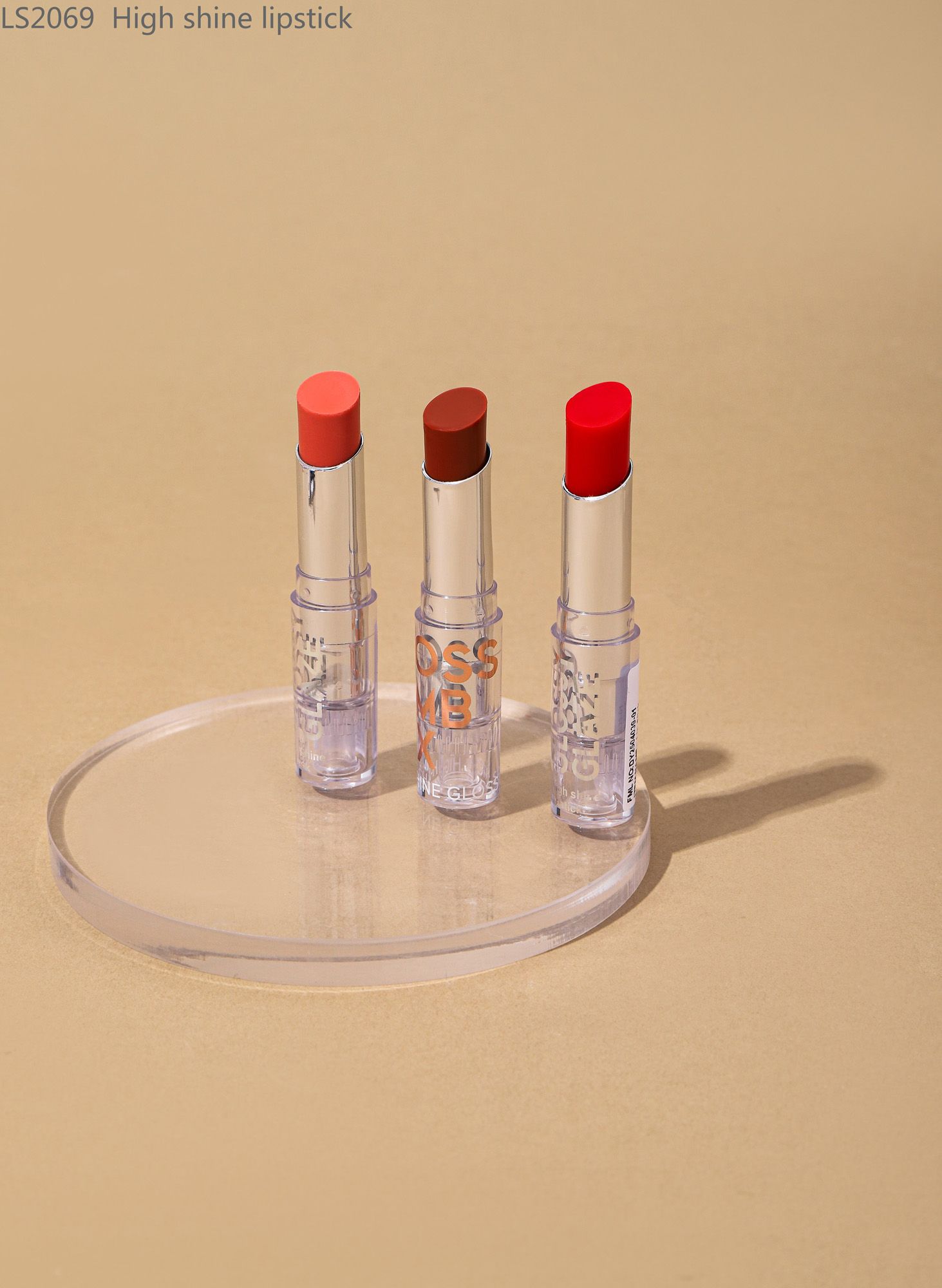
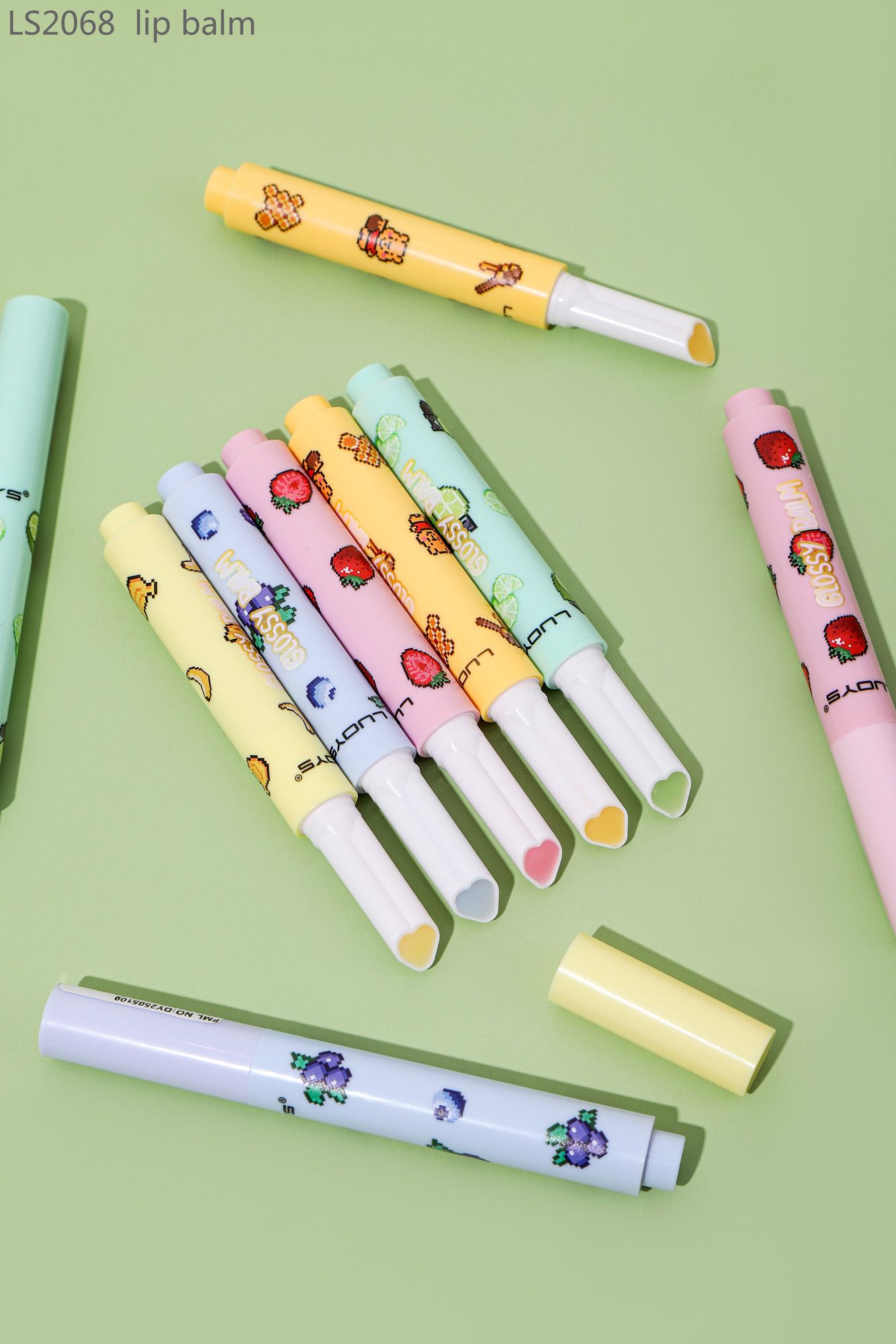
Once a lipstick package moves from concept into filling and commercial production, the important question is whether the manufacturer can keep the formula, component, decoration, assembly, and quality requirements aligned. Zhejiang Limei Cosmetics Co., Ltd. provides OEM and ODM manufacturing support for color cosmetics, with its website describing R&D, quality inspection, filling, packaging, and production capabilities. Its published lipstick range includes formats such as LS2069 High Shine Lipstick and LS2068 Lasting Glossy Lipstick, providing concrete product references for discussions around finished-product presentation and packaging. For a customized project, buyers can use the development stage to confirm component selection, formula compatibility, decoration, filled-sample approval, production inspection, and change control before releasing the final order.
Conclusion
Custom lipstick packaging should be approved as part of the finished cosmetic rather than judged only by appearance. Mechanical performance, formula compatibility, decoration, filling, transport, and repeat-order consistency all affect whether a package remains suitable after production begins. A clear specification and retained approval sample give purchasing and quality teams something concrete to compare when components or suppliers change. That makes packaging decisions easier to manage and reduces the likelihood that an apparently minor component difference becomes a production or consumer-use problem later.
FAQs
1. Can lipstick packaging be selected before the formula is finalized?
Yes, but the package should remain subject to compatibility review once the bullet and formula are defined. The final assembly needs to work mechanically and protect the product under expected storage and use conditions.
2. What should buyers check on a lipstick tube sample?
Check the cap, twist mechanism, bullet stability, base movement, closure, surface finish, decoration, and overall assembly. Repeated operation is useful because some weaknesses only become noticeable after several cycles.
3. Why are filled lipstick samples more useful than empty components?
A filled sample shows how the actual lipstick interacts with the internal holder and mechanism. An empty component cannot demonstrate whether the bullet moves correctly, remains stable, or creates problems during normal consumer use.
4. How should packaging color and decoration be approved?
Use physical samples rather than relying only on digital artwork. Compare the color, coating, printing, texture, and overall finish under consistent conditions, then retain the approved version as the production reference.
5. What should happen if the approved packaging becomes unavailable?
The supplier should present the alternative before production. The buyer should compare the replacement with the approved package for dimensions, appearance, function, compatibility, cost, and production requirements before approving the change.