
How to Start a Makeup Line with a Private Label Cosmetics Manufacturer
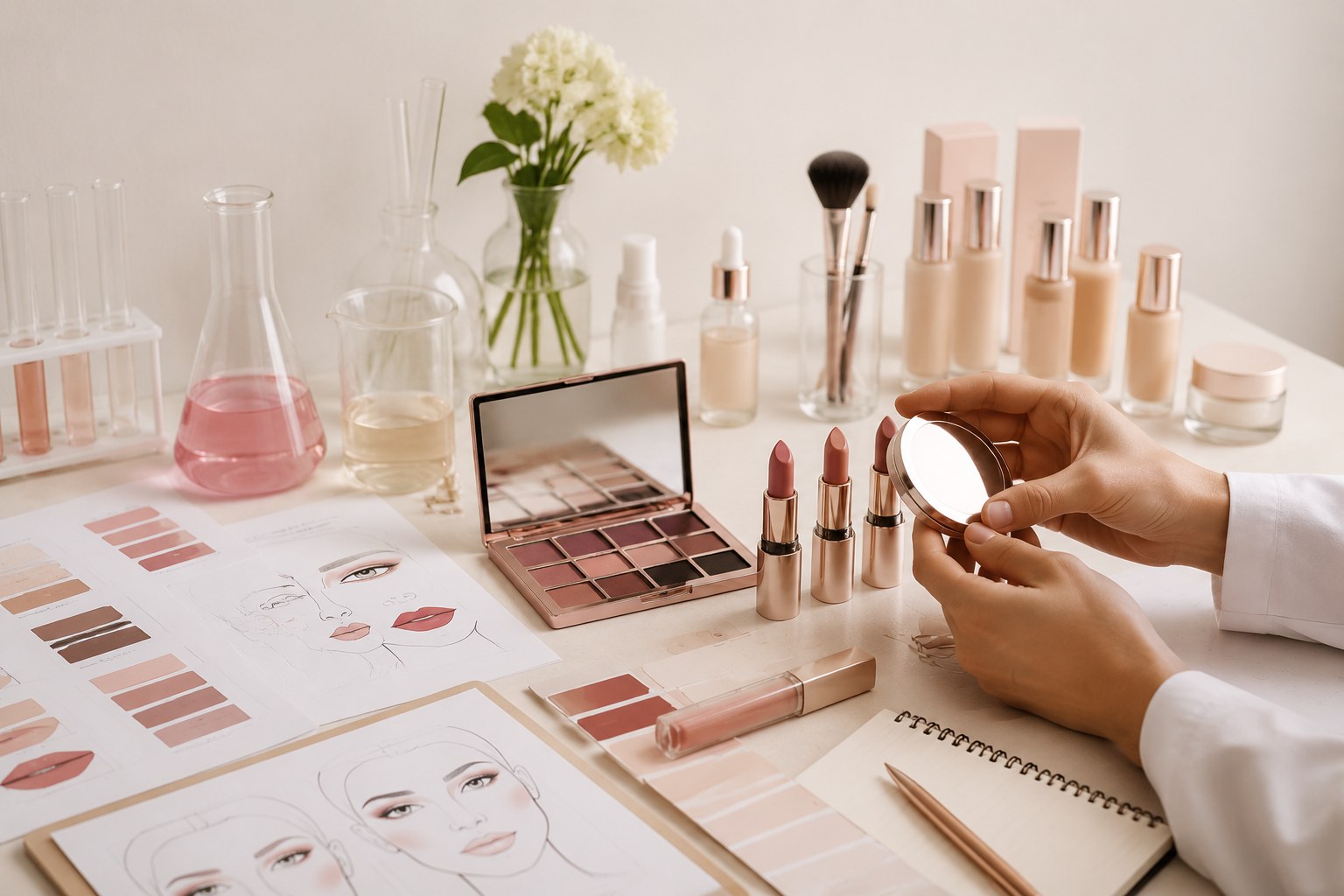
The global beauty market is valued at over $570 billion in 2023, and private label cosmetics are growing at an annual rate of almost 6% (Statista, 2024). As a entrepreneur or professional, starting a make-up line through a private label manufacturer for cosmetics can be an ideal and scalable way to create your brand. In this article you will find a step by step plan on how to start a make-up line for your own brand. The goal of this plan is to create your brand in a successful and qualitative way.
What Does It Mean to Start a Makeup Line with a Private Label Cosmetics Manufacturer?
Before we dive into the world of product development and marketing for your new beauty venture, we will lay the groundwork for how your products are produced as a private label.
The Concept of Private Label Manufacturing
Private label manufacturing enables a company to have products manufactured by third-party producers for sale under their own branding. It has the benefit of saving a company from having to spend time and resources on Research and Development while at the same time it is very flexible with regards to things like packaging and formulation as well as marketing. Many of the independent or so-called “indie” beauty companies are using private label manufacturing in order to get into the market faster without having to set up their own factories. They can then focus on branding and customer interaction while bigger companies focus on other things in order to be able to compete with them.
Advantages of Partnering with a Private Label Producer
Private label production offers many advantages when done in partnership with an experienced manufacturer. Firstly the cost of setting up to manufacture your own products is significantly lower than that of setting up your own manufacturing facilities. Also your manufacturer will have tried and tested formulas and have a great deal of experience with regards to compliance to regulatory requirements. As your sales increase your manufacturer will be able to increase production to meet demand without compromise to quality or service.
How Can You Develop a Unique Brand Identity in a Crowded Market?
In a crowded makeup market with so many options, defining what makes your makeup line different from the rest is crucial to long term success.
Defining Your Brand DNA
Start by identifying your target audience—whether they’re professional artists seeking performance-driven products or eco-conscious consumers prioritizing sustainability. Establish your brand’s voice, color palette, and core message that differentiates it from competitors. Using consumer data and trend reports such as Mintel Beauty Trends 2024 helps align your product positioning with current demand shifts toward inclusivity, transparency, and clean beauty.
Creating Product Lines That Reflect Your Brand Values
Your product range has to reflect your brand values. For example, if your brand is focused on sustainability, then you would market vegan cosmetics or lipsticks which are also described as being “cruelty-free”. Also new collections and also seasonal product launches are always giving customers something to look forward to all year round. Because as an example collaborating with Influencers or make-up artists, who work professionally for a living, they can bring more authenticity to a marketing campaign. As opposed to a traditional marketing campaign, customers are always more likely to take notice of a real users experience with a product or service.
What Are the Essential Steps in Launching Your Makeup Line?
With your concept clearly defined, you can then move on to structured planning that guides you through the necessary steps to go from research to launch.
Conducting Market Research and Feasibility Analysis
In addition to comprehensive market research to identify and fill gaps before investing too much into an idea, research competitors’ pricing structures and distribution channels. Hold small surveys or social media polls to gauge interest in specific color or texture options for future products. As with any cosmetic, research the labeling laws for cosmetics as well as the safety of ingredients for use in various markets around the world. For example, in the US it would be the FDA while in the EU it would be EU Cosmetics Regulation (EC) No 1223/2009.
Selecting the Right Product Range for Launch
Rather than launching 20 SKUs and splitting the budget and logistics, you start with your “hero” products – the products that really show off the quality of your formulation, for example lip glosses or a eyeshadow palette. These ingredients can meet high performance standards and also be good for the environment – for example being paraben-free, using natural bases, or being mineral pigments which can be sourced in an environmentally friendly manner. Negotiate with your potential manufacturers to find out what is their MOQ (minimum order quantity) and are they flexible. This way you can test demand of products before you overstock.
Designing Packaging That Aligns with Brand Identity
Packaging is used for both practical and aesthetic purposes. Protecting the packaged goods in transit and communicating the brand identity and packaging design through the packaging materials. Choose robust packaging materials that last long, and also support the brand’s sustainability messages through use of recycled PET, biodegradable paperboard or other eco-friendly packaging materials. Packaging is also a means to increase brand recall and create memorable unboxing experiences that can be subsequently shared on customers’ social media platforms.
How Do You Choose the Right Private Label Cosmetics Manufacturer?
Choosing the right partner not only affects the quality of your product but also how you work as you scale.
Evaluating Manufacturer Capabilities and Certifications
Check that the company’s factory is ISO22716- or GMP-certified. This will mean that they are following international standards for manufacturing of cosmetics in a clean environment. Also, it is wise to test the first sample-batches for stability tests before you sign the contract with the manufacturer. This will assure you that the texture of the product remains stable under different temperatures.
Key Factors When Comparing Suppliers
We compare suppliers on the basis of their capacity, degree of customization and transparency of communication.
Production Capacity and Lead Time
Confirm whether potential manufacturers can handle increased order volumes during peak seasons like holidays without delays or formula inconsistencies.
Customization Options
If differentiation is important to you and your brand then you would look to partners who can offer formula customization i.e. formula’s that can be changed such as pigment load or fragrance selection to suit local markets.
Communication and Transparency
Open lines of communication can save a lot of time and money by minimizing mistakes made during the formulation changes and/or packaging approval process, especially when working across time zones.
What Are the Cost Considerations When Starting a Makeup Brand?
Controlling the budget of a cosmetic venture is crucial to its launch and to its long-term sustainability.
Initial Investment Breakdown
Expect expenses across several categories: formulation testing fees, packaging design costs, branding materials like photography or logo creation, plus regulatory documentation charges for safety assessments. Depending on scope and SKU complexity, total startup costs typically range between $10,000–$50,000 for small-to-medium operations.
Managing ROI Through Smart Production Planning
To protect cash flow in early stages of growth, run pilot batches of work instead of running full scale runs to confirm demand patterns. Continue to track sales data via analytics tools and use this data to vary the quantities re-ordered by actual performance against projected performance. This will help to avoid excess inventory whilst ensuring ROI is being optimized as efficiently as possible.
How Can You Market Your New Makeup Line Effectively?
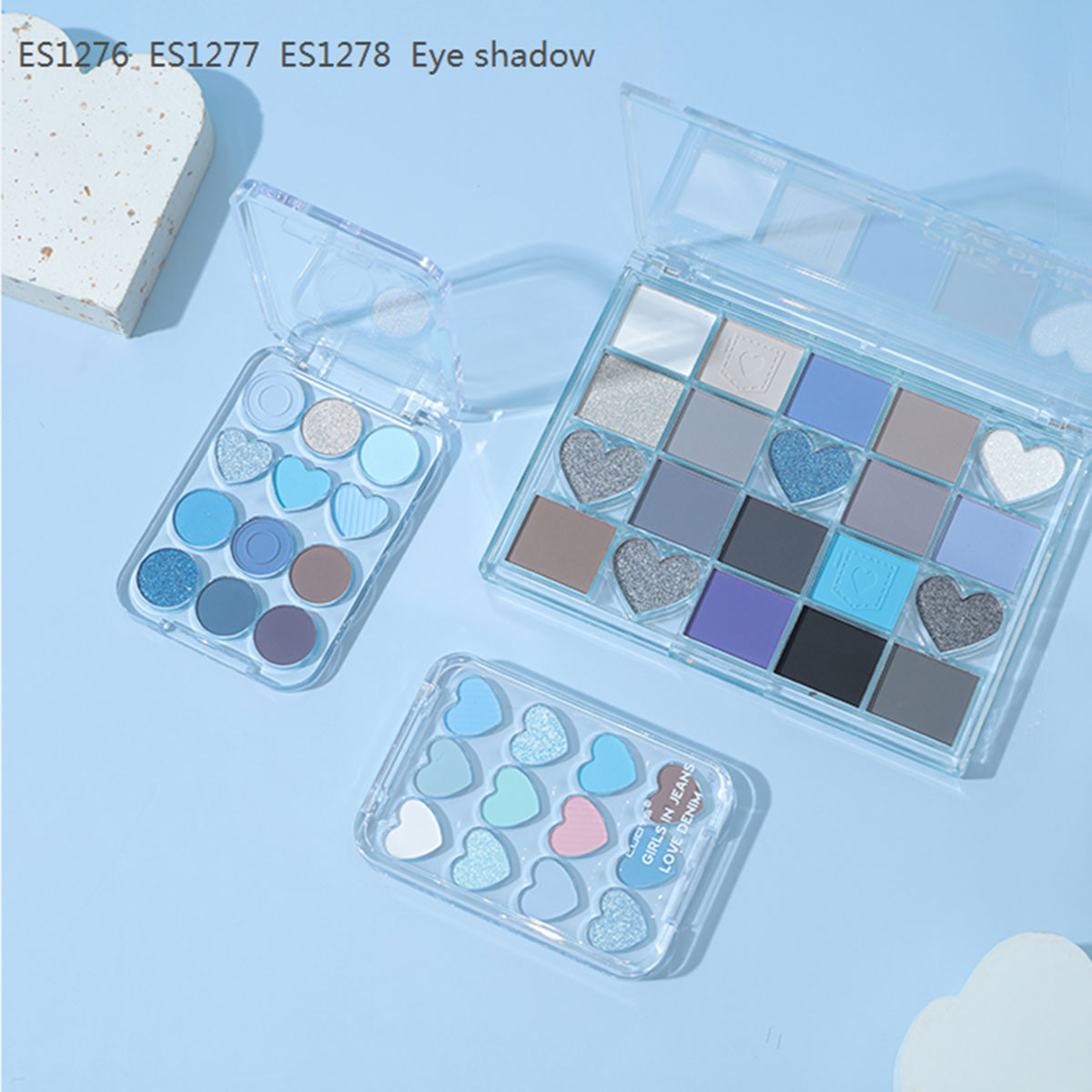
Even the best formula needs visibility and a connection with the consumer via digital touchpoints.
Building Online Presence Through Digital Channels
Social media remains at the heart of beauty marketing today and visually stunning content such as Texture Pay Off or Application tutorials performed in Instagram Reels or TikTok videos will reach your audience. While partnering up with the odd Celebrity for a sponsorship deal can create great press releases & high reach videos etc. most conversion will come from the perceived truth of recommendations from Micro-influencers & their followers that trust recommendations from people they trust.
Retail Partnerships and Distribution Strategies
After establishing online traction through direct-to-consumer sales models:
Direct-to-Customer (DTC) Sales Model
When you sell through your own web site, you are able to control your pricing strategies and collect very valuable first-party data for use in future marketing campaigns.
Wholesale Distribution
Entering boutique retailers could bring us more credibility in terms of sales, but might have lower margin per sales unit than usual for wholesale products. We would need to balance the potential exposure with our current goals of profitability, and would need to be careful about the volumes we commit to.
Who Is Zhejiang Limei Cosmetics Co., Ltd.? – A Reliable Partner in Cosmetic Manufacturing
Zhejiang Limei Cosmetics Co., Ltd. is a leading China Private Label Makeup Manufacturer which has over 10 years experience of manufacturing beauty products such as lipstick, foundation, eyeshadow, mascara and powder etc. for many overseas online wholesale private label beauty stores. With many years’ experiences in formulating makeup products, our expert make up product developers can provide you best makeup product solution and make private label makeup products according to your requests. Such as making makeup products in different textures, adding different pigment intensity etc. In addition, our product developers also test up compatibility for different skin tones for you to sale. And we also provide environmental packaged make up products and help customer to source packaging for eco friendly makeup products which are becoming very popular recently among young beauty buyers. On top of that, we can also assist clients in global market entry. For instance, we can assist clients in getting FDA registration in USA and EU CPNP documentation clearance.
Conclusion
Launching a range of make-up products via private label production is a perfect combination of creative ideas and business planning based on experience and data. A great number of entrepreneurs manage to create a strong brand position on the highly competitive market while maintaining the necessary margin of profits. It is very important to choose an experienced manufacturer of private label cosmetics, such as Zhejiang Limei Cosmetics Co., Ltd. and to hold a detailed feasibility study. It is also very important to manage the necessary start-up budgets in an efficient manner and to maintain a consistent story of the brand at all points of contact with customers in order to ensure successful development of the brand on the market.
FAQs
1. How long does it take to launch a Private Label makeup line?
Typically 4–8 months for launch, dependent on degree of formula customization, packaging lead time and relevant approvals.
2. What are the certifications that I should be looking for when choosing a cosmetics contract manufacturer?
GMP, ISO22716, FDA-compliant etc., etc. that ensure consistent quality throughout the manufacturing process.
3. Can I start small before scaling my cosmetic business?
Yes! There are many cosmetic manufacturers that offer low MOQs for their products. This allows new businesses and start-ups to test the market for their product before committing to large capital investments for mass production runs of the product.
4. How good are private labels versus known brands?
Quality of products is solely based on the process control. Suppliers of high quality offer same formulas for private labels as for leading branded products distributed world wide on retail markets.
5. What are typical mistakes of new beauty entrepreneurs?
New beauty entrepreneurs typically miss some of the very detailed market research of the typical market research phases. They underestimate the total packaging cost per unit. They neglect the needed time for the needed compliance papers of authorities like the US FDA and the EU authorities and others. Finally, they choose their vendors on price only and not on their reliability to deliver as promised. This are typical mistakes which new beauty entrepreneurs can avoid by preparation.