

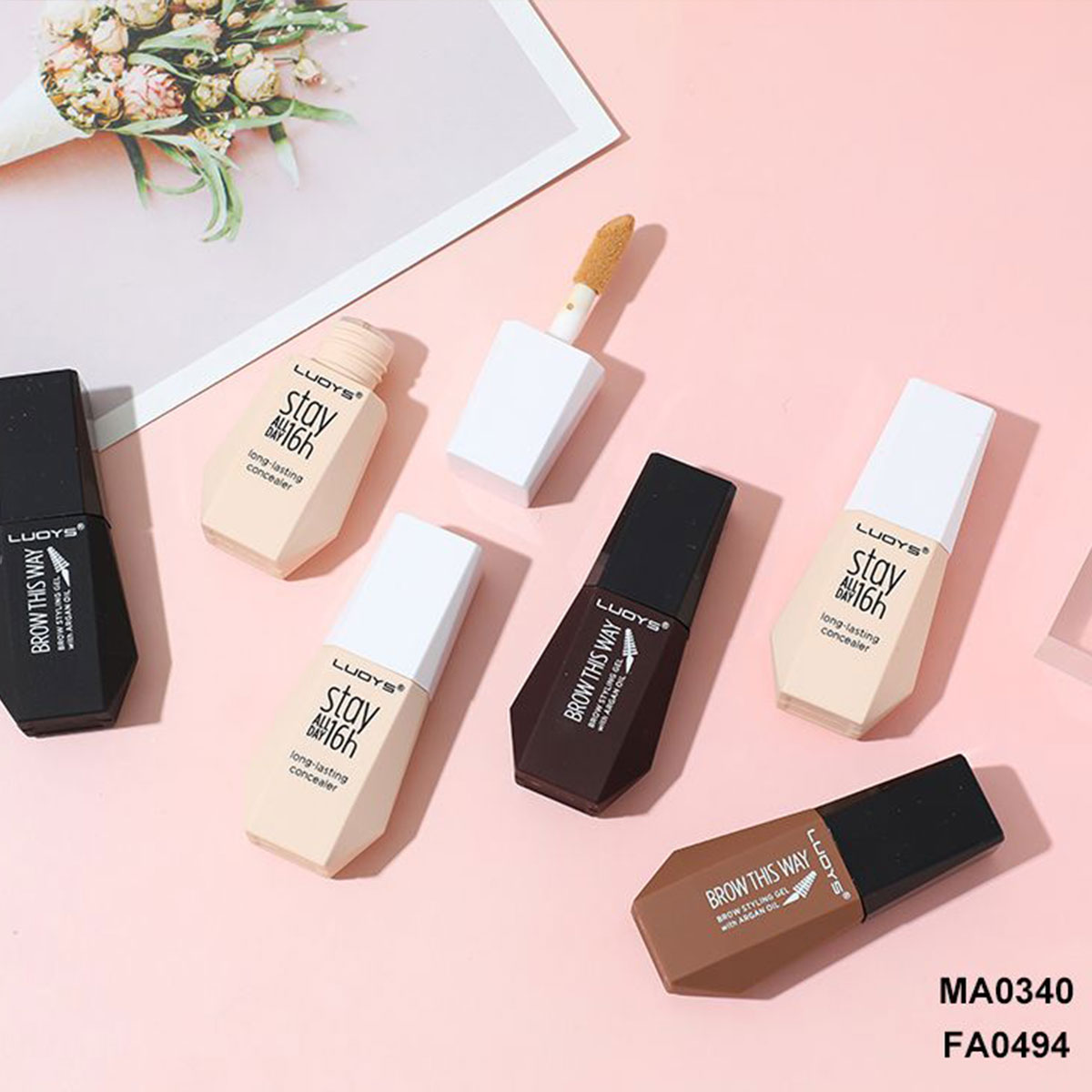
Why SPF Makeup Is Becoming the Next Big Trend in Color Cosmetics
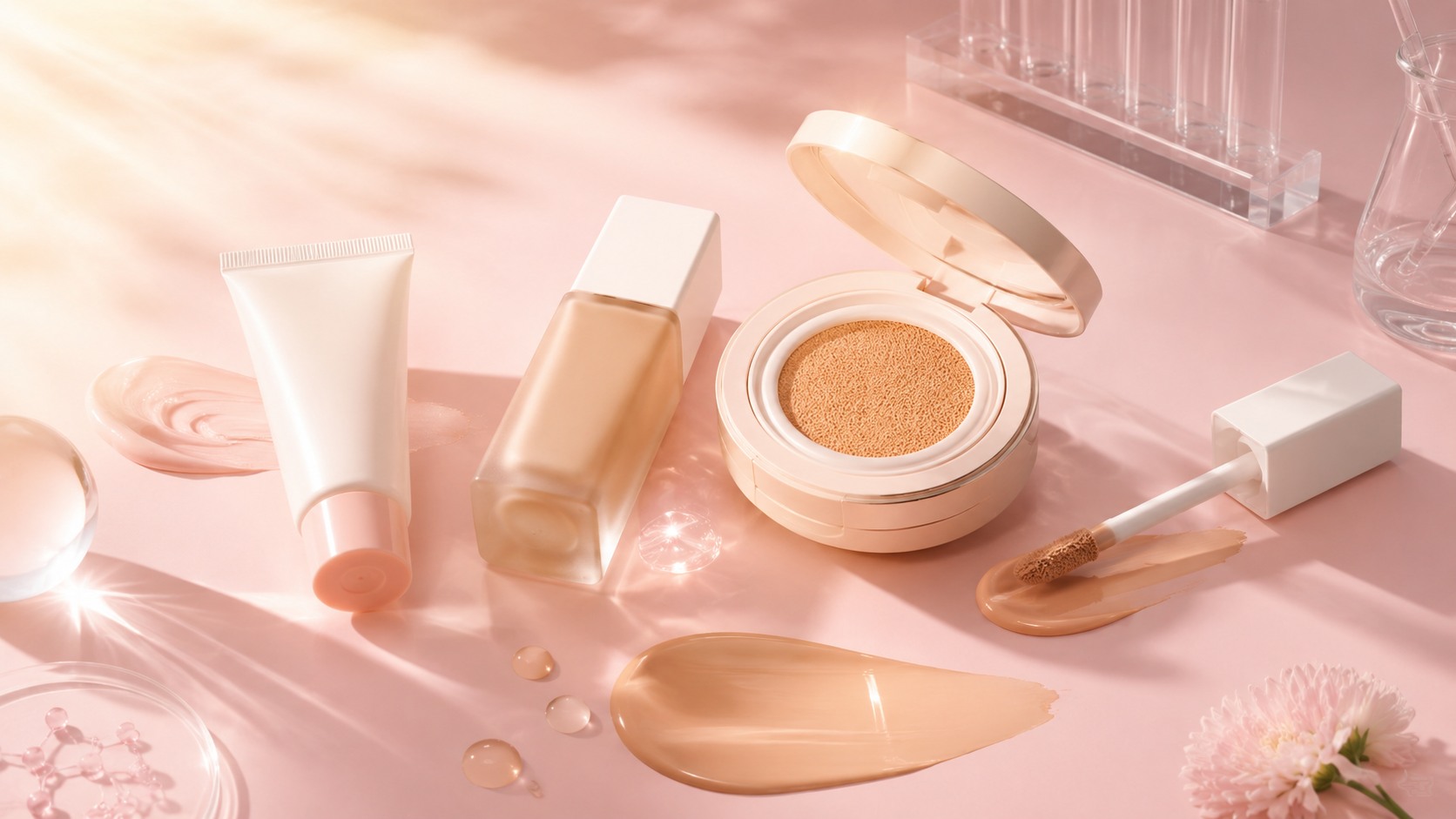
The skincare trend is merging with the world of color cosmetics to create a multitude of SPF makeup formulas. A new wave of consumers are turning to hybrid beauty products that can provide instant results and make for an easier make-up routine. As consumers become busier, they are looking for products that deliver visible results, and the beauty industry is rising to the challenge. As reported by market research by Mintel and Euromonitor, hybrid beauty products now account for a large percentage of new product launches. This is no longer a trend that is solely aimed at the professional market, but also a mainstream demand from consumers everywhere.
Understanding the Shift Toward Hybrid Beauty Products
Today’s formulations are becoming multifunctional in order to meet the needs of consumers who are leading busier and more active lives. This means that products need to be able to provide more than one benefit in order to save time, while still delivering on performance. One of the areas in which multifunctionality is being most successfully exploited is in SPF-infused color cosmetics, which combine the benefits of skin coverage and color with sun protection, all in one step. In keeping with the growing trend of ‘skinimalism’ and the desire for consumers to have minimal skincare routines that deliver, hybrid products, such as tinted moisturizers and serum foundations, are becoming increasingly popular, as they offer a convenience-led approach to skincare and makeup, without sacrificing on finish and skin health. Examples of such products on the market include IT Cosmetics’ CC+ Cream and NARS’ Pure Radiant Tinted Moisturizer.
The Role of Sun Protection in Everyday Makeup
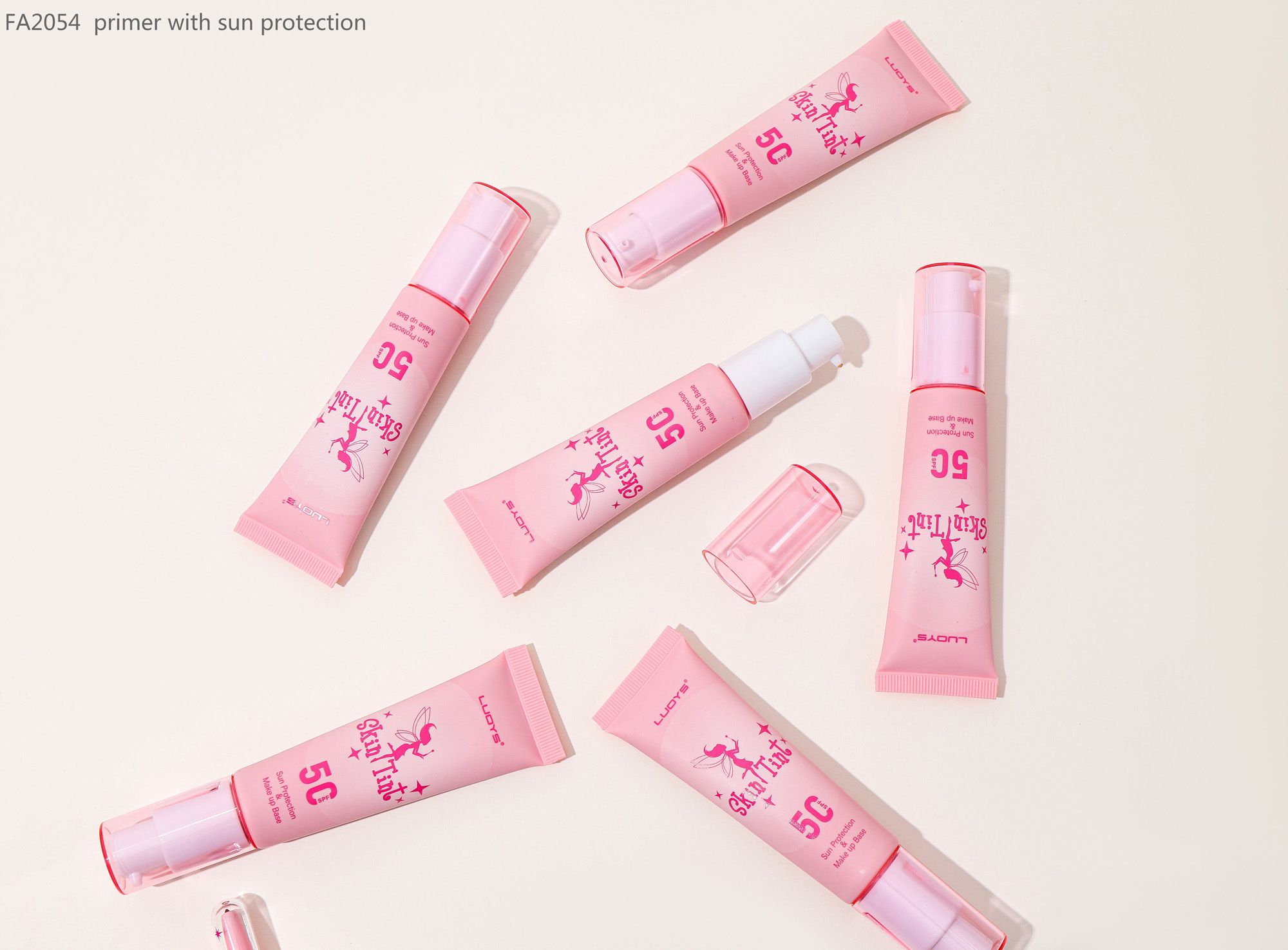
Daily sun protection is key to anti-aging, as dermatologists have long emphasized. Now, however, when it comes to anti-aging products, consumers expect their makeup to offer the same level of protection. UV exposure is, after all, the leading cause of premature aging, of spots and hyper-pigmentation, and of loss of skin elasticity. So long as makeup is worn every day, it makes sense to use products that already contain SPF in their formula, whether that’s a foundation, lip balm or powder to set the make-up. Professional make-up brands are now collaborating with dermatologists in order to improve the SPF component of their products, whilst maintaining the texture and properties of the color cosmetics. The resulting products not only offer better protection against environmental stressors than ever before, but also guarantee greater efficacy and credibility to the SPF claims made on the packaging.
What Drives the Market Growth for SPF Makeup?
The hype around SPF makeup is not a flash in the pan. Rather, it reflects deeper behavioral and technological changes in the beauty market.
Consumer Awareness and Lifestyle Changes
Education around photoaging has led to changes in buyer expectations towards protection products. According to a 2023 report by Statista, more than 70% of customers from around the world consider sun protection as an essential part of their daily beauty routine – even for use when customers are indoors. Urban living exposes customers to increasing amounts of blue light from screens and air pollution that can create oxidative stress on skin cells. As a result, an increasing number of protective skincare products containing anti-pollution and anti-blue light formulas are hitting the market. Social media trends, in the form of glowing complexions achieved through SPF-based base products as opposed to heavy contouring, have fueled the “healthy glow” aesthetic.
Technological Advancements in Formulation Science
At the heart of most successful SPF bearing cosmetics are the latest formulation technologies. Microencapsulation of UV filters enables them to remain effective and stable in all types of emulsions, whilst offering the benefits of smooth application, better wear and shelf life. The micronisation of mineral filters such as zinc oxide has also made it possible to create preparations that offer good protection without casting a white ghosting on different skin tones. Currently there is still considerable research into the development of products that offer long lasting sun protection, whilst maintaining breathable and comfortable wear, a challenge that is particularly pertinent for professional makeup artists who require their cosmetics to last throughout the working day under the harsh lighting of a studio.
How Do Regulations Shape Product Innovation?
Before we dive into the brand strategies for individual regions, it is important to take a look at how global standards affect product development around the world.
Global SPF Regulations Impacting Cosmetic Formulation
SPF regulations vary considerably between markets such as the U.S., EU, Japan, and South Korea. The FDA classifies sunscreens as over-the-counter drugs, requiring rigorous testing for safety and efficacy claims, whereas EU guidelines treat them under cosmetic law but demand UVA/UVB ratio compliance. These differences affect ingredient choices — for example, certain UV filters approved in Europe remain restricted in North America. Transparent labeling practices help build credibility among informed consumers who scrutinize ingredient lists before purchase.
Sustainability Considerations in SPF Makeup Development
Innovating to be more environmentally responsible is paramount to sun-protective cosmetic products today. Premium products on the market contain reef-safe formulas that either lack the active ingredients oxybenzone or octinoxate or use alternative active ingredients. There are many other ingredients that are biodegradable and have low levels of marine toxicity such as non-nano zinc oxide, which are gaining interest and popularity in sun-care products today. A huge focus for many in the cosmetic industry is making sustainable packaging that will extend the product’s life and decrease waste, while the brand’s efforts to be more sustainable are inline with their ESG goals and correspond to efforts to decrease and recycle air.
How Are Brands Positioning Their SPF Makeup Lines?
The regulations around formulation safety mean that brands can no longer compete on safety alone. Instead, they have to focus on their portfolio strategy and their brand storytelling.
Integration into Existing Product Portfolios
Rather than launching new lines of products, established makeup companies are converting their most popular formulas into SPF formulas in order to tap into the growing demand for products that offer the best of both worlds. This has created a lot of opportunities for cross-functional work between a brand’s R&D team for skincare and its color labs. When done well, this type of collaboration is able to unlock a lot of innovative products that not only offer performance but also care for the customer’s skin. For premium SPF products, companies are relying on dermatologist-tested claims in order to drive long-wear benefits to customers, whether they are a professional looking for a reliable product to use on set or a customer looking to get the best skin care product to use at home.
Marketing Narratives Driving Consumer Engagement
Modern marketing is less about the glamour of make-up and more about empowerment through knowledge. Many recent campaigns for sun protection skin care products focus on prevention-oriented beauty, protecting the skin that you have today for confidence in the skin you have tomorrow. The influencer partnerships also work by showing the real ways in which a product can be used, whether that be in a scenic outdoors setting or in a travel diary. Also there is a lot of educational content that explains the different SPF ratings or how often you should reapply a product, etc. This kind of content helps to educate the consumer on the technical aspects of a product and also highlights the brand’s transparency.
What Lies Ahead for SPF Makeup Innovation?
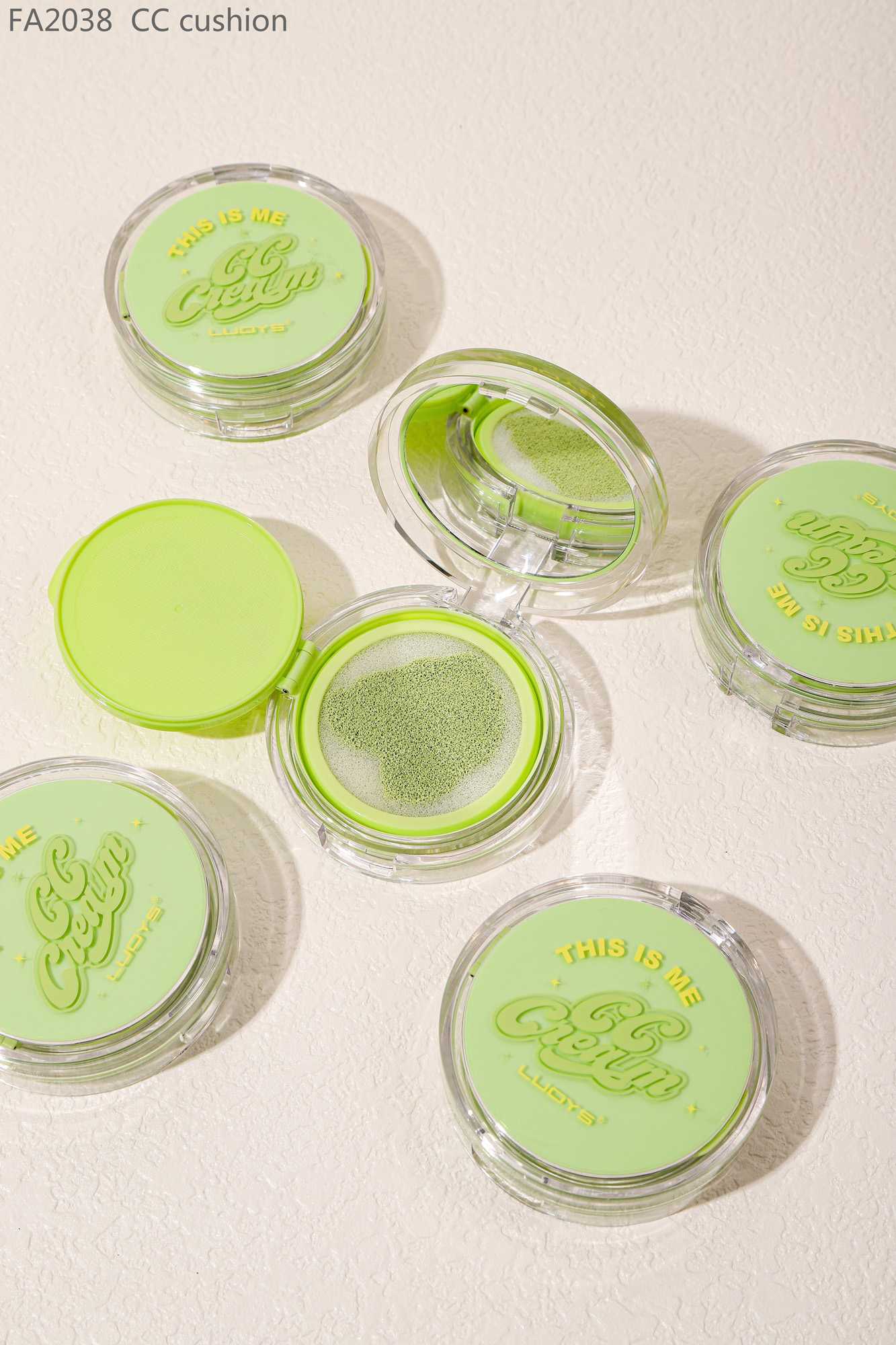
As research into hybrid beauty continues to evolve and as consumers become increasingly sophisticated, future generations of products will continue to be revolutionized by emerging formulations.
Emerging Ingredients and Technologies Shaping Next Generation Formulations
Peptide-based sunscreens that also provide repair to the skin during the day by filling in fine lines and wrinkles as well as providing protection, really are a new frontier in the development of anti-aging ingredients. There are smart pigments now that change the way that a product is colored to adapt to indoor lighting as well as to outdoor light. And in terms of physical sunscreens, there’s been a lot of development with regard to how to use data to really optimize a formulation, to look at the amount of pigment that’s needed in relation to the amount of UV filter needed to create a product that’s really going to perform well for a specific consumer in different climates.
Anticipated Shifts in Professional Practices and Consumer Expectations
A growing number of professional makeup artists use sun-safe methods when applying makeup on a daily basis. They can use light-weight SPF primers underneath their foundation or other complexion products, or they can use a finishing spray containing SPF to top off their makeup before going out to an event. Many retailers are also launching training programs for their consultants on the benefits of hybrid products, to be able to better serve their customers at their point-of-sale around the world.
Zhejiang Limei Cosmetics Co.,Ltd.: A Trusted Partner in Advanced Cosmetic Solutions
Zhejiang Limei Cosmetics Co.,Ltd. is one of leading skincare actives manufacturer and also professional decorative pigments supplier, who can provide best support for hybrid products of spf makeup and color cosmetics. We work with more than 20 global brands who provide skincare products and develop stable emulsions containing UV filters for them. The formulations keep the same smooth feel and won’t degrade soon. All products comply with requirements of different markets all over the world. Our services cover formulation design, packaging development and technical support. We can provide customized solutions for our customers from beginning of product development to launching in market and afterwards.
Conclusion
Skincare science and color artistry have merged to form a new frontier in the beauty industry. By simplifying the routine while providing protection, SPF makeup has rapidly become an essential item in every makeup bag across the globe and within all demographics. With governments implementing more regulations in the industry to ensure safer products, big brands are also committing to being more sustainable, encouraging responsible innovation in the industry. As technology advances to meet the demand for more personalized products that provide not only aesthetic benefits but also wellness benefits, the separation between skincare laboratories and makeup studios will continue to dissolve until the two become one discipline that focuses on the holistic beauty of every individual.
FAQs
1. Why is daily use of SPF-infused cosmetics recommended?
Daily exposure to UV rays from sun, clouds and even indoor light accounts for up to 80% of visible signs of aging. This is why using SPF in your daily makeup is so effective for providing protection when you may forget to reapply your traditional sunscreen.
Can mineral-based sunscreens provide sufficient protection without a white cast?
Yes. There are now micronized mineral particles available on the market which are completely transparent and offer sufficient protection against both UVA and UVB rays for all skin types and tones.
3. How does blue light affect the skin?
Blue light from digital screens can cause oxidative stress on the skin in the long term which can lead to dullness and pigmentation. New protective foundations now contain antioxidants which combat this type of damage.
4. Are reef-safe sunscreens less effective than traditional sunscreens?
No, reef-safe sunscreens, that use filters like non-nano zinc oxide, offer broad-spectrum sun protection and are as effective as traditional sunscreens. However, they must be well-formulated and meet the relevant regional standards.
How should SPF makeup products be applied for effective sun protection?
Use the right amount of product on all areas of your face that will be exposed to the sun, and apply the SPF product before other makeup products.