

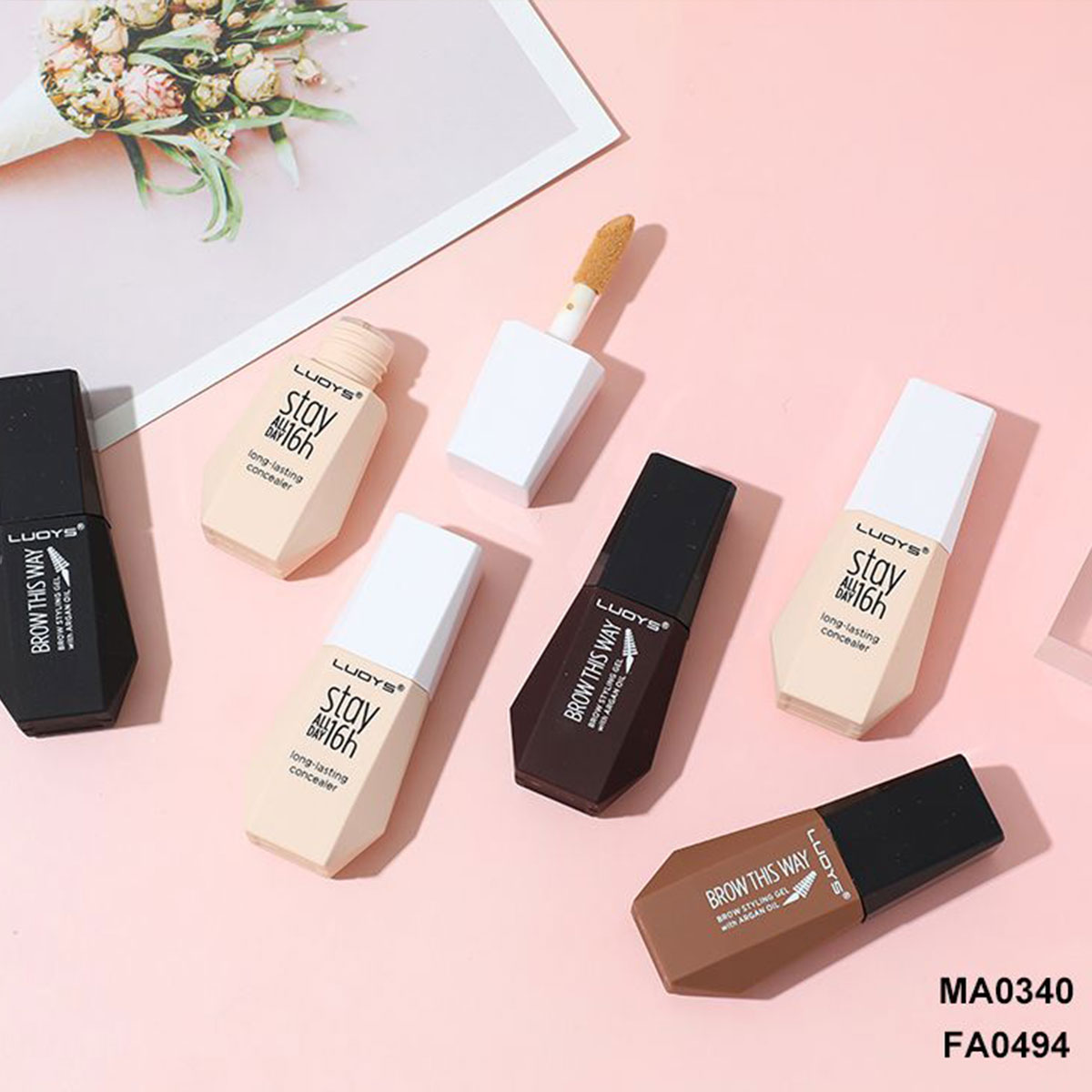
The Ultimate Guide to Private Label Concealer: How to Launch Your Own Custom Formula in 2026
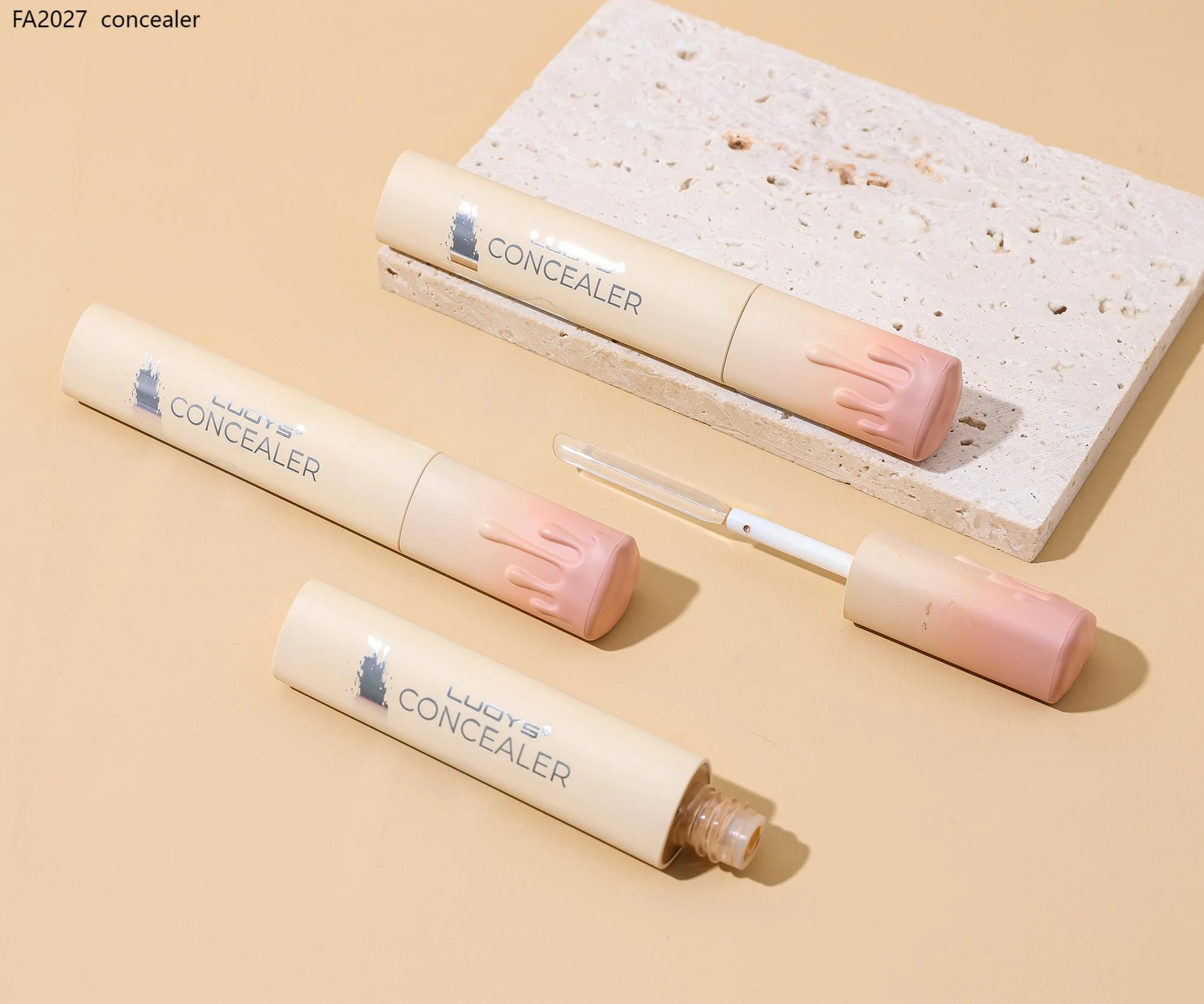
Launching your own concealer line feels exciting. Especially now in 2026. Clean beauty keeps growing. Shoppers hunt for full coverage that still looks natural. They want formulas that brighten dark circles or hide spots without caking. Private label concealer gives you a smart way in. You create a product under your brand name. No need to build labs or buy huge equipment. This guide breaks it down step by step. We focus on the full ODM path—from first ideas to shipping boxes. Real examples show what actually works. Small brands and new entrepreneurs use this approach all the time. It helps you hit the market faster with something that stands out.
Private label means teaming with a manufacturer. They handle the making. You focus on branding and sales. For concealer, customization runs deep. Shade ranges expand. Textures shift from creamy to lightweight. Coverage levels adjust. In recent years, sales data points to concealers jumping 18-25% yearly in the indie beauty space. But the difference comes from picking solid partners and nailing details.
Why Private Label Concealer Makes Sense Right Now
The market shifted hard. Consumers skip heavy makeup. They pick buildable, skin-friendly options. Think medium-to-full coverage with hydrating feels. Many want vegan formulas or ones free from certain irritants. Private label lets you meet those demands without years of trial and error.
Startups love it because upfront costs stay lower. You avoid massive R&D bills. Established small brands use it to refresh lines quickly. A boutique owner I know started with a simple three-shade concealer set. It sold out twice in the first quarter. The key? She worked with folks who understood trending needs—like radiant finishes for that “your-skin-but-better” look.
Pick a partner with real experience. Look for clean production spaces. Certifications matter—things like GMPC show they follow strict rules. That protects your brand from quality headaches down the road.
Step 1: Defining Your Concealer Concept
Start simple. Ask what your brand stands for. Natural glow? High coverage for acne-prone skin? Inclusive shades for every tone?
Sketch your vision. Picture a customer hiding under-eye circles before a big meeting. Or covering a breakout on date night. Those scenes guide choices. Research shows shade inclusivity drives loyalty—brands with 20+ shades see better repeat buys.
List must-haves early:
- Coverage Type: Sheer for everyday, full for spot concealing.
- Finish: Matte for oil control, dewy for dry skin.
- Key Benefits: Long wear (8+ hours), waterproof, brightening with vitamin C.
- Skin Concerns: Target dark circles, redness, blemishes.
Don’t skip market checks. See what gaps exist. Maybe brightening concealers with SPF appeal more in 2026.
Step 2: Choosing and Customizing the Formula
Formula work sits at the heart. Good concealers blend easily. They don’t crease or oxidize weird colors.
Begin with base options from your manufacturer. Many offer proven starters—creamy ones with silicones for smooth application, or cleaner versions using natural emollients. Add actives next. Niacinamide calms skin. Hyaluronic acid adds bounce.
Test shades carefully. Lighting changes everything. Send samples to diverse skin tones. One brand adjusted their medium shades after feedback—sales climbed 30% in that range.
Watch stability too. Concealers face heat, humidity. Lab tests catch separation early.
A solid partner brings deep know-how. They tweak pigments for better match across undertones. Years in the game mean they spot issues fast—like formulas that pill under powder.
|
Formula Element |
Common Options |
2026 Trend Tip |
|
Base |
Silicone, water-based |
Water-based feels lighter, appeals to clean crowds |
|
Pigments |
Iron oxides, treated micas |
Inclusive ranges need micronized pigments for blendability |
|
Actives |
Peptides, caffeine |
Caffeine reduces puffiness—great for under-eye use |
|
Preservatives |
Natural blends |
Avoid parabens to hit clean beauty searches |
Run wear tests. Ask users to wear it all day. Feedback refines the winner.
Step 3: Custom Packaging That Sells
Packaging grabs eyes first. For private label concealer, think practical and pretty. Applicators matter—precision doe-foot for spot work, pump for hygiene.
Choose materials. Airless pumps keep formulas fresh. Recyclable tubes feel modern. Colors tie to your brand—soft neutrals for clean lines, bold accents for fun vibes.
Work on design together. Add your logo cleanly. Many start with 1,000-3,000 units for custom molds. Smaller runs exist if you use stock shapes.
Mockups help a ton. See how it looks in hand before committing. Good suppliers offer quick 3D views.
Sustainability counts now. Brands using post-consumer recycled plastic report stronger customer connection.
Step 4: Understanding MOQs and the Production Timeline
MOQs intimidate newcomers. Concealer often starts at 1,000-5,000 units. Custom shades or packaging push it higher. But flexible makers drop to 500 for starters.
Timeline usually runs 10-14 weeks. Formula approval takes longest. Then bulk mixing, filling, packing.
Break it down:
- Prototype Phase: Test 3-5 shades.
- Approval Round: Sign off on final samples.
- Production Run: Scale up.
- Quality Checks: Third-party labs verify.
- Shipping: Freight to your door.
One entrepreneur shared her story. She ordered 800 units first. Sold through in a month. Reordered bigger. Smart scaling kept cash flow steady.
Insist on batch testing. It catches problems early.
Step 5: Launch Prep and Going to Market
Product lands. Build hype. Share before-and-after shots. Highlight coverage without filters.
Label right—list ingredients clearly. Follow regs to avoid issues.
Track sales closely. See which shades move fastest. Use that for round two.
Private label grows with you. Start small. Expand as proof builds.
Introducing Limei as a Cosmetics Supplier
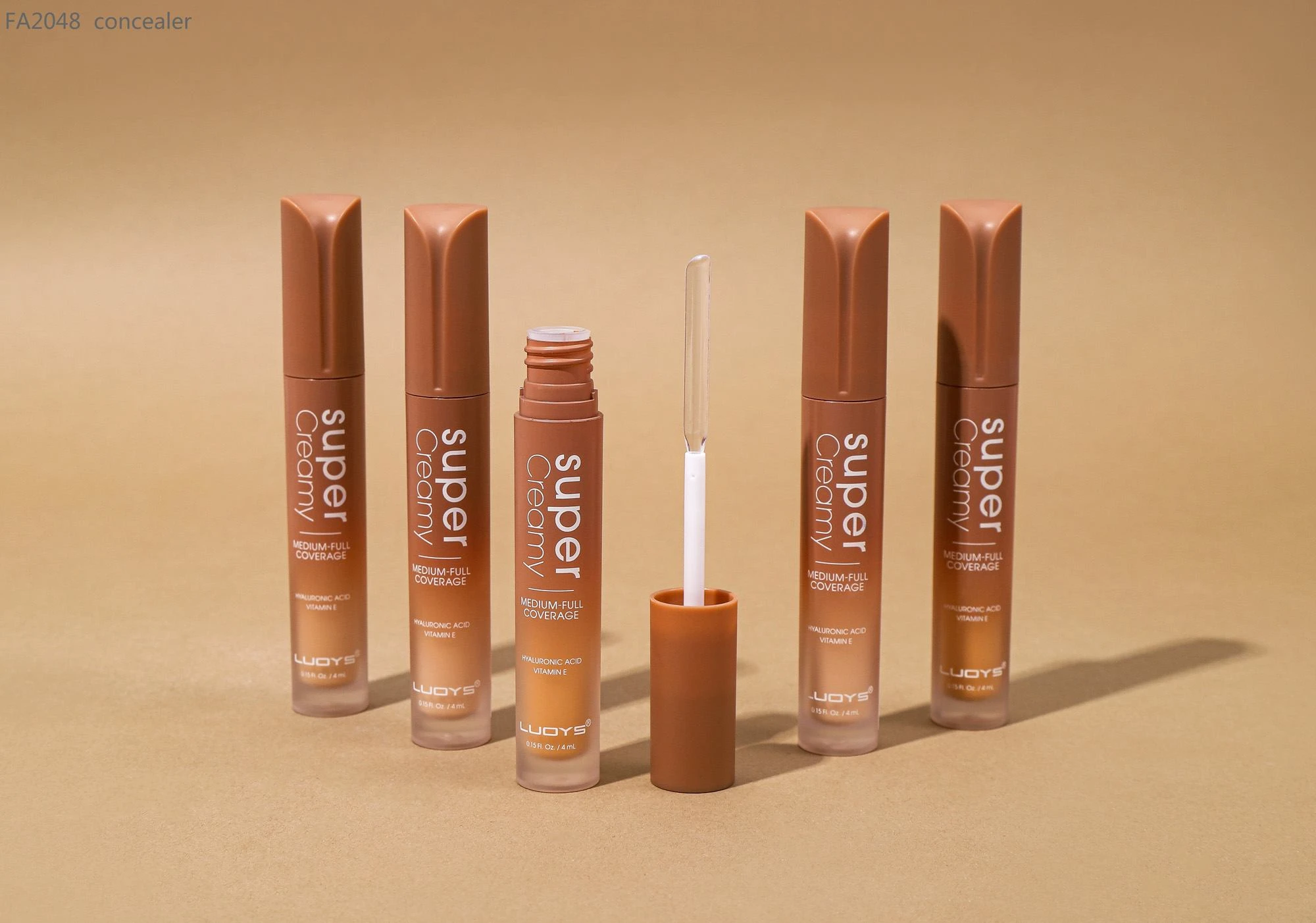
Limei stands out as a go-to B2B cosmetics partner. They specialize in OEM and ODM makeup—think lipstick, lipgloss, mascara, foundation, and face products like concealers. With strong manufacturing roots, Limei runs advanced facilities focused on custom work. Their team handles everything from scratch formulas to branded packaging. They support startups and growing brands alike. Emphasis stays on quality control, innovative textures, and trend-aligned options. Whether you need a high-coverage concealer or something lightweight, Limei guides the full process smoothly. Their experience helps turn ideas into shelf-ready products that connect with buyers.
Conclusion
Building a private label concealer line takes clear steps and the right teammate. From shaping your concept to final production, each part matters. In 2026, the right formula and packaging can set your brand apart. Focus on what customers really want—natural looks, lasting wear, inclusive options. Partner with experienced manufacturers who simplify the journey. Your custom concealer could become the next must-have. Reach out to pros who get it. Turn your vision into reality.
FAQs
What should I prioritize when starting a private label concealer?
Focus first on your target customer and their needs—like coverage for dark circles or hydration for dry skin. Then pick a formula that performs well across tones. Test shades thoroughly. A good partner helps refine it so the concealer blends seamlessly.
How low can MOQs go for custom concealer?
Many manufacturers set MOQs at 1,000 units or higher for full customization. Some drop to 500 for simpler projects or stock bases. Talk openly with suppliers. They often work with smaller brands to find workable numbers.
How long does it take to launch a private label concealer?
Expect 10-14 weeks from concept approval to delivery. Formula tweaks and shade matching take time. Plan ahead—especially if aiming for seasonal drops or events. Solid partners keep things moving steadily.
Can I make my concealer stand out with trends in 2026?
Yes. Add features like brightening agents or skin-like finishes. Inclusive shade ranges matter a lot. Eco-friendly packaging draws attention too. Work with a supplier experienced in current demands to build something fresh.
Why choose an ODM partner for concealer over developing it alone?
ODM cuts huge time and cost. You get access to tested bases and expert tweaks. No need for your own lab. Reliable partners handle regulations and quality checks—letting you concentrate on branding and sales.