

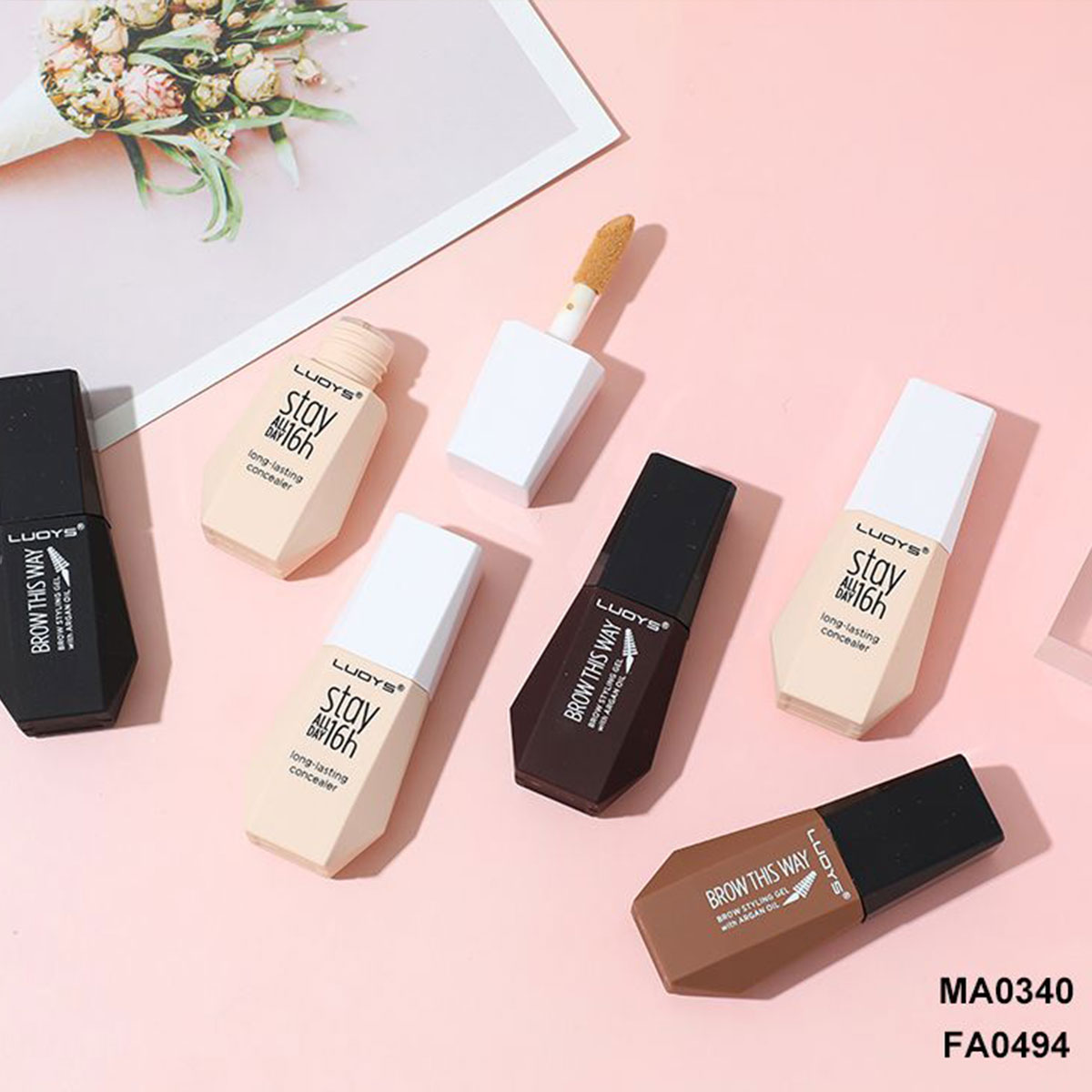
The Anatomy of a Liquid Foundation Production Line: From Raw Material Mixing to Finished Bottle Filling
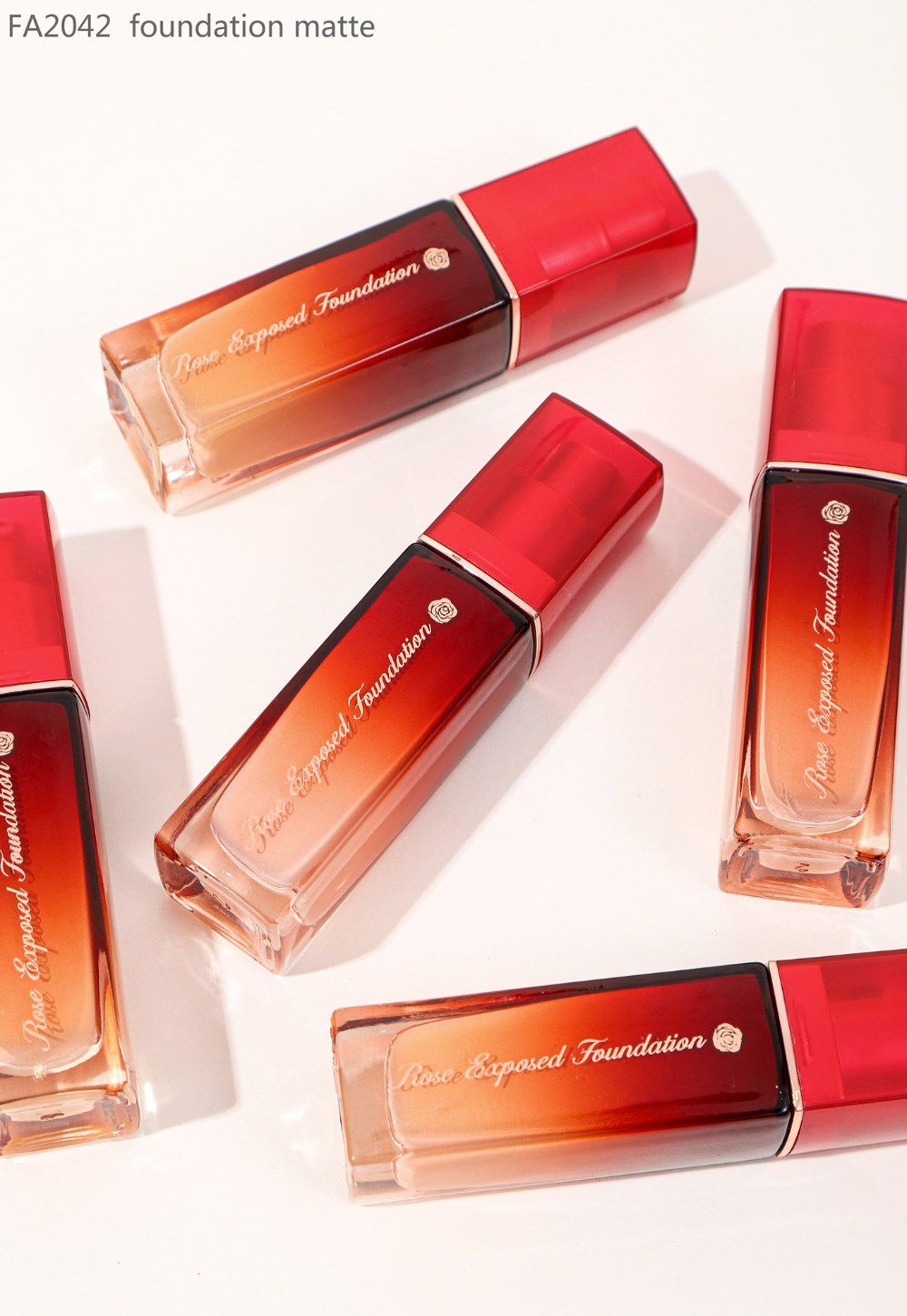
Walk into a busy cosmetics factory on a typical production day. You hear the steady hum of mixers working away. Nozzles click with precision as they fill bottles. Quality checks happen here and there with quick bursts of activity. For any brand launching a new liquid foundation, that whole journey from basic ingredients to a ready-to-sell bottle really decides the difference. Some products separate inside the jar after a short time. Others give smooth, even coverage that lasts for hours on the skin.
If you run a brand or develop products and you’re hunting for a solid ODM partner, it helps to know exactly how a pro liquid foundation line operates. It builds real trust. You see why each step counts. Small choices in the equipment end up shaping how the product feels when someone puts it on. Let’s walk through it all, the way things actually unfold on the factory floor.
Why the Production Line Matters for Liquid Foundation
Liquid foundation lives in a tough spot. It has to mix water and oils into something stable. It needs to spread easily across the face. At the same time, it must hold onto pigments without streaking or changing color too quickly. One weak spot in the whole chain, and you get bottles that look okay in the lab but let customers down after just a few weeks on the shelf.
Today’s lines can manage everything from small test batches to tens of thousands of units in a single shift. The main goal stays straightforward. Create a consistent emulsion that feels light on the skin yet still builds good coverage. Then get it safely into packaging without any dirt or air bubbles sneaking in. Brands that team up with seasoned manufacturers often spot the improvement right away. It shows up in stability tests and in the comments customers leave.
Starting with Pure Water: RO Treatment
Everything kicks off with water. It’s the biggest part of most liquid foundations. Regular tap water carries minerals and tiny bits of stuff that can throw off emulsifiers. Those impurities sometimes cause the whole formula to fall apart later.
Factories send the water through a reverse osmosis system right at the beginning. This step pulls out salts, heavy metals, and microbes. What’s left is water so pure it won’t mess with the delicate balance of the mixture. In real life, skipping this careful water treatment shows up later. You might see color changes or layers separating during stability tests. Smart lines treat water like one of the main raw materials, not just something to fill space.
The Heart of the Process: Vacuum Homogenizing Emulsification
After the water phase and oil phase sit ready in their own tanks, they come together inside the vacuum homogenizing emulsifier. This piece of equipment does the real heavy work. It turns two separate liquids into one silky, stable foundation.
Here’s what it looks like on the factory floor. The oil phase—emollients, waxes, and pigment mixes—gets warmed to the right temperature. The water phase, full of humectants, thickeners, and preservatives, does the same. Then the vacuum emulsifier brings them together under controlled vacuum. That keeps oxidation and unwanted air pockets away.
Inside the tank, high-speed rotors and stators spin fast. They shear the mixture at thousands of revolutions per minute. Tiny droplets form and lock the water and oil together so well that the foundation stays blended even after months sitting on a warm bathroom shelf. Many setups include a scraper blade that constantly wipes the tank walls. Every bit of material gets mixed evenly, no exceptions.
When you compare this to older propeller-style mixers, the difference stands out. Vacuum homogenizers give much better results. Formulas made on basic mixers often need extra stabilizers. They can feel heavier on the skin because the droplets stay bigger and less even. In actual production runs, you notice it in spreadability tests and in how well the product holds up when temperatures swing from warehouse storage to store shelves.
From Bulk Emulsion to Individual Bottles: Filling and Capping
Once the emulsion cools down, it heads over to the filling area. Depending on how many units the brand needs, lines use either semi-automatic or fully automatic liquid filling machines.
For smaller custom runs, semi-automatic fillers give operators good control. They still hit consistent fill weights every time. Bigger orders run on high-speed lines. Pumps push the product through nozzles and into glass or plastic bottles at a steady pace. Sensors keep an eye on every bottle. They catch any that come up short or overflow.
Right after filling, capping and labeling follow. Some lines have torque-controlled cappers that tighten pumps or droppers to exactly the right level. You avoid loose caps that leak during shipping and caps that are too tight for customers to open easily. Inline labelers then place custom artwork with clean alignment. Batch numbers and expiration dates get coded on as well.
A quick visual check or an automated vision system spots problems like crooked labels or trapped bubbles. The bottles then move on to outer packaging. This part seems simple on paper. But doing it right cuts down on returns and keeps the unboxing moment smooth and pleasant for shoppers.
Quality Checks That Protect Your Brand
No serious production line skips testing. Samples from every batch go through checks for pH level, viscosity, color match, and microbial safety. Stability tests run in chambers that mimic heat, cold, and bright light. They help predict how the foundation will behave over its full shelf life.
On the actual floor, operators stay alert for everyday hiccups. Raw material batches from suppliers can vary slightly. Experienced teams tweak mixing times or temperatures based on years of running similar recipes. That practical know-how is what separates average lines from the ones that deliver products brands feel proud to put their name on.
Key Equipment Choices That Affect Output and Quality
Different setups fit different needs. Here’s a quick side-by-side look at common options for liquid foundation production:
- Mixing EquipmentVacuum homogenizing emulsifier versus traditional high-shear mixer. Vacuum type gives better long-term stability and less air mixed in. It works especially well for premium lightweight foundations. Traditional mixers move faster for very basic formulas, but they usually need more stabilizers added.
- Filling MachinesSemi-automatic fillers offer flexibility for small runs or when formulas change often. They suit shade testing nicely. Full-automatic lines deliver higher speed for large orders and more consistent fill levels.
- Packaging IntegrationInline capping and labeling cuts down on extra handling. It lowers the chance of contamination too.
Picking the right mix depends on your target volume and how complex the formula turns out to be. Foundations loaded with pigments, for instance, do better with stronger homogenization so the color doesn’t settle at the bottom.
Limei: Your Experienced Cosmetics Manufacturing Partner
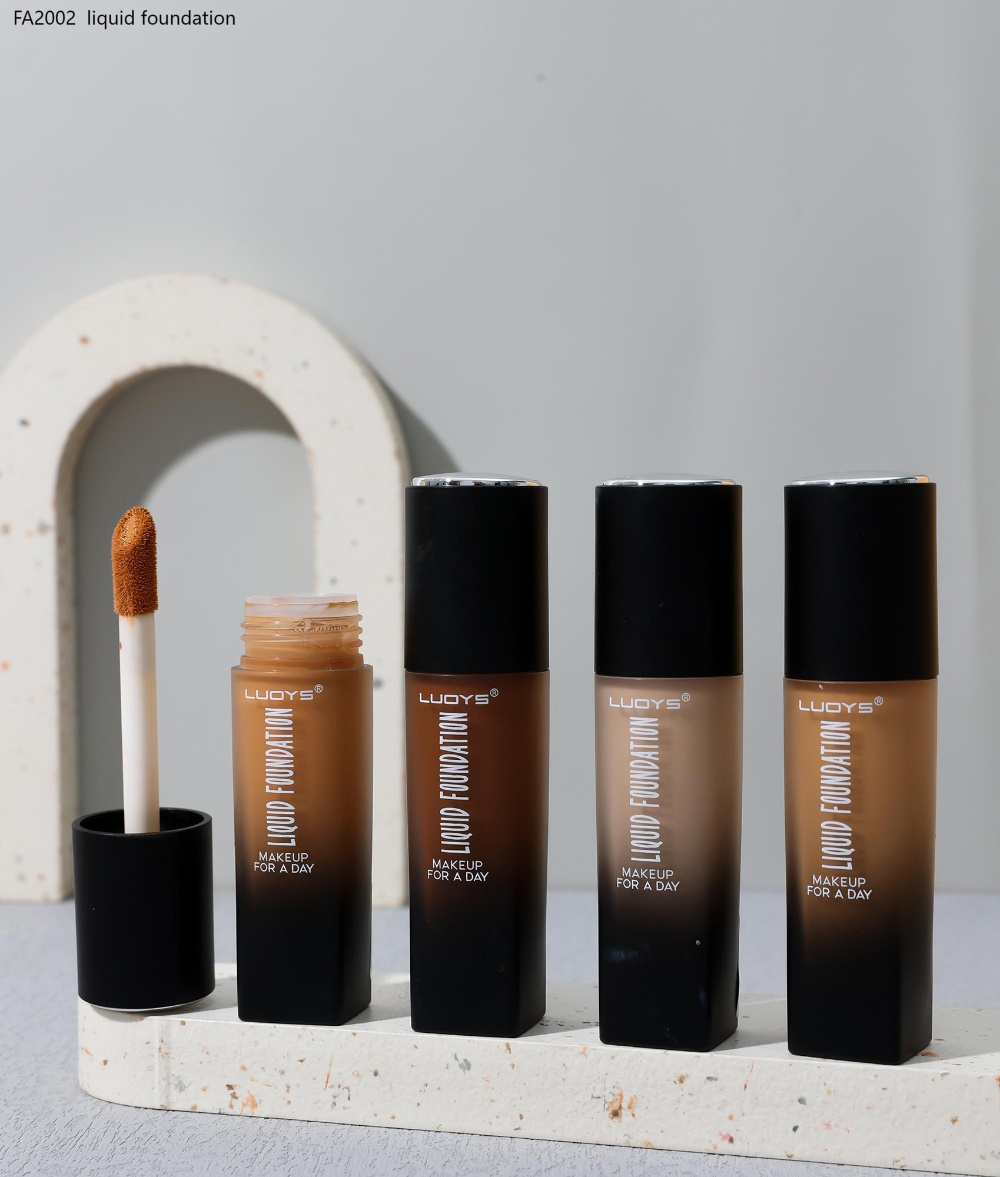
Limei works as a dedicated B2B cosmetics supplier with plenty of hands-on experience in color cosmetics and skincare. The company focuses on helping brands develop and manufacture liquid foundations, along with lipsticks, lip glosses, mascaras, and other items through flexible ODM and OEM services.
With smooth-running processes and up-to-date equipment, Limei manages everything from matching custom shades to handling full-scale production runs. Their emphasis on steady quality and quick responses to client needs makes them a practical choice. Brands that want to grow without losing the right texture or performance often find real value here. Whether you’re rolling out a new range of inclusive shades or refreshing an existing foundation line, teaming up with an established manufacturer like Limei brings solid technical backup to the project.
Conclusion
A well-run liquid foundation production line pulls together careful handling of raw materials, precise emulsification, accurate filling, and solid quality control. Each part builds on the one before it. The end result is a product that works reliably for the people who use it. For brand teams checking out ODM partners, seeing the full picture helps tell real manufacturing strength apart from just nice words. When the process flows smoothly, the foundation doesn’t only look good sitting in the bottle. It delivers the coverage, staying power, and comfortable feel that brings customers back again and again.
FAQs
What makes vacuum homogenizing emulsification better for liquid foundation than standard mixing?
Vacuum homogenizing creates smaller and more even droplets. Those droplets hold the water and oil phases together tightly. You end up with a foundation that stays stable longer and spreads more smoothly. Basic mixing often leaves larger droplets, so the product can separate or feel heavier when you apply it.
How long does a typical liquid foundation production run take from start to finished bottles?
It depends on batch size and how complicated the formula is. Most runs move from raw materials through emulsification, filling, and packaging in one to three days. Smaller test batches finish quicker. Large commercial orders take advantage of the speed that automated filling lines provide.
Can production lines handle custom shades for inclusive foundation ranges?
They sure can. Skilled manufacturers adjust pigment mixes and mixing settings to hit specific shade requests. At the same time, they keep the base emulsion feeling the same across every color. This approach lets brands offer wider shade ranges without hurting texture or long-term stability.
What role does RO water treatment play in the final quality of liquid foundation?
Clean RO water stops minerals from interfering with the emulsion or shifting the color. It basically forms the clean starting point for a formula that performs the same way from the very first bottle all the way to the last one on the shelf.
Why should brands care about the details of their manufacturer’s production line?
Those details show up in the bottle you hand to customers. Stable emulsions, accurate fills, and proper packaging mean fewer complaints, happier users, and a stronger reputation in a crowded market.