

The Art & Science of Custom Eyeshadow Color Matching: From Pantone to Pressed Pan
You know that moment when you open a new eyeshadow palette and the shades just hit right? They catch the light perfectly, blend smoothly, and look exactly like you hoped. Making that happen isn’t magic. It comes down to careful color matching. This process turns a simple idea — maybe a Pantone chip or an old favorite shade — into a finished pressed pan that works every time.
For anyone sourcing custom eyeshadow through ODM work, color matching sits at the center of everything. Get it wrong, and the whole batch can look off under store lights or after a few weeks on the shelf. Do it right, and you end up with colors that feel rich, apply evenly, and stay true from the first pan to the last.
Why Color Matching Matters More Than Ever in Eyeshadow Development
Eyeshadow faces unique challenges compared to other makeup. It has to hold up after pressing, survive packaging, and perform well when someone sweeps it across their lids all day. Shoppers want strong color payoff without any patchiness. They also expect the shade in the pan to match the marketing photos no matter where they use it.
When a client brings a reference, the real work begins. It could be a soft warm brown from a recent collection or a bright jewel tone pulled straight from a Pantone guide. The aim stays simple: turn that inspiration into a formula that feels nice on the skin and looks consistent in different situations.
We’ve run into cases where a shade matched well in the lab but shifted noticeably under bright store LEDs. That’s the kind of issue proper matching fixes early. It considers how pigments behave with binders and fillers, and how the whole mix reacts once it gets pressed into a pan. Small mistakes in the ratios can leave the color looking flat or cause the pan to crack later.
The Step-by-Step Journey: From Client Reference to Lab Formula
Everything starts with whatever the client sends over. Sometimes it’s a clean Pantone number, like a deep teal. Other times it’s a physical swatch from something they already like or even just a photo with notes about the finish.
In the lab, technicians first break the color down. They look closely at the main hue, how light or dark it sits, and any warm or cool undertones. Eyes don’t just need flat color. They need dimension — that soft glow from pearls or the clean depth of a matte base.
Next comes pulling pigments from the approved list. Iron oxides give steady earth tones that last. Organic colors bring brighter pops. Mica particles add that pretty shimmer. The real skill shows in the exact amounts. Add too much of one thing and the shade turns muddy after pressing. Use too little and it lacks that satisfying payoff.
A basic starting mix often breaks down roughly like this:
- 40 to 60 percent base fillers such as talc or mica for smooth feel and good adhesion
- 10 to 30 percent color pigments blended to hit the target hue
- 5 to 15 percent binders and other supporting ingredients
- 1 to 10 percent pearls or special effect particles
These numbers change depending on the desired look. Matte eyeshadow needs more structure and stronger binding to cut down on fallout. Shimmer versions bring in extra mica, which can change how the color reads under light.
Technicians mix small test batches, press them into sample pans, and check everything. They test how it applies on skin-like surfaces, how well it blends, and how it wears over hours. Then they tweak things in tiny steps — sometimes just half a percent more of one pigment — until the sample matches the goal closely.
The Role of Spectrophotometers in Precise Color Measurement
Our eyes do a decent job, but they aren’t reliable enough when thousands of units are on the line. That’s why spectrophotometers have become standard tools.
These machines shine light across the full spectrum onto the sample and measure exactly how much bounces back at each wavelength. The results come out as numbers in the CIE Lab* system. L tracks lightness, a covers red to green, and b handles yellow to blue. A small difference, called delta E, usually needs to stay under 1.0 for the shades to look the same to most people.
Here’s how it plays out in real work:
- Scan the original reference several times under standard daylight-like lighting.
- Build a clear numerical target.
- Mix the first test formula and press a small pan.
- Scan the new pan and compare the delta E value.
- Make small adjustments and test again.
Take one project we handled. The client wanted a gentle rose-gold eyeshadow to fit into a neutral collection. The Pantone reference looked warm in natural light but picked up extra pink under cooler bulbs. The spectrophotometer caught a slight bump in the red numbers. By easing back on one pigment and adding a touch more yellow-toned mica, the team created a shade that stayed steady across different lights. The final pans landed within 0.8 delta E and wore nicely in real tests.
Without these measurements, teams depend only on looking at the color by eye. That can lead to metamerism, where shades match in one light but look completely different in another. In today’s stores, with all kinds of lighting, that problem shows up fast and hurts sales.
Pigment Selection and Blending Techniques That Deliver Results
Picking the right pigments goes beyond just hitting the color. Everything has to work together, stay stable, and meet safety rules.
Iron oxides deliver solid coverage and hold their tone well, but they can feel heavy if you use too much. Titanium dioxide helps brighten things up, though it sometimes mutes shimmer effects. Organic lakes give clean, vivid results but need careful handling so they don’t shift in humid air.
Formulators build the color in layers. A neutral base creates structure and helps the powder stick. The main colorants bring the true hue through. Then special pearls or interference particles sit on top to catch light and add excitement.
Mixing happens in strong equipment to spread everything evenly. After that comes pressing. The amount of pressure, how long it holds, and the binder level all affect how the final color settles. A formula that looks perfect when loose can shift a bit once compressed if the particle sizes don’t match well.
Over many production runs, we’ve noticed certain pairings hold up better. For example, some micas work nicely with specific binders and reduce cracking in bigger pans. These small details turn a decent custom eyeshadow into one that stays looking fresh for months.
Maintaining Color Consistency Across Production Batches
Creating the right shade in a tiny lab sample feels good. Repeating it exactly across ten thousand or a hundred thousand units takes real discipline.
Raw materials can vary slightly from batch to batch. Even the same pigment supplier might send material with tiny differences in particle size or moisture. Factory conditions like humidity and temperature also change how the powder behaves during mixing and pressing.
To stay on track, teams build in several checks:
- Test incoming raw materials with the spectrophotometer right away
- Sample the mix while it’s still in the equipment
- Check pressed pans after they come off the line
- Approve the full batch against the original standard
They also watch trends in the numbers over time. If delta E starts drifting, they catch it quickly and adjust things like mixing speed or binder amounts before too much material gets affected.
Modern automated presses help a lot here too. They apply steady pressure, which leads to more even density in each pan and more predictable color results.
Emerging Tools: AI and Data-Driven Color Systems
The field keeps moving forward. Some manufacturers now bring in AI tools that study large databases of pigments along with spectrophotometer readings.
These systems can suggest starting formulas much faster than before. You feed in the target color data, and they propose blends that keep delta E low while fitting cost and rule requirements. They also warn about possible problems, such as a mix that might fade under sunlight, before anyone starts mixing.
For eyeshadow projects, where trends change quickly and clients often need new seasonal shades, this speed helps a great deal. A brand can share fresh inspiration early in the week and see solid samples by the end. Experienced technicians still review everything and make final calls, but the AI handles much of the initial heavy lifting.
It also lets teams explore options quickly. What if we switch to a more eco-friendly pearl? The system runs the numbers and shows the likely color shift, which cuts down on wasted test batches.
Introducing Limei as Your Cosmetics Manufacturing Partner
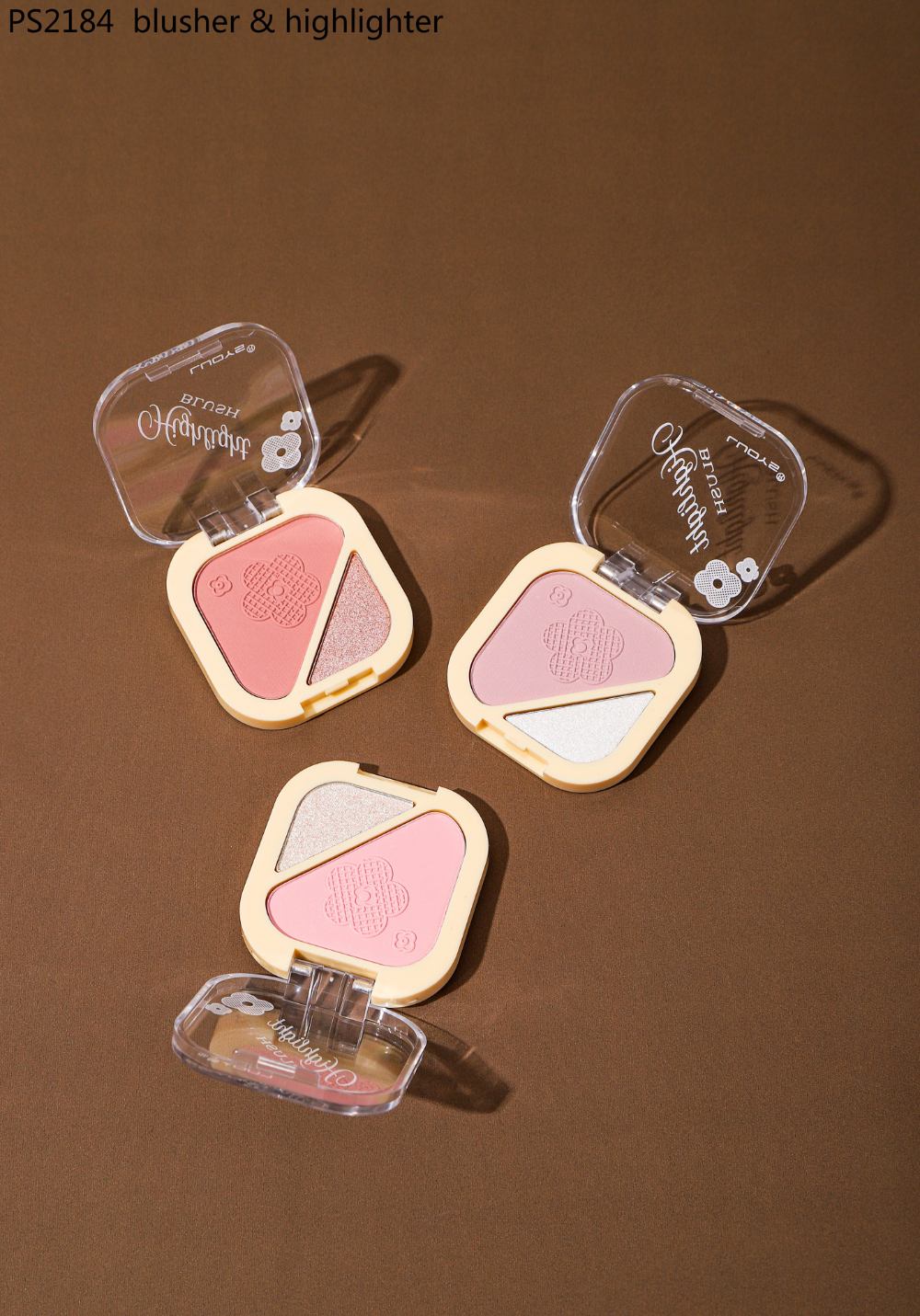
Limei works as a solid B2B cosmetics supplier focused on OEM and ODM services for color makeup. That includes eyeshadow, blusher, highlighter, and other powder products. The company runs a large production base with automated lines built specifically for these items.
The whole approach centers on steady quality at real production volumes. A dedicated R&D team partners closely with clients to shape color ideas into finished goods that meet both performance needs and business goals. Whether the job calls for one special shade or a full matching collection, the emphasis stays on getting the details right and keeping results repeatable — important points when bringing eyeshadow lines to market.
Conclusion
Custom eyeshadow color matching mixes technical accuracy with creative thinking. It starts with a Pantone reference or similar idea, moves through careful measurements and pigment work, and ends with pans that look good, feel nice, and stay consistent.
Brands that put real effort into this step avoid expensive fixes later and create shades people actually love using again and again. In the end, it’s more than just powder in a pan. It’s the confidence that the color will deliver every time someone opens the package.
FAQs
How long does the custom eyeshadow color matching process typically take?
Most projects move from the first reference to approved samples in about two to four weeks. Straightforward matches finish quicker. Shades that need special shimmer or several rounds of changes take a little more time. Once approved, full production usually runs 45 to 60 days, depending on order size.
What kind of references work best for eyeshadow color matching?
Pantone chips offer a clear starting point with numbers behind them. Actual product swatches or good photos also help, especially when combined with measurement data. The more details about the finish and undertones, the easier it is for the lab to land on the right formula fast.
Can you match eyeshadow colors across different finishes like matte and shimmer?
Yes, that’s common. The team adjusts the pigment levels and pearl content while keeping the main hue close. Spectrophotometer checks help the whole family of shades feel connected, even when the textures vary. That way a soft matte taupe and its shimmer version still look like they belong together in one palette.
How do you handle color consistency for large production runs of eyeshadow?
We use several quality steps with spectrophotometer readings at every stage. Raw materials get checked when they arrive. Mixes get sampled during production. Finished pans go through final review. This layered process keeps the delta E numbers tight so the first unit and the last one look and perform the same.
Does AI play a role in your eyeshadow development?
New data tools, including AI-supported matching systems, help create early formula ideas quickly. They speed up the back-and-forth while our technicians still handle the final tweaks. That combination makes sure the pressed eyeshadow pans turn out exactly as needed for real-world use.