

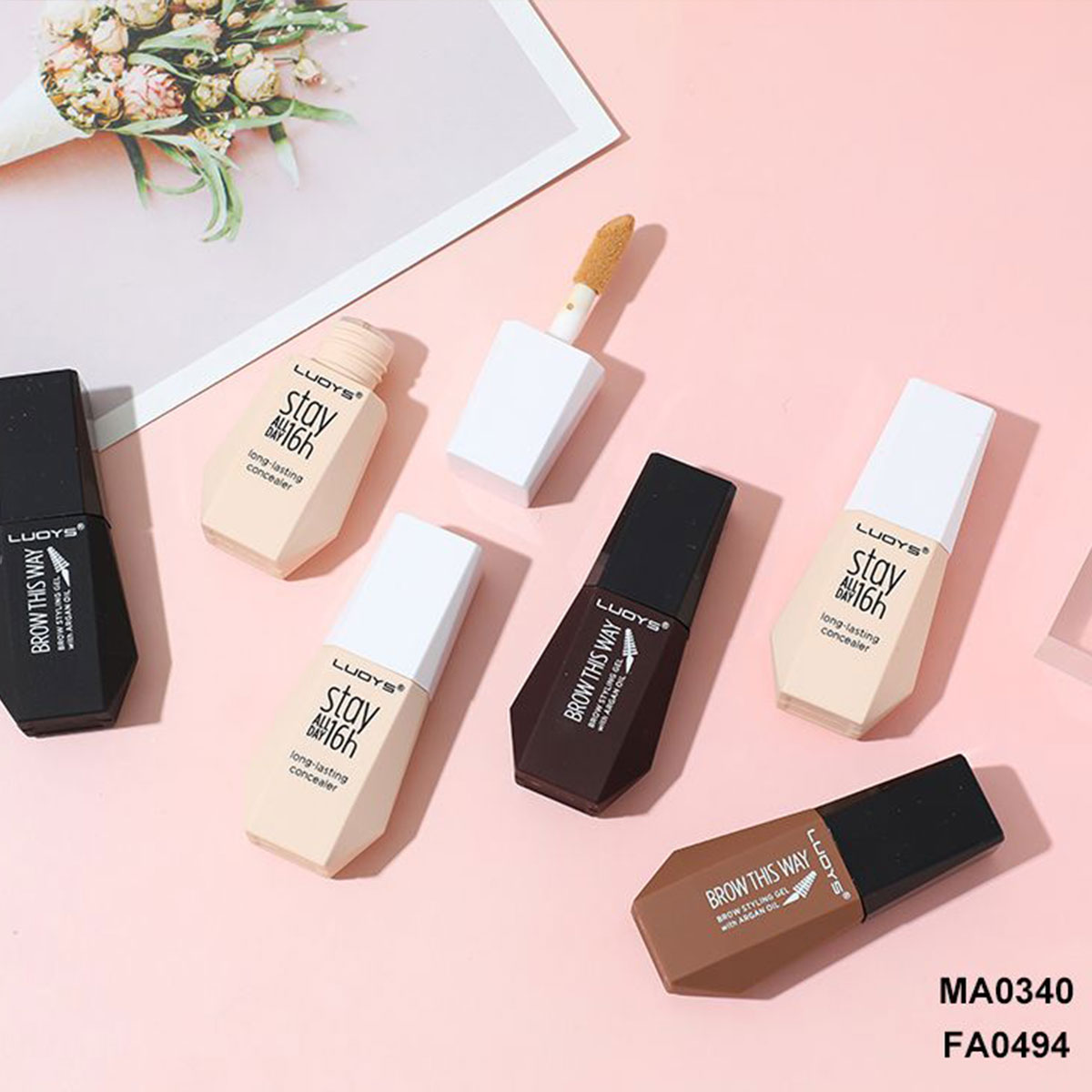
Top 5 Makeup Product Innovations Beauty Brands Are Launching in 2026
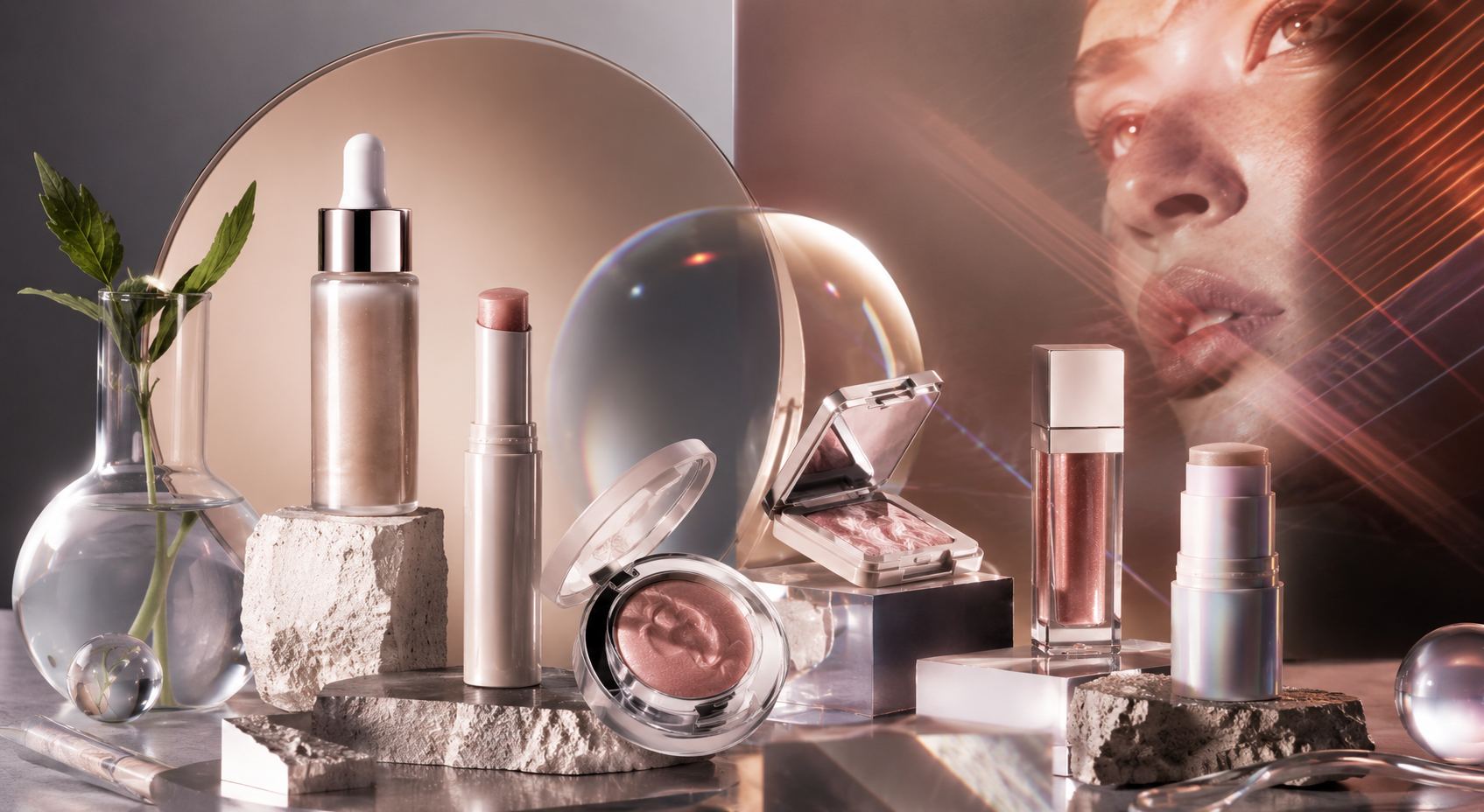
Makeup Product Innovations 2026 for the Beauty industry – for beauty founders, retailers, importers and private-label buyers alike – are not only limited to new shades of makeup and innovative packaging that quickly goes viral. Launching a stable formula with a clear claim, packaged in suitable packaging for the specific sales channel, with realistic MOQs and full documentation to comply with regional legislations and guidelines, is what it takes to stand out in the increasingly competitive market place. When purchasing makeup, key points of comparison for buyers are the product’s performance, texture, shade range, brand’s sustainability story and supplier’s ability to deliver on time. Modern Makeup Product Trends 2026 therefore are highly practical and help to minimize launch risk whilst delivering to the end-consumer a modern, relevant, believable and useful product.
Which makeup innovations are shaping 2026 product development?
We’re witnessing a huge shift towards functional makeup, whereby products will still offer color and creativity but will also offer comfort, care, application ease and clear labeling & communication.
1. Why are skincare-makeup hybrids becoming standard?
An emerging and important trend in 2026 for color cosmetics will be Hybrid Makeup. On the Color Cosmetics Innovation Page for color cosmetics, Mintel highlight hybrid products that contain a combination of Skincare, texture and performance.
For the buyer of make-up this means that foundation, lip products, blushes and primer will contain ingredients to support the functions of hydration, comfort, the feel of a barrier and smooth wear. The risk here is that of over claiming by labelling products ‘skincare-infused’ whilst the main function of the product still needs to be a stable pigment dispersion, to be a consistent shade and for the claims made for it to be supported.
2. Why are sensorial textures becoming more important?
Makeup that feels better to apply to the skin is becoming increasingly important to consumers. Products such as lightweight balm formulas, jelly blushes, serum foundations, blurred lip stains and ‘creamy powders’ are reforming categories to deliver a more premium experience.
Texture innovations for OEM projects have to be tested carefully. The following parameters have to be checked before confirming mass production: viscosity, pay-off, spreadability, dry-down time, transfer, filling conditions, packaging etc.
3. Why are expressive colors and finishes returning?
By 2026 makeup will have come full circle and be all about self-expression, incorporating some of the most vibrant colors and finishes such as shimmer, holographic, soft focus lip colors and playful make up finishes. Allure’s 2026 makeup trend coverage looks at the top trends for the year including colour, experimental makeup and hybrid products that not only provide makeup benefits but also have skincare benefits within them, highlighting a more holistic approach to make up in the year of 2026.
For brands the opportunity to creative within a framework is key. This one bold color requires the typical criteria of shade stability, eye area application, pigment restrictions and repeat formula within batch.
How are packaging and sustainability changing makeup launches?
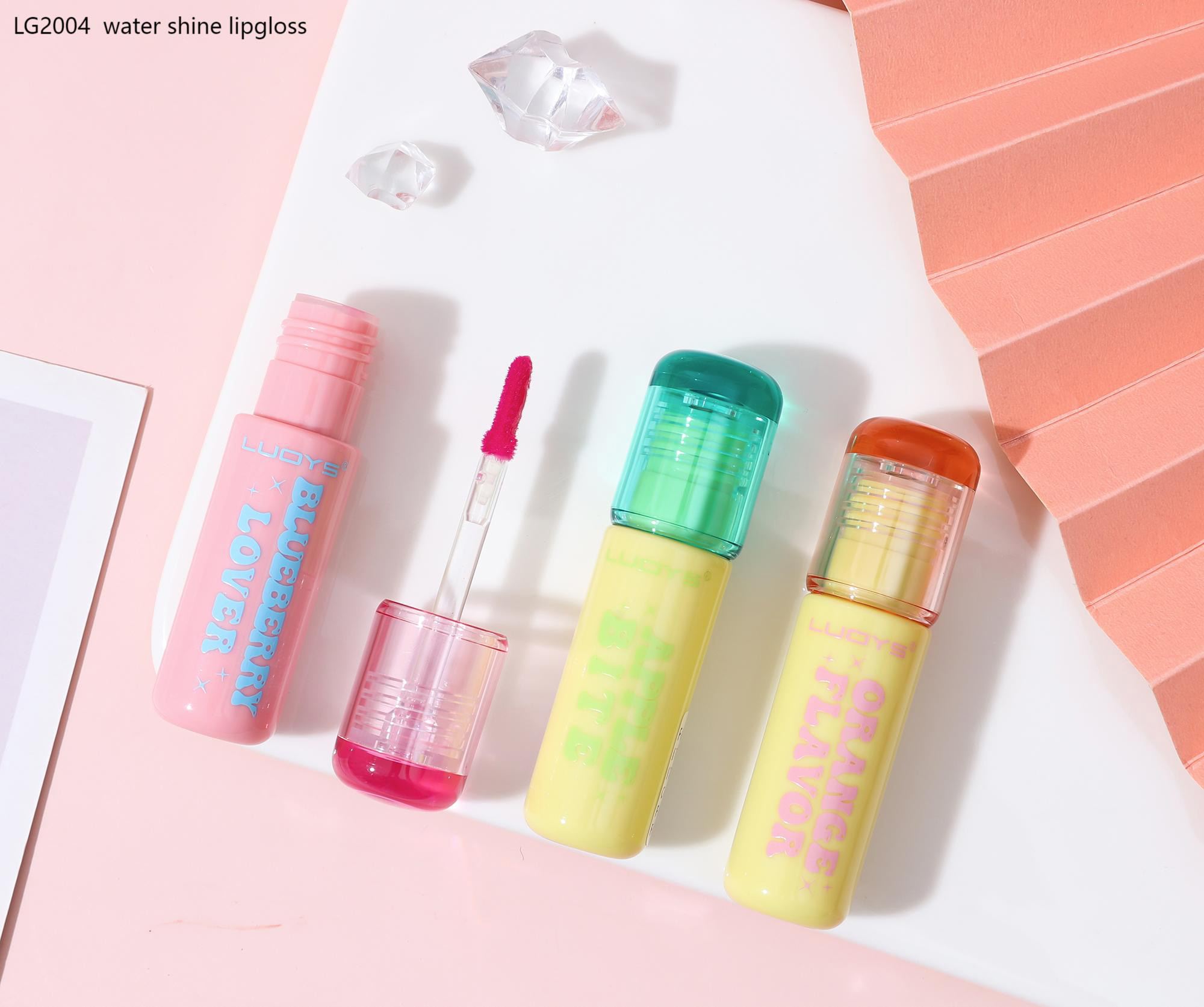
Packaging is now a fundamental component of a product’s strategy. The packaging of a product affects the cost of production, the cost of shipping, the risk of claims, the user experience and the experience that the retailer has with the product.
4. Why are refillable and modular formats gaining attention?
Eco-friendly solutions for sustainable beauty such as refillable lipstick cases, replaceable makeup pans, magnetic makeup palettes and modular makeup compact cases, create a basis for positioning products sustainably and generate repeat business by being easy to use.
It can be complex to design refill systems. The refill and main unit of the device must fit together precisely, the refill must withstand drops, the cap must stay on, and the user must have clear instructions for refilling. If any of these criteria are not met, then the refill may be too difficult to use and thus not be used for a second time.
How should brands avoid weak sustainability claims?
The U.S. FTC Green Guides are intended to guide marketers in avoiding environmental claims that could mislead consumers. Thus, The Green Guides for the cosmetics industry would apply to claims such as those indicating that packaging is “recyclable” or “refillable” as well as to those indicating that a product has less waste, is “eco-conscious” or leads to “sustainable beauty.”
When purchasing, it is important to ask the supplier for details of the packaging materials used, the recycling process, component drawings and information on how to make a claim. A supplier’s self-declaration is not equal to third-party testing or a legal assessment.
How is digital beauty affecting product innovation?
Digital beauty can impact both the way in which consumers interact with brands and how they develop products. Specifically, it allows for the selection of shades, the depiction of textures and for brands to combat the discrepancy between online product images and the actual product itself that customers use.
5. Why are AI-assisted shade tools and virtual try-on influencing launches?
There are new technologies emerging that support AI-assisted shade matching, virtual try-on and digital makeup previews, that will be increasingly relevant for online sales of make-up products. A 2026 research paper is due on the topic of make-up transfer and the paper highlights the challenges of identity preservation and makeup fidelity in real virtual make-up applications.
For B2B buyers this means that the online digital preview must match the physical sample. If the online shade looks different from the delivered products, returns and complaints are likely to occur.
What should brands prepare before using digital tools?
Brands should establish stronger shade standards including approved master samples, verification of shade is taken under same lighting, batch color tolerance, product photography standards and clear way of naming shades.
While digital tools may offer some benefits around conversion, they will not fix poor formula control. The physical attributes of color, texture and packaging must perform consistently.
What compliance and documentation should buyers check?
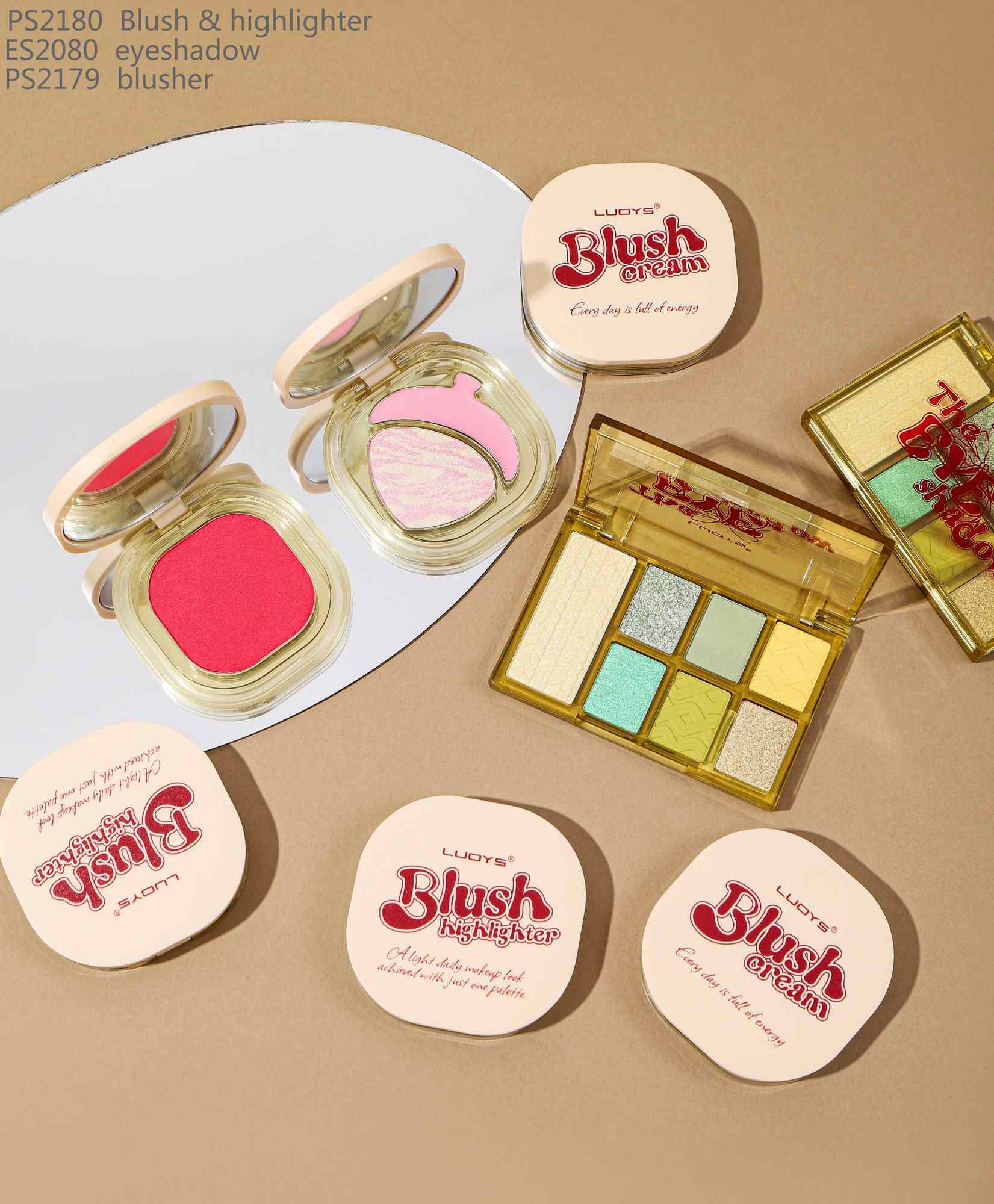
Innovation must not outpace documentation. A cosmetics company needs a product file for the market it is targeting and for the claims on the packaging.
What should EU and U.S. buyers review?
EU’s Commission Regulation (EU) No 655/2013 sets out the common criteria that must be applied when a claim is made about a cosmetic product. These criteria are to be applied to determine whether a claim is truthful, supported by evidence, honest, fair and enables the average consumer to make informed decisions.
Information regarding Facility Registration and Product Listing for cosmetics can be found on the FDA’s MoCRA page. Registration is required for facilities in the U.S. that manufacture, package, label, or hold or store finished cosmetic products for distribution in the U.S. Some small businesses may be exempt from listing products; however, not all products or all companies will be exempt.
What documents should an OEM Makeup Manufacturer provide?
Documents that are worth storing might include Formula specification document, INCI list, Ingredient function notes, Stability testing methodology document, Packaging compatibility data, Artwork files, Batch records, Shade standard documents, and Market specific support documents.
It is also wise to check MOQ, sample revision rounds, filling tolerance, lead time, the sourcing of packaging, and the procedure for dealing with complaints prior to placing a larger order.
Who can support brands developing makeup innovations in 2026?
Zhejiang Limei Cosmetics Co.,Ltd. presents itself through its LUOYS website as a B2B cosmetic OEM/ODM supplier for products such as lipstick, lip gloss, eyeshadow, foundation, and mascara. For brands exploring Makeup Product Innovations 2026, this type of supplier may support formula development, shade adjustment, packaging coordination, sample approval, and private-label production across color cosmetics categories. The product scope may be useful for startups, retailers, and established brands comparing Beauty Product Trends 2026 across lips, eyes, and base makeup. Buyers should still compare formulas, samples, documents, pricing, delivery terms, market requirements, and service expectations before final supplier approval.
Conclusion
The innovation in makeup in 2026 will focus on products that offer a perfect combination of performance, comfort, transparency and practical sourcing readiness. The 5 key trends are: skincare-makeup hybrids, sensorial textures, expressive color, refillable or modular packaging and digital tools that support the right shade. All of these trends offer a lot of innovation opportunities for brands and they differ from each other. However, each trend also raises a number of technical and compliance questions. When launching a cosmetic product in the market, buyers should test the formulas, the packaging, the shade consistency of the product, the claims that are made with the product and the corresponding documents. The best launches of cosmetics are creative and controlled, they can be replicated and are supported by evidence.
FAQs
1. What are the top Makeup Product Innovations 2026?
Our predictions for future trends in the make-up industry include: skincare/make-up hybrids, new sensorial textures, more expressive colors, refillable packaging and digital make-up shade matching tools.
2. Why are hybrid makeup products popular?
Combining color protection with comfort or care benefits for customers. Although key innovations for brands yet to get formula to work and to support claims.
3. Are refillable cosmetics always more sustainable?
No. You need to provide packaging information, consumer use information and evidence in order to enable sustainable claims by brands.
4. What should brands ask an OEM Makeup Manufacturer?
This list contains the key points your customer should discuss regarding your partnership: formula development, sample timing, MOQ, packaging compatibility, shade control, documentation, and market support.
5. How can brands reduce launch risk?
Carefully approve samples, verify claims, read documents, test packaging, check out the shade standards and verify the delivery terms before you start producing.