

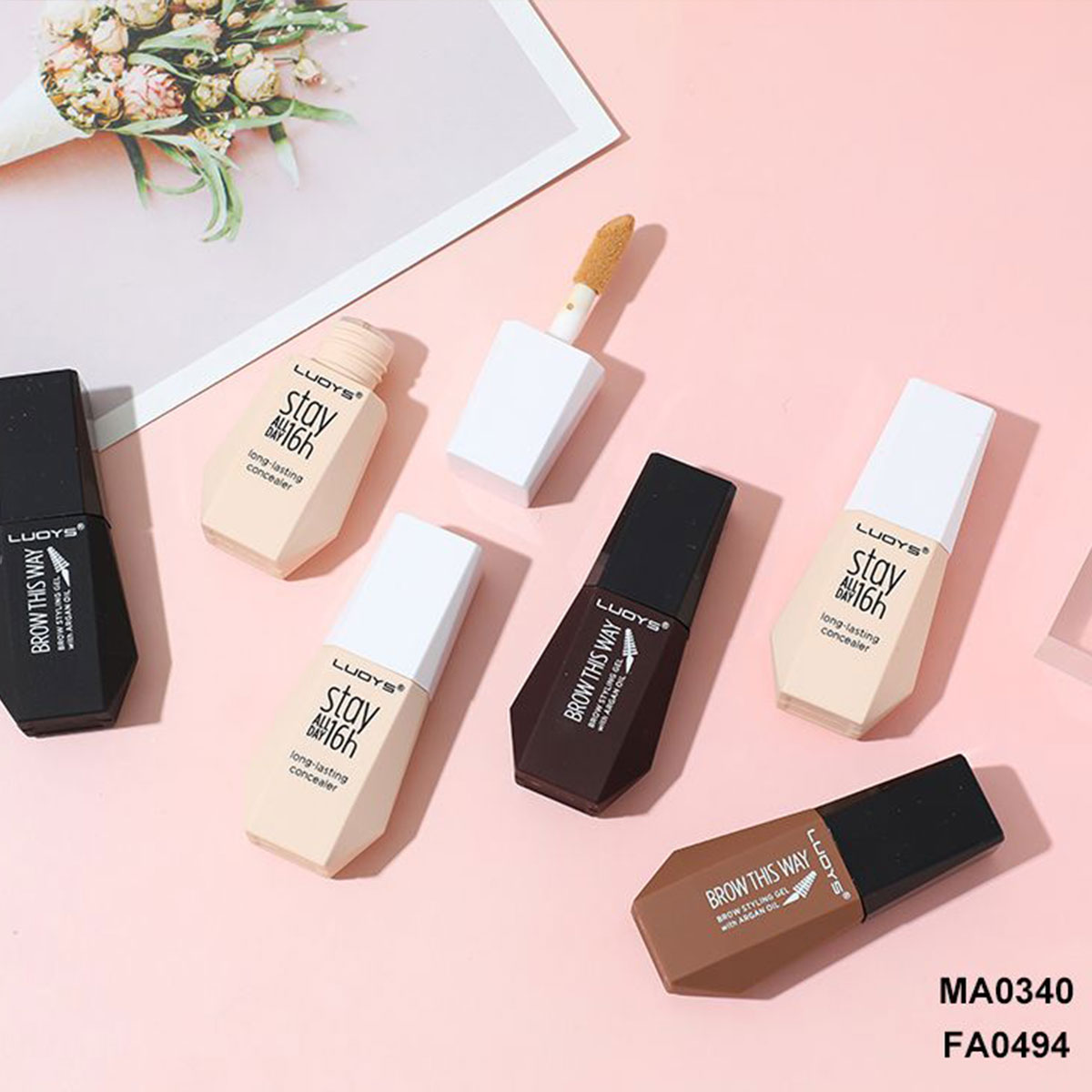
Clean Beauty Is Evolving: What Brands Need Beyond “Natural Ingredients”
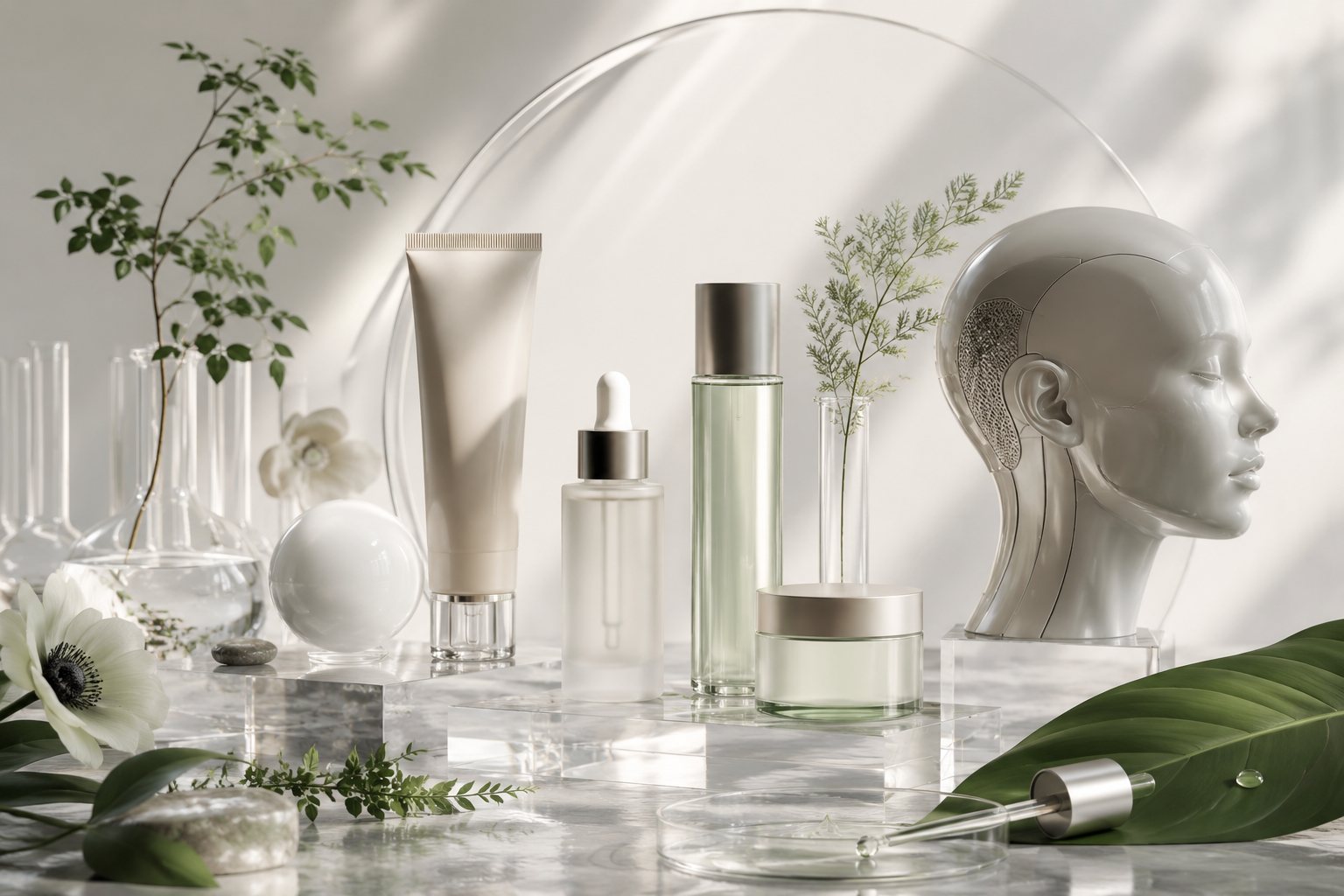
As the category of clean beauty has evolved beyond a simple focus on natural ingredients, importers, retailers and private-label teams within cosmetics brands are demanding a more complete sourcing and product development process to support their forays into clean beauty, sustainable beauty and transparent beauty. While a product can contain plant-derived ingredients and still present risk, this is typically the case where the formula is unstable, the label claim is vague and the supplier is unable to provide relevant product information. By 2026, brands will need to offer more than a natural ingredients list in order to compete in this space.
Why is “natural ingredients” no longer enough for clean beauty brands?
Many consumers are looking for natural-positioned cosmetics. Professional buyers on the other hand recognize that “natural” does not equal safety, performance or compliance. Natural formulas have to be suitable for the intended use of the product, have to be supported by adequate documentation and have to be marketed in an adequate way with claims that can be justified.
Why can natural claims create risk?
“Natural” can have different meanings in various markets, in retail and in certification. A natural ingredient is not automatically safe to use and can cause all kinds of problems, such as irritation, discoloration, oxidation, microbial contamination and formula instability if it is not chosen or preserved correctly.
For B2B buyers it is safer to look at the full formula concept, the function of each ingredient, the preservative system, packaging compatibility and the claim wording. A clean beauty product should clearly state what the product does and what evidence they have to support the claim of that function.
What do buyers check before approving a clean beauty formula?
Buyers who have purchased from a supplier before may review certain information about a formula, such as the INCI name for each ingredient, a list of restricted substances used in the formula, information about allergens used in the formula, where the fragrance is positioned in the formula, the type of preservative used in the formula, the color stability of ingredients used in the formula, the texture of the finished product, the shade consistency from batch to batch, and the expected shelf life. For color cosmetics, buyers may also review the amount of color payoff, how the product wears, how the product transfers, the filling tolerance of the packaging, and the likelihood of leakage from the packaging.
A brand can position itself in a ‘clean’ way as long as the formula performs well. A lipstick that breaks, or a mascara that dries out too fast, will not protect a brand from complaints with an ‘ingredient story’.
How are regulations changing beauty claim expectations?
Clean beauty claims are not just something to be evaluated by the marketing team behind a product. Claims can be reviewed by a variety of groups, including regulators, retailers, online platforms and individual consumers. As such, claim discipline is a critical aspect of a product’s development.
What should EU-focused brands know?
When placing cosmetics on the EU market cosmetic product claims have to fulfill a set of common criteria according to Commission Regulation (EU) No 655/2013. These criteria focus on truthfulness, sufficiency of evidence, honesty, fairness and decision making ability of the consumer. Claims such as “clean skin”, “gentle”, “free from” or “sustainable” have to be checked prior to launch on the market.
Buyers need not throw out the baby with the bath water and ban all claims. Rather, a claim must reasonably match the product’s formula, be supported by adequate testing, accompany appropriate labeling, and be interpreted by consumers as intended.
What should U.S.-focused brands know?
In the United States, the FDA’s MoCRA framework includes facility registration and cosmetic product listing requirements for many cosmetic businesses, with FDA guidance updated for industry use. Brands sourcing cosmetics for the U.S. should discuss facility roles, product listing responsibilities, safety substantiation, and adverse event processes with their regulatory partners.
Marketing also needs care. The FTC Green Guides are designed to help marketers avoid environmental claims that mislead consumers, which is relevant when brands use terms connected with sustainable beauty, recyclable packaging, or reduced environmental impact.
What does transparent beauty require from suppliers?
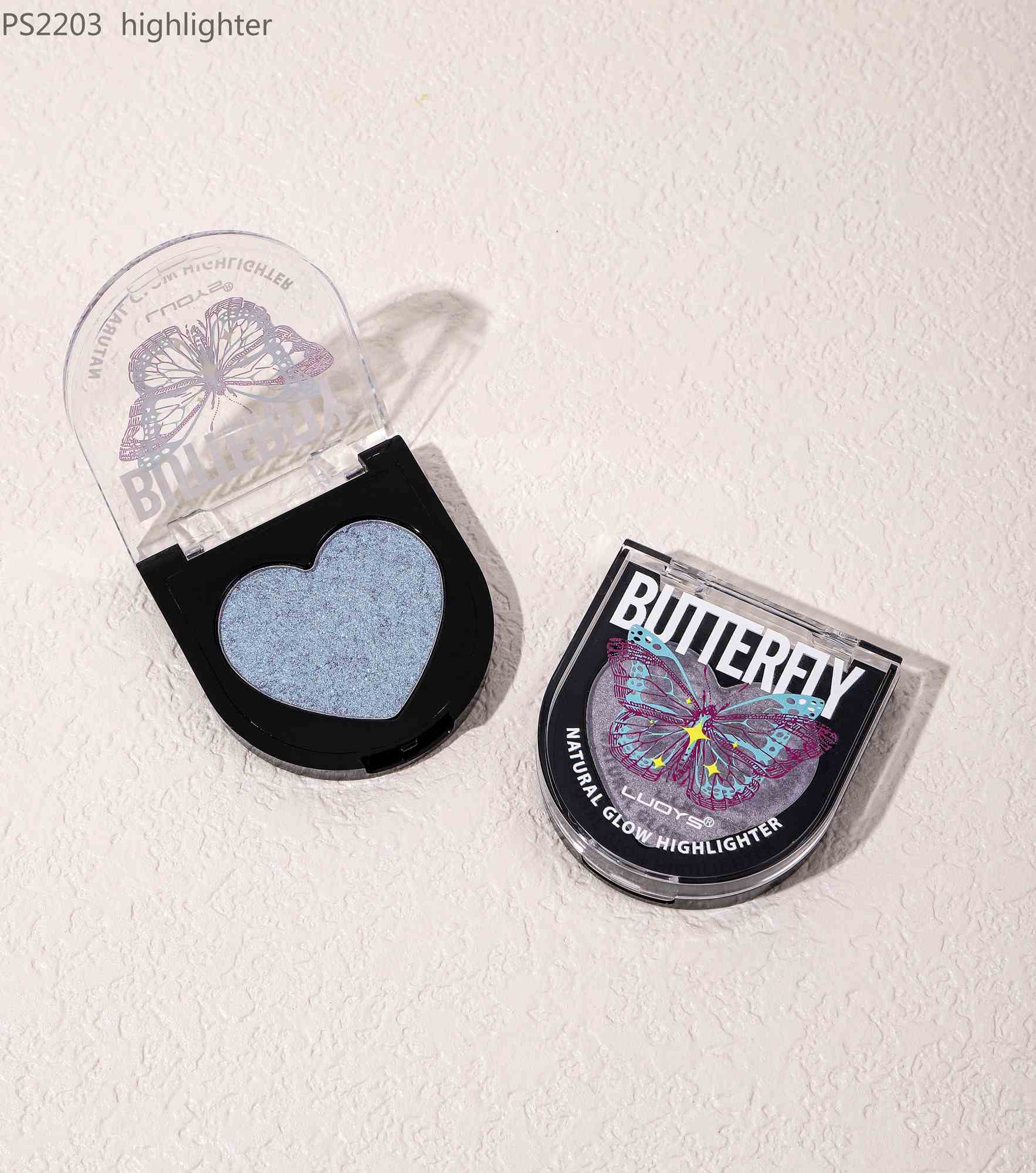
Transparency in beauty means more than listing all the ingredients of a product. A brand needs to be able to explain the reasons behind choosing certain ingredients, to be able to justify its claims and to refer to the relevant documents and information when a buyer, retailer or even government wants to see them.
Which documents should brands request?
Files like formula specs, INCI lists, descriptions of how individual ingredients work, stability testing plans, packaging compatibility, safety assessment support, production batch files, and labeling files are useful to have. For color products like lipstick, blush, etc. also shade standards, sample approval files, packaging artwork control files.
A supplier’s self-declaration only has value when it is clear what is being declared. It should not be confused with third-party test reports, with a regulatory review, with product registration or with certification.
How can transparency support retail approval?
There are several things that retailers want during the onboarding process of a new product. First, they want a clear positioning of the product. Second, they want consistent claims about the product. Third, they want evidence that the product delivers on the promises made about the product and meets the requirements of the market. We at Transparent beauty help reduce uncertainty for retailers during the onboarding process of new products.
For example a vegan lipstick brand would look into ingredients, processing aids, colorants and supplier declarations for a recyclable packaging claim a brand would look into packaging material and market specific recycling information.
How can brands balance sustainability, performance, and cost?
Sustainable beauty formulas are more than just green packaging with plant-derived ingredients. Formulas have to perform, packaging has to protect the formula, the formula has to last on the shelf, in storage, and in transport. There are also minimum order quantity, filling rate, and consumer use constraints.
Which trade-offs should buyers expect?
A glass bottle, for example, might feel right for a premium offer that’s also to be recyclable in the countries where it’s being sold. However, it increases the weight of the packaging and the risk of breakage. A refill concept saves on packaging but has components that must fit together precisely and requires an informed and cooperative consumer. A formula with a high proportion of natural ingredients is right for a brand position, but is also more sensitive in terms of stability review.
When purchasing products, do not make sustainability the single criterion for choosing materials. It encompasses a full product decision.
What practical checklist helps before launch?
A short buyer checklist can reduce risk:
-
Confirm target market and product category
-
Review INCI list, claims, and label wording
-
Check stability, compatibility, and filling conditions
-
Confirm MOQ, sample timing, and artwork approval
-
Request relevant documents for the sales region
-
Separate supplier claims from verified evidence
-
Review packaging protection and transport needs
Assess the cosmetics suppliers by their practical readiness to deliver instead of just evaluating the current trends in their formulas.
How should brands choose an OEM or ODM cosmetics partner?
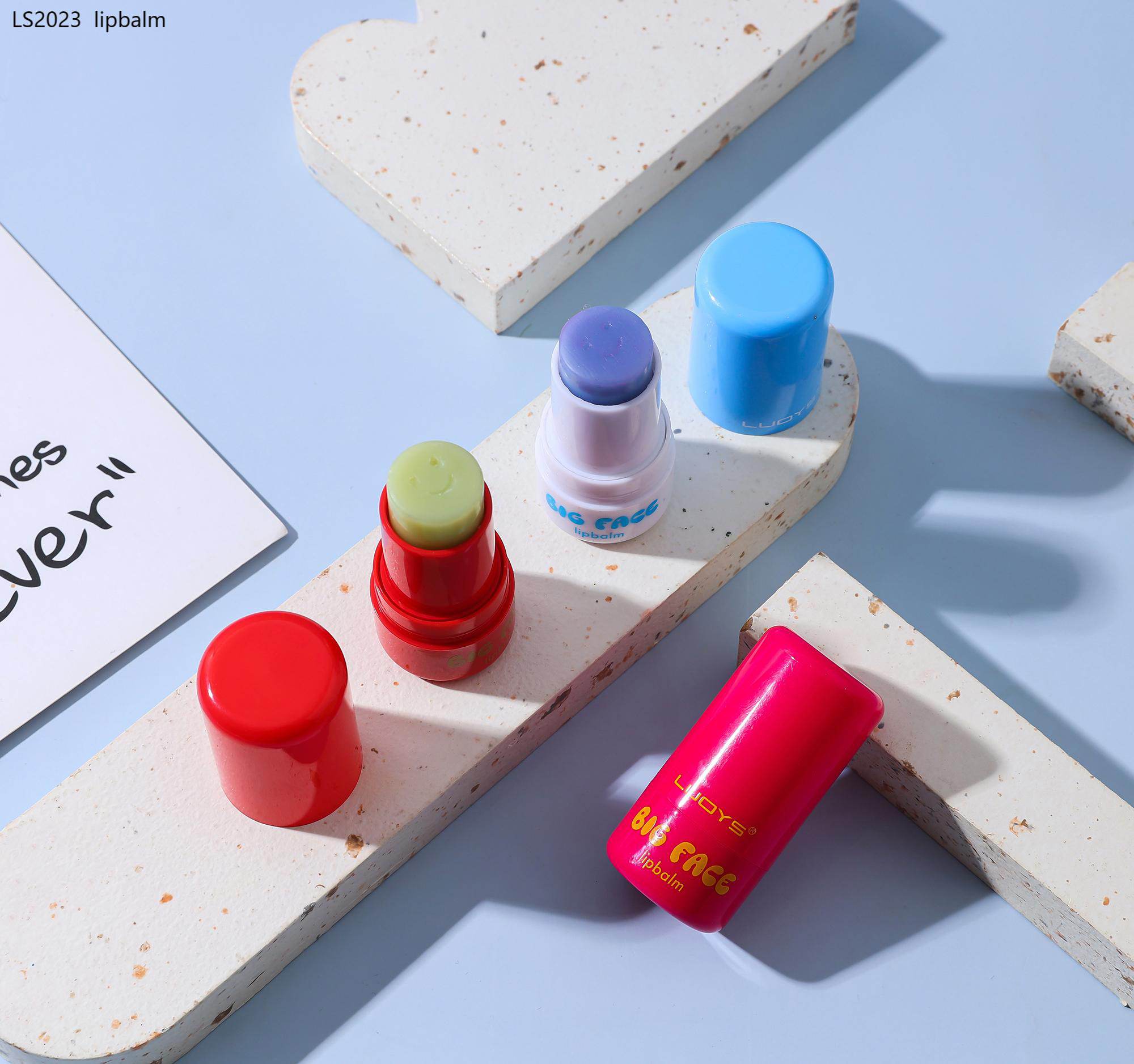
When choosing a supplier it is important to consider how the supplier discussion will affect the formula, the launch time, the documentation and the after sales service. Therefore the supplier discussion should focus on the supplier’s ability to be creative with the product and to control the operations.
What questions should procurement teams ask?
It is good to ask supplier a few questions like: Does supplier support OEM / ODM? Can supplier adjust formula? Can supplier match shade? Can supplier develop sample? Can supplier source packaging? Can supplier fill products? Can supplier apply labeling? Can supplier prepare required documents? What is supplier’s lead time? What is supplier’s MOQ? How many revision rounds are allowed? Is batch to batch consistent? How supplier handles complaints?
We are not looking for a supplier who will say yes to all trends. We are looking for a supplier who can explain the trade-offs.
What warning signs should buyers watch for?
Be wary of claims made by a supplier if they do not support these claims with documents. Also be wary of a supplier who does not want to discuss the ingredients in a product. Ask a supplier about packaging compatibility for future use. Be cautious of a supplier who promises that a product file for use in one country will automatically cover all other countries around the world for use in the cosmetics market, as requirements for cosmetics can vary from country to country. A single product file is not likely to be enough to cover all of the requirements for all countries.
We review the key points of the sample approval; performance, texture and smell, color, filling, how packaging fits and approval of labels before starting mass production.
Who can support brands developing cleaner and more transparent cosmetics?
Zhejiang Limei Cosmetics Co.,Ltd. presents itself through its LUOYS website as a B2B cosmetic OEM/ODM supplier for products such as lipstick, lip gloss, eyeshadow, foundation, and mascara. For brands developing clean beauty, sustainable beauty, or transparent beauty product lines, this type of supplier may support formula development, color cosmetics production, packaging coordination, sample review, and private-label project needs. The product scope may be useful for startups, retailers, and established brands comparing cosmetics concepts across makeup categories. Buyers should still compare formulas, samples, documents, pricing, delivery terms, market requirements, and service expectations before final supplier approval.
Conclusion
Clean beauty is moving from a simple natural ingredients position to a more structured approach to formulation, claims, packaging and documentation to ensure products are safe, stable, clearly labeled and meet the needs of the target audience. When considering a sustainable beauty decision, you need to consider the packaging, transportation, shelf life and user experience. The brand with the strongest position in 2026 will not be one that simply claims to offer natural products, but rather one that is credible, practical and backed up by robust data and supporting arguments. A supplier of transparent beauty products will provide supporting documentation and clearly explain the trade-offs they have made in developing a product.
FAQs
1. Is clean beauty legally defined?
Not all the time. For a brand, “Clean beauty” is usually just a marketing term so they need to clearly explain it and then back up any claims made with a review of the formula and supporting documentation.
2. Are natural ingredients always safer?
No. Even if an ingredient is natural it still must go through safety, stability, preservation and compatibility review.
3. What documents should cosmetics buyers request?
INCI lists, formulation documentation, stability protocols, packaging compatibility studies, safety data, labeling archives, as well as country-specific documentation and resources.
4. How can brands avoid greenwashing?
They should make specific, truthful, and evidence-supported environmental claims instead of broad claims such as “eco-friendly” without context.
5. What matters most when choosing a cosmetics OEM or ODM supplier?
When comparing between suppliers one should compare formula, sample quality, documentation, MOQ, lead time, packaging, claim discipline and after sales communication.