

From Trend to Shelf: How Global Beauty Trends Become OEM Makeup Products
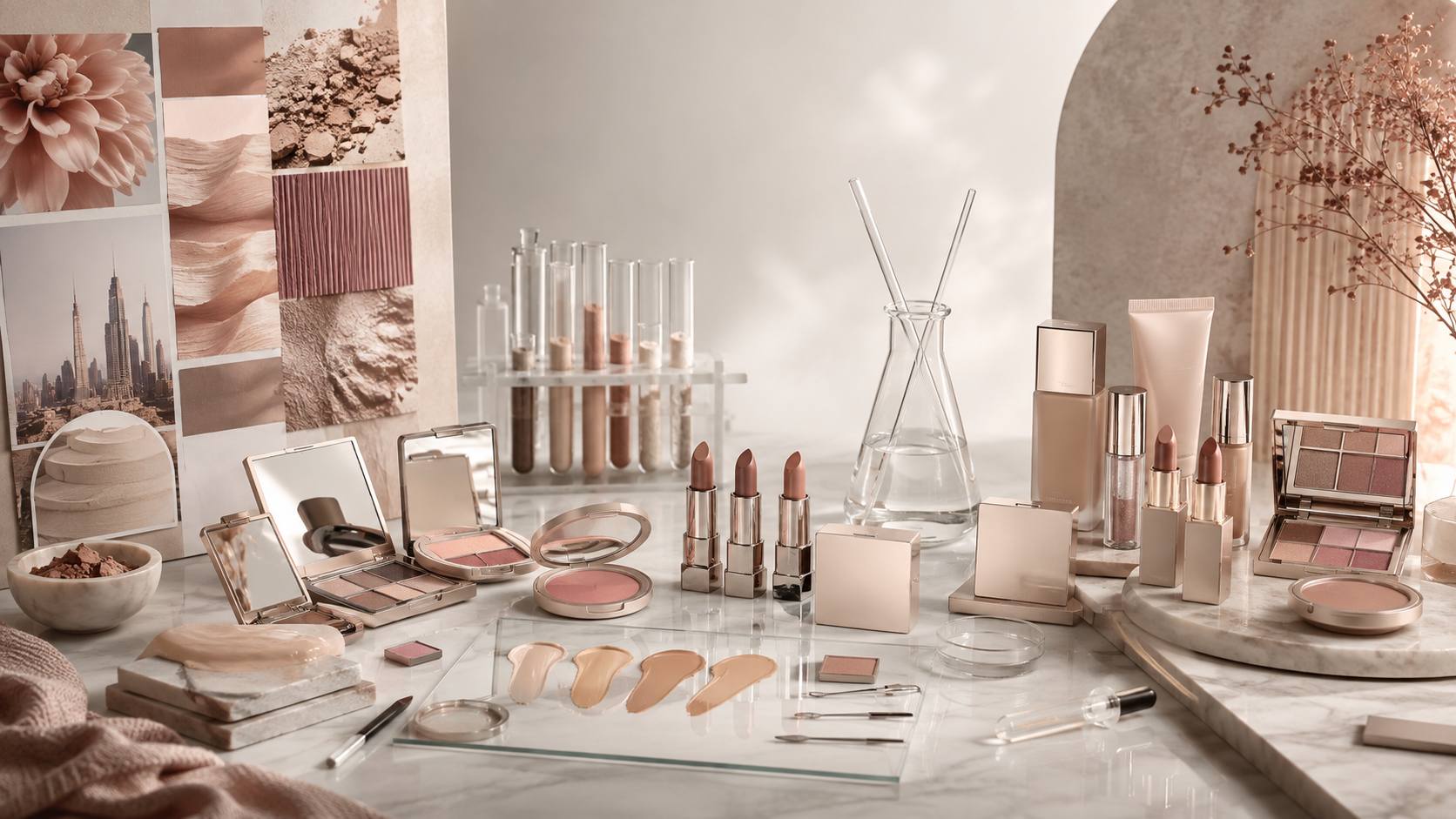
A beauty trend can go from the social media feed to retail meeting rooms in a matter of weeks, while its journey to OEM makeup products is much slower and less obvious. A viral look, an unusual tool, a new shade, or a concept that blends multiple categories has to get through a series of formulation decisions, product development, packaging, regulatory affairs, cost design, and pilot testing before it becomes a purchasable sample. Thus, for brand owners and sourcing managers, the central question is not what trends to follow, but rather what to extract and reinvent from them. A successful launch will take the best parts of a trend and shape them into a feasible design brief with specific performance and commercial requirements.
How should brands decide whether a global beauty trend is worth turning into an OEM makeup product?
The first filter is not popularity. It is product fit. A trend should make sense for the brand’s customer, price point, channel, and existing assortment. A highly visual effect may work well for a limited-edition blush or highlighter, while a texture trend may be more valuable when applied to an everyday lip or complexion product.
Brands should also separate the trend signal from the product mechanism. “Glass skin,” for example, describes an appearance. The OEM brief still needs to define coverage, finish, viscosity, transfer resistance, wear, shade range, and compatibility with the intended package. The same logic applies to blurred lips, jelly textures, chrome effects, soft-focus powders, or multifunctional makeup.
What makes a trend commercially usable?
Look for a consumer benefit that does not rely on the trendy aspect of the product. If you still find the product desirable after the hashtag dies, you have something that could become a recurring SKU. Ask yourself whether the customer will need multiple shades or require any special components, and whether the trend could lead to dead inventory if it fails to take off.
How does an OEM team convert a trend into a workable formula brief?
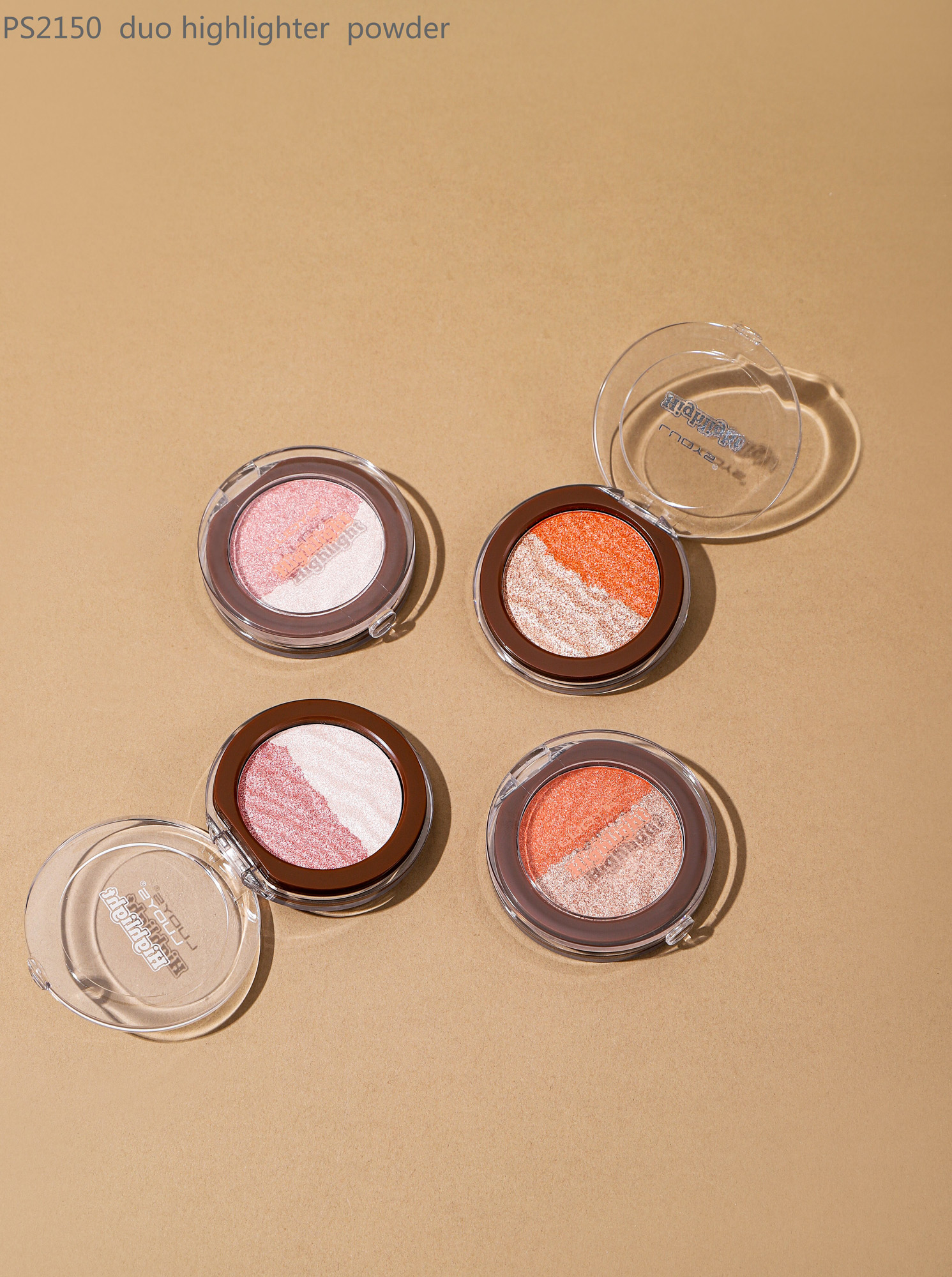
A mood board is nice, but it is not specification. The dev team needs a target or equivalent product that serves as a benchmark, and a set of quantified preferences, e.g. payoff, glide, drying, tack, opacity, finish, hardness, viscosity, fragrance direction, applicator dynamics, and wear expectations.
The brief should also identify non-negotiable requirements early. These may include excluded ingredients, target markets, vegan positioning, color restrictions, desired packaging, target cost, and launch timing. For color cosmetics, pigments cannot be selected only by visual preference. In the United States, color additives must be permitted for their intended cosmetic use, and some are subject to certification requirements.
How much should the first sample try to achieve?
Enough to test the concept, but not every detail at once. The first sample should answer the biggest technical question: can the desired texture, finish, payoff, or application behavior be achieved within the agreed constraints? Shade refinement and packaging decoration can follow once the base direction is viable.
What testing is needed before a trend-driven makeup product moves to mass production?
Fast development does not rule out the necessity of a stable end-product. Trend formulas can include exotic textures, increased pigment content, new combinations of pearls, volatile systems, or packaging shapes that are fundamentally different from the characteristics of the brand’s own cosmetics. Each change can affect stability, dispensing, appearance, or wear.
A reasonable development plan can include stability observation, temperature stress, microbiological controls where relevant, shade or batch consistency checks, and packaging compatibility with the actual component. FDA does not prescribe one universal cosmetic testing program, but manufacturers and distributors remain responsible for ensuring marketed cosmetics are safe when used as labeled or customarily expected.
Why should production-intent packaging be tested early?
Because an applicator is part of product performance. A lip-gloss wiper can change dosage. A cushion sponge can affect pickup. A mascara brush can change separation and deposit. A pump can struggle with high viscosity. If the package and bulk are developed separately, a product that looked convincing in the lab may fail during everyday use.
How should packaging, shade range, and MOQ be planned without slowing the launch?
Trend launches are often under time pressure, so buyers need to identify which decisions truly require customization. A custom mold, unusual closure, complex decoration, or large shade assortment can add sourcing and approval steps. Using an existing component with customized color, printing, or labeling may shorten the path when speed matters more than structural novelty.
Shade planning also deserves restraint. A broad range is tempting, but each additional shade will generate its own set of sample, pigment, production, stock, and forecasting liabilities. Begin with shades that most clearly communicate the trend and meet the needs of your target market, and expand the palette once demand is established.
MOQ should be discussed at the same time as packaging and formula complexity. It is not simply a factory number; it can be influenced by bulk manufacturing, component purchasing, decoration, filling efficiency, and the number of variants.
When is customization worth the extra time?
Use it where consumers can notice the difference. A distinctive applicator, finish, texture, or shade architecture can justify additional development. Hidden complexity that does not improve use, appearance, positioning, or compliance may only lengthen the schedule.
How can brands keep a fast trend launch compliant and commercially scalable?
The target market must be identified before finalizing the product formula. In the EU, cosmetic products are subject to composition, safety, labelling, responsible-person, and notification requirements, as well as regulatory annexes, which define, among other things, permitted colourants, preservatives, and UV filters.
That matters because a trend may originate in one market and be commercialized in another. A pigment, claim, active concept, or package statement cannot simply be carried across borders without review. Buyers should also distinguish cosmetic claims from drug-type claims in the United States, where wording about treating disease or changing body structure or function can alter regulatory classification.
Scalability comes next. The approved sample should be translated into controlled production instructions, raw-material specifications, shade standards, packaging requirements, and quality checkpoints. A trend becomes a business only when the second and third production runs can reproduce the first.
How can an OEM manufacturer support trend-to-shelf makeup development?
Zhejiang Limei Cosmetics Co., Ltd. has provided OEM and ODM cosmetic services since 1993 and operates a 20,000-square-meter facility in Yiwu, Zhejiang. Company materials describe more than 300 employees, with dedicated R&D and quality-control personnel, as well as production lines for lipstick, lip gloss, eye products, powders, foundation, filling, labeling, and packaging. Its process includes sample development, formula and color customization, stability and temperature testing, preservative testing, microbiological and heavy-metal checks, and a stated production cycle of about 45–60 days. That combination can support brands that need to move from a trend reference to an approved formula, compatible package, controlled production plan, and finished makeup SKU.
Conclusion
Turning global beauty trends into OEM makeup products requires more than speed. Brands need to pinpoint the durable consumer benefit, define the technical brief based on it, conduct the formula testing with the chosen packaging, carefully manage the shades and MOQ, and analyze the requirements for the market before production. Trend products may be inspired by an image or a surface, but the shelf-ready product requires a reliable specification, manufacturing process control, and a well-defined launch plan to drive the demand after the initial spike.
FAQs
1. How long does it take to turn a beauty trend into an OEM makeup product?
Timing depends on formula complexity, sample revisions, packaging availability, testing, shade count, and order planning. Existing formulas and components can shorten development, while new textures, custom molds, or multiple markets usually require more coordination.
2. Should a beauty brand copy a viral makeup product exactly?
No. Buyers should identify the transferable consumer benefit, then create their own formula, shade direction, packaging, and positioning. Direct copying can create differentiation problems and may introduce technical, intellectual-property, or supply-chain risks.
3. What should be included in an OEM makeup product development brief?
Include target user, product format, reference texture, finish, payoff, wear expectations, shade direction, target markets, ingredient restrictions, packaging preferences, cost range, MOQ expectations, launch timing, and any claims requiring technical or regulatory review.
4. How many shades should a brand launch for a trend-driven makeup product?
The right number depends on category, target customer, channel, and inventory capacity. A focused opening range can reduce sampling and stock risk while still expressing the trend, with expansion based on actual demand.
5. Why does packaging compatibility matter for fast-moving makeup trends?
Trend products often rely on distinctive dispensing or application. Compatibility testing helps confirm that the formula does not leak, dry, separate, clog, over-dispense, or interact poorly with the component during storage and normal use.