

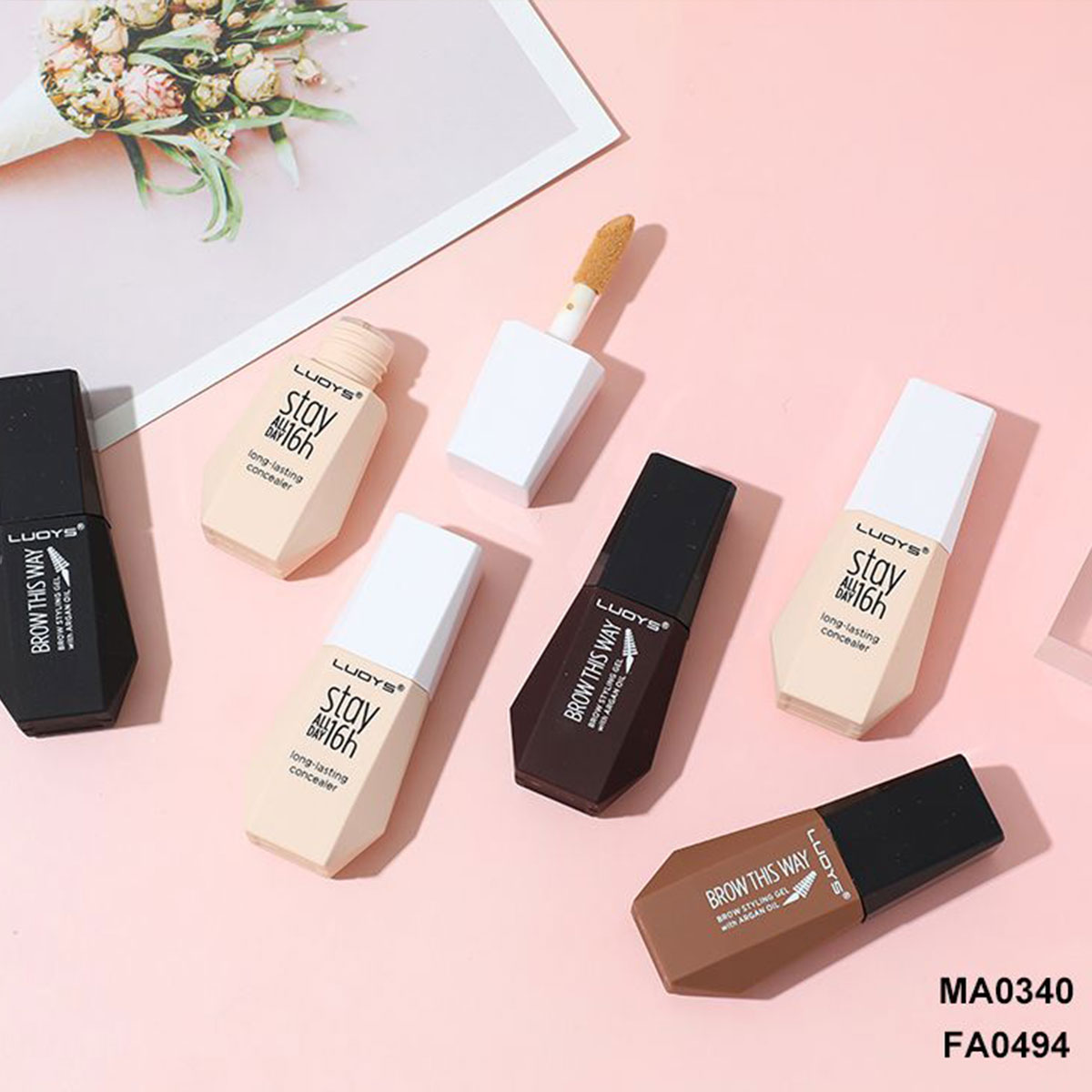
What Makes a Lip Oil Go Viral? Formula & Packaging Breakdown
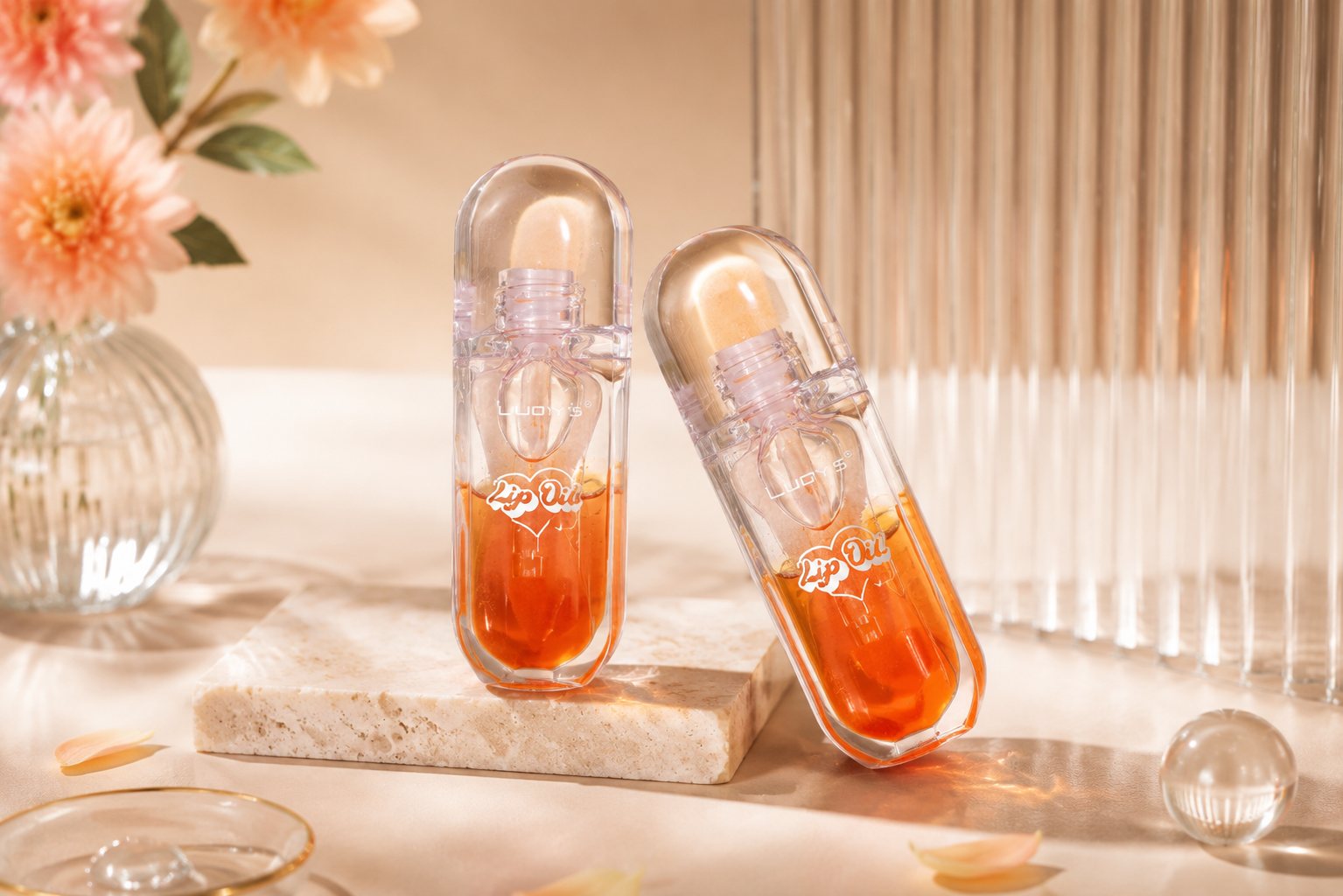
A lip oil becomes commercially successful when formula performance, sensory experience, packaging usability, and consumer expectations work together rather than when one trend ingredient attracts attention. For beauty brands planning a new lip product, the real challenge is not simply creating a glossy texture but developing a product that feels comfortable, looks attractive in content creation, remains stable during storage, and can be manufactured consistently at commercial scale. This article explains the technical factors purchasing teams, product managers, and R&D teams should evaluate before selecting an OEM partner or approving a lip oil concept.
Why has lip oil become an important category for beauty brands?
Lip oil has ceased to be a novelty as it meets the multiple demands of the consumer: intensive shine, comfort, convenience, and cosmetics-like satisfaction. Compared to standard lip products, lip oil occupies an intermediate position in terms of the range of effects, which makes it even more attractive for promoting as a product with high versatility.
Therefore, the product has a set of challenges for the purchasing manager. Thus, despite being a cosmetic product that looks nice on the leaflet, its performance is determined by its consistency, spreading ability, migration properties, and packaging.
What makes lip oil different from traditional lip gloss?
Although both products can provide shine, their sensory targets are usually different.
-
A lip gloss often focuses on visual impact and reflective finish, while a lip oil usually aims for a lighter, smoother application with a more comfortable after-feel. This difference affects:oil selection;
-
texture balance;
-
pigment dispersion;
-
film formation;
applicator design.A successful formula needs enough slip to spread easily but should avoid excessive movement beyond the lip area. Too much mobility may create a messy appearance, while too little can make the product feel heavy.
Which consumer expectations influence product development?
Modern lip oil buyers usually evaluate several experiences at the same time:
| Consumer expectation | Development consideration |
|---|---|
| Lightweight feeling | Selection of suitable emollients and oil-phase balance |
| High shine appearance | Optical performance and surface film |
| Comfortable wear | Sensory evaluation and after-feel testing |
| Easy application | Applicator and package design |
| Attractive appearance | Color stability and package presentation |
These expectations influence both formula development and supplier communication. A clear product brief helps avoid repeated sample adjustments.
What formula factors determine whether a lip oil can succeed?
The formula is the foundation of the product experience. A visually attractive lip oil can still fail if the texture changes during storage, separates, feels sticky, or does not perform consistently between batches.
How do oils and emollients affect performance?
The oil phase determines many of the characteristics consumers notice immediately.
-
Different oils and emollients influence:spreading speed;
-
cushion feeling;
-
gloss level;
-
absorption perception;
residual film.A brand looking for a lightweight daily-use product may prioritize fast-spreading materials, while a more treatment-inspired concept may require a richer sensory profile.
The development team must also consider compatibility between ingredients. Some combinations may look stable initially but show changes after temperature variation or long-term storage.
Why does viscosity matter for lip oil?
Viscosity affects both user experience and packaging performance.
-
If the formula is too thin:the product may leak more easily;
-
the applicator may deliver inconsistent amounts;
-
the consumer may feel the product disappears quickly.If the formula is too thick:application may become uneven;
-
the product may feel heavy;
dispensing may become difficult.For this reason, viscosity should be evaluated together with the selected bottle, stopper, and applicator rather than tested separately.
How should brands evaluate lip oil packaging before production?
Packaging is one of the most visible parts of a lip oil product, but it also directly influences product quality. A suitable package must protect the formula while providing a reliable consumer experience.
What packaging elements require technical review?
-
Before mass production, buyers should review:bottle material compatibility;
-
closure performance;
-
leakage resistance;
-
applicator structure;
product recovery from the container.A package that looks premium but performs poorly during transportation or daily use can damage consumer perception.
Why should packaging compatibility testing be completed early?
Formula and packaging interact continuously during shelf life. A component material may affect appearance, odor, or texture, while the formula itself may influence package performance.
Purchasing teams should request compatibility evaluation using the final formula and production-intent packaging instead of relying only on empty package samples.
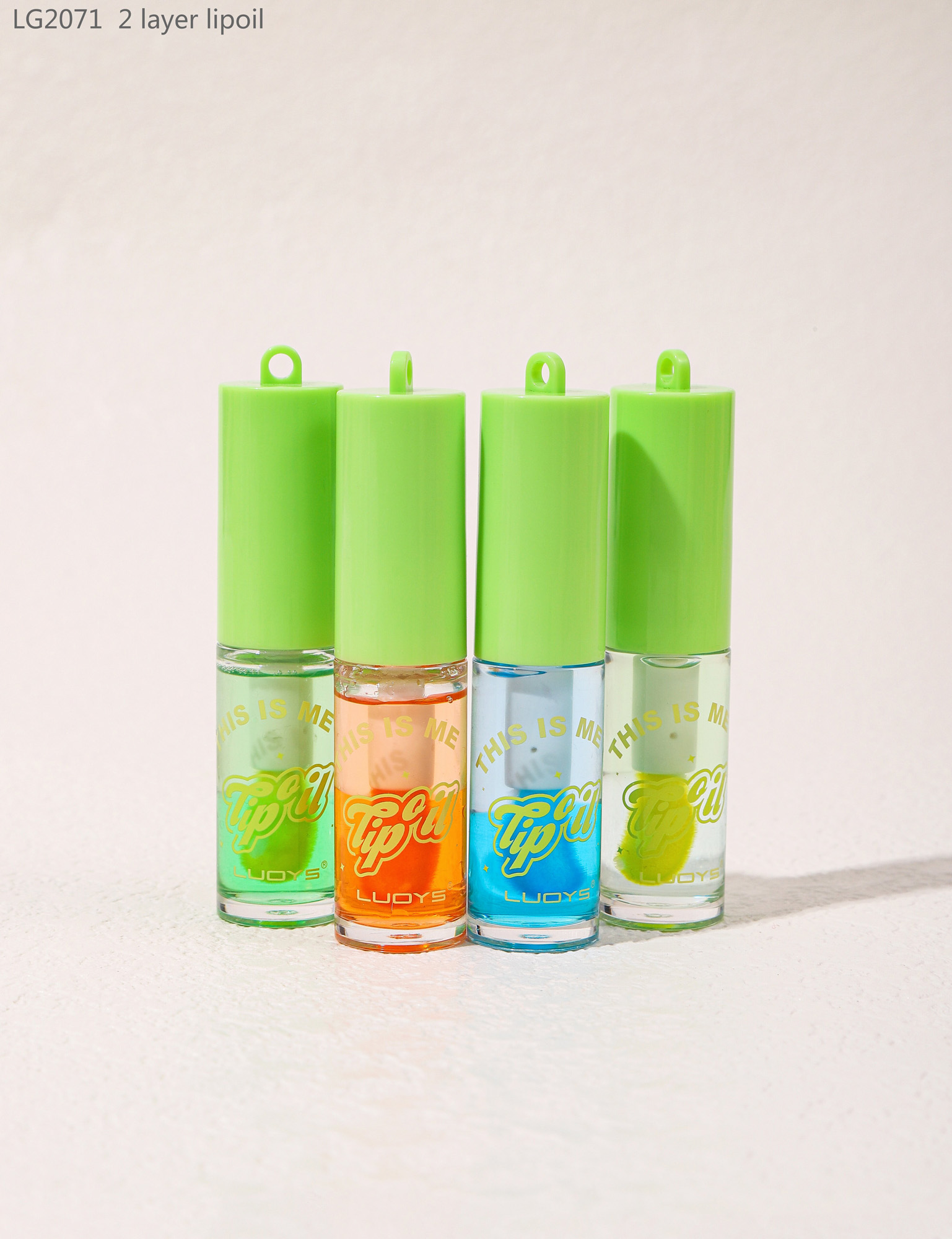
What quality checks should buyers discuss with a lip oil supplier?
Supplier evaluation should focus on whether the manufacturer can control repeat production, not only whether a sample looks attractive.
-
A commercial lip oil project usually requires attention to:formula consistency;
-
appearance control;
-
filling accuracy;
-
packaging inspection;
batch-to-batch stability.Which testing questions should buyers ask?
-
Before approval, buyers should understand:How is the formula checked during production?
-
Which physical characteristics are monitored?
-
How are packaging issues identified?
How are formula changes controlled?These questions help determine whether a supplier can support long-term product development rather than only provide an initial sample.
How can brands build a lip oil concept that remains competitive after launch?
A successful lip oil is not created only through appearance. Long-term performance depends on whether the product solves a clear consumer need and whether production decisions support commercial growth.
What should buyers prepare before requesting samples?
-
A detailed brief should include:target consumer;
-
desired finish;
-
texture expectation;
-
color direction;
-
packaging preference;
-
target market;
expected positioning.The more specific the brief, the fewer unnecessary sample revisions are required.
Brands should also compare their concept with existing lip products in the Lips category to understand how the new product fits into the wider assortment.
How can suppliers support product development decisions?
An experienced OEM partner should help evaluate whether the formula concept, packaging choice, and production requirements are realistic. The supplier’s role is not only producing the final item but also identifying technical risks before they become commercial problems.
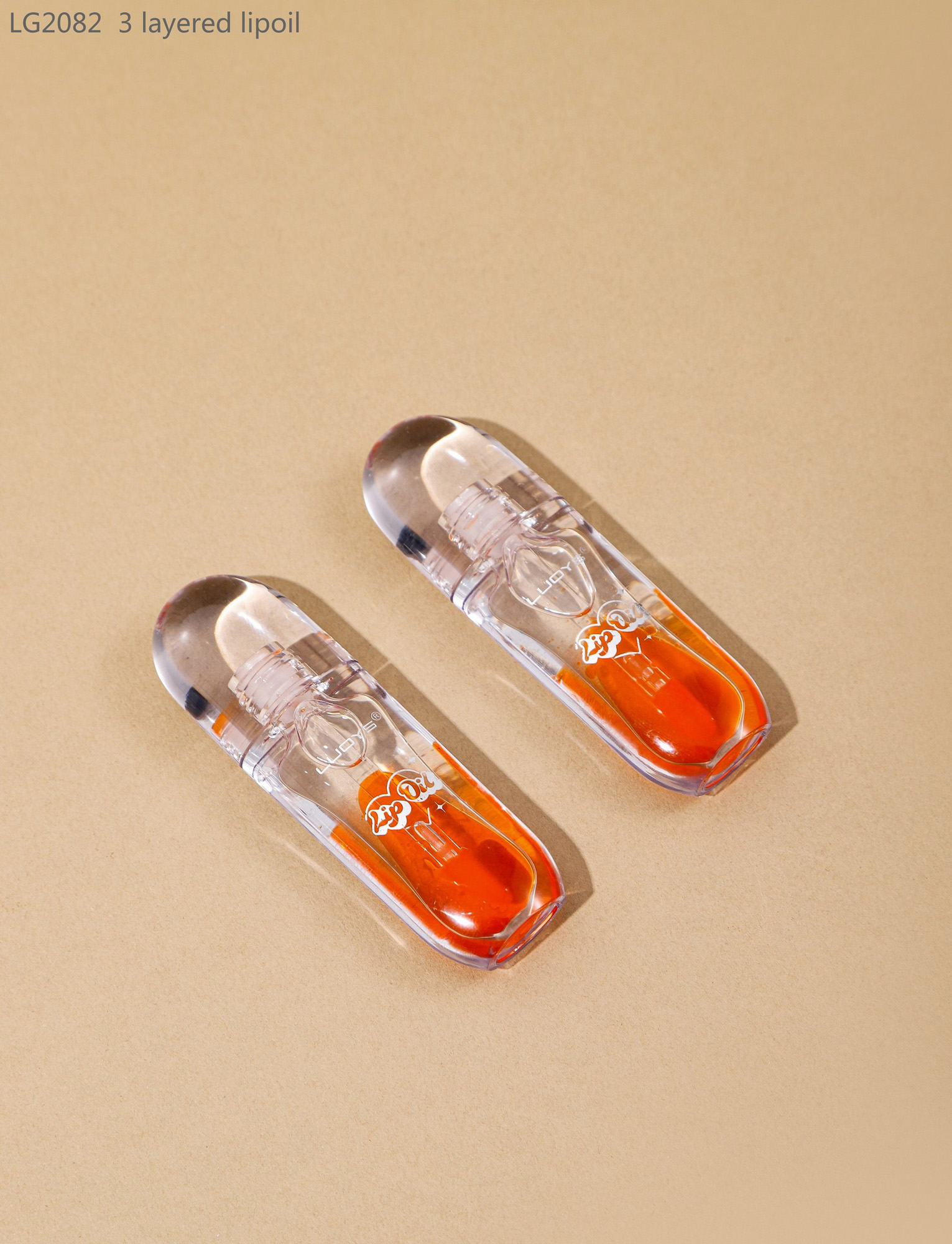
Professional Technical Support from Zhejiang Limei Cosmetics Co., Ltd.
Zhejiang Limei Cosmetics Co., Ltd. provides OEM and ODM cosmetic development support covering formulation, sampling, quality management, filling, and packaging coordination. The company works with beauty brands on different cosmetic formats and supports product development discussions from early concept evaluation to production preparation. Buyers can learn more about the company background through the official About Us page. For lip product projects, technical discussions normally involve formula direction, sensory requirements, package selection, and quality expectations to ensure the final product meets the intended market requirements.
Conclusion
A successful lip oil is not only about the shine it provides. It is essential to consider its structure and performance, the feel and impression on the lips, the packaging, and the production process. Thus, a well-articulated brief and a clear discussion with the suppliers can ensure the absence of issues during the manufacturing process and help create an appealing product that is safe for continuous use and remains stable after production.
FAQs
1. What makes a lip oil different from lip gloss?
Lip oil usually focuses on a lightweight, comfortable feel with a skincare-inspired experience, while lip gloss often emphasizes stronger shine and visual impact. The formula structure and sensory target are usually different.
2. Why is viscosity important for lip oil development?
Viscosity affects application, shine, leakage risk, and packaging compatibility. The right balance helps the product spread smoothly while maintaining controlled use.
3. What packaging should be tested for lip oil?
Buyers should evaluate bottle compatibility, applicator performance, leakage resistance, closure quality, and how the package performs with the final formula during storage.
4. What information should brands provide before requesting lip oil samples?
Brands should provide target users, desired texture, finish, shade direction, packaging expectations, market requirements, and positioning goals to improve development efficiency.
5. How can buyers evaluate an OEM lip product supplier?
Buyers should review formulation capability, quality control processes, sample development methods, packaging coordination, and production consistency rather than judging only the first sample.