

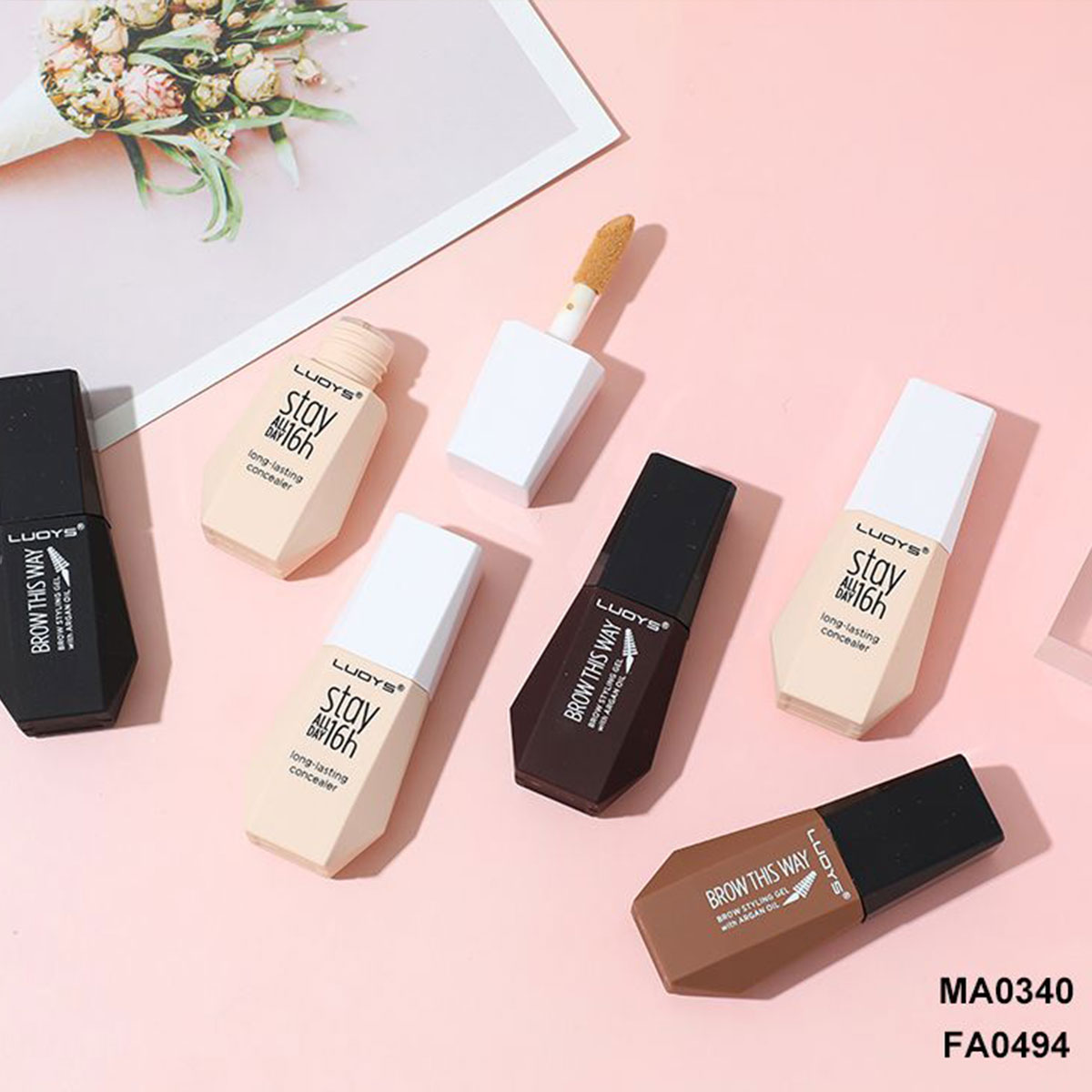
How Beauty Brands Can Build a Lip Makeup Collection Around One Hero Product
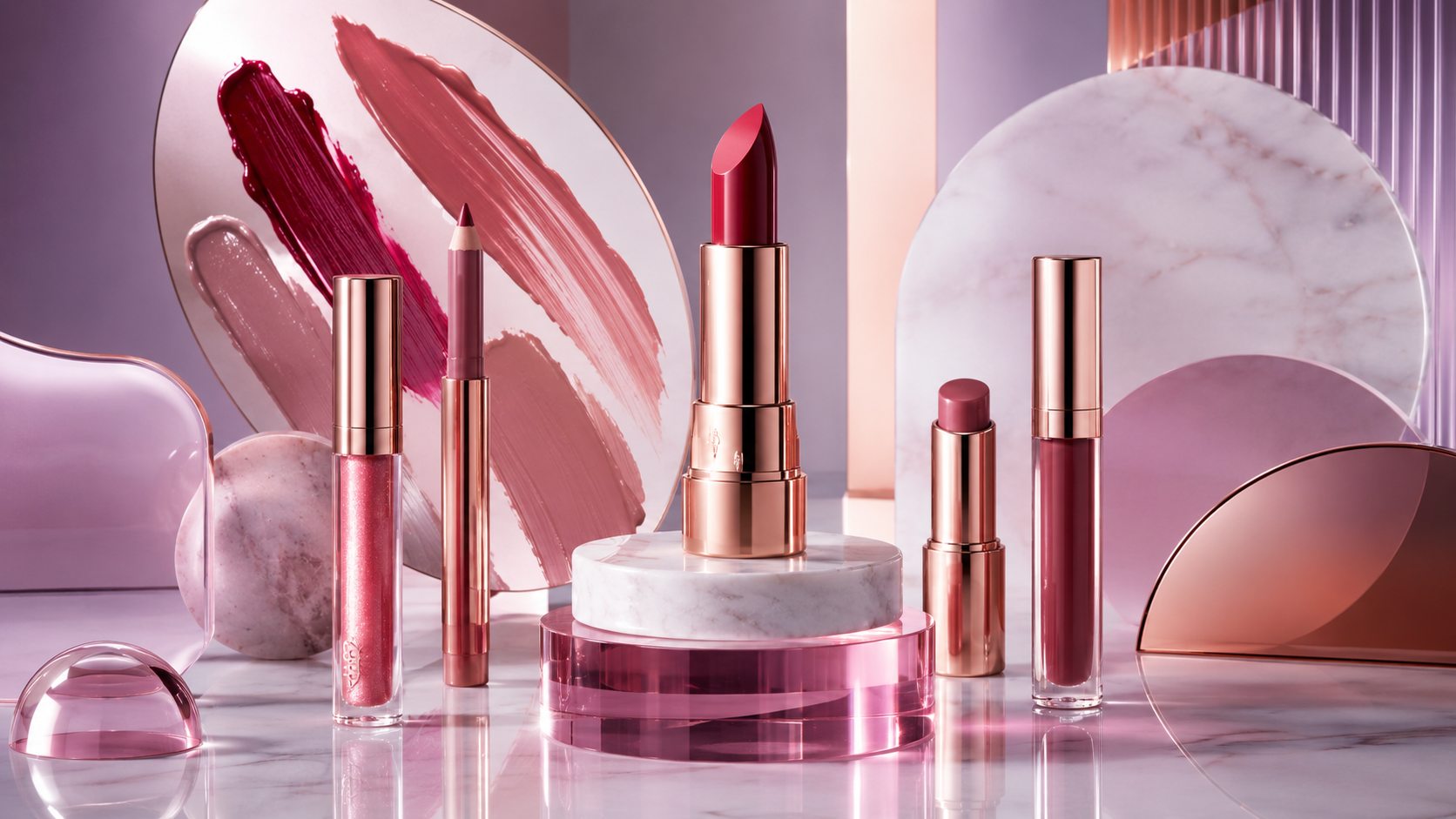
A lip makeup collection does not need a large assortment to look complete. For many new and growing beauty brands, one clearly defined hero product gives the range a stronger starting point because it establishes the main texture, finish, shade language, and consumer promise. Supporting products can then solve different needs around that hero instead of competing with it. This approach also makes sourcing easier to control. Fewer formulas need to be sampled at once, shade development becomes more focused, packaging can share visual elements, and inventory exposure is easier to calculate before the first purchase order.
Which lip product should become the hero SKU?
The hero should explain the collection quickly. Lipstick, gloss, stain, lip oil, or another hybrid format can all lead a range, but the category alone is not the differentiator. The product needs a specific benefit that consumers can understand in a tester, product photo, short video, or one-sentence sales pitch.
Buyers can compare formats across the wider lip makeup category before choosing which one fits the target customer and channel. A color-led brand may benefit from lipstick, while a sensorial or easy-application brand may prefer gloss, stain, or oil.
What makes a hero product suitable for expansion?
The concept should remain useful after one social-media trend fades. A recognizable texture, finish, wear pattern, application experience, or shade idea can provide a stronger long-term foundation than a single novelty color.
The hero should also leave room for complementary products. A stain can be paired with liner or gloss, while a full-coverage lipstick can be extended with an oil, balm, or liner. The hero introduces the collection; it does not need to solve every lip need itself.
How should supporting SKUs extend the hero instead of copying it?
Each supporting product should have a defined role. If the stain, liquid lipstick, and gloss all deliver nearly the same finish and coverage, the brand is adding inventory without giving consumers a strong reason to purchase more than one format.
What role should each extension play?
A practical architecture might use the hero for the signature look, a liner for definition, a more opaque formula for stronger color, a gloss or oil for layering, and a balm for preparation or simple everyday use. The exact combination depends on the brand, but every SKU should answer a distinct use case.
Products should also be tested together. A liner should not make the hero formula drag at the lip edge. A gloss topper should not break down the color underneath too quickly. A balm should not make a long-wear product slide or become patchy. These checks show whether the collection actually functions as a system.
Should every supporting product repeat the same shades?
Usually not. Exact one-to-one shade matching can multiply SKU count quickly. A smaller group of liner shades may coordinate with several hero colors, while a clear or lightly tinted topper may need only one or two versions. Coordinated shades add value; duplicated inventory does not.
How many shades and SKUs should a brand launch first?
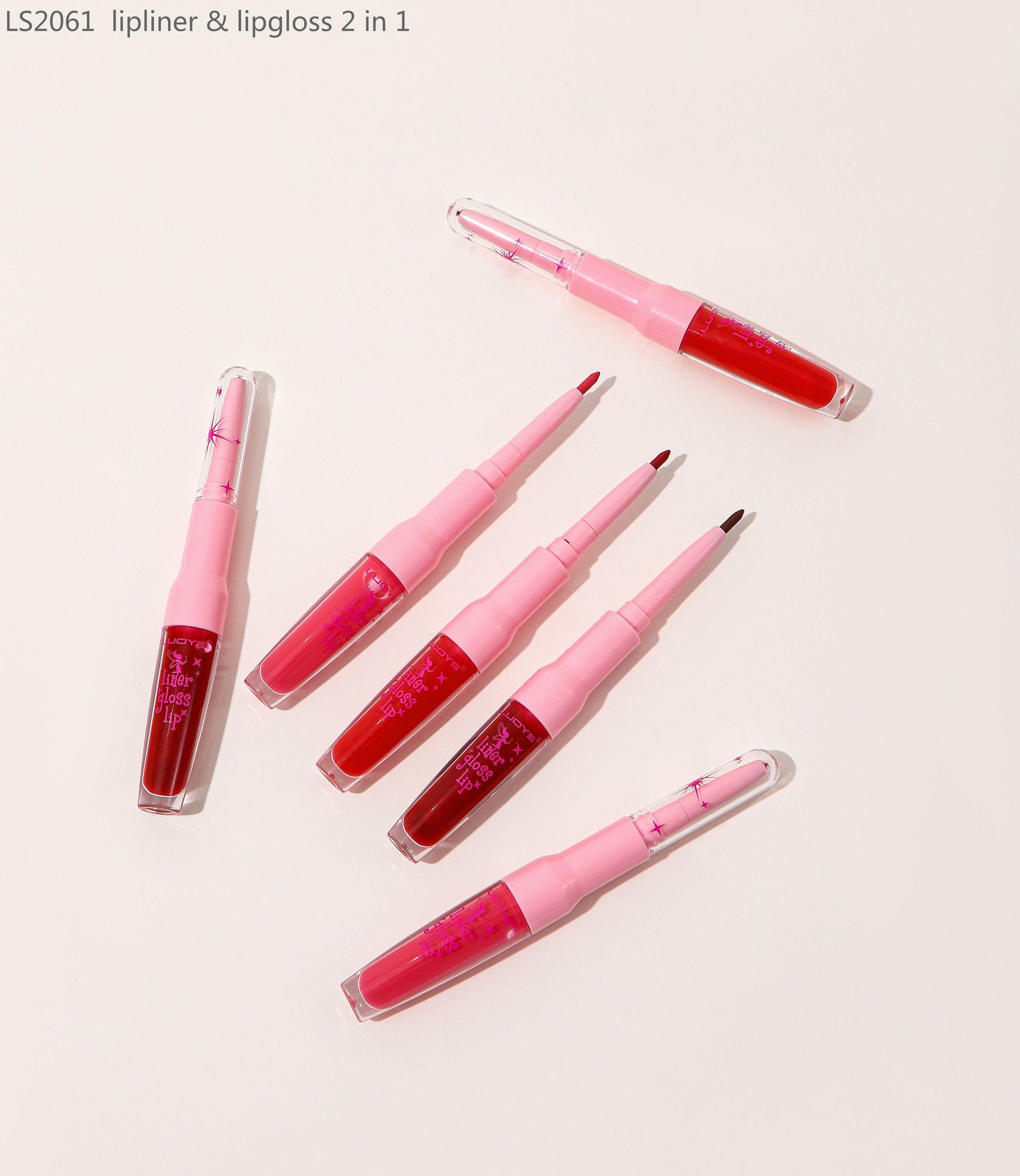
There is no universal ideal number. The practical answer depends on MOQ, packaging minimums, budget, sales channel, and forecast. Buyers should calculate the total number of sellable SKUs early because a modest-looking collection can become expensive once every format is multiplied by several shades.
Six shades across four products already create 24 SKUs. Each may require shade approval, artwork, filling, cartons, inventory records, and safety stock. This is why MOQ planning for a new makeup brand should happen while the range is being designed rather than after samples are approved.
How can brands keep the first launch focused?
Give the hero the deepest assortment. Supporting products can begin with fewer shades or simpler variants. A hero lip color may launch in six shades, while a liner opens with three adaptable colors and a topper launches in clear plus one tint.
This makes the range feel complete without manufacturing every possible combination. Later expansion can then be based on sell-through data rather than assumptions made months before launch.
What should a shade plan include?
Map depth, undertone, opacity, finish, and role within the assortment. Several nearly identical nude shades may look cohesive on a mood board but provide limited choice at retail. Buyers should approve physical master shades under consistent lighting and define how production batches will be checked against them.
How should formula and packaging create one recognizable collection?
A collection should look related, but identical packaging structures are not always practical. A thin stain, viscous gloss, lip oil, and solid lipstick have different filling and dispensing requirements. The better approach is to build visual consistency around branding while allowing the internal package to match each formula.
Which packaging details affect product performance?
For liquid lip products, wiper geometry changes how much product reaches the applicator, while applicator shape affects pickup and precision. Seals and closures influence leakage. Solid products raise different questions around bullet strength, filling temperature, sweating, and breakage.
Production-intent components should therefore be tested with the actual formula. Buyers should check leakage, dose consistency, pickup, closure performance, product buildup, discoloration, component interaction, and appearance after storage.
Brands planning a gloss-centered assortment can also review how to build a profitable lip gloss line for related decisions on texture, shades, packaging, and assortment planning.
What should buyers lock with an OEM before production?
The supplier should receive one collection-level brief as well as individual product specifications. The collection brief identifies the hero, explains the job of every supporting SKU, and states which visual or sensory elements must remain consistent. Individual specifications then control each formula and package.
What belongs in the approval package?
For every SKU, buyers should approve the formula version, physical sample, master shade, package components, fill weight, artwork, coding, and inspection criteria. At collection level, confirm decoration standards, naming rules, carton appearance, packing method, quantities, and delivery priorities.
Repeat orders should remain linked to those approved references. Changes to pigment dispersions, emollients, wipers, applicators, gaskets, or coatings can affect performance even when the supplier considers them minor. Written change control gives the brand an opportunity to request new sampling or compatibility checks before production.
How can Zhejiang Limei Cosmetics Co., Ltd. support a hero-led lip collection?
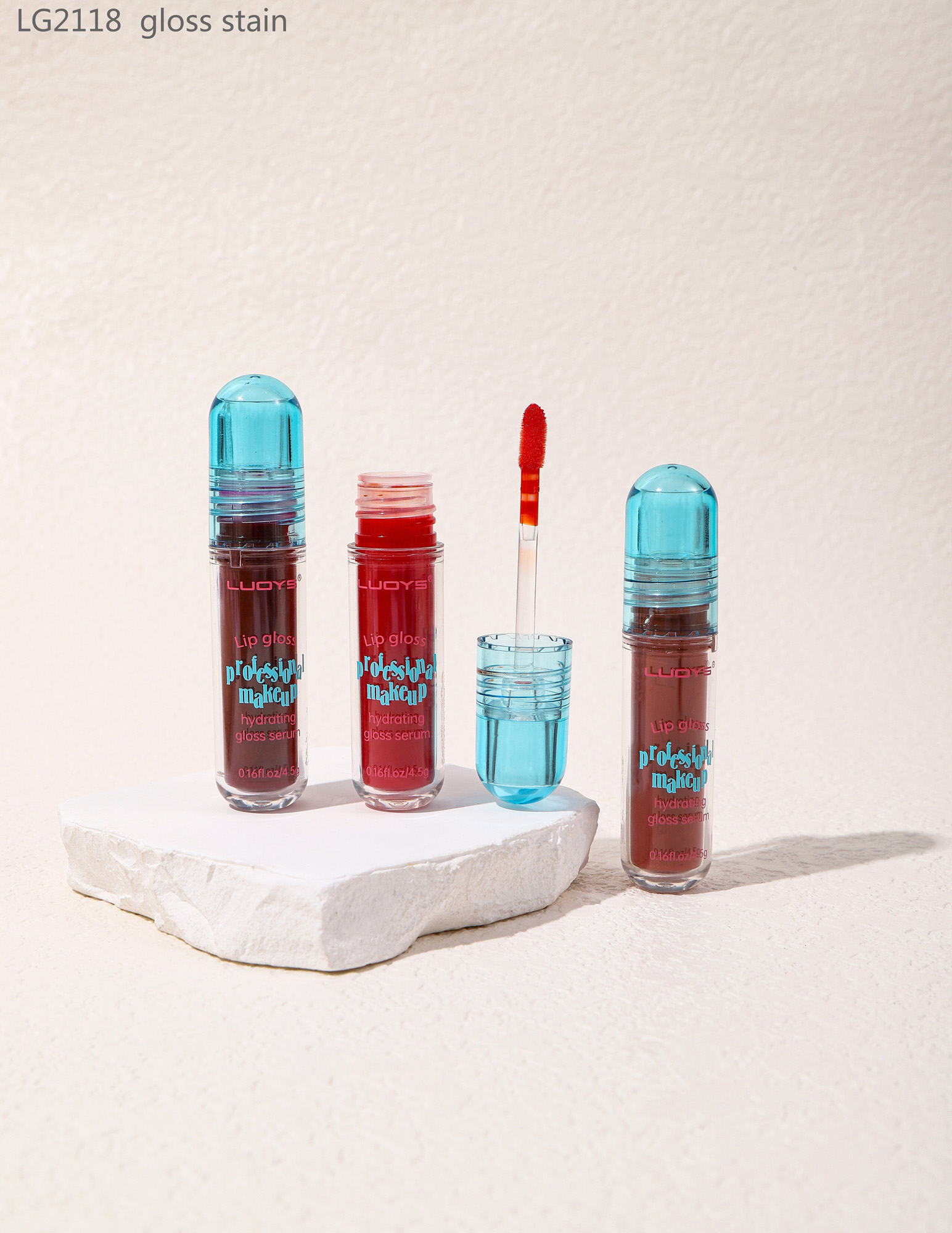
Zhejiang Limei Cosmetics Co., Ltd. provides OEM and ODM support for lipstick, lip gloss, and other color-cosmetic formats, including formulation, sampling, shade customization, filling, labeling, and packaging coordination. Buyers planning a gloss-stain-led collection can use LG2118 Gloss Stain as a relevant format reference when discussing texture, shade direction, applicator choice, and packaging requirements. Supporting products can then be developed around the buyer’s own audience, price position, SKU architecture, MOQ, and launch plan. Managing the range as one project helps keep shade, packaging, formula, and production decisions aligned.
Conclusion
Building a lip makeup collection around one hero product gives brands a clearer product story and a more manageable sourcing plan. The hero should carry the strongest consumer benefit and the broadest assortment, while supporting SKUs add distinct functions. Buyers should calculate total SKU exposure early, test products together, and approve production-intent packaging before launch. A collection-level brief and controlled specifications then make first production and future extensions easier to manage.
FAQs
1. What is a hero product in a lip makeup collection?
A hero product is the main SKU that expresses the collection’s most recognizable texture, finish, shade story, or application experience. Supporting products should extend how consumers use it rather than duplicate the same result.
2. How many lip products should a new beauty brand launch?
The right number depends on MOQ, budget, channel, and forecast. A focused hero product plus several complementary formats can often control inventory more effectively than launching multiple full shade ranges at once.
3. Should every lip liner shade match a hero shade exactly?
Not necessarily. A smaller group of versatile liner shades may coordinate with several hero colors, reducing SKU count while still giving consumers useful combinations for definition, layering, and stronger color contrast.
4. What packaging tests matter for a lip makeup collection?
Check formula compatibility, leakage, closure performance, applicator pickup, wiper function, dose consistency, component appearance, and storage behavior. Solid lip products may also require checks for sweating, hardness, and breakage.
5. How can brands reduce MOQ risk when expanding the collection?
Keep the broadest assortment in the hero SKU, limit early variations in supporting products, share compatible components where practical, and use sell-through data to decide which additional shades and formats justify expansion.