

Why More Brands Are Choosing Microbiome Skincare in 2026
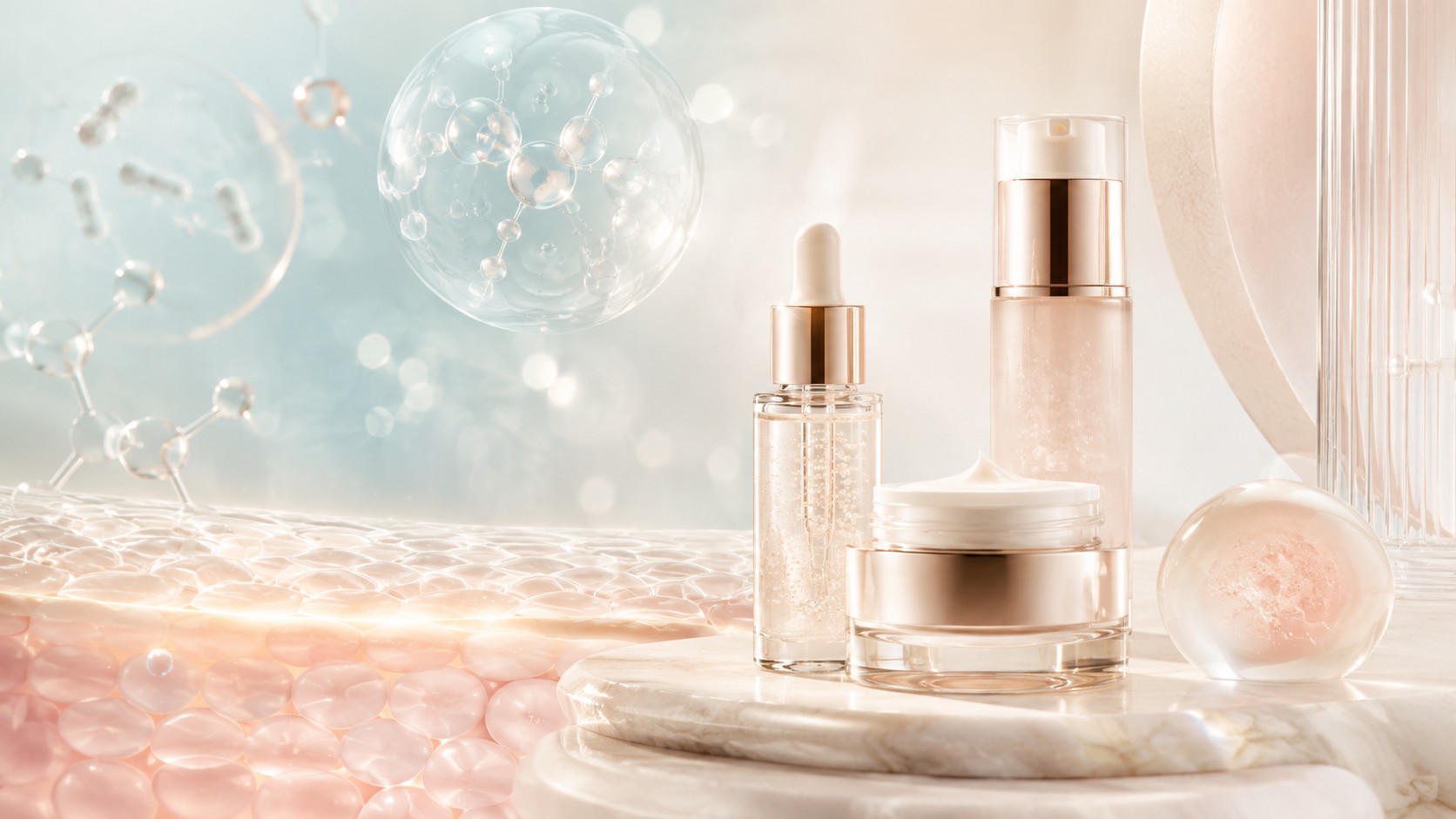
Microbiome skincare is gaining attention in 2026 because beauty brands are looking beyond single hero ingredients and toward products that fit gentler, maintenance-focused routines. For OEM buyers, however, the category requires more than adding a ferment or “biotic” ingredient to a serum or cream. The final formulation must demonstrate efficacy, have appropriate texture, be effectively preserved, packaged, scalable, and substantiated for the marketplace. Therefore, realistic projects are consumer need driven and employ a microbiome-driven approach that can be successfully designed, developed, produced, and marketed.
Why are more brands considering microbiome skincare in 2026?
Interest in microbiome skincare is closely connected with the rise of skin barrier skincare. Consumers are already familiar with gentle cleansing, hydration, reduced irritation, and long-term skin comfort, so microbiome positioning can extend a story they understand rather than introduce an entirely new routine.
Which product concepts make the most sense?
The idea is most effective when it is tailored to address a specific need, for instance, combination skin, sensitive skin, dryness, hydration, or some other requirement. A serum with a light consistency for combination skin will have a different brief than a rich cream for dry skin, despite the use of similar language. It is also vitally important to consider the buyer’s needs: the product’s texture, the frequency of its use, its price, target market, packaging, and the cosmetic effect it is supposed to achieve when choosing ingredients.
Brands can also compare formats across the broader Skin&body category before deciding whether the concept belongs in a serum, cream, cleanser, or another product. This keeps the format decision tied to consumer use rather than to a trend term.
Which microbiome ingredient strategy fits an OEM skincare project?
“Microbiome skincare” can involve prebiotics, live probiotics, postbiotic preparations, ferments, lysates, or other microbial derivatives. These approaches should not be treated as interchangeable because they introduce different formulation, documentation, and claim requirements.
Why are live probiotic concepts more difficult?
Conventional cosmetics are designed to control unwanted microbial growth. A true live-probiotic concept creates an additional technical challenge because the product must remain microbiologically safe while maintaining selected viable organisms. Preservation, processing temperature, water activity, packaging, and storage can all affect that balance.
For many OEM projects, prebiotic ingredients, ferments, lysates, or non-living microbial preparations are easier to integrate into normal manufacturing. They still require stability and preservation evaluation, but the factory is not also trying to maintain live-organism viability throughout shelf life.
What documentation should buyers request?
Ask for the INCI name, specification, suggested concentration, storage conditions, safety data, microbiological test results, and any efficacy evidence related to the ingredient. Additionally, determine whether the evidence cited relates only to the particular raw material or to a formulation comparable to what you intend to market. Claims made about an ingredient may help support your formulation, but they do not necessarily guarantee that every statement about a finished product is valid.
What formulation and testing requirements should buyers specify?
A microbiome concept does not replace ordinary cosmetic development. The formula still needs controlled pH, viscosity, appearance, odor, microbiological quality, fill weight, and packaging performance. Ferments, lysates, sugars, extracts, and specialty materials may also influence color, odor, preservation, or emulsion stability.
Which checks should be completed before mass production?
The approved sample should be supported by a written specification with acceptable ranges rather than descriptions such as “same as sample.” Buyers should discuss physical stability under defined conditions, microbiological quality, preservation performance where relevant, and packaging compatibility. They should also confirm which parameters will be checked again during batch release.
Packaging deserves the same attention as the bulk. A formula that remains stable in a laboratory container may leak, discolor, clog, or dispense poorly in its final pump or dropper. The same principle applies to face serum development: formula, filling, packaging, and quality control should be evaluated as one finished-product system.
How should brands manage microbiome claims and compliance?
Microbiome language can move quickly from a simple ingredient statement to a broad biological promise. “Contains a ferment” is different from “supports the skin microbiome,” and both are different from language suggesting that a cosmetic restores healthy bacteria or corrects a medical condition.
How can buyers separate facts from marketing language?
Review three layers before artwork approval: what ingredient is actually present, what cosmetic benefit the finished formula can reasonably support, and what impression the final wording may create for consumers. Supplier studies may explain why an ingredient was selected, but broader finished-product claims can require additional substantiation.
Target markets should also be fixed early. Ingredient restrictions, labeling, safety documentation, responsible-person duties, and claim expectations can differ between markets. A late compliance review may force formula or packaging changes after expensive development work has already been completed.
What should buyers verify before choosing an OEM supplier?
A useful supplier evaluation starts with process control rather than trend language. Ask how raw materials are approved, how formula revisions are documented, which parameters are checked during development, and what happens if a critical ingredient or packaging component changes.
What should be locked before the purchase order?
Commercial feasibility should be reviewed at the same time. Specialty ingredients may carry purchasing minimums, while customized pumps or decorated bottles can have packaging MOQs higher than the planned filling quantity. Testing fees, sample rounds, decoration, and freight also affect real launch cost.
Before ordering, lock the formula version, approved physical sample, specifications, packaging code, artwork, fill weight, testing requirements, inspection criteria, production quantity, and change-control process. Those records provide a fixed reference for first production and repeat orders.
How can Zhejiang Limei Cosmetics Co., Ltd. support microbiome skincare development?
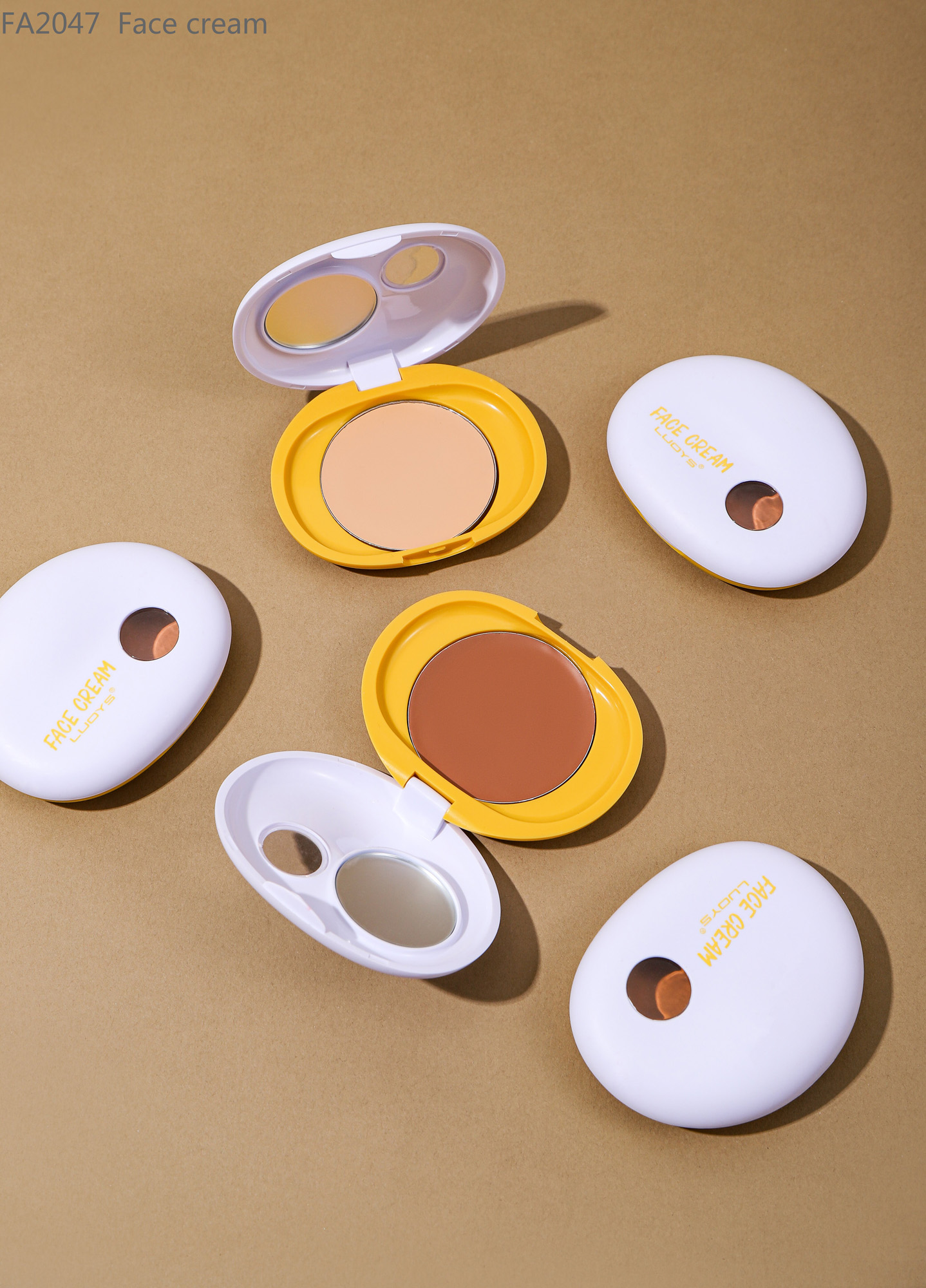
Zhejiang Limei Cosmetics Co., Ltd. provides OEM and ODM support across formulation, sampling, quality control, filling, labeling, and packaging coordination. For buyers considering a cream-based microbiome concept, FA2047 Face Cream can serve as a relevant format reference when discussing texture, customization, filling, and packaging requirements. A microbiome project should still be built around the brand’s target user, intended claims, ingredient direction, market requirements, testing plan, and commercial limits. This keeps development focused on a repeatable finished product rather than on adding a single trend-driven ingredient.
Conclusion
Microbiome skincare can be a useful development direction in 2026 when the concept is tied to a real consumer need and supported by disciplined formulation. Buyers should define the format, understand the proposed ingredient strategy, set measurable specifications, test the finished product in its intended packaging, and review claims before production. A clear brief covering formula, evidence, packaging, MOQ, and target-market requirements gives both the brand and OEM a stronger basis for decision-making.
FAQs
1. What is microbiome skincare?
Microbiome skincare generally refers to cosmetics developed or positioned around the skin’s microbial environment. Depending on the concept, formulas may use prebiotics, ferments, lysates, postbiotic materials, probiotics, or related ingredients.
2. Are live probiotics practical in ordinary skincare?
They can be technically challenging because preservation, processing, packaging, temperature, and storage may affect viability. Buyers should confirm how a live-microbe concept will be manufactured, tested, protected, and maintained through shelf life.
3. What documents should buyers request for microbiome ingredients?
Request the INCI name, specification, recommended use level, storage requirements, safety information, microbiological data, and available efficacy evidence. Confirm whether supporting studies cover the raw material or the finished cosmetic.
4. Which tests are important for microbiome skincare?
Depending on the formula, buyers should discuss stability, microbiological quality, preservation performance, pH, viscosity, packaging compatibility, and claim-support testing. Acceptance criteria should be agreed before mass production begins.
5. Can one microbiome ingredient support strong product claims?
Not automatically. Raw-material evidence and finished-product evidence are different. Claim wording should match what can actually be supported for the complete formula and should be reviewed for the intended sales market.