

Why Serum Foundations Are Changing the Way Brands Develop Base Makeup
Serum foundations are changing base makeup development because buyers are no longer asking only for coverage, shade, and wear. They also want fluid spread, skincare-style sensoriality, lighter payoff on the skin, and ingredient stories that fit a modern complexion routine. For brand owners, product developers, and sourcing teams, that changes the OEM brief. A serum foundation should not be treated as ordinary liquid foundation with more water added. It has to remain fluid without allowing pigments to settle, deliver repeatable shades, survive storage, work with its final package, and still provide the coverage and finish promised to the consumer.
Why is serum foundation changing the base-makeup development brief?
A serum foundation must feel fast-spreading and light while still depositing an even pigment film. It may also include moisturizing or skin-conditioning ingredients, which can affect viscosity, emulsion structure, pH, preservation, and packaging compatibility.
This sits inside the wider shift toward skincare-makeup hybrids. An existing article on 2026 makeup product innovations already identifies serum foundations and other sensorial textures as an active direction. The procurement issue is different: how do you convert “serum-like” into something a laboratory can actually develop and a factory can reproduce?
What should replace vague terms such as “weightless”?
Use a benchmark sample and describe what “weightless” means in use: easy spread, low drag, fast leveling, low tack after application, an agreed finish, and a defined coverage target.
Instead of telling an OEM, “Make it feel like skincare,” ask questions such as:
-
How fluid should the product be before application?
-
Should one layer remain sheer or reach light-medium coverage?
-
How quickly should it dry down?
-
How much glow is acceptable after five or ten minutes?
-
Should the consumer shake the pack before use?
Those answers create a useful sample brief. “Lightweight” by itself does not.
What makes a serum foundation technically harder than a standard liquid foundation?
The central problem is low-viscosity stability. Pigments are denser than much of the liquid phase, so a fluid foundation can spread beautifully on day one yet settle during storage if the emulsion and rheology are not properly designed.
The formulator needs enough structure at rest to help hold pigments in place while allowing the product to flow when shaken, pumped, dropped, or spread. A current Seppic formulation example illustrates the principle: its Insta Shield Foundation is a light oil-in-water emulsion designed with a serum-like texture, using rheology modifiers to stabilize a very low-viscosity foundation. It shows why simply diluting an existing formula is not a sound development method.
Why do skincare ingredients complicate the system?
Humectants, electrolytes, botanical extracts, niacinamide, hyaluronic-acid systems, and other popular additions can change rheology or interact with an emulsion. Every added ingredient should therefore have a purpose: formula function, sensory benefit, supported cosmetic claim, or clear consumer story.
Brands comparing the wider foundation category should decide early whether the product is primarily complexion makeup with skincare-style sensoriality or a hybrid carrying specific care claims.
That choice affects the formula, testing plan, packaging, documentation, and sometimes even the wording available to marketing.
Which formulation and shade parameters should buyers specify before sampling?
A useful OEM brief gives the laboratory measurable boundaries without trying to prescribe chemistry the buyer cannot validate.
| Development variable | What the buyer should specify | What to verify on samples |
|---|---|---|
| Coverage | Sheer, light-medium, or buildable target | Evenness after one and two layers |
| Finish | Dewy, natural, satin, or soft-matte | Shine, dry-down and patchiness |
| Flow | Dropper-like, pourable, or pumpable | Shake recovery, streaking and control |
| Pigment stability | No unacceptable settling or hard sediment | Storage and re-dispersion behavior |
| Shade standard | Approved master using CIE L*a*b* or agreed visual standard | Batch-to-batch color difference |
| Wear | Target time and expected environment | Transfer, fading, oxidation and creasing |
| Skincare story | Named ingredients and intended cosmetic claims | Compatibility and supporting evidence |
| pH/viscosity | Target range for the approved formula | Batch release against specification |
Shade approval deserves particular care. Do not evaluate only a wet drawdown. Fluid foundations can look different after water or volatile components leave the film.
Compare the shade immediately after application and after dry-down across relevant undertones. Buyers working toward a skin-like finish can also review the company’s guide to no-makeup liquid foundation development for related formulation considerations.
A strong purchasing brief should also state who approves the master shades and what happens when a production batch sits outside the agreed tolerance.
How should packaging and filling be matched to a serum foundation?
Droppers communicate skincare, but they may produce different amounts depending on viscosity and user technique. Pumps offer more controlled dispensing, provided the formula primes and recovers properly. Airless systems can reduce outside-air exposure during use and offer controlled dosing, but the selected pump engine still has to match the formula.
The package should therefore follow the rheology, not the mood board.
What should the factory test with the final pack?
Ask for filled compatibility samples rather than approving an empty bottle. Check leakage, priming strokes, dose, clogging, product residue, color change around the actuator, seal interaction, and performance after storage.
Filling matters too. Some fluid pigment systems can settle in holding tanks if production waits too long. Buyers should ask how the factory controls:
-
bulk agitation before and during filling;
-
beginning, middle, and end-of-run shade checks;
-
fill weight;
-
line interruptions;
-
shade segregation;
-
finished-pack dispensing.
If the first 500 units and final 500 units of a batch are not controlled in the same way, a laboratory-perfect serum foundation can still become a production problem.
What tests should a brand require before approving mass production?
The testing plan should reflect the formula, package, market, and claims. Discuss room- and elevated-temperature stability, freeze-thaw testing where relevant, package compatibility, microbiological quality, preservative efficacy when appropriate, color consistency, viscosity or flow, and finished-product appearance.
Batch release should also include an agreed shade standard, fill weight, and packaging function.
Safety and compliance cannot be replaced by an ingredient story. In the United States, cosmetic companies remain responsible for safe and properly labeled products, while MoCRA requires the responsible person to maintain records supporting adequate safety substantiation. FDA does not prescribe one identical testing program for every cosmetic product.
Supplier process also matters. ISO 22716:2007 remains the current international GMP guideline covering cosmetic production, control, storage, and shipment.
Before placing the purchase order, ask the supplier for the actual release specification. A useful answer identifies tests, acceptance limits, responsible departments, retained samples, and what happens when a batch fails—not simply “QC checks every order.”
Which OEM manufacturer can support serum foundation development?
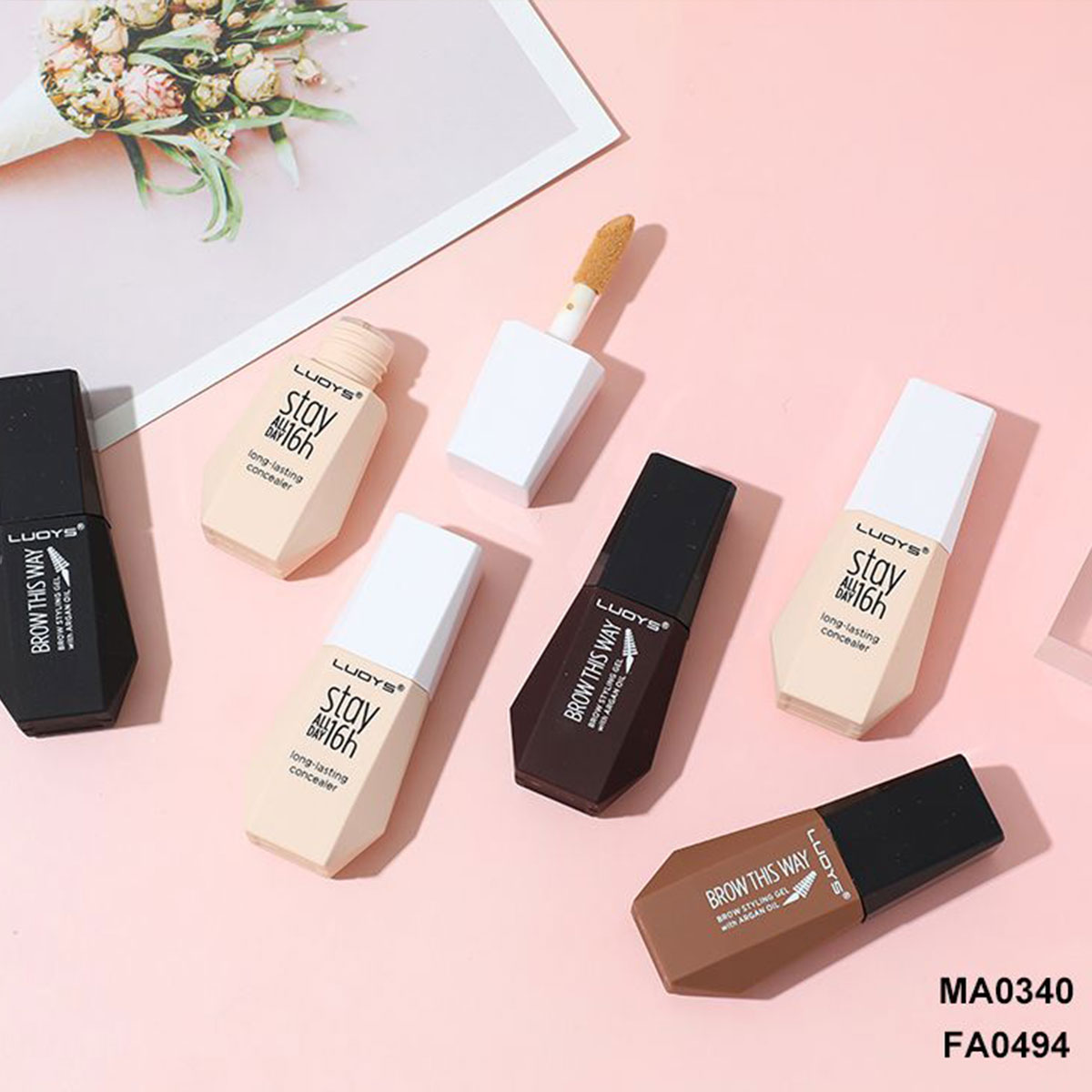
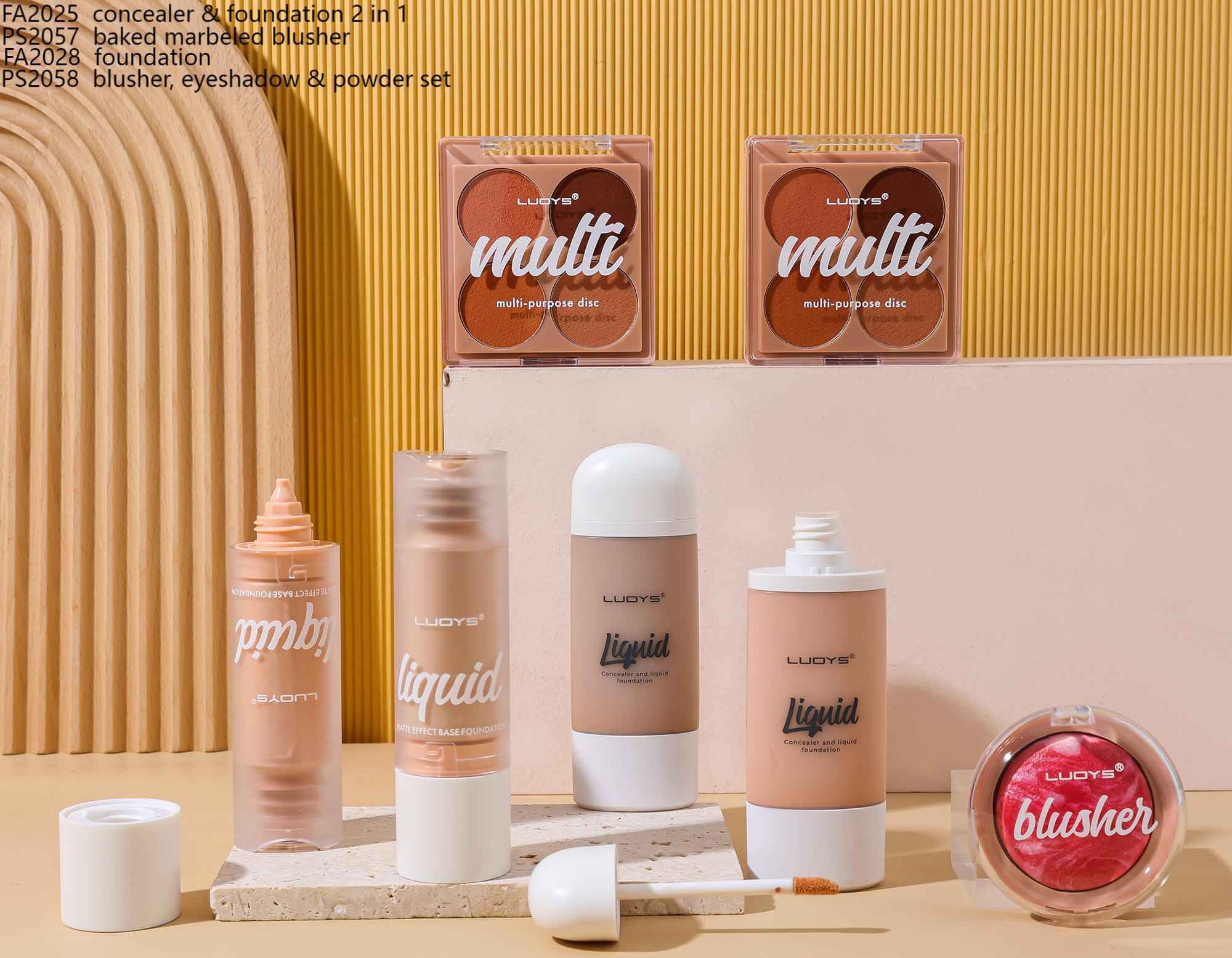
Zhejiang Limei Cosmetics Co., Ltd. provides OEM and ODM manufacturing for foundation and other color cosmetics, supported by R&D, quality inspection, filling, labeling, and packaging capabilities shown on its website. Buyers developing serum foundation can review the FA2033 Foundation as one concrete base-makeup reference before discussing a customized brief. The current website lists 300 employees, 10 R&D staff, 10 quality inspectors, foundation-solution throughput of 1,000,000 pieces per month, and a stated 45–60 day lead time. For serum-style makeup, supplier evaluation should focus on how texture, shades, packaging compatibility, testing, and repeat production will be controlled.
Conclusion
Serum foundations are reshaping base makeup because texture, pigment stability, skincare sensoriality, packaging, and shade control now have to be developed as one system. Buyers should define coverage, flow, finish, shade standards, claims, packaging behavior, and release criteria before sampling, then test the approved bulk in its final component. The practical next step is a measurable formula-and-packaging brief rather than a trend reference alone. Brands can contact the OEM team to discuss development requirements.
FAQs
1. What is the main difference between serum foundation and regular liquid foundation?
Serum foundation usually targets a lighter, more fluid sensory profile and may include skincare-positioned ingredients. The technical challenge is keeping pigments, emulsion structure, shade, and wear stable while maintaining that lower-viscosity feel.
2. Can a standard liquid foundation simply be diluted to make a serum foundation?
Usually not. Dilution can disrupt pigment suspension, coverage, preservation, emulsion stability, and wear. A serum foundation should be developed around the intended rheology, pigment system, packaging, and performance target from the beginning.
3. Is a dropper the best package for serum foundation?
Not always. Droppers support a skincare visual language, while pumps or airless systems may provide more controlled dosing. The right option depends on viscosity, formula sensitivity, consumer use, filling process, and compatibility results.
4. How should brands control shade consistency in serum foundation production?
Approve a physical master shade and define an instrumental or visual tolerance system. Check color after dry-down, not only while wet, and compare production batches against the approved standard under controlled lighting.
5. What should I ask an OEM supplier before ordering serum foundation?
Ask about sample development, viscosity and shade controls, stability testing, packaging compatibility, microbiological checks, MOQ, lead time, batch-release criteria, change control, and the documentation available for the intended sales market.